Goujinja Shrine (Hiroshima Prefecture) Complete Guide: A Thorough Explanation of History, Benefits, and Access
Hiroshima Prefecture boasts numerous nationally renowned shrines, including the World Heritage site Itsukushima Shrine, as well as Hiroshima Gokoku Shrine and Shioya Shrine. Among them, Goujinja Shrine, deeply rooted in local faith, is an indispensable part of Hiroshima Prefecture’s shrine culture. This article provides detailed information useful for visitors, covering Goujinja Shrine’s history, enshrined deities, benefits, annual events, and access methods.
What is Goujinja Shrine?: A Historic Shrine in Hiroshima Prefecture
Goujinja Shrine is a shrine located in Hiroshima Prefecture and has long been cherished as a center of faith for local residents. It is one of the shrines belonging to the Hiroshima Prefectural Shrine Association and is part of the system of the Association of Shinto Shrines, which encompasses 80,000 shrines nationwide.
There are over 2,400 shrines in Hiroshima Prefecture, and the Shrine Association manages their affairs through 24 branches. Gokō Shrine also plays a part in this network of shrines in Hiroshima Prefecture, functioning as a spiritual pillar for the region.
Origin of the Name Gokō Shrine
The name “Gokō” (五烏) embodies the history of the shrine and local traditions. In Japanese mythology, crows are considered messengers of the gods, and the Yatagarasu (八剫烏) in particular is known as a sacred bird that guided Emperor Jimmu. The name Gokō Shrine is thought to originate from this mythological background and local legends.
History and Origins of Gokō Shrine
History of Founding
The founding date of Gokō Shrine has been passed down through local historical documents and oral traditions. Many shrines in Hiroshima Prefecture have a history of being developed as local tutelary shrines from the medieval to the early modern period. Gokō Shrine also developed as a place of worship for residents along with regional development and agricultural advancements.
Progress Since the Modern Era
With the Meiji-era separation of Shinto and Buddhism, shrines throughout Japan underwent significant changes. Shrines within Hiroshima Prefecture were no exception, and were reorganized within the modern shrine system. Gokō Shrine was also restructured into its current form during this period and officially positioned as a local shrine.
During World War II, Hiroshima Prefecture suffered unprecedented damage from the atomic bombing. Some shrines located in the heart of Hiroshima City still retain stone structures bearing the scars of the atomic bomb. Even during the post-war reconstruction period, Gokō Shrine played an important role as a spiritual center for the local residents.
Deities and Benefits
Main Deities
The deities enshrined at Gokō Shrine are gods that have been worshipped since ancient times as guardian deities of the region. While shrines in Hiroshima Prefecture enshrine various gods such as Hachiman, Inari, and Tenjin, each shrine enshrines deities that reflect the characteristics and history of its region.
Expected Benefits
Many visitors come to Gokō Shrine seeking the following benefits:
Family Safety and Community Peace
As a guardian shrine protecting the community, many visitors come to pray for the safety of their families and peace in the region.
Abundant Harvest and Business Prosperity
Faith in agriculture and commerce has continued since ancient times, and the shrine also plays a role as a guardian deity of the local economy.
Protection from Misfortune and Good Fortune
Many people visit to ward off misfortune at important life events and to pray for good fortune at new beginnings.
Academic Success and Passing Exams
During exam season, students and their parents can be seen visiting to pray for academic success.
Highlights of the Shrine Grounds
Main Hall and Worship Hall
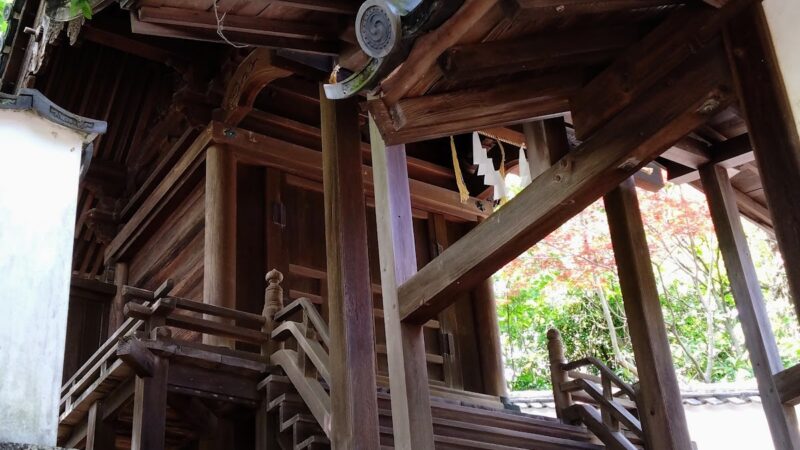
The main hall and worship hall of Gokō Shrine preserve the traditional style of shrine architecture. Shrine architecture in Hiroshima Prefecture features structures adapted to the unique climate of the Seto Inland Sea region, showcasing the beauty of wooden architecture.
Subsidiary Shrines
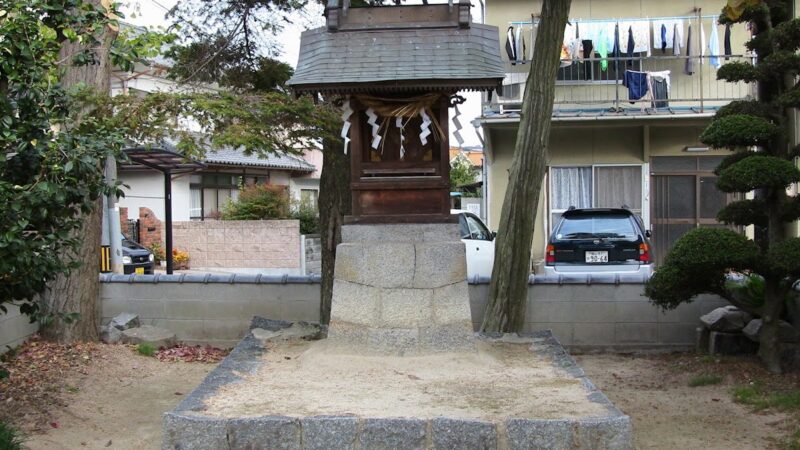
Several subsidiary shrines are often enshrined around the main hall. These are small shrines reflecting local beliefs and history, each believed to offer unique blessings.
Stone Sculptures and Monuments
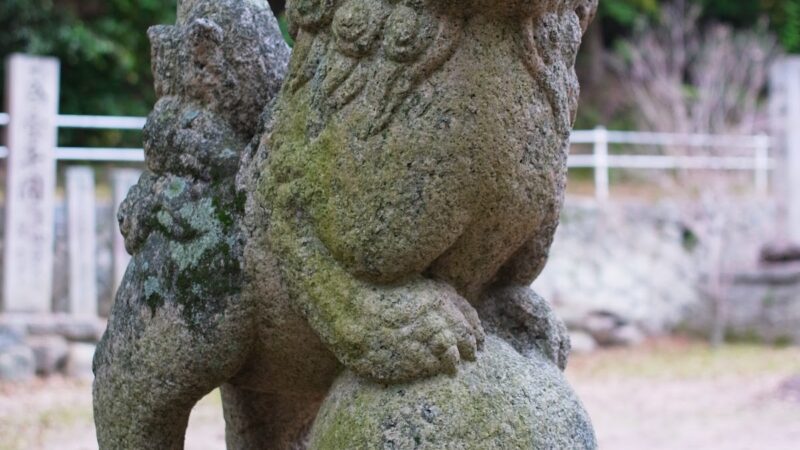
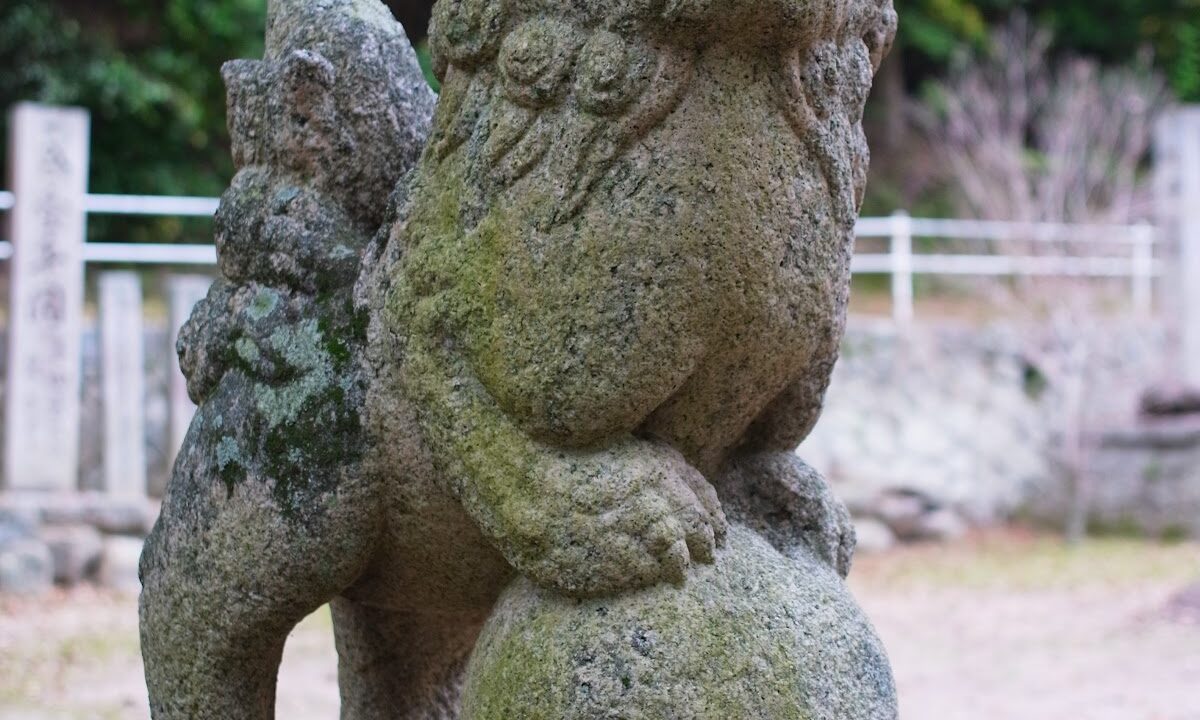
Stone sculptures and monuments that tell the story of history are placed within the shrine grounds. Stone sculptures such as guardian lion-dogs, lanterns, and water basins exhibit different styles depending on the era in which they were dedicated, visually conveying the history of the shrine.
Sacred Trees
Sacred trees, having stood for many years, symbolize the spiritual power of the shrine. Many shrines in Hiroshima Prefecture carefully protect giant trees over several hundred years old as sacred trees, conveying a sense of connection between nature and faith.
Annual Events and Festivals
Grand Festival
At Gokō Shrine, various festivals are held throughout the year. The annual grand festival, in particular, is the most important annual event for the shrine and serves as an opportunity for local residents to gather together.
The grand festival includes a procession of portable shrines, devotional performances, and the setting up of stalls, playing a role in strengthening the local community.
New Year’s Visit
The New Year’s visit to the shrine is an important event to pray for safety and prosperity throughout the year. From New Year’s Day to the third day, many worshippers visit Gokō Shrine to offer prayers for the new year.
Setsubun Festival
During Setsubun in February, traditional events such as bean-throwing are held. With the chant of “Fortune in, demons out!”, prayers are offered to ward off evil and invite good fortune.
Summer Purification Ceremony
The Summer Purification Ceremony (Nagoshi no Ōharae), held at the end of June, is a Shinto ritual to purify and cleanse away the impurities accumulated over the past six months. Traditional rituals such as passing through a ring of reeds are sometimes performed.
Autumn Harvest Festival
In autumn, a harvest festival is held to give thanks for the year’s bounty. A Shinto ritual is performed to express gratitude for a good harvest and to pray for a bountiful harvest in the coming year.
Etiquette and Manners for Worship
Basic Worship Methods
There are traditional manners for visiting a shrine. When visiting Gokō Shrine, observing the following basic manners will allow for a more heartfelt worship experience.
How to Pass Through the Torii Gate
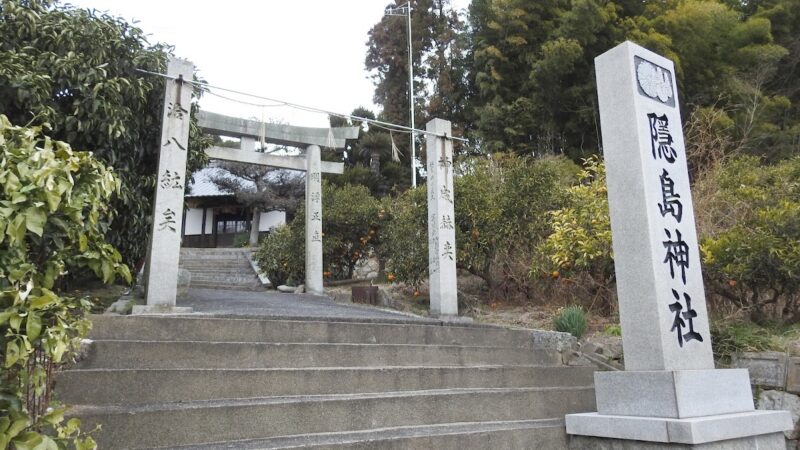
The torii gate is the entrance to the sacred area. Bow before passing through, and walk along the path avoiding the center. The center is considered the path of the gods.
How to Wash Your Hands
Purify your body and mind at the water basin. Hold the ladle in your right hand and wash your left hand, then switch to your left hand and wash your right hand, switch back to your right hand, receive water in your left hand, rinse your mouth, and finally, hold the ladle upright to wash the handle.
Worship at the Main Hall
Quietly place your offering, ring the bell, and worship using the “two bows, two claps, one bow” ritual. Bow deeply twice, clap your hands twice, and finally bow deeply once.
Attire for Worship
For special prayers, formal attire is preferable, but for regular worship, clean clothing is acceptable. However, be mindful that this is a sacred place and avoid revealing clothing.
Access and Surrounding Information
Access by Public Transportation
Access to Gokō Shrine is generally by walking from the nearest station or bus stop, or by taking a taxi. Shrines in Hiroshima Prefecture are scattered throughout various areas, including central Hiroshima City, Kure City, Higashihiroshima City, Fukuyama City, and Onomichi City.
Shrines within Hiroshima City are relatively easy to access, with well-developed public transportation options such as the Hiroshima Electric Railway (streetcar) and Hiroshima Bus.
Access by Car
Access by car is also possible. Hiroshima Prefecture has a well-developed highway network, including the Sanyo Expressway and Hiroshima Expressway, making it easily accessible from outside the prefecture.
We recommend checking parking availability in advance. This information can be found on the official websites of the Hiroshima Prefectural Shrine Association and each individual shrine.
Nearby Tourist Attractions
Besides Gokōjinja Shrine, Hiroshima Prefecture has many other attractive tourist spots.
Itsukushima Shrine (Miyajima)
One of Japan’s three most scenic spots and a World Heritage Site, Itsukushima Shrine is a beautiful shrine whose scenery changes with the tides. The large torii gate floating in the sea is a representative tourist attraction of Hiroshima.
Hiroshima Gokoku Shrine
Located near Peace Park in Naka Ward, Hiroshima City, this shrine enshrines the spirits of those who died in war from Hiroshima Prefecture. It is also known as a place to pray for victory for the Hiroshima Carp baseball team.
Shioya Shrine
Known for its blessings in matchmaking, this shrine is popular with visitors praying for success in love.
Daishoin Temple
A Shingon Buddhist temple located on Miyajima Island, recognized as a sacred place for lovers.
Nearby Cuisine and Hotels
Hiroshima Prefecture is known for its abundant cuisine, including okonomiyaki, oysters, and conger eel rice. After visiting the temple, enjoying local cuisine is highly recommended.
Regarding hotels, there are many hotels in the central area of Hiroshima City, making it a convenient base for sightseeing. Accommodation is also plentiful in tourist areas such as Miyajima and Onomichi.
Hiroshima Prefecture’s Shrine Culture and Gokarasu Shrine
Role of the Hiroshima Prefectural Shrine Association
The Hiroshima Prefectural Shrine Association is a local branch of the Association of Shinto Shrines, which oversees 80,000 shrines nationwide that consider Ise Grand Shrine as their head shrine. Through its 24 branches within the prefecture, it manages the affairs of over 2,400 shrines, including shrine maintenance, the continuation of rituals, and the training of Shinto priests.
Gokarasu Shrine also continues to preserve traditional shrine culture within this network of the Shrine Association.
Major Shrine Areas in Hiroshima Prefecture
Miyajima/Hatsukaichi Area
This is Hiroshima’s representative shrine area, centered around Itsukushima Shrine. Its majestic World Heritage site shrine buildings and the beautiful scenery of the Seto Inland Sea are its main attractions.
Hiroshima Area
Many shrines are scattered throughout the central part of Hiroshima City, including Hiroshima Gokoku Shrine. Shrines around Peace Park still retain stone structures that convey the memory of the atomic bombing.
Higashihiroshima/Kure/Mihara Area
Many shrines, such as Kameyama Shrine (the principal shrine of Kure City), are located here, attracting local faith. Kure City, which flourished as a naval town, also has shrines with unique histories.
Fukuyama/Onomichi Area
Numerous historical shrines exist around Senkoji Mountain in Onomichi and within Fukuyama City. These shrines are characterized by their scenic locations amidst the beautiful Seto Inland Sea landscape.
Prayers and Amulets at Gokō Shrine
Types of Prayers
Gokō Shrine offers a variety of prayers. Common prayers include:
- Prayer for Family Safety
- Prayer for Business Prosperity
- Prayer for Protection from Evil
- Prayer for Safe Childbirth
- First Shrine Visit for a Newborn
- Shichi-Go-San Ceremony
- Prayer for Traffic Safety
- Prayer for Success in Exams
- Prayer for Recovery from Illness
If you wish to receive a prayer, it is recommended to contact the shrine in advance to make a reservation.
Amulets and Souvenirs
The shrine offers a variety of amulets and souvenirs. You can receive amulets according to your purpose, such as traffic safety, academic success, matchmaking, and health and longevity.
Amulets are believed to contain a portion of the deity’s spirit, and it is thought that wearing them at all times will bring protection.
Gokō Shrine and the Local Community
Parishioner Organization and Community Activities
Gokō Shrine, as the local guardian shrine, is supported by its parishioner organization. Parishioners are local residents who worship the shrine’s guardian deity and cooperate in its maintenance and operation.
The parishioner organization supports the shrine through various activities, including managing festivals such as the annual grand festival, cleaning and maintaining the shrine grounds, and providing financial support.
Preservation of Local Traditional Culture
Shrines also play an important role in passing on local traditional culture to future generations. Traditional performing arts such as Kagura, Shishimai (lion dance), and Gagaku (court music) performed at festivals, as well as traditional techniques such as making Shimenawa (sacred ropes) and preparing Shinsen (offerings to the gods), have been preserved around shrines.
Gokō Shrine also functions as a place to preserve this local cultural identity.
Best Season for Visiting
Spring Visit
Spring is the season of new beginnings. Many people visit to pray for success at important life milestones such as entering school or starting a new job. During cherry blossom season, some shrines boast beautifully blooming cherry trees within their grounds.
Summer Visits
The summer festival is a major local event. You can experience the procession of portable shrines and the lively atmosphere of a summer festival. You can also purify yourself of the impurities accumulated over the past six months at the Summer Purification Ceremony.
Autumn Visits
Autumn is the season of harvest, a time to express gratitude for the bounty. At shrines with beautiful autumn foliage, you can enjoy the beauty of nature while visiting.
Winter Visits
The end of the year and the beginning of the new year are times when people visit shrines to mark the end of the year and the start of the new year. Many worshippers gather for the first shrine visit of the year. A winter visit in the quiet surroundings is also a good opportunity to calm the mind.
Shrine Pilgrimage in Hiroshima Prefecture and Gokō Shrine
Recommendation for Shrine Pilgrimage
Hiroshima Prefecture has over 2,400 shrines, each with its own unique history and blessings. A “shrine pilgrimage,” starting from Gokō Shrine and visiting surrounding shrines, is a great opportunity to gain a deeper understanding of Hiroshima’s history and culture.
Collecting Goshuin (Shrine Seals)
Collecting Goshuin, which has become popular in recent years, is another enjoyable aspect of shrine pilgrimage. Goshuin are ink writings and red seals given by shrines as proof of worship. Gokō Shrine may also offer Goshuin.
Bringing a Goshuincho (stamp book) and collecting them as a memento of your visit allows you to preserve a tangible record of your connection with the shrine.
Guidelines for Visiting Gokō Shrine
The Significance of Shrine Visits
Shrine visits are not merely sightseeing or places to make requests; they are opportunities to offer gratitude to the gods, purify one’s heart, and reflect on daily life. Having this mindset when visiting Gokōjinja Shrine will allow for a deeper pilgrimage experience.
The Connection Between Daily Life and Shrines
Shrines are places that can be visited not only at important life events, but also on a daily basis. Visiting the grounds during a stroll and spending quiet time there can bring peace of mind.
Gokōjinja Shrine, the local guardian shrine, is a familiar presence to local residents and is deeply connected to their daily lives.
Summary: The Charm of Gokōjinja Shrine
Gokōjinja Shrine is one of the shrines that embodies Hiroshima Prefecture’s rich shrine culture. Throughout its long history, it has gathered the faith of local residents and functioned as a center of the community.
Along with famous shrines such as the World Heritage site Itsukushima Shrine and Hiroshima Gokoku Shrine, locally rooted shrines like Gokōjinja Shrine are important supporting the spiritual culture of Hiroshima Prefecture.
When visiting, knowing the history and origins of the shrine and praying with sincerity and proper etiquette will lead to a deeper experience. When visiting Hiroshima Prefecture, be sure to visit Gokōjinja Shrine and experience the local faith and culture.
Hiroshima Prefecture boasts many other fascinating shrines. From Itsukushima Shrine on Miyajima Island to Hiroshima Gokoku Shrine in the heart of Hiroshima City, and Shioya Shrine, famous for matchmaking, each has its own unique characteristics. Enjoy a journey through Hiroshima’s shrines, including Gokoku Shrine, to gain a deeper understanding of Japanese traditional culture and Hiroshima’s history.
Shrines are places where local memories and prayers converge, connecting the past, present, and future. We hope your visit to Gokoku Shrine will be a truly enriching experience.