Complete Guide to Myoga Shrine (Onomichi City, Hiroshima Prefecture) | The Charm of Lemon-Themed Goshuin and Traditional Kagura
Myoga Shrine, located on Ikuchijima Island in Setoda-cho, Onomichi City, Hiroshima Prefecture, is known as a “miracle shrine to reach,” possessing a unique charm befitting an island in the Seto Inland Sea. It offers a variety of attractions, including a goshuin (shrine stamp) and amulet befitting Ikuchijima Island (famous for its lemons), traditional Kagura (sacred dance) dating back to the Muromachi period, and breathtaking views from a small hill.
This article comprehensively covers everything you need to know before visiting Myoga Shrine, from its history and goshuin information to access, highlights, and annual events.
Basic Information about Myōga Shrine
Location and Access
Location
3602 Myōga, Setoda-chō, Onomichi City, Hiroshima Prefecture 722-2415
Nearest Station/Bus Stop
- Approximately 2 hours and 40 minutes on foot (approx. 8km) from JR Kure Line “Sunami Station”
- Approximately 11 minutes on foot (approx. 824m) from the “High School” bus stop
Access by Car
To reach Ikuchijima Island from the mainland, use the Ikuchijima North IC or Ikuchijima South IC. Access is possible via the Shimanami Kaido. Please be careful when driving as some roads around the shrine are narrow.
History and Origins of Myōga Shrine
While there are no clear records regarding the founding date of Myōga Shrine, it is inferred from the history of Myōga Kagura (a type of Shinto ritual dance) that it already existed as a center of local faith during the Muromachi period. The origins of the Myoga Kagura are said to lie in the kagura performances offered by the islanders to appease the plague and drought that struck Ikuchijima Island during the Muromachi period. It is believed that the shrine already functioned as a spiritual pillar for the community at this time.
The place name Myoga is said to originate from the myoga ginger (myoga) that grew wild in this region, suggesting that it was a naturally rich area from ancient times.
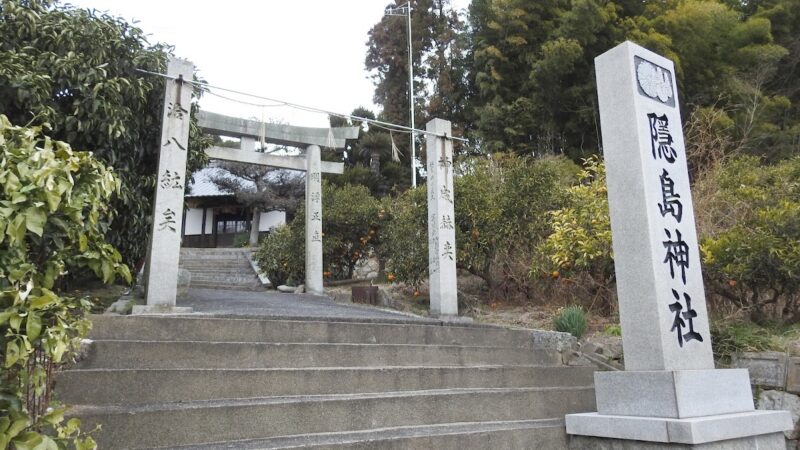
The Myoga Shrine, situated on a small hill, overlooks the entire Myoga settlement and has long been revered by local residents as the guardian deity of the community. It continues to be carefully preserved by local people, and traditional events are passed down through generations.
Deities and Blessings of Myoga Shrine
While detailed records of the deities of Myoga Shrine are limited, they are believed to be guardian deities of the region, offering blessings for abundant harvests, family safety, and maritime safety.
Especially on Ikuchijima Island, where fishing and citrus cultivation are thriving, many worshippers visit to pray for a bountiful catch and a good harvest, making it an important place to pray for the prosperity of local industries.
Highlights of Myōga Shrine
Spectacular Views from a Small Hill
Myōga Shrine is situated on a small hill, and from the grounds you can enjoy a panoramic view of the Myōga settlement and the beautiful Seto Inland Sea. Especially on clear days, the beautiful archipelago of the blue sea and islands, along with the tranquil landscape of citrus groves, soothes the hearts of visitors.
The path leading up to the shrine is surrounded by nature that changes with the seasons, allowing you to enjoy the beauty of each season, from the fresh greenery in spring to the vibrant autumn leaves.
Why it’s Called “The Shrine of Miracles”
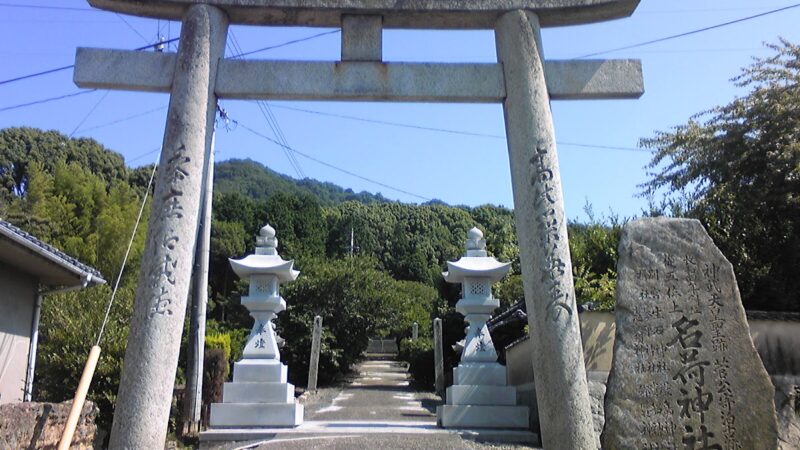
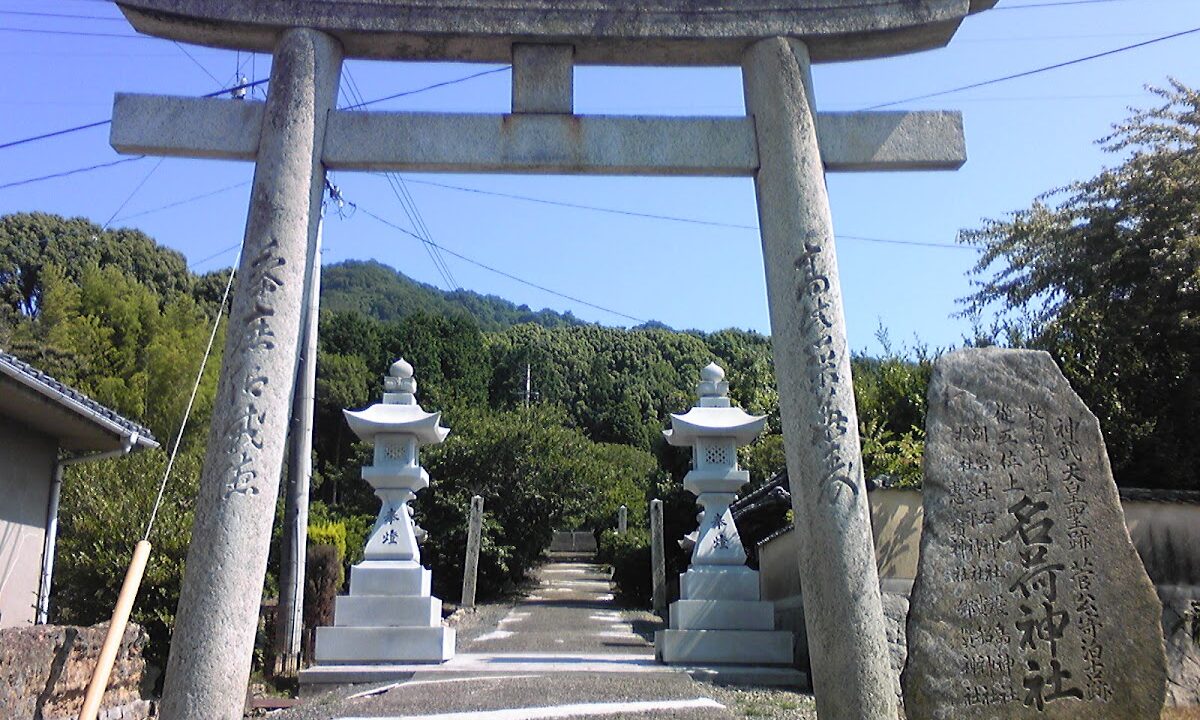
Myōga Shrine is known by the nickname “The Shrine of Miracles.” This doesn’t mean the shrine is in a remote, secluded location; rather, it’s situated on Ikuchijima Island, deep within the settlement, making it difficult to reach unless you consciously seek it out.
Many tourists traveling along the Shimanami Kaido simply pass through Ikuchijima, visiting only the well-known tourist spots. However, by extending your trip to Myōga Shrine, you can experience the authentic island life and faith, unspoiled by tourism. This “hidden gem” charm offers visitors a truly special experience.
Atmosphere and Architecture of the Shrine Grounds
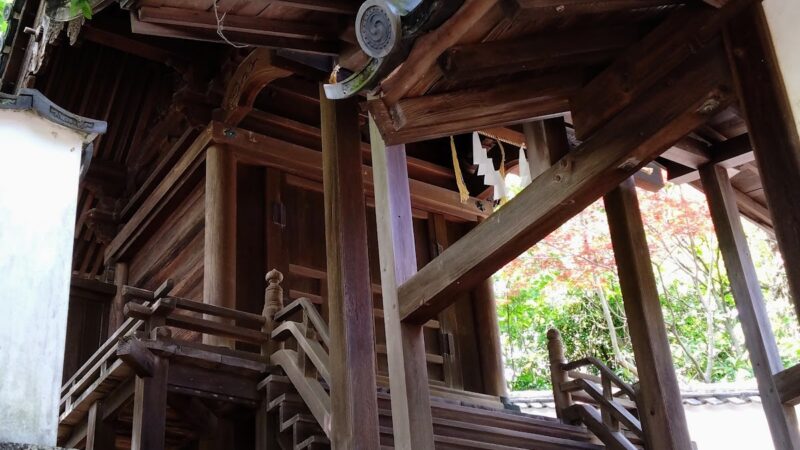
Myōga Shrine grounds, while lacking ostentatious decorations, are characterized by a simple and warm atmosphere. Carefully maintained by local residents, the grounds are clean and offer a quiet and peaceful space for worship.
The main hall and worship hall retain the traditional style of shrine architecture, making them valuable representations of the region’s history and culture. Especially when Kagura (sacred dance) is performed, the grounds become a stage for the islanders’ faith and traditional performing arts, enveloped in a uniquely sacred atmosphere.
Lemon and Mandarin Orange Goshuin (Shrine Seals) and Amulets
Unique Goshuin Only Available on Ikuchijima Island
One of the most distinctive features of Myōga Shrine is its goshuin (shrine seals) featuring lemons and mandarin oranges, specialties of Ikuchijima Island.
Lemon Goshuin
Ikuchijima Island is known as the “Island of Lemons” and boasts the highest production volume of domestically grown lemons in Japan. The goshuin, symbolizing this specialty, features illustrations and stamps of yellow fruit, resulting in a vibrant and charming design.
Mandarin Orange Goshuin
Another specialty of Ikuchijima Island, alongside lemons, is mandarin oranges. Taking advantage of the island’s warm climate, citrus cultivation thrives, and a goshuin featuring mandarin oranges is also available. It features a warm, orange-colored design.
These goshuin are truly unique to Ikuchijima Island, combining the shrine’s faith with local industry, and are very popular among goshuin collectors.
Lemon and Mandarin Orange Amulets
Similar to the Goshuin (temple/shrine stamps), amulets featuring lemons and mandarin oranges are also available. These amulets are popular as souvenirs of visits to Ikuchijima Island, and feature a charming, heartwarming design that blends the fresh image of citrus fruits with the blessings of the shrine.
These offerings, harmonizing local specialties with the shrine’s traditions, are a unique service of Myōga Shrine and are greatly appreciated by visitors.
Hiroshima Prefecture Intangible Folk Cultural Property “Myōga Kagura”
History and Origin of Myōga Kagura
Myōga Kagura is a traditional performing art that originated in the Muromachi period when islanders offered Kagura (sacred dance) to appease the plagues and droughts that struck Ikuchijima Island. This Kagura, performed to pray for a bountiful harvest and family safety, retains many ancient performances and was designated a Hiroshima Prefecture Intangible Folk Cultural Property in 1968 (Showa 43).
The Naka Kagura, with its long history dating back to the Muromachi period, is an important part of Ikuchijima Island’s cultural identity and has been carefully preserved by the local residents. Even today, efforts to pass on the traditional dance continue, and it is protected as a valuable cultural heritage of the island.
Characteristics and Repertoire of Naka Kagura
The most distinctive feature of Naka Kagura is its unique atmosphere, a blend of ancient tradition and simplicity. Rather than ostentation, it is a sincere and robust form of Kagura, emphasizing heartfelt prayer and gratitude to the gods.
The dancers carry gohei (paper streamers) and fans, performing the Kagura solemnly. Many of the repertoire preserves ancient forms, and there is a possibility that valuable forms that have been lost in other regions are still being preserved.
The dedication of Kagura is not merely a performance of art, but has a strong religious significance as an offering to the gods, and those who watch can feel its sacred atmosphere.
Dates and Viewing Information for the Myōga Kagura Performance
The Myōga Kagura is performed annually on the first Sunday of April at Myōga Shrine. This is an important local event, attracting many spectators from both within and outside the island.
Date and Time
The first Sunday of April every year (times may vary from year to year, so advance confirmation is recommended)
Venue
Myōga Shrine grounds
Viewing
General public viewing is possible. However, as this is a sacred ritual, please observe quiet and respectful manners regarding photography, etc.
Visiting on the day of the Myōga Kagura allows you to experience the true essence of Myōga Shrine, where traditional culture thrives, something you can’t experience during a regular visit.
About Ikuchijima Island
Ikuchijima Island as the Lemon Island
Ikuchijima Island is located in Setoda-cho, Onomichi City, Hiroshima Prefecture, and is one of the islands of the Shimanami Kaido. Known nationwide as the “Island of Lemons,” Ikuchijima Island thrives on citrus cultivation, taking advantage of the warm climate of the Seto Inland Sea.
Ikuchijima boasts the highest production volume of domestically grown lemons in Japan, with lemon groves spreading throughout the island. During harvest season, the island is adorned with yellow fruits. Besides lemons, various other citrus fruits such as mandarins, navel oranges, and hassaku oranges are cultivated, earning it the nickname “Island of Citrus.”
Tourist Attractions on Ikuchijima Island
When visiting Myoga Shrine, we recommend also visiting other tourist attractions on Ikuchijima Island.
Kosanji Temple
A representative tourist spot on Ikuchijima Island, showcasing magnificent temple architecture sometimes referred to as the “Nikko of the West.”
Hirayama Ikuo Museum of Art
A museum exhibiting the works of Hirayama Ikuo, a Japanese painter from Ikuchijima Island. You can admire his works themed around the Silk Road.
Setoda Sunset Beach
A beach where you can enjoy beautiful sandy shores and crystal-clear waters. It is also known as a famous spot for sunsets.
Shimanami Kaido Cycling
Ikuchijima Island is part of the Shimanami Kaido cycling route and is a popular spot for cyclists.
Access to Ikuchijima Island
Access by Car
- From Honshu: Use the Nishiseto Expressway (Shimanami Kaido) at Ikuchijima North IC or Ikuchijima South IC
- From Shikoku: Head north on the Shimanami Kaido
Access by Ferry
- There is a route from Onomichi Port to Setoda Port (Ikuchijima Island)
- There is a route from Mihara Port to Setoda Port
Public Transportation
Buses also operate, but the number of services is limited, so it is recommended to check the timetable in advance.
Attractions around Myoga Shrine
Kakiyama and Kannonyama
There are also hiking spots such as Kakiyama and Kannonyama around Myoga Shrine. These mountains, though not particularly high in elevation, are popular with hiking enthusiasts for their spectacular views overlooking the islands of the Seto Inland Sea.
Visiting these mountains after visiting the Myōga Shrine allows you to experience the nature of Ikuchijima Island more deeply.
Scenery of Myōga Village
Myōga Village is a quiet settlement where traditional island life remains. Houses surrounded by citrus groves, narrow alleys, and stone walls create a landscape typical of Seto Inland Sea islands.
The unspoiled scenery of this untouched settlement evokes a sense of Japan’s original landscape. You can enjoy a leisurely stroll and savor the slow pace of island life.
Points and Manners for Visiting Myōga Shrine
Etiquette for Visiting Shrine
When visiting Myōga Shrine, follow the general etiquette for visiting a shrine.
- Bow before passing through the torii gate.
- Walk along the approach to the shrine, avoiding the center.
- Purify your hands and mouth at the purification fountain (this step can be omitted if there is no purification fountain).
- Bow twice, clap twice, and bow once in front of the main hall.
- Bow once again at the torii gate on your way out.
Points to Note When Visiting
Road Conditions There are narrow roads around the shrine. When visiting by car, please be careful of oncoming traffic and drive safely.
Parking Space There is no large dedicated parking lot, so please be considerate and park in a place that does not inconvenience others.
Goshuin (Shrine Seal) Issuance The priest may not always be present to issue goshuin or amulets. If you wish to be sure to receive them, it is recommended to inquire in advance.
Photography Photography is generally permitted on the shrine grounds, but during Shinto rituals such as Kagura performances, please observe proper photography etiquette and be considerate so as not to disrupt the sacred atmosphere.
Best Season to Visit Myōga Shrine
Spring (March-May)
The Myōga Kagura performance on the first Sunday of April is the main highlight. This is a rare opportunity to witness traditional Kagura, making a visit during this time highly recommended. It’s also the season when citrus blossoms bloom, enveloping the entire island in a delicate fragrance.
Summer (June-August)
This season is beautiful with the blue sea and sky of the Seto Inland Sea and lush citrus groves. While the heat can be intense, you can enjoy the island’s relaxed and open atmosphere.
Autumn (September-November)
The citrus harvest season begins, bringing the island to life. The mild climate makes it a pleasant time to visit, and it’s an ideal season for sightseeing.
Winter (December-February)
Enjoy the tranquil winter scenery of the Seto Inland Sea. It’s a quiet time with fewer tourists, making it recommended for those who want to visit the shrine at a leisurely pace. It’s also the peak season for lemon harvesting.
Local Cuisine and Souvenirs Around Myoga Shrine
Citrus Cuisine of Ikuchijima Island
When visiting Ikuchijima Island, enjoy local cuisine made with lemons and mandarins.
- Lemon Cake/Lemon Sweets: Sold at several shops on the island
- Citrus Juice: Enjoy freshly squeezed juice
- Lemon Hot Pot: A specialty dish of Setoda
- Seafood Dishes with Citrus: The combination of local seafood and lemon is outstanding
Recommended Souvenirs
- Ikuchijima Lemons: Fresh, domestically grown lemons for personal use or as souvenirs
- Lemon Cake/Baked Goods: Long shelf life makes them ideal souvenirs
- Citrus Products: Jams, marmalades, dressings, etc.
- Myoga Shrine Amulets/Goshuincho (Stamp Books): A memento of your visit
Myoga Shrine’s Social Media and Information Dissemination
Myoga Shrine disseminates information through its official Instagram account (@myoga_jinjya). The account features posts about the shrine grounds, seasonal scenery, and event information, so checking it before your visit will be helpful.
With over 2,000 followers, and accompanied by the catchphrase “A miraculous shrine to reach,” it’s clear the shrine is beloved by many.
Summary: Myōga Shrine is a hidden treasure of Ikuchijima Island
Myōga Shrine is a simple yet deeply charming shrine located on Ikuchijima, a beautiful island in the Seto Inland Sea.
The adorable goshuin (shrine stamps) and amulets featuring lemons and oranges, the traditional Myōga Kagura dance that has continued since the Muromachi period, the spectacular view from the hill, and the special feeling of “it’s a miracle to reach it”—all of these enhance the value of visiting Myōga Shrine.
Myōga Shrine, where you can experience the authentic island life and faith that haven’t been commercialized for tourism, is truly a hidden treasure of Ikuchijima Island. When visiting the Shimanami Kaido, why not extend your trip a little and pay your respects at Myōga Shrine?
A special experience awaits you: offering prayers in the tranquil temple grounds, feeling the breeze of the Seto Inland Sea, and reflecting on the island’s history and culture.