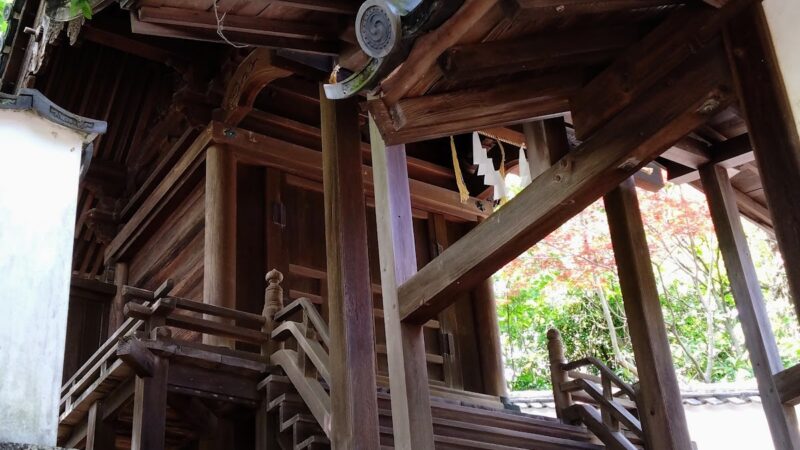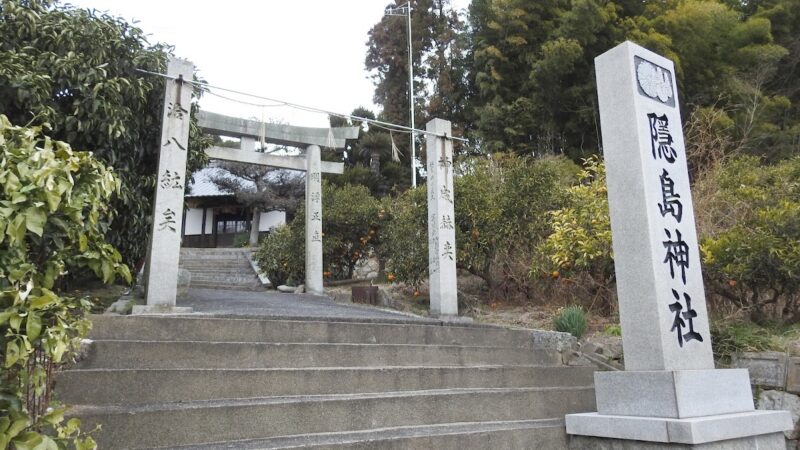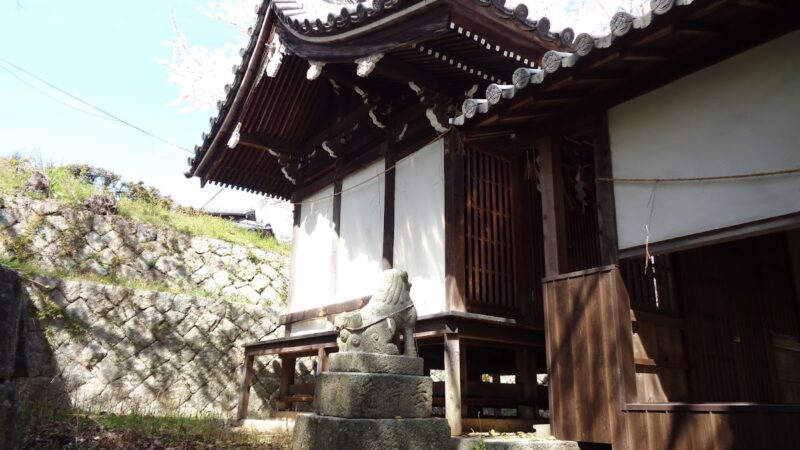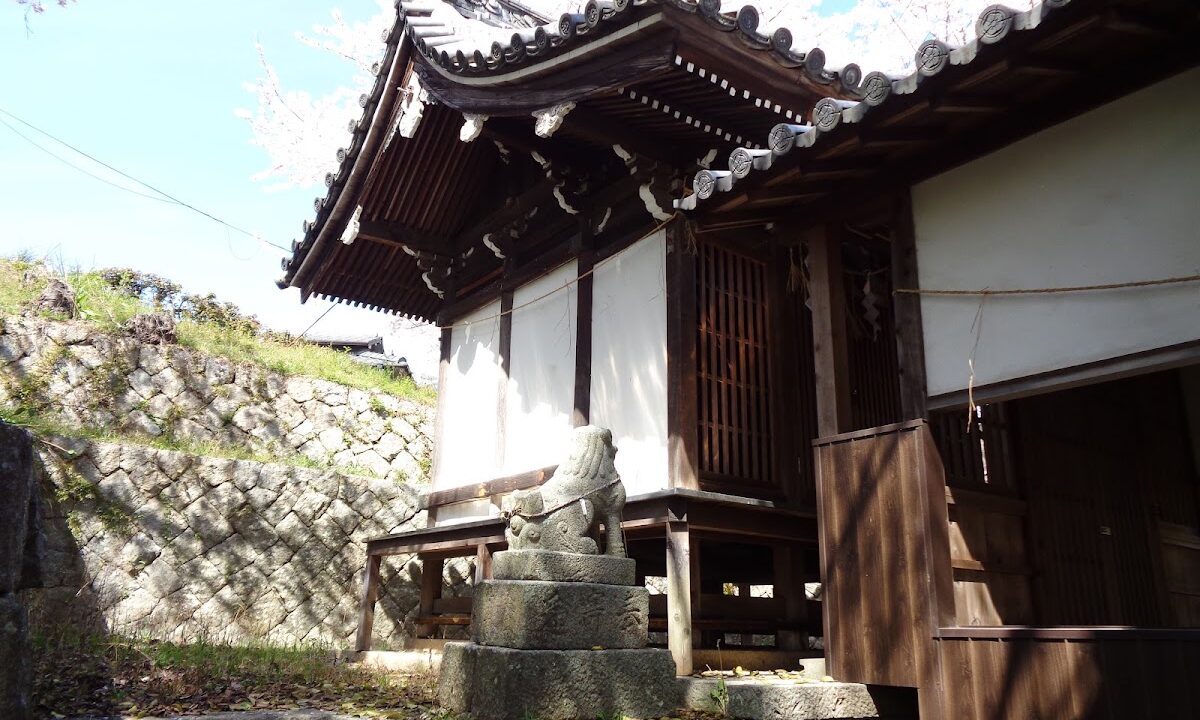
Daieki Shrine (Onomichi City, Hiroshima Prefecture) Complete Guide | History, Benefits, and Access Explained in Detail
Daieki Shrine, located in Shigei-cho, Innoshima, Onomichi City, Hiroshima Prefecture, is a shrine known for its blessings of protection against epidemics and healing from illness. Situated in the tranquil environment of Innoshima, one of the islands scattered throughout the Seto Inland Sea, this historic shrine has continuously protected the health and well-being of the local people and continues to attract many worshippers.
This article provides a thorough explanation of Daieki Shrine, from detailed information to access methods, blessings, and a comparison with other shrines in the area known for healing illnesses and cancer prevention.
Basic Information about Daieki Shrine
Location
Address: 2938 Shigei-cho, Innoshima, Onomichi City, Hiroshima Prefecture
Daieki Shrine is located in the Shigei-cho district of Innoshima, an island off the coast of Onomichi City. Innoshima is connected to the mainland by a bridge and is accessible from both the Honshu and Shikoku sides as part of the Shimanami Kaido. Shigei-cho is located in the southeastern part of Innoshima Island, a quiet area overlooking the calm Seto Inland Sea.
Deities and Benefits
The deity enshrined at Ooyaku Shrine is the god who presides over epidemics, and has been believed since ancient times to offer protection against disease and healing from illness. Due to its name, “Ooyaku” (大疫), it has been worshipped as a god that protects people from epidemics and infectious diseases.
Main Benefits:
- Protection from Epidemics
- Healing from Illness
- Health and Longevity
- Good Health and Protection from Illness
The belief that worshipping a god who presides over epidemics paradoxically protects one from disease is a common characteristic of epidemic shrines throughout Japan. Even today, worshippers seeking good health visit the shrine.
How to Access Ooyaku Shrine
Access from the Nearest Station/Line
When accessing Ooyaku Shrine by public transport, the JR Sanyo Main Line is the nearest line.
Access from Itozaki Station
- Travel Time: Approximately 1 hour 20 minutes on foot
- Distance: Approximately 6.5 km
Access from Itozaki Station is difficult on foot alone, as it requires crossing to Innoshima Island. Bus or taxi use is necessary.
Access from Sunami Station
- Travel Time: Approximately 1 hour 23 minutes on foot
- Distance: Approximately 7 km
Similarly, transportation to Innoshima Island is required from Sunami Station.
Nearest Bus Stop and Route
The nearest bus stop is Kubo-iriguchi Bus Stop.
- Bus Stop Name: Kubo-iriguchi
- Travel Time: Approximately 3 minutes on foot from the bus stop
- Operating Company: Innoshima Kotsu (Innoshima Route Bus)
If using the bus, take a bus that circulates around Innoshima Island from Onomichi Station or Innoshima Habu Port, and get off at Kubo-iriguchi Bus Stop. Bus services are limited, so it’s necessary to check the timetable in advance.
Access by Car
Via Shimanami Kaido
- From Honshu: Exit the Nishiseto Expressway (Shimanami Kaido) at Innoshima Kita IC or Innoshima Minami IC.
- From Shikoku: Use the Shimanami Kaido in the same way.
- After exiting the IC, take the prefectural road on Innoshima Island towards Shigei-cho.
- Travel time: Approximately 15 minutes from Innoshima Kita IC, approximately 10 minutes from Innoshima Minami IC.
There may not be dedicated parking lots around the shrine, so please be considerate of local residents when visiting.
Access by Ferry
Innoshima can also be accessed by ferry from Mihara Port or Onomichi Port on the Honshu side.
- Mihara Port to Innoshima Habu Port: Approximately 30 minutes
- Onomichi Port to Innoshima Habu Port: Approximately 40 minutes
After arriving at Habu Port, take a bus or taxi towards Shigei-cho.
History and Origins of Ooyaku Shrine
Background of Founding
While detailed records of the founding date of Ooyaku Shrine are not available, it has long been revered by local residents as a center of faith for warding off epidemics in the Innoshima region.
The islands of the Seto Inland Sea were important hubs for maritime traffic, leading to frequent outbreaks of epidemics. Therefore, faith in gods to protect people from disease arose in various places, and Ooyaku Shrine is thought to have played an important role as one of them.
Connection with the Community
As the tutelary shrine of Shigei-cho in Innoshima, it has been central to local festivals and annual events. It is said that many people visited the shrine to pray for good health, especially during times of epidemic outbreaks.
Even today, the site is maintained by local residents, and a quiet yet profound faith is being passed down through generations.
Etiquette and Manners for Visiting a Shrine
Basic Etiquette for Visiting a Shrine
- Bow before passing through the torii gate.
- Purify your body and mind at the water basin (if one is available).
- Take the ladle with your right hand and purify your left hand.
- Switch the ladle to your left hand and purify your right hand.
- Switch the ladle back to your right hand, receive water in your left hand, and rinse your mouth.
- Finally, hold the ladle upright and purify the handle.
- Two bows, two claps, and one bow in front of the main hall.
- Bow deeply twice.
- Clap your hands twice at chest height.
- Pray with sincerity.
- Finally, bow deeply once.
Points to Note When Visiting a Shrine
- The center of the approach to the shrine is considered the path of the gods, so try to walk along the edges.
- Photography is only permitted if allowed.
- Visit quietly and refrain from loud conversations.
- Remember to be considerate of the surrounding residents, as this is also a living space for local people.
Regarding Goshuin (Shrine Seals):
Regarding the issuance of Goshuin at Ooyaku Shrine, there may not be a permanently staffed shrine office. If you wish to receive a Goshuin, it is recommended to inquire in advance with the Onomichi City Shrine Association or Tourist Association.
At smaller shrines, the chief priest is often not permanently stationed, and prior contact may be necessary. Those wishing to receive a Goshuin as a memento of their visit should plan their visit with ample time.
Comparison with Shrines in Hiroshima Prefecture for Cancer Prevention and Healing
This section introduces shrines in Hiroshima Prefecture that are said to offer blessings for cancer prevention and healing, and are worth visiting in conjunction with Ooyaku Shrine.
Miwa Myojin Hiroshima Branch Shrine (Nishi-ku, Hiroshima City)
Location: 3-chome, Koiue, Nishi-ku, Hiroshima City
This shrine was founded by enshrining a divided spirit from Omiwa Shrine, the oldest shrine in Japan, located in Sakurai City, Nara Prefecture.
Features:
- Deity: Ōmononushi-no-Ōkami
- Benefits: Protection against cancer, healing from illness, healing from all diseases
- Cancer Protection Amulet: Available for 700 yen
- Sacred Water: Features sacred water believed to be effective against all diseases
- Prayer: Prayers for healing from illness can be received
The main shrine, Ōmiwa Shrine, enshrines the god of medicine and the god of healing from illness, and this branch shrine in Hiroshima attracts many worshippers.
Hiroshima Tōshōgū (Higashi-ku, Hiroshima City)
Location: 2-chome, Futaba-no-sato, Higashi-ku, Hiroshima City
This is one of the Tōshōgū shrines that enshrines Tokugawa Ieyasu as its principal deity.
Features:
- Deity Enshrined: Tokugawa Ieyasu (Toshō Daigongen)
- Benefits: Health and longevity, recovery from illness, good fortune
- Health and Longevity Amulet: An amulet inspired by Ieyasu’s long life
- Access: Within walking distance of JR Hiroshima Station
Ieyasu lived to the age of 75, a rare longevity for his time, so the shrine is believed to offer benefits for health and longevity.
Susanoo Shrine (Hiroshima City)
Features:
- Deity Enshrined: Susanoo-no-Mikoto and two other deities
- Benefits: Protection from disease, warding off evil, recovery from illness
- Somin Shrine: The Somin Shrine within the grounds is a powerful spot for protection against disease.
Susanoo-no-Mikoto is known as the god of warding off disease, and the two deities are believed to offer powerful protection against disease. ### Otogashira Shrine (Hatsukaichi City)
Location: Imose-no-Taki, Hatsukaichi City, Hiroshima Prefecture
Features:
- Founding: 11th year of Emperor Suiko’s reign (603 AD), over 1400 years of history
- History: Founded as a subsidiary shrine of Itsukushima Shrine
- Benefits: Exorcism of plagues, healing of illnesses
- Features: Revered nationwide since ancient times as a symbol of exorcism of plagues
It has long been worshipped as the tutelary deity of the Ono region and as a symbol of exorcism of plagues.
Itsukushima Shrine (Hatsukaichi City)
Location: Miyajima-cho, Hatsukaichi City, Hiroshima Prefecture
Features:
- World Cultural Heritage Site/National Treasure
- Prayer for Recovery from Illness: Formal prayers can be received
- Divine Robe Amulet: Given as an amulet for recovery from illness
- Access: Approximately 10 minutes by ferry from Miyajimaguchi
Even the world-famous Itsukushima Shrine offers prayers for recovery from illness and bestows amulets.
Shrines Offering Cancer Prevention Amulets by Mail Order
For those living far away or those unable to visit in person, some shrines offer amulets by mail order.
Major Shrines Offering Mail-Order Services
- Omiwa Shrine (Sakurai City, Nara Prefecture)
- Head shrine of the Hiroshima branch of Miwa Myojin Shrine
- Offers cancer protection amulets by mail
- Applications can be made through the official website
- Some Larger Shrines
- Requires inquiry by phone or website
- Often mailed after payment of the offering fee
Points to Note
- Direct visit is considered most desirable
- Even when receiving by mail, it is important to pray with sincerity
- Shipping fees may be required in addition to the offering fee
- Always check the official website or call before applying
Suitable Time and Season for Visiting
Recommended Time for Visiting
Spring (March-May)
- Mild weather, suitable for visiting
- A beautiful season for viewing the Seto Inland Sea
Autumn (September-November)
- Comfortable temperatures
- Enjoy the nature of Innoshima during the autumn foliage season
Visiting Hours
While shrines are generally open for worship from sunrise to sunset, smaller shrines like the Ooyaki Shrine may have no specific time restrictions. However, it is advisable to avoid visiting early in the morning or after sunset out of consideration for local residents.
Recommended Time: 9:00 AM to 4:00 PM
Nearby Tourist Spots
Here are some spots you might want to visit when you come to Innoshima.
Innoshima Suigun Castle
A museum where you can learn about the history of the Murakami Suigun (Murakami Naval Force). The building is modeled after the castle of the Innoshima Murakami clan, and you can learn about the history of the pirates (naval forces) of the Seto Inland Sea.
Shirataki Mountain
The highest peak on Innoshima, offering panoramic views of the Seto Inland Sea’s many islands from the summit. The Five Hundred Arhats stone statues are also a highlight.
Innoshima Bridge
One of the bridges on the Shimanami Kaido. The view from the bridge is spectacular.
Former Pyrethrum Cultivation Site
Innoshima was once a major production area for pyrethrum. There are monuments and other relics that commemorate its history.
Attire and Items to Bring When Visiting a Shrine
Attire
- Basic: Clean and understated clothing
- Avoid: Extremely revealing clothing, sandals (if walking long distances)
- Seasonal: Sun protection in summer, warm clothing in winter
- Comfortable walking shoes: Requires walking from bus stops and parking lots
Items to Bring
- Small change: For offerings (5 yen, 50 yen, etc.)
- Goshuincho (stamp book): If you wish to receive a Goshuin (stamp)
- Camera: For commemorative photos (be mindful of areas where photography is prohibited)
- Drinks: Especially in summer, to prevent heatstroke
- Bus timetable: If using public transportation
- Map/Smartphone: For navigation
How to Pray for Recovery from Illness and Prevention of Cancer
Effective Way to Visit a Shrine
- Pray with a calm mind
- Stand before the shrine with a calm heart, away from the hustle and bustle of everyday life.
- Specific Prayers
- Pray specifically, such as “May my illness be cured.”
- If you wish for the health of your family, express that.
- Expressing Gratitude
- Express gratitude not only for your wishes but also for your daily health.
- Continuous Visits
- Visit regularly if possible.
- When your wish is granted, don’t forget to offer thanks.
How to Handle Amulets
- Wear it: Keep it close at all times (wallet, bag, etc.)
- Keep it Clean: Handle it with care.
- Replace it Every Year: Return old amulets to the shrine.
- It’s Okay to Have Multiple Amulets: It’s fine to have amulets from different shrines.
Practical Plan Example for Visiting the Great Plague Shrine
Day Trip Plan (From Hiroshima City)
9:00 Departure from Hiroshima City (by car)
10:00 Arrive at Innoshima Kita IC
10:15 Arrive at and visit Ooyaku Shrine (30 minutes)
11:00 Visit Innoshima Suigun Castle (1 hour)
12:00 Lunch (Innoshima seafood cuisine)
13:30 Stroll around Shirataki Mountain (1.5 hours)
15:00 Depart Innoshima
16:00 Return to Hiroshima City
Public Transportation Plan
8:00 Depart Hiroshima Station
8:30 Arrive at Mihara Station, transfer to Mihara Port
9:00 Ferry departs Mihara Port
9:30 Arrive at Innoshima Habu Port
9:45 Take a bus to Kubo Entrance
10:00 Visit Ooyaku Shrine
11:00 Return to Habu Port by bus
12:00 Lunch and island sightseeing
15:00 Ferry departing from Habu Port
16:00 Return trip towards Hiroshima
*Due to the limited number of buses, it is necessary to check the timetable in advance.
Summary
Ooyaku Shrine (Shigei-cho, Innoshima, Onomichi City, Hiroshima Prefecture) is a historical shrine with blessings for protection against epidemics and healing from illness. Located on the island of Innoshima, it has quietly maintained its faith as the local guardian deity and continues to welcome worshippers.
While access is somewhat inconvenient, it can be reached from both Honshu and Shikoku via the Shimanami Kaido. Enjoying the beautiful scenery of the Seto Inland Sea while quietly praying for good health will be a valuable opportunity to heal the fatigue of daily life.
Within Hiroshima Prefecture, there are several shrines with blessings for protection against cancer and healing from illness, including Miwa Myojin Hiroshima Branch Shrine, Hiroshima Toshogu Shrine, and Ootoshi Shrine. Each has its own characteristics, allowing you to choose a place to visit according to your situation and beliefs.
Prayers for recovery from illness and good health should be combined not only with visits to shrines but also with appropriate treatment at medical institutions. A positive attitude towards treatment, while using prayer to the gods as a source of inner support, is paramount.
We hope that your visit to the Great Plague Shrine will contribute to your peace of mind and good health.