Myooin Complete Guide: A Thorough Explanation of Famous Temples and National Treasure Buildings Nationwide
There are several temples named Myooin throughout Japan, each possessing its own unique history and cultural assets. This article comprehensively explains the historical background, cultural assets, characteristics of the sect, and visiting information for Myooin temples in various locations, including Fukuyama City, Hiroshima Prefecture (which boasts a National Treasure building), Kamakura City, Okayama Prefecture, and Kyoto City.
What is Myooin?: Origin of the Name and Nationwide Distribution
The temple name Myooin originates from the Buddhist term “Myoo.” Myoo are deities in Esoteric Buddhism, with the Five Great Myoo, led by Fudo Myoo, being well-known. This name is frequently found in temples of Esoteric Buddhist sects such as Shingon and Tendai.
There are several temples named Myooin throughout Japan, the most notable of which are listed below:
- Myooin in Fukuyama City, Hiroshima Prefecture: An ancient temple of the Shingon sect, Daikakuji branch, possessing a National Treasure main hall and five-story pagoda.
- Myooin in Kamakura City, Kanagawa Prefecture: A Shingon sect, Omuro branch temple established by Fujiwara Yoritsune, the fourth shogun of the Kamakura shogunate.
- Myooin in Asakuchi City, Okayama Prefecture: A Tendai sect temple established by Dengyo Daishi Saicho.
- Myooin Fudoji in Kyoto City: A Shingon sect, Toji branch temple, known as “Matsubara Fudoji.”
- Myooin in Otsu City, Shiga Prefecture: A branch temple of Enryakuji Temple on Mount Hiei, and a training dojo founded by Abbot So-o.
Each temple has its own distinct historical background and regional characteristics, yet has developed as a center of esoteric Buddhism.
Myooin Temple, Fukuyama City: An Ancient Temple of the Shingon Daikakuji School Boasting National Treasure Architecture
History and Founding
Located in Kusado-cho, Fukuyama City, Hiroshima Prefecture, Myooin Temple, formally known as Nakadozan Enkoji Myooin, is an ancient temple belonging to the Shingon Daikakuji school. It is said to have been founded by Kukai (Kobo Daishi) in 807 AD.
Situated near the middle of Mount Atago, it overlooks the famous Kusado Senken-machi ruins, a medieval town site. Kusado Senken was a thriving port town at the mouth of the Ashida River during the medieval period, and Myooin Temple is a historical witness to its prosperity.
National Treasures: Main Hall and Five-Storied Pagoda
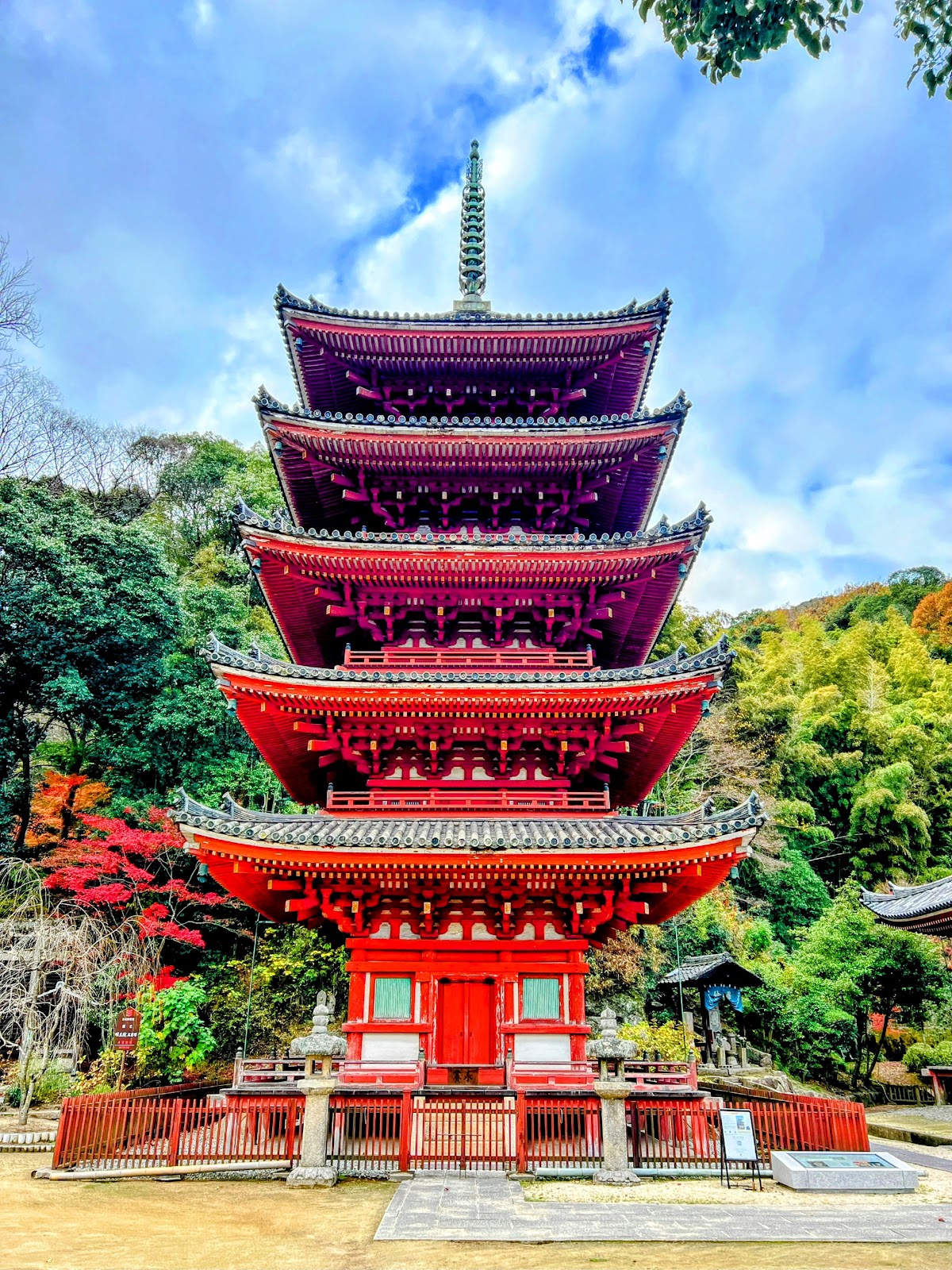
The most distinctive feature of Myooin Temple in Fukuyama City is its possession of two National Treasure buildings: the Main Hall and the Five-Storied Pagoda.
Features of the Main Hall
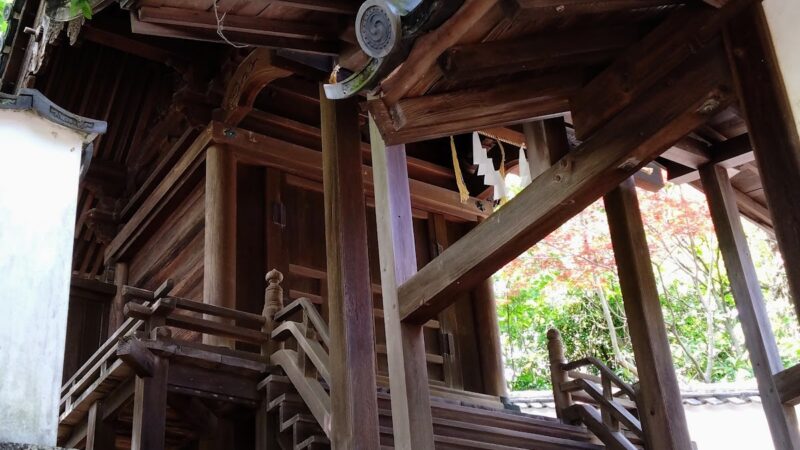
The main hall, built in the late Kamakura period, is an eclectic architectural style that combines Japanese style with elements of Zen Buddhist style (Tang style). Inside, the Eleven-Faced Kannon Bodhisattva is enshrined as the principal image. As a valuable surviving example from a transitional period in architectural style, it holds extremely important historical significance in architecture.
Features of the Five-Storied Pagoda
The five-storied pagoda is believed to have been built during the Oei era (1394-1428) and is the oldest five-storied pagoda in the Chugoku region. Its elegant form, approximately 30 meters tall, is considered a masterpiece that embodies the essence of Japanese architectural style. The tapering ratio of the roofs on each level is beautiful, and the overall balance is outstanding.
Both structures were designated National Treasures in 1954 (Showa 29) and have been carefully preserved to this day.
Relationship with Fukuyama Domain
In 1622, when Mizuno Katsunari became the lord of Fukuyama Domain, Myooin Temple came under the patronage of the lord. It was positioned as a prayer temple for successive lords, and its land holdings were secured, along with repairs to its buildings.
Originally, Myooin and Jofukuji (Saikozan Richiin Jofukuji) were separate temples, but they later merged to form the current temple. This merger consolidated the cultural properties and historical heritage of both temples into a single temple.
Cultural Properties
In addition to two National Treasures (Main Hall and Five-Storied Pagoda), the temple possesses the following cultural properties:
- Important Cultural Property: Wooden Eleven-Headed Kannon Standing Statue, Wooden Fudo Myoo Standing Statue, etc.
- Hiroshima Prefecture Designated Cultural Property: Silk Painting of Fudo Myoo and Two Attendants, etc.
These cultural properties are valuable resources that illustrate the changes in Buddhist art from the medieval to the early modern period.
Temple Grounds and Highlights
The temple grounds are surrounded by the natural beauty of Mount Atago, allowing visitors to enjoy the scenery of each season. In particular:
- Stone Steps Approach: From the stone steps leading to the temple grounds, you can enjoy a panoramic view of Fukuyama city.
- Bell Tower: A charming Edo-period building.
- Garden: A dry landscape garden surrounds the main hall.
The temple’s location relative to the Kusado Senken-cho Ruins is also intriguing, making it an attractive place to visit while reflecting on medieval history.
Access Information
- Location: 1473 Kusado-cho, Fukuyama City, Hiroshima Prefecture
- Transportation: Approximately 15 minutes by bus from JR Fukuyama Station, 5 minutes walk from “Myo-o-dai” bus stop
- Parking: Available (Free)
- Visiting Hours: 9:00-17:00
- Admission Fee: Free entry to the grounds (Please check for admission fees inside the main hall)
Myo-o-in Temple, Kamakura City: The only existing temple established by a Kamakura Shogunate Shogun
History and Establishment Circumstances
Located in Junisho, Kamakura City, Kanagawa Prefecture, Myo-o-in Temple was established in 1235 (Kachō 1) by Fujiwara Yoritsune, the fourth Shogun of the Kamakura Shogunate. As the only temple in Kamakura City established by a Shogunate Shogun, it holds an extremely important historical position.
Role of Protection Against Evil Spirits
The reason Myooin Temple was built in the Twelve Places was because it was located in the direction of the “demon’s gate” (kimon), the direction of the Kamakura Shogunate. Therefore, it functioned as a temple for praying against evil spirits. Based on the philosophy of Onmyodo (Japanese esoteric cosmology), it was a religious facility positioned as part of urban planning, playing an important role in praying for the peace and security of the Shogunate.
Kamakura Thirteen Buddha Pilgrimage
Currently, Myooin Temple is the fifth temple on the Kamakura Thirteen Buddha Pilgrimage, attracting many pilgrims. The Thirteen Buddha faith involves visiting thirteen Buddhas and Bodhisattvas who preside over memorial services from the seventh day after death to the 33rd anniversary. At Myooin Temple, Jizo Bodhisattva is enshrined as the principal image.
Goma Ritual and Amulets
As a temple of the Omuro branch of Shingon Buddhism, a Goma ritual is regularly performed. The Goma ritual is an important ceremony in Esoteric Buddhism, where it is believed that the power of fire of Fudo Myoo (Acala) burns away worldly desires and grants wishes.
Furthermore, amulets for warding off evil spirits and misfortune are given out, continuing a tradition dating back to the Kamakura period.
Access Information
- Location: 32 Junisho, Kamakura City, Kanagawa Prefecture
- Transportation: 5-minute walk from the “Junisho” bus stop (accessible by bus from JR Kamakura Station)
- Sect: Shingon Omuro School
- Principal Image: Jizo Bodhisattva
Myooin Temple, Asakuchi City, Okayama Prefecture: An Ancient Temple of the Tendai Sect
Founding and History
Located in Kamogata-cho, Asakuchi City, Okayama Prefecture, Myooin Temple is a Tendai sect temple known as Shin-gaku-zan Daigoji Myooin. It is said to have been established by Dengyo Daishi Saicho and founded by Jikaku Daishi Ennin as a training ground for esoteric initiation, boasting a history of approximately 1200 years.
Characteristics of the Tendai Sect
The Tendai sect is one of the representative sects of Japanese Buddhism, founded by Saicho, with Enryaku-ji Temple on Mount Hiei as its head temple. Myooin Temple has inherited this tradition and has functioned as a training ground that fuses Tendai teachings and esoteric Buddhism.
Connections with the Community
As a center of the Tendai sect in the Bitchu region, it has attracted the faith of the local community. Even today, it maintains ties with the local community through religious services and annual events.
Access Information
- Location: Kamogata-cho, Asakuchi City, Okayama Prefecture
- Sect: Tendai Sect
- Founder: Dengyo Daishi Saicho, Jikaku Daishi Ennin
Myooin Fudoji Temple, Kyoto City: A temple affectionately known as Matsubara Fudoji
History and Founder
Myooin Fudoji Temple, located in Kyoto City, is also known as Seirenzan and belongs to the Toji branch of the Shingon sect. It is commonly known as “Matsubara Fudoji.”
It was originally a Hosso sect temple founded in 691 AD by Dokan Daidoku, but it is said to have later converted to the Shingon sect after Kobo Daishi (Kukai) enshrined his self-made “Stone Buddha Fudoji.”
Center of Fudoji Worship
The principal image, the Stone Buddha Fudoji, is a highly revered Buddhist statue said to have been made by Kobo Daishi himself, and has long attracted the faith of ordinary people. It is particularly known as a place of prayer for protection against misfortune and for business prosperity.
Access Information
- Location: Kyoto City
- Sect: Shingon-shu Toji-ha
- Common Name: Matsubara Fudo
- Principal Image: Fudo Myoo (Stone Buddha)
Myooin Temple, Otsu City, Shiga Prefecture: Branch Temple of Enryaku-ji Temple on Mount Hiei
Founding and Abbot So-o
Myooin Temple in Otsu City, Shiga Prefecture, is a training hall founded in 859 by Abbot So-o (Founder of the Great Master, 831-918). Records remain in historical documents such as the “Kuzukawa Engi” and the “Tendai Nanzan Mudoji Kenryu Osho Den.”
Relationship with Mount Hiei
As a branch temple of Enryaku-ji Temple on Mount Hiei, it has served as a training hall for the Tendai sect. Abbot So-o is also known as the founder of the Kaihogyo (mountain pilgrimage), and Myooin Temple was one of the centers of his training.
Characteristics as a Training Center
Even today, it maintains its function as a training center for Tendai Buddhist monks, a place where rigorous training takes place.
Common Characteristics of Myooin Temples Throughout Japan
Connection to Esoteric Buddhism
A common thread among Myooin temples nationwide is their deep connection to Esoteric Buddhism (Shingon and Tendai sects). The name Myoo itself originates from a deity in Esoteric Buddhism, and many temples enshrine Fudo Myoo as their principal deity or an important deity.
Tradition of the Goma Ritual
Many Myooin temples regularly perform the Goma ritual. Goma is a central ritual in Esoteric Buddhism, using fire to burn away worldly desires and praying for the fulfillment of wishes.
Centers of Local Faith
Each Myooin temple has served as a center of faith in its respective region, functioning as a place of prayer for protection from misfortune, healing from illness, and business prosperity.
Cultural Properties and Architectural Styles of Myooin Temples
National Treasures and Important Cultural Properties
The National Treasure buildings (main hall and five-story pagoda) of Myooin Temple in Fukuyama City are valuable legacies showcasing the pinnacle of Japanese wooden architecture. They serve as important historical documents illustrating the evolution of architectural styles from the Kamakura period to the Muromachi period.
Buddhist Sculptures
Each Myooin temple houses numerous Buddhist sculptures dating from the Heian period to the Edo period. These primarily consist of esoteric Buddhist statues, such as Fudo Myoo and Eleven-faced Kannon.
Paintings and Crafts
Buddhist paintings, mandalas, and ritual implements used in esoteric Buddhist ceremonies are also preserved as important cultural properties.
Information on Visiting and Pilgrimage
Myooin Temple as a Sacred Site
Myooin temples throughout Japan serve as pilgrimage sites for various sacred places:
- Kamakura Thirteen Buddhas Pilgrimage (Myooin Temple, Kamakura City)
- Chugoku Kannon Pilgrimage (Myooin Temple, Fukuyama City, is the 18th pilgrimage site)
Pilgrimage is a uniquely Japanese form of faith where one accumulates merit by visiting multiple temples in sequence.
Annual Events
Each Myooin temple holds the following annual events:
- New Year’s Visit (January 1-3)
- Setsubun Festival (around February 3): Bean-throwing and Goma fire ritual
- Spring and Autumn Equinox Festivals (March and September)
- Obon Memorial Service (August)
- Shito Dai Goma Fire Ritual (Timing varies by temple)
Manners for Visiting
Basic manners when visiting Myooin temples:
- Bow at the Temple Gate: Bow before entering the temple grounds
- Purify at the Water Basin: Purify your hands and mouth at the water basin
- Worship at the Main Hall: Quietly join your hands in prayer and pray wholeheartedly
- Photography: Photography is often prohibited inside the main hall, so please check beforehand
- Amulets and Goshuin (temple stamps): Available at the sutra copying office or reception area upon request.
Tourist Spots Around Myooin Temple
Around Myooin Temple, Fukuyama City
- Kusado Senken-cho Ruins: A medieval town site; excavated artifacts are displayed at the Hiroshima Prefectural Museum of History.
- Fukuyama Castle: A castle built by Mizuno Katsunari, a symbol of Fukuyama City.
- Tomonoura: A scenic spot retaining the atmosphere of an Edo-period port town.
Around Myooin Temple, Kamakura City
- Hokokuji Temple: A Zen temple famous for its bamboo garden.
- Sugimoto-dera Temple: The oldest temple in Kamakura.
- Asahina Pass: One of the seven passes of Kamakura, a historical mountain pass.
Modern Significance of Myooin Temple
Center for Cultural Property Protection
Myooin Temple, possessing national treasures and important cultural properties, is an important center for the protection of cultural properties in Japan. Through appropriate preservation and management, it plays a role in passing on valuable historical heritage to future generations. ### Center of the Local Community
Even today, Myooin Temple functions as a spiritual pillar of the local community. Through annual events and religious ceremonies, it serves as a place for local residents to interact.
Value as a Tourism Resource
In particular, Myooin Temple in Fukuyama City, which boasts a National Treasure building, contributes to the local economy as an important tourism resource. Its educational value in learning about history and culture is also highly regarded.
Inheritance of Spiritual Culture
Myooin Temple continues to play an important role as a place that transmits Japanese spiritual culture to the present day, including the traditions of Esoteric Buddhism, the practice of Goma rituals, and the worship of Fudo Myoo.
Summary: Diversity and Commonality of Myooin Temples
There are multiple temples named Myooin throughout Japan, each with its own unique history and characteristics. From the National Treasure building in Fukuyama City to temples associated with the Kamakura Shogunate and ancient temples in Okayama, Kyoto, and Shiga, this diversity speaks to the richness of Japanese Buddhism.
On the other hand, many common elements can be seen, such as esoteric Buddhist beliefs, devotion to Fudo Myoo (Acala), and the tradition of Goma (fire ritual). These Myooin temples are indispensable for understanding Japanese history, culture, and faith, and their value remains undiminished even today.
By visiting Myooin temples throughout Japan, you can experience the depth of Japanese spiritual culture and the diversity of history in each region. The grandeur of national treasure architecture, the tranquil atmosphere of ancient temples, and the continuous practice of faith will undoubtedly be a valuable experience for modern people.