Daiyuji Temple (Hokkaido) Complete Guide | Thorough Explanation from Columbarium and Perpetual Memorial Services to History and Access
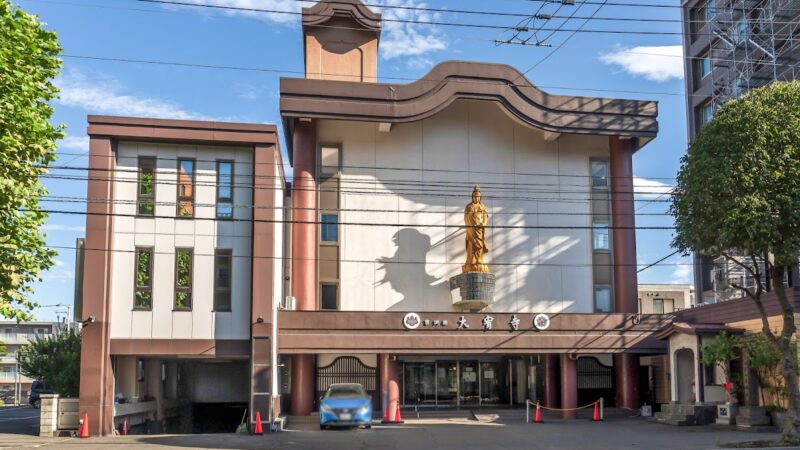
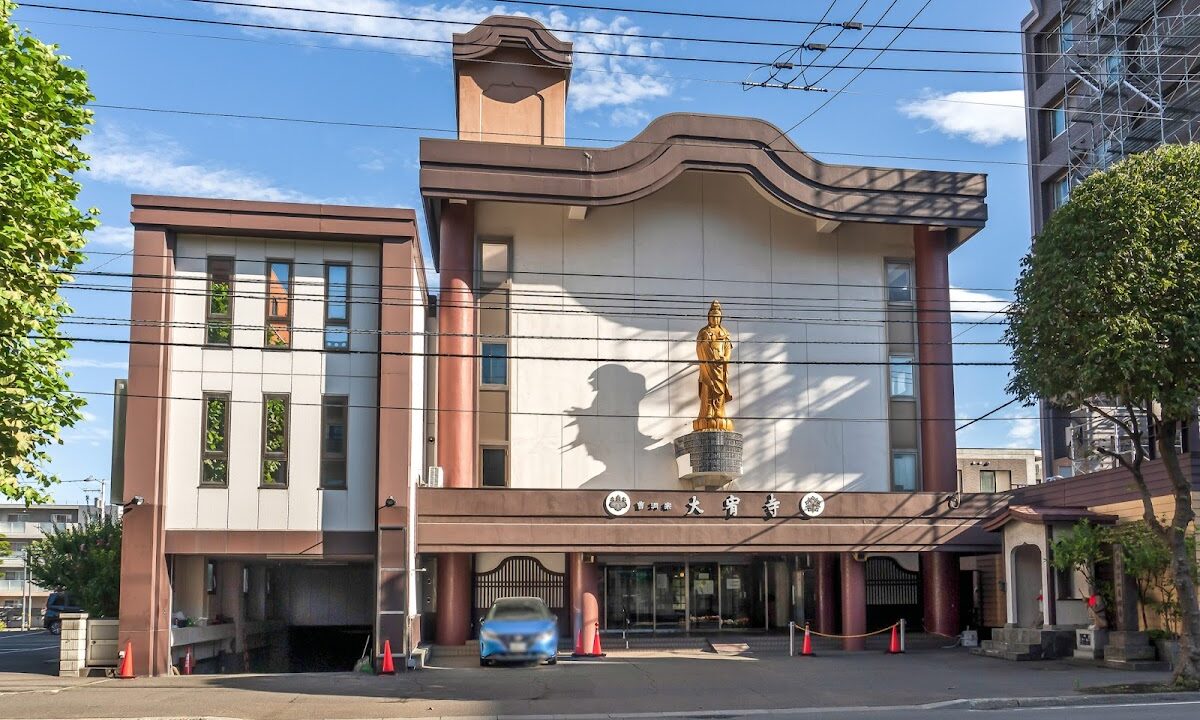
Located in Yamahana, Chuo-ku, Sapporo, Daiyuji Temple is a Soto Zen Buddhist temple that continues to be deeply rooted in the community. In recent years, by offering a columbarium and perpetual memorial graves, it has proposed a form of memorial service that suits modern lifestyles, attracting many visitors from both within and outside Hokkaido.
This article provides a comprehensive explanation of Daiyuji Temple’s history and characteristics, details of the columbarium and perpetual memorial grave “En,” services for sending ashes and closing graves, information on temple seals, and access methods, providing useful information for those actually visiting or considering interment.
What is Daiyuji Temple? A Historic Soto Zen Temple
Basic Information about Daiyuji Temple
Daiyuji Temple is a Soto Zen Buddhist temple located at 1-11, Minami 11-jo Nishi 13-chome, Chuo-ku, Sapporo, Hokkaido. The Soto Zen sect is a branch of Zen Buddhism founded by Zen Master Dogen, and is known for its emphasis on meditation (zazen).
Basic Data
- Official Name: Soto Zen Daiyu-ji Temple
- Location: 1-11, Minami 11-jo Nishi 13-chome, Chuo-ku, Sapporo, Hokkaido
- Sect: Soto Zen
- Nearest Station: Sapporo Streetcar Nishisen 11-jo Station
History and Origins of Daiyu-ji Temple
Daiyu-ji Temple has existed as a center of faith for the local people since the pioneering days of Sapporo. Temples in Hokkaido have a history of being introduced by immigrants from Honshu, with various sects being introduced, and playing an important role as spiritual pillars in the pioneering areas.
The Soto Zen teaching of “Shikan Taza” (just sitting), that is, simply sitting without seeking anything, has been a source of spiritual support for people living in Hokkaido’s harsh natural environment.
Characteristics of the Soto Zen School and the Religious Activities of Daiyu-ji Temple
The Soto Zen school adheres to the philosophy of “Shusho Itto” (the unity of practice and enlightenment), teaching that practice and enlightenment are not separate entities, but rather that practice itself is enlightenment. Based on this teaching, Daiyu-ji Temple transmits Buddhist teachings to the local community through Zen meditation sessions and memorial services.
Regular religious activities include regular memorial services, funerals, Buddhist ceremonies, and a wide range of religious services, including columbariums and perpetual memorial services to meet modern needs.
Daiyu-ji Temple’s Columbarium | A Modern Form of Memorial Service
Characteristics and Benefits of the Columbarium
Daiyu-ji Temple offers a columbarium as an alternative to traditional graves. Because the columbarium is an indoor facility, a major advantage is that visits can be comfortably made even during Hokkaido’s harsh winters.
Benefits of a Columbarium
- Allows visits regardless of weather
- Reduces the financial burden compared to building a tombstone
- Less burden of cleaning and maintenance
- Located in a convenient location with good transportation access
- Often usable regardless of religious affiliation
How to Use and Costs of a Columbarium
When considering using the columbarium at Daiyu-ji Temple, it is recommended to first contact the temple directly to schedule a visit. By actually visiting the facility and receiving detailed explanations about the form of interment, costs, and management methods, you can choose a form of memorial service that suits you and your family.
Columbarium costs generally include perpetual use fees, annual management fees, and memorial service fees. The specific amount varies depending on the size of the facility and the method of interment, so it is important to confirm directly with the temple.
Flow of Memorial Services at a Columbarium
Even after the remains are interred, regular memorial services are held at the columbarium. At Daiyu-ji Temple, respectful memorial services are conducted according to the customs of the Soto Zen sect, creating an environment conducive to praying for the repose of the deceased. In cases of individual interment, individual memorial tablets and photographs can often be placed for the duration of the contract, providing a space where families can pay their respects with heartfelt emotion.
Perpetual Memorial Service Joint Grave “En” | Memorial Service that Reduces the Burden on Families
What is the Perpetual Memorial Service Joint Grave “En”?
The perpetual memorial service joint grave “En” offered by Daiyu-ji Temple is an ideal form of memorial service for those without successors or those who do not want to burden their descendants with grave maintenance. The name “En” embodies the Buddhist teaching that all people are connected by a Buddhist bond.
Benefits and Features of Perpetual Memorial Service
Perpetual memorial service is a system in which the temple takes responsibility for providing memorial services indefinitely. Individuals and families do not need to manage the grave, significantly reducing future burdens.
Benefits of Perpetual Memorial Services
- No need for a successor, providing peace of mind
- No or low annual maintenance fees
- The temple takes responsibility for continuing the memorial services
- Often open to all religious denominations
- Clear pricing structure with a one-time fee
Memorial Services in a Communal Grave
In a communal grave, the remains of multiple individuals are interred in a single burial plot. While there are no individual gravestones, visitors can pay their respects at the shared memorial monument, and regular joint memorial services are held by the temple.
At Daiyu-ji Temple’s “En” (縁), respectful memorial services are conducted based on the teachings of the Soto Zen sect, creating an environment where the deceased can rest peacefully.
Bone Transfer and Interment Service | Interment Possible Even from Distant Locations
What is Bone Transfer and Interment?
Bone transfer and interment is a service where cremated remains are sent to the temple by mail or courier for interment. Daiyu-ji Temple offers this service for those living far away or unable to visit the temple in person for various reasons.
Benefits of Sending Ashes for Interment
Sending ashes for interment is gaining attention as a flexible form of memorial service that suits modern lifestyles.
Benefits of Sending Ashes for Interment
- Interment is possible even from a distance
- No need to bear the burden of transportation or accommodation costs
- Convenient for those who find it difficult to visit the temple due to age or poor health
- Relatively simple procedures
- Lower costs
Procedures for Sending Ashes for Interment
If you wish to send ashes for interment, first contact Daiyu-ji Temple by phone or email. After receiving an explanation from the temple regarding the procedure, necessary documents, and costs, send the remains using the specified method.
Generally required documents include a copy of the burial permit or cremation permit, and an application form. After the remains arrive at the temple, the head priest will perform chanting and interment, and an interment certificate will be issued.
Precautions When Sending Ashes
When sending ashes, you must use a shipping method that is authorized to transport cremated remains, such as Yu-Pack (Japan Post’s parcel delivery service). Pack the items carefully and take great care to prevent damage.
Grave Closure and Daiyuuji Temple’s Handling
What is Grave Closure?
Grave closure refers to the removal of an existing grave and the relocation of the remains to another location. Due to the declining birthrate, aging population, and urbanization, maintaining distant graves is becoming increasingly difficult, leading more people to consider grave closure.
Can Daiyuuji Temple Handle Grave Closure?
If you already have a grave at Daiyuuji Temple and wish to close it, you can consult with the temple for assistance. After grave closure, the remains can be moved to Daiyuuji Temple’s ossuary or the perpetual memorial grave “En.”
Furthermore, it is possible to rebury (transfer) remains from a grave closed at another temple or cemetery to Daiyuuji Temple. In this case, a reburial permit must be obtained from the original cemetery.
Grave Closure Procedures and Flow
The general flow of grave closure is as follows:
- Consultation with Relatives: Since closing a grave involves the entire family, thorough discussion is necessary beforehand.
- Deciding on a New Burial Site: Decide on a new burial site, such as the columbarium or perpetual memorial grave at Daiyu-ji Temple.
- Contacting the Current Cemetery Administrator: Inform them of your intention to close the grave and confirm the necessary procedures.
- Obtaining a Reburial Permit: Complete the procedure at your local municipal office.
- Removing the Remains: Hire a stonemason to remove the tombstone and retrieve the remains.
- Interment at the New Burial Site: Hold a memorial service at Daiyu-ji Temple.
Costs of Closing a Grave
Closing a grave involves costs such as tombstone removal, removal of remains, and the cost of a new burial site. The total cost varies greatly depending on the size and location of the cemetery, but generally ranges from several hundred thousand yen to around one million yen.
If you are considering reburial at Daiyu-ji Temple, choosing the “En” perpetual memorial grave can help keep costs relatively low.
Memorial Services and Visits at Daiyu-ji Temple
Annual Memorial Services and Events
Daiyu-ji Temple holds various memorial services and events throughout the year. As a Soto Zen temple, it holds memorial services during the spring and autumn equinoxes, the Obon festival’s Segaki memorial service, and the New Year’s Eve bell ringing ceremony.
These services are open to temple parishioners and columbarium users, providing an opportunity to commemorate the deceased and learn about Buddhist teachings.
Requesting Individual Memorial Services
Individual memorial services, such as the 49th-day memorial service, the first anniversary, and the third anniversary, can also be held at Daiyu-ji Temple. If you wish to hold a memorial service, please contact the temple in advance to arrange a date.
Soto Zen memorial services are conducted in a solemn atmosphere centered on chanting sutras, providing an important opportunity to express gratitude and remembrance for the deceased.
Etiquette for Visiting a Temple
Visiting a Soto Zen temple follows the same etiquette as visiting any other Buddhist temple. Bow at the temple gate before entering the grounds, and then perform a prayer with clasped hands at the main hall or ossuary.
Ideally, use formal Soto Zen prayer beads, but a simpler set of beads suitable for any sect is also acceptable. The most important thing is to face the deceased and the Buddha with sincere feelings.
Information on Goshuin (Temple Seals) at Daiyu-ji Temple
What are Goshuin?
Goshuin are seals given as proof of visiting a temple or shrine. In recent years, collecting goshuin has become a popular hobby across generations, and is one of the joys of visiting temples and shrines.
Issuing Goshuin at Daiyu-ji Temple
Daiyu-ji Temple also issues goshuin. To receive a goshuin, first complete your prayers at the main hall, then leave your goshuin book at the temple office and request one.
Goshuin (temple/shrine stamps) are not merely stamps; they are proof of worship and important symbols of connecting with Buddha. Please request them with respect and reverence.
About Goshuincho (Stamp Books)
Goshuincho can be purchased at temples and shrines, as well as bookstores and stationery stores. It is recommended to check directly with Daiyu-ji Temple to see if they have their own goshuincho.
Whether or not to use separate goshuincho for shrines and temples is a matter of personal preference, but traditionally, it seems that many people do.
How to Access Daiyu-ji Temple
Access by Public Transportation
Daiyu-ji Temple is located in the Yamahana district of Chuo-ku, Sapporo City, and is easily accessible by public transportation.
Using the Sapporo Streetcar
- Nearest Station: Nishisen 11-jo Station
- Distance from Station: Approximately 5 minutes on foot
- Nishisen 11-jo Station is one of the main stations on the Sapporo Streetcar line, accessible from both the Susukino area and the Chuo Ward Office area.
Using the Subway
- Approximately 15 minutes on foot from Nakajima-Koen Station or Horohirabashi Station on the Sapporo Subway Namboku Line
- Alternatively, transfer from the subway to the streetcar and go to Nishisen 11-jo Station.
Using the Bus
- Get off at the Minami 11-jo Nishi 13-chome bus stop (Chuo Bus), and it’s a short walk.
Access by Car
Approximately 10 minutes by car from the center of Sapporo city. Easily accessible from National Route 230 (Ishiyama-dori).
Parking Information
- We recommend checking in advance whether the temple has parking spaces.
- Due to expected congestion during memorial services and events, using public transportation is recommended.
Surrounding Environment and Local Information
The Yamahana district, where Daiyu-ji Temple is located, is a quiet residential area close to the center of Sapporo. The surrounding area boasts abundant natural beauty, including Nakajima Park, the Toyohira River, and Mt. Moiwa, offering beautiful scenery throughout the seasons.
The area around the temple has shopping streets and supermarkets, making it a very convenient place to live. You can easily dine or shop before or after memorial services.
Can I have my ashes interred or build a grave at Daiyu-ji Temple?
About the Danka System
When building a new grave at Daiyu-ji Temple, becoming a danka (parishioner) is generally required. A danka is a family that provides financial and spiritual support to a specific temple, signifying a continuous relationship with the temple.
Regarding the Construction of a Grave
Whether or not you can construct a gravestone in the Daiyu-ji Temple cemetery or affiliated cemeteries depends on the availability of plots and the temple’s policies. Currently, many temples in urban areas have limited plot availability, so it is necessary to contact the temple directly to confirm.
Constructing a gravestone requires perpetual use fees, gravestone costs, and construction costs, and the total cost is generally several million yen.
The Option of Columbariums and Perpetual Memorial Graves
If constructing a gravestone is difficult, or if you are concerned about future maintenance burdens, you can choose a columbarium or the perpetual memorial grave “En.” These are often available without becoming a temple parishioner and are popular as a more flexible form of memorial service.
Reasons to Choose Daiyu-ji Temple | A Temple that Meets Modern Needs
Excellent Location and Convenient Access
Daiyu-ji Temple is located in the urban area of Sapporo’s Chuo Ward, yet maintains a quiet environment. It is easily accessible by streetcar and bus, making it convenient for elderly visitors. In Hokkaido, where heavy snowfall is common in winter, good transportation access is a crucial factor when choosing a temple. Daiyu-ji Temple maintains proper snow removal, ensuring easy access year-round.
Diverse Memorial Options
A major characteristic of Daiyu-ji Temple is its diverse range of memorial options tailored to modern lifestyles and values, including a columbarium, the “En” perpetual memorial grave, and bone transfer services.
Beyond traditional graves, there are options to suit individual circumstances, such as those without successors, those seeking to minimize costs, and those living far away.
Soto Zen Tradition and Respectful Memorial Services
The respectful memorial services based on the teachings of the Soto Zen sect are another reason to choose Daiyu-ji Temple. The heartfelt service provided by the head priest and temple staff has earned the trust of many users.
Through memorial services and daily prayers, you can express your gratitude to the deceased and find peace of mind for your bereaved family.
Recent Activities and Information of Daiyuji Temple
Modern Temple Management
Daiyuji Temple has launched an official website to provide information about the temple, event schedules, and information about its ossuary and perpetual memorial graves. The temple operates in a manner that is in line with the modern information society, and inquiries can be made via the internet.
Community Involvement
As a local temple, Daiyuji Temple values its relationship with the residents of the Yamahana district. It continues to operate as an open temple, participating in local events and opening its facilities to the public.
How to Check the Latest Information
The latest information about Daiyuji Temple can be found on its official website. It is convenient to check the dates of memorial services, event schedules, and ossuary availability before visiting.
While telephone inquiries are possible, there may be times when the temple is unable to answer calls, such as during memorial services. Therefore, it is recommended to check the basic information on the website beforehand.
Summary: For Those Considering Memorial Services at Daiyu-ji Temple
Daiyu-ji Temple, located in Chuo-ku, Sapporo City, Hokkaido, is a Soto Zen Buddhist temple that upholds traditional Buddhist teachings while offering diverse forms of memorial services to meet modern needs.
The columbarium and the perpetual memorial joint grave “En” reduce the burden of grave management and provide a reassuring option for those without successors. They also offer bone transfer services, allowing those living far away to choose memorial services at Daiyu-ji Temple.
For those considering closing a grave, seeking a new burial place, or thinking about future memorial services, we recommend contacting Daiyu-ji Temple first and visiting the temple in person.
Finding the most suitable form of memorial service for yourself and your family is a final gift to the deceased and brings peace of mind to the surviving family. Daiyu-ji Temple continues to provide respectful memorial services, understanding and supporting the feelings of those who wish to honor their loved ones.
Located just a short walk from Sapporo Streetcar Nishisen 11-jo Station, Daiyu-ji Temple is easily accessible for visitors throughout the year. If you are looking for a place to inter ashes or a place for memorial services in Hokkaido, why not visit Daiyu-ji Temple?