History and Characteristics of Zendo-ji Temple (Sapporo, Hokkaido) | Detailed Guide to Jodo Sect Temples
About Zendo-ji Temple
Zendo-ji Temple is a Jodo sect temple located at 5-14, Toyohira 4-jo 11-chome, Toyohira-ku, Sapporo, Hokkaido. Currently, with the cooperation of local parishioners, it conducts memorial services and rituals as a Jodo sect temple. However, its predecessor played a significant role as an important cemetery management facility for Sapporo City.
The Jodo sect is one of the sects of Japanese Buddhism, founded by Honen Shonin, and teaches the doctrine of attaining rebirth in the Pure Land by chanting “Namu Amida Butsu.” Zendo-ji Temple continues to operate as a center of faith for local people, based on the doctrines of the Jodo sect.
History of Zendo-ji Temple
Role as Toyohira Community Cemetery Management Office
Zendo-ji Temple’s predecessor was a facility called the “Toyohira Community Cemetery Management Office.” This management office was responsible for the management of Sapporo City’s “Toyohira Cemetery” until 1987 (Showa 62). Toyohira Cemetery was a public cemetery located where the current “Hokkai Kitayell” (Hokkaido Prefectural Sports Center) stands, and played an important role in the development of Sapporo City.
From the Meiji era to the Showa era, the demand for cemeteries increased with the population growth of Sapporo City, and Toyohira Cemetery became an important facility used by many citizens. The management office, the predecessor of Zendoji Temple, properly managed and maintained this cemetery, contributing to the local community.
Cemetery Relocation and Conversion to a Temple
In 1987 (Showa 62), Toyohira Cemetery was relocated, and the Hokkaido Prefectural Sports Center “Hokkai Kitayell” was constructed on the former site. With this cemetery relocation, the operations of the Toyohira Public Cemetery Management Office ended, and the office building was sealed off.
Afterward, Zendoji Temple began a new chapter as a Jodo sect temple. From its public role of cemetery management, the temple transitioned to activities as a Buddhist temple based on the danka system (parishioner system), and continues to operate in this way today. This historical progression is a valuable example illustrating the urban development of Sapporo and the transformation of Buddhist temples.
Sapporo’s Development and Zendo-ji Temple
Sapporo is a city that has developed rapidly since the pioneering period of the Meiji era. As the center of Hokkaido’s development, its population increased, and consequently, the demand for religious facilities and cemeteries also rose. The Toyohira Joint Cemetery Management Office, the predecessor of Zendo-ji Temple, was a facility closely intertwined with this history of Sapporo’s development.
Toyohira Ward is close to the center of Sapporo and has long been a developed urban area. Even today, it is an area lined with residential areas and commercial facilities, and Zendo-ji Temple continues to operate as a temple rooted in this region.
Relationship with Related Temples
Zendo-ji Temple has close ties with temples that are related as related temples (horui-jiin) of the same Jodo sect. Related temples refer to temples within the same sect that have master-disciple or head-branch relationships.
Shin-Zenkoji Temple
Shin-Zenkoji Temple is a Jodo sect temple located at 1-chome, Minami 6-jo Nishi, Chuo-ku, Sapporo. Situated in the heart of Sapporo, close to the Susukino district, it operates as an urban temple. Through its affiliation with Zendo-ji Temple, it plays a role in spreading the teachings of Jodo Buddhism.
Shin-Zenkoji Temple operates under the concept of “remembering in a space bathed in light,” employing modern temple management practices and equipped with facilities such as a columbarium. Taking advantage of its central urban location, it is easily accessible to many visitors and parishioners.
Daisho-ji Temple
Daisho-ji Temple is a Jodo sect temple located in Fujino, Minami-ku, Sapporo. The Fujino area is located in the southern part of Sapporo and is blessed with a rich natural environment. Daisho-ji Temple, as an affiliated temple of Zendo-ji Temple, also engages in activities to spread the teachings of Jodo Buddhism in the community.
These three temples, though located in different areas of Sapporo, cooperate with each other as affiliated temples of the Jodo sect, striving for the preservation and development of Buddhist culture.
The Teachings of the Jodo Sect and Zendo-ji Temple
Basic Doctrines of the Jodo Sect
The Jodo sect is a Buddhist sect founded by Honen Shonin (1133-1212), who was active from the late Heian period to the early Kamakura period. It teaches that by chanting “Namu Amida Butsu,” anyone can attain rebirth in the Pure Land through the power of Amida Buddha’s original vow.
Honen Shonin reformed the previous form of Buddhism, which required complex training and scholarship, and spread the teaching of “exclusive recitation of the Buddha’s name,” which teaches that salvation can be attained through the easy practice of reciting the Buddha’s name, which anyone can practice. This teaching was accepted by many people as a path to salvation open to all, regardless of social status or level of education.
Practice of Jodo Buddhism at Zendo-ji Temple
At Zendo-ji Temple, various Buddhist services and memorial services are conducted based on the teachings of Jodo Buddhism. Through religious activities as a Buddhist temple, such as ancestral memorial services, annual memorial services, and services during Obon and Higan, we contribute to the local community.
As a Jodo Buddhism temple, Zendo-ji Temple cherishes the teachings of Nembutsu and conducts religious activities centered on faith in Amida Buddha. Amida Buddha is enshrined in the main hall, and daily services and memorial services are held there.
Annual Events at Zendo-ji Temple
Buddhist temples hold various services and events throughout the year. At Zendo-ji Temple, annual events based on the traditions of Jodo Buddhism are also held.
New Year’s Day (Shushō-e)
To welcome the New Year, a memorial service called Shushō-e is held. This is a service to pray for peace and happiness in the new year, and many parishioners visit to pay their respects. ### Spring Equinox Service
The week centered around the spring equinox is the O-higan period. During this period, a memorial service called Higan-e is held to honor ancestors. “Higan” refers to the world of enlightenment, or the Pure Land, and remembering and honoring ancestors during this time is considered an important event in Japanese Buddhist culture.
Obon (Urabon-e)
During the Obon period in August, the Urabon-e is held. Obon is a time when the spirits of ancestors are believed to return home, and many parishioners participate in grave visits and memorial services. At Zendo-ji Temple, ancestors are also honored through Obon services.
Autumn Equinox Service
Similar to the spring O-higan, a Higan-e service is held during the week centered around the autumn equinox. The autumn O-higan is also an important time for ancestor worship, and many people visit the temple. ### Memorial Services
Memorial services are held on designated anniversaries of the deceased’s death, such as the first, third, seventh, and thirteenth anniversaries. These services are important opportunities for the bereaved family to remember the deceased, pray for their peaceful repose, overcome their grief, and reaffirm their bond with the deceased.
Facilities and Grounds of Zendo-ji Temple
Main Hall
The main hall of Zendo-ji Temple is the central building where memorial services and prayers are held. The main hall houses the principal image of the Jodo sect, Amida Buddha, and is available for worship by parishioners and visitors.
The main hall of a Jodo sect temple is a solemn space centered around Amida Buddha, and is cherished as a place embodying the teachings of Nembutsu (recitation of Amida Buddha’s name).
Features of the Temple Grounds
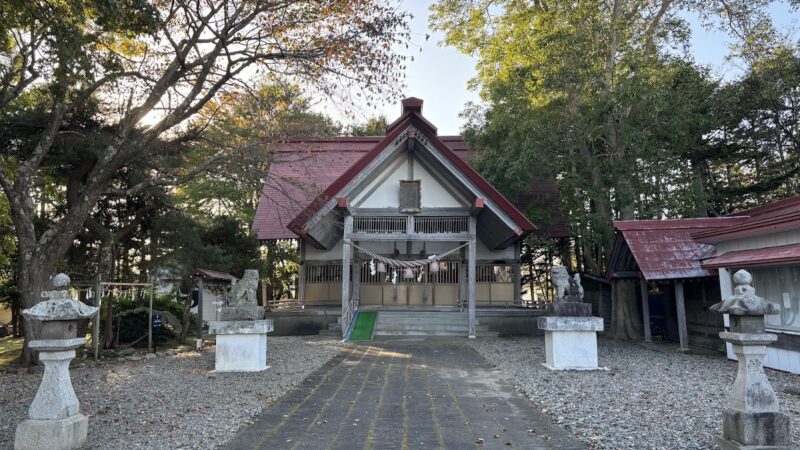
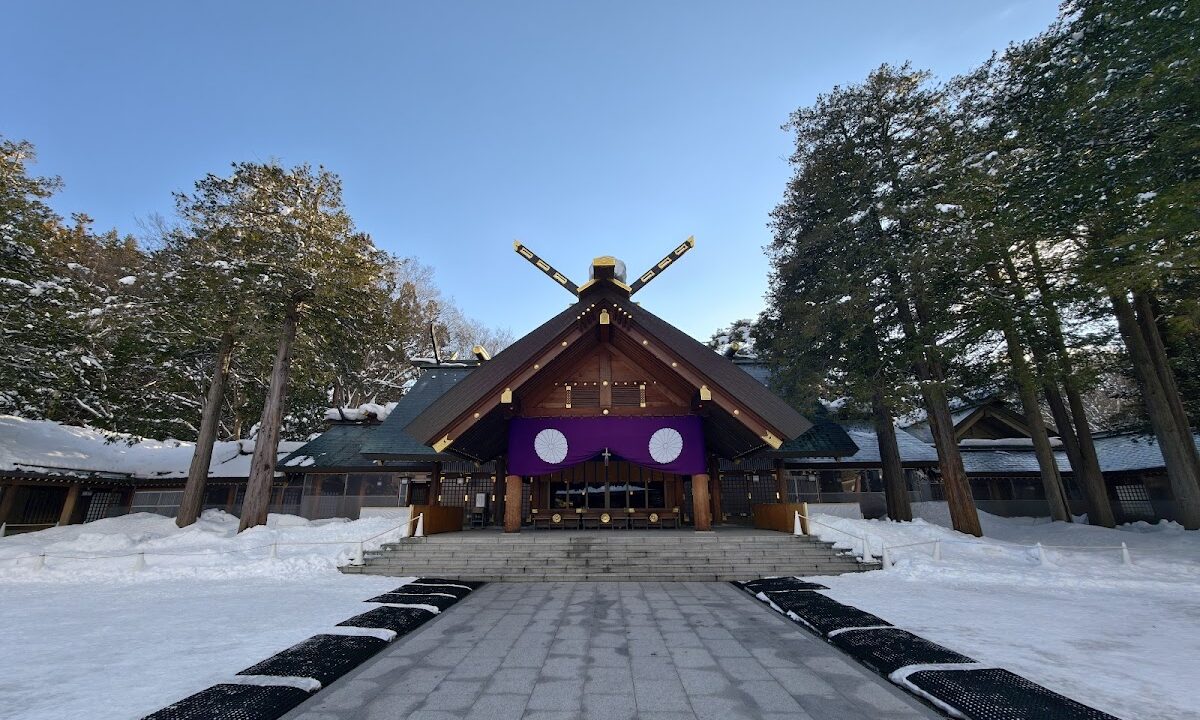
Zendo-ji Temple is located in a residential area of Toyohira Ward, Sapporo City, and exists as a temple integrated into the local community. The temple grounds have a tranquil atmosphere, providing a space where visitors can quietly offer their prayers.
Access to Zendo-ji Temple
Location
Address: 5-14, Toyohira 4-jo 11-chome, Toyohira-ku, Sapporo, Hokkaido
Access by Public Transportation
Zendo-ji Temple can be accessed using the Sapporo Municipal Subway or local buses.
By Subway:
- Within walking distance from Gakuen-mae Station or Toyohira-koen Station on the Sapporo Municipal Subway Toho Line
- Approximately 10-15 minutes from the station
By Bus:
- Take any Sapporo Municipal Bus route and get off at a bus stop in the Toyohira area
- A few minutes’ walk from the nearest bus stop
Access by Car
From central Sapporo, head towards National Route 36 (Shiraishi Kaido) and proceed to the Toyohira area. It is located near Toyohira 4-jo 11-chome. When using a car navigation system, please enter the above address.
For information regarding parking availability and other details, we recommend contacting the temple in advance.
History of Toyohira Ward and Zendo-ji Temple
Origins of Toyohira Ward
Toyohira Ward is one of the 10 wards that make up Sapporo City, and is located close to the city center. The name “Toyohira” is said to originate from the Ainu word “Toy-pira” (collapsed cliff).
This area developed from the pioneering period of the Meiji era, and is located on the alluvial fan of the Toyohira River. It was developed as an agricultural area. Subsequently, with the expansion of Sapporo City, urbanization progressed, and it is now an urban area with many residential areas and commercial facilities.
Historical Significance of Toyohira Cemetery
Toyohira Cemetery, managed by the predecessor of Zendo-ji Temple, played an important role in the history of Sapporo City. From the Meiji era to the Showa era, it functioned as a cemetery where many Sapporo citizens were buried.
The relocation of the cemetery in 1987 was carried out as part of Sapporo City’s urban development. “Hokkai Kita-eru,” built on the site of a former cemetery, is now a leading sports facility in Hokkaido, hosting numerous events and sporting competitions.
This relocation of the cemetery and construction of the facility symbolizes the development of the city and the transformation of historical sites, and the history of Zendo-ji Temple has also been shaped within this significant change.
Sapporo City’s Jodo-shu Temple Network
Sapporo City has several Jodo-shu temples, including Zendo-ji Temple. These temples operate independently in their respective regions, but they cooperate under the common teachings of Jodo-shu Buddhism.
In addition to its affiliated temples, Shin-Zenko-ji and Daisho-ji, other Jodo-shu temples exist in Sapporo City, and these temples sometimes cooperate to hold memorial services and training sessions. This network plays an important role in spreading the teachings of Jodo-shu Buddhism and preserving Buddhist culture.
The Role of Zendo-ji Temple in Modern Times
The Danka System and its Relationship with the Community
Currently, Zendo-ji Temple operates based on the Danka system (parishioner system). A “danka” (parishioner) refers to a family that financially supports a specific temple and performs ancestral memorial services and funerals at that temple.
Zendo-ji Temple, with the cooperation of its parishioners, continues its activities of conducting memorial services and spreading Buddhist teachings. As a temple rooted in the community, it plays an important role in supporting the religious lives of its parishioners.
Memorial Service and Buddhist Ritual Services
Zendo-ji Temple offers the following memorial service and Buddhist ritual services:
- Funeral and Memorial Service: Conducting funerals according to the customs of the Jodo sect
- Annual Memorial Services: Regular memorial services such as the first and third anniversaries
- Ancestral Memorial Services: Seasonal memorial services such as Obon and Higan
- Perpetual Memorial Service: Perpetual memorial services for those without successors
- Various Prayers: Prayers for family safety, good health, etc.
Through these services, Zendo-ji Temple functions as a spiritual haven for its parishioners.
Inheritance of Buddhist Culture
In modern society, Buddhist temples play an important role not only as religious facilities but also as places for the inheritance of traditional Japanese culture.
Zendo-ji Temple also bears the mission of passing on the teachings and rituals of the Jodo sect to future generations. Conveying Buddhist teachings, traditional Japanese views on life and death, and respect for ancestors through memorial services and ceremonies is a valuable cultural activity in modern society.
Characteristics of a Jodo Sect Temple
The Teaching of Nembutsu
The greatest characteristic of the Jodo sect, to which Zendo-ji Temple belongs, is its faith centered on chanting the Nembutsu, “Namu Amida Butsu.” This Nembutsu is based on the teaching that by chanting the name of Amida Buddha, one can be reborn in the Pure Land through the power of his original vow.
Nembutsu has been accepted by many people because it is an easy practice that anyone can do without requiring special training or study. Zendo-ji Temple also cherishes this teaching of Nembutsu and passes it on to its parishioners.
Amida Buddhism
The principal image of a Jodo sect temple is Amida Buddha. Amida Buddha is a Buddha who made the vow to save all sentient beings, and it is believed that through the power of his compassion, rebirth in the Pure Land is possible.
An Amida Buddha is also enshrined in the main hall of Zendo-ji Temple, and worshippers can chant the Nembutsu and offer prayers to this Amida Buddha.
Points to Note When Visiting Zendo-ji Temple
Etiquette for Visiting a Temple
When visiting a temple, it is important to observe the following basic manners:
- Attire: Modest, understated clothing is preferable.
- Behavior on the Temple Grounds: Act quietly and respectfully.
- Photography: Take photographs only after obtaining permission.
- Worship Etiquette: Join your hands in prayer in the main hall and pray quietly.
Participation in Memorial Services
While it is possible to visit the temple as a general visitor, even if you are not a temple parishioner, if you wish to participate in a memorial service or take a detailed tour of the facilities, it is recommended that you contact the temple in advance and obtain permission.
Inquiries
For requests regarding memorial services or inquiries about the temple, please contact Zendo-ji Temple directly. We also accept inquiries regarding becoming a temple parishioner and consultations regarding memorial services.
Summary
Zendo-ji Temple is a Jodo sect temple located in Toyohira-ku, Sapporo City, with a unique history and role. The history of Zendo-ji Temple, which has transformed from its predecessor, the Toyohira Community Cemetery Management Office, into its current form as a Jodo-shu Buddhist temple, tells the story of Sapporo’s development and urban growth.
Through its relationships with affiliated temples such as Shin-Zenko-ji and Daisho-ji, it plays a vital role in the network of Jodo-shu temples in Sapporo, continuing its activities to spread the teachings of Jodo-shu in the community.
Currently, with the cooperation of its parishioners, it holds annual events and various memorial services, fulfilling its role in the transmission of Buddhist culture in the community and serving as a spiritual haven for people.
Zendo-ji Temple, which cherishes the teachings of the Jodo-shu sect’s nembutsu, “Namu Amida Butsu,” and continues to convey the idea of equal salvation for all, remains an important religious institution in modern society.
Despite its location in Toyohira Ward, close to the heart of Sapporo, Zendo-ji Temple maintains a quiet and peaceful atmosphere, providing visitors with a place of solace and prayer. As a temple that has played a part in Sapporo’s history, it will continue to walk hand in hand with the community.