Complete Guide to Sapporo Daishi Shofukuji Temple | Thorough Explanation of Goshuin (Temple Seals), Access, and Highlights
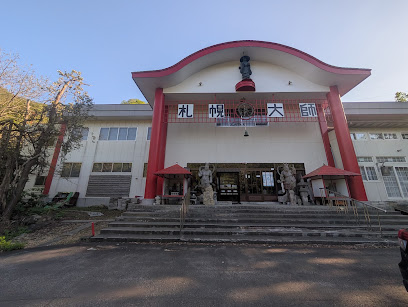
Located at the entrance to Jozankei in Minami-ku, Sapporo City, Sapporo Daishi Shofukuji Temple is a representative sacred temple of Hokkaido, belonging to the Chizan branch of the Shingon sect. It boasts an excellent location at the entrance to the Jozankei Onsen hot spring resort area, and its tranquil environment, surrounded by beautiful nature throughout the seasons, attracts many worshippers and pilgrims.
This article comprehensively introduces useful information for your visit, including the history of Shofukuji Temple, information on goshuin (temple seals), highlights within the temple grounds, access methods, and nearby tourist spots.
About Sapporo Daishi Shofukuji Temple
Basic Information
Shofukuji Temple is a Shingon sect Chizan branch temple located at 9 Jozankei, Minami-ku, Sapporo City, Hokkaido. Its mountain name is “Sapporo Daishi,” and it transmits the teachings of Shingon Esoteric Buddhism, with Kobo Daishi (Kukai) as its founder.
- Sect: Shingon-shu Chizan-ha
- Mountain Name: Sapporo Daishi
- Principal Image: Shofuku Fudo Myoo (standing statue, 2.54m tall)
- Founder: Bishop Seihō Nishimura
- Address: 9 Jōzankei, Minami-ku, Sapporo, Hokkaido 061-2301, Japan
- Phone: 011-598-4292
- FAX: 011-598-4649
Positioning as a Pilgrimage Site
Shōfuku-ji Temple plays an important role as a pilgrimage site for several sacred sites.
- Hokkaido Eighty-Eight Sacred Sites, Site No. 68
- Hokkaido Thirty-Six Fudo Myoo Sacred Sites, Site No. 33
For pilgrims undertaking these pilgrimages, Shōfuku-ji Temple is an indispensable place of worship. In particular, because it enshrines Fudo Myoo (Acala) as its principal deity, it holds an important position among the 36 Fudo Myoo pilgrimage sites of Hokkaido.
History and Origin of Shofuku-ji Temple
Circumstances of its Founding
Shofuku-ji Temple was founded by Bishop Seihō Nishimura as an act of gratitude for the 1150th anniversary of Kobo Daishi’s (Kukai) death. It was established in the 1150th year since Kobo Daishi (Kukai) entered eternal meditation at Okunoin on Mount Koya, to commemorate his virtues and to spread the teachings of Shingon Esoteric Buddhism to the people of Hokkaido.
Kobo Daishi is one of the most important monks in the history of Japanese Buddhism, having founded the Shingon sect in the early Heian period, and his teachings have been continuously passed down to the present day. The founding of Shofuku-ji Temple was born from gratitude and a sense of repayment to this great founder of the sect.
The Name of Sapporo Daishi
The mountain name “Sapporo Daishi” indicates its role as a center of Kobo Daishi worship in the Sapporo area. From the pioneering days of Hokkaido to the present day, it has attracted the faith of people in Sapporo and the surrounding areas, serving as a spiritual anchor.
Connection to Jozankei
Shofuku-ji Temple is located at the entrance to the Jozankei Onsen hot spring resort area, approximately 26 km from the center of Sapporo. Jozankei is a hot spring resort known as Sapporo’s inner sanctuary, attracting many tourists throughout the year. It is also a place where the culture of “hot spring pilgrimage,” combining hot spring therapy and temple visits, has flourished, and Shofuku-ji Temple has functioned as its spiritual pillar.
About the Principal Image, Shofuku Fudo Myoo
Characteristics of Shofuku Fudo Myoo
Shofuku Fudo Myoo, the principal image of Shofuku-ji Temple, is a magnificent standing statue standing 2.54 meters tall. Fudo Myoo is one of the most important deities in Shingon Esoteric Buddhism, considered an incarnation of Dainichi Nyorai, and is depicted enveloped in flames that burn away worldly desires.
The Fudo Myoo at Shofuku-ji Temple, as its name “Shofuku” (meaning “bringing good fortune”) suggests, embodies a special wish: to invite happiness into the lives of worshippers. While typical Fudo Myoo statues primarily focus on “subduing evil” and “warding off disaster,” Shofuku Fudo Myoo emphasizes a compassionate aspect, actively bestowing good fortune and virtue.
The Significance of Fudo Myoo Worship
Behind his fearsome, wrathful expression lies a deep compassion. The sword in his right hand cuts away worldly desires, and the lasso (kensaku/rope) in his left hand is a tool for saving lost beings. The flames behind him symbolize the flame of wisdom that burns away all obstacles and evil.
At Shofuku-ji Temple, before this powerful Fudo Myoo (Acala), visitors can reflect on their own worldly desires and solidify their new resolve.
Highlights of the Temple Grounds
Main Hall
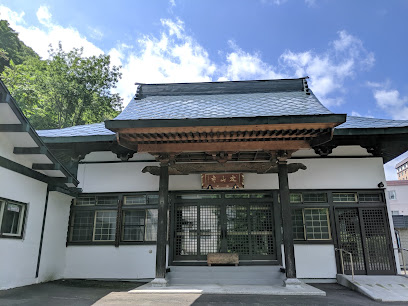
The main hall of Shofuku-ji Temple is an architectural structure that exudes the solemn atmosphere of Shingon Esoteric Buddhism. The principal image, Shofuku Fudo Myoo, is enshrined within, and Esoteric Buddhist rituals such as Goma prayers are performed here. Visitors can quietly join their hands in prayer in the main hall, calming their minds and offering their prayers.
Flowers of the Seasons
The grounds of Shofuku-ji Temple are particularly famous for their azaleas and peonies from spring to summer.
- Azaleas: From May to June, the temple grounds are adorned with vibrant pink, red, and white azaleas. The bus stop name, “Tsutsuji-dani” (Azalea Valley), also reflects the area’s history as a famous azalea viewing spot.
- Peonies: In early summer, large, magnificent peonies bloom, captivating visitors with their splendor. Peonies are also known as the “King of Flowers” and are considered a symbol of wealth and prosperity.
Throughout the four seasons, the temple grounds are enveloped in natural beauty, providing spiritual solace to visitors.
Stone Monuments and Signs Related to Pilgrimage Sites
Stone monuments and signs indicating pilgrimage sites of the Hokkaido Eighty-Eight Sacred Sites and the Hokkaido Thirty-Six Fudo Myoo Pilgrimage are installed on the temple grounds, allowing visitors to feel the history and tradition of pilgrimage.
A Tranquil Environment for Meditation
Despite its location at the entrance to Jozankei, the temple grounds are enveloped in tranquility, providing an ideal environment for calming the mind away from the hustle and bustle of the city. The soothing sounds of nature in the valley and the chirping of birds create a pleasant space suitable for meditation and introspection.
Goshuin (Temple Seal) and Goshuincho (Seal Book) Information
Types of Goshuin
At Shofuku-ji Temple, you can receive goshuin for multiple pilgrimage sites.
- Goshuin (temple stamp) of the 68th temple of the Hokkaido Eighty-Eight Sacred Sites
- Goshuin (temple stamp) of the 33rd temple of the Hokkaido Thirty-Six Fudo Myoo Sacred Sites
- Regular Goshuin (temple stamp) of Sapporo Daishi Shofuku-ji Temple
Each goshuin expresses the characteristics of its respective sacred site, and the calligraphy and seal impressions are beautiful, making them very popular as souvenirs of pilgrimage.
Features of the Goshuin
The goshuin of Shofuku-ji Temple features careful calligraphy in ink and the temple’s seal, conveying the solemnity and power befitting a Shingon Esoteric Buddhist temple. It includes the words “Shofuku Fudo Myoo” and “Sapporo Daishi,” and the date of visit is also recorded.
About Goshuincho (stamp books)
Shofuku-ji Temple may offer original goshuincho (stamp books) (please inquire directly with the temple for details). Furthermore, if you bring a special goshuincho (stamp book) for the Hokkaido Eighty-Eight Sacred Sites or the Hokkaido Thirty-Six Fudo Myoo Sacred Sites, you can receive a goshuin (stamp) as a record of your pilgrimage to each site.
Manners for Receiving a Goshuin
- Please receive your goshuin after completing your prayers.
- Open your goshuincho and specify the page you would like stamped on.
- Prepare the goshuin fee (usually around 300-500 yen).
- Please politely ask, “Could I please have a goshuin?”
- Remember that a goshuin is proof of your visit, not a stamp rally.
Items and Amulets
Shofuku-ji Temple offers a variety of items to fulfill the wishes of visitors.
Main Items Offered
- Amulets: Various amulets are offered for traffic safety, family safety, academic success, business prosperity, etc.
- Talismans: Talismans such as those of Fudo Myoo, for enshrinement in family altars or Shinto shrines.
- Prayer Beads: Formal and simplified prayer beads used in Shingon Buddhism.
- Images: Images (printed images) of Kobo Daishi and Fudo Myoo.
- Pilgrimage Supplies: Items necessary for pilgrimage, such as sutra notebooks, white robes, and walking sticks.
For details and prices of the items offered, please inquire at the temple office.
Access Methods
Access by Public Transportation
From Sapporo Station
Use the Jotetsu Bus (bound for Jozankei)
- Take the bus bound for “Jozankei Onsen” from the JR Sapporo Station Bus Terminal
- Get off at the “Tsutsujidani” bus stop (approximately 60 minutes)
- A short walk from the bus stop
From Makomanai Subway Station
Use the Jotetsu Bus (bound for Jozankei)
- Get off at “Makomanai Station” on the Namboku Subway Line
- Take the bus bound for “Jozankei Onsen” from the Makomanai Station Bus Terminal
- Get off at the “Tsutsujidani” bus stop (approximately 40 minutes)
- A short walk from the bus stop
Access by Car
Use National Route 230 (Ishiyama-dori)
- Head south on National Route 230 towards Jozankei from central Sapporo
- Distance: Approximately 26km
- Estimated time: Approximately 40 minutes
- Approximately 25km from Sapporo Interchange via National Route 230
Car Navigation Settings
- Address: 9 Jozankei, Minami-ku, Sapporo City, Hokkaido
- Phone number: 011-598-4292
Parking
There is parking space for visitors on the temple grounds, but it is recommended to contact the temple in advance for details. It is expected to be particularly crowded during the flowering season and on weekends.
Nearest Landmark
The nearest bus stop is “Tsutsujidani,” located near the entrance to the Jozankei Onsen hot spring resort area. It is relatively easy to find by car as it is located along National Route 230.
Notes and Manners for Visiting
Basic Manners for Visiting
- Attire: Please wear clean and understated clothing. Please avoid excessive exposure.
- Mobile Phones: Please set your mobile phone to silent mode and refrain from making calls while on the temple grounds.
- Photography: Please refrain from taking photos in areas where photography is prohibited, such as inside the main hall. If you are unsure, please check with the temple office.
- Offerings: Any amount is fine. Please place the offering quietly rather than throwing it.
- Praying and Bowing: In front of the main hall, please put your hands together in prayer, bow once, and pray with all your heart.
Seasonal Precautions
- Spring to Summer: Many visitors come during the peak season for azaleas and peonies. It is recommended to visit earlier in the day.
- Autumn: The entire Jozankei area becomes crowded during the autumn foliage season. Please allow ample time for your visit.
- Winter: Hokkaido experiences snowfall in winter. Please wear non-slip shoes and dress warmly.
Visiting Hours
While general temple visiting hours are during the daytime (around 9:00 AM to 5:00 PM), please confirm the specific visiting hours and office hours for Shofuku-ji Temple by phone in advance.
About the Hokkaido Pilgrimage
Hokkaido 88 Temple Pilgrimage
This is a unique Hokkaido pilgrimage modeled after the Shikoku 88 Temple Pilgrimage. Shofuku-ji Temple is the 68th temple on the pilgrimage and is one of the important temples in the central Hokkaido region.
A pilgrimage is a journey of spiritual growth, where you visit each temple in order, receive a temple stamp, and reflect on your inner self. The Hokkaido 88 Temple Pilgrimage has temples scattered throughout the vast Hokkaido region, requiring considerable time and effort to complete, but the sense of accomplishment is equally great.
Hokkaido Thirty-Six Fudo Myoo Pilgrimage Sites
This pilgrimage route is comprised primarily of temples that enshrine Fudo Myoo (Acala) as their principal deity. Shofuku-ji Temple, the 33rd temple on the pilgrimage, is one of the centers of Fudo Myoo worship.
Fudo Myoo is a powerful Buddha who burns away worldly desires and dispels delusion. It is believed that visiting the thirty-six Fudo Myoo pilgrimage sites grants the strength to overcome life’s difficulties and uncertainties.
The Significance of Pilgrimage
Pilgrimage is not merely sightseeing; it is a spiritual journey of self-reflection and seeking inner peace. Through visiting each temple, one escapes the hustle and bustle of daily life and connects with nature and Buddhist teachings, purifying the mind.
Visiting Shofuku-ji Temple is an important part of this pilgrimage, leaving a deep impression on many pilgrims.
Nearby Tourist Attractions
Jozankei Onsen
Located just a few minutes’ drive from Shofuku-ji Temple, Jozankei Onsen is one of Hokkaido’s leading hot spring resorts, known as Sapporo’s inner sanctuary. Hot spring inns and hotels line the Toyohira River, allowing visitors to enjoy the seasonal beauty of the valley while soaking in the hot springs.
Experience the ancient Japanese culture of “hot spring pilgrimage,” where you heal your mind and body in the hot springs after visiting a temple.
Jozankei Dam
Located upstream of Jozankei, this multi-purpose dam boasts a beautiful dam lake (Sapporo Lake) and is a popular driving route. The observation deck offers panoramic views of the magnificent scenery.
Toyohirakyo Dam
Further inland from Jozankei, Toyohirakyo Dam is famous for its autumn foliage. Take an electric bus to the dam site and enjoy the impressive water release and the surrounding nature.
Futami Suspension Bridge & Futami Park
This red suspension bridge is located in the Jozankei Onsen hot spring resort area and offers a close-up view of the beautiful Toyohira River gorge. It’s especially beautiful during the autumn foliage season and is a popular spot for photography.
Hakkensan Mountain
This mountain, with its distinctive shape, rises in Sapporo’s Minami Ward and is a popular spot for hiking and climbing. There are also wineries nearby, allowing you to enjoy both nature and gourmet food.
Annual Events at Shofuku-ji Temple
As a Shingon Buddhist temple, Shofuku-ji Temple holds various Buddhist events.
Main Annual Events (Examples from a typical Shingon Buddhist temple)
- Hatsumode (First Shrine Visit of the Year) & Shusho-e (New Year’s Ceremony) (January 1st-3rd): Praying for happiness in the new year
- Setsubun-e (Bean-throwing Festival) (Around February 3rd): Driving away evil spirits with bean-throwing, etc.
- Spring Equinox Ceremony (Around the Spring Equinox in March): Ancestor memorial service
- Hanamatsuri (Flower Festival) (April 8th): Celebrating the Buddha’s birthday
- Obon Festival (August): Ancestor memorial service for Obon
- Autumn Equinox Ceremony (August): Ancestor memorial service
- Kobo Daishi Mikage-ku (Memorial Service for Kobo Daishi) (21st of every month): A memorial service in gratitude to Kobo Daishi
For specific event dates and details, please contact the temple directly.
About the Shingon Chizan School
Shofuku-ji Temple belongs to the Shingon Chizan School, one of the major schools of Shingon Buddhism.
Basics of Shingon Buddhism
Shingon Buddhism is a sect of Japanese Buddhism founded in the early Heian period by Kobo Daishi Kukai. It centers on the teachings of Esoteric Buddhism (secret Buddhism) and preaches the doctrine of Sokushin Jobutsu (achieving Buddhahood in this very body).
Characteristics of the Chizan Branch
The Chizan branch is a branch of Shingon Buddhism with Chishaku-in Temple in Kyoto as its head temple, and has a tradition of emphasizing scholarship and ascetic practice. It has approximately 3,000 temples nationwide, with many branch temples in Hokkaido.
Shingon Buddhist Practices
Shingon Buddhism practices include Esoteric Buddhist practices such as Goma (fire ritual), chanting, and meditation. Goma, in particular, is an important ritual that uses the power of fire to burn away worldly desires and fulfill wishes.
Visitor Voices and Reviews
The following are comments from visitors who have come to Shofuku-ji Temple:
- “It’s on the way to Jozankei, and I’m glad I could visit it along with my hot spring trip.”
- “The azaleas in the temple grounds were magnificent, and I felt my soul cleansed.”
- “I was able to pray slowly in a quiet and peaceful atmosphere.”
- “The goshuin (temple stamp) was carefully written, and it became a precious memory.”
- “I was encouraged by the powerful figure of Fudo Myoo.”
- “I visited as part of a pilgrimage to sacred sites. I could feel the history of this temple.”
Nearby Temples and Shrines
Besides Shofuku-ji Temple, there are other temples and shrines worth visiting in Sapporo’s Minami Ward and the surrounding Jozankei area.
Jozankei Shrine
A shrine that is revered as the guardian deity of the Jozankei hot spring resort area. The god of hot springs is enshrined here as the guardian deity of the hot springs.
Other Sacred Temples
Other sacred sites of the Hokkaido Eighty-Eight Sacred Sites and the Hokkaido Thirty-Six Fudo Myoo Sacred Sites are scattered throughout Sapporo and its suburbs. Those planning a pilgrimage are advised to create an efficient route to visit multiple sacred sites. ## Model Itinerary for Visiting Shofuku-ji Temple
Day Trip Course
Morning
- 9:00 Bus Departure from Sapporo Station
- 10:00 Arrival at Shofuku-ji Temple and Visit (60 minutes)
- 11:00 Stroll through Jozankei Onsen Town
Afternoon
- 12:00 Lunch in the Onsen Town
- 13:00 Day Trip Hot Spring Bath
- 15:00 Departure from Jozankei Onsen
- 16:00 Arrival at Sapporo Station
Two-Day/One-Night Course
Day 1
- Departure from Sapporo in the afternoon
- Visit Shofuku-ji Temple
- Overnight Stay at Jozankei Onsen
Day 2
- Morning Stroll (including Futami Suspension Bridge)
- Sightseeing at Toyohirakyo Dam
- Return to Sapporo in the afternoon
Photo Spots
Here are some photo spots to visit when you come to Shofuku-ji Temple.
Recommended Photo Spots
- Front of the Main Hall: A frontal view of the majestic main hall.
- Temple Grounds in Azalea Season: The contrast between the colorful flowers and the main hall.
- Pilgrimage Site Sign: A memento of your pilgrimage.
- Natural Scenery from the Temple Grounds: With the natural beauty of Jozankei as a backdrop.
Photography Etiquette
- Do not take photos in areas where photography is prohibited, such as inside the main hall.
- Be considerate of other visitors.
- Obtain permission in advance if using a tripod.
- When posting on social media, accurately include location information and the temple name.
Summary
Sapporo Daishi Shofukuji Temple has long been a beloved sacred temple in Hokkaido, attracting many visitors and pilgrims. Its privileged location at the entrance to Jozankei Onsen, the beautiful nature of the four seasons, and the benevolent protection of Shofuku Fudo Myoo bestow peace of mind and happiness upon visitors.
Shofuku-ji Temple, the 68th temple of the Hokkaido Eighty-Eight Sacred Sites and the 33rd temple of the Hokkaido Thirty-Six Fudo Myoo Sacred Sites, is an important base for pilgrimage. Receiving a temple stamp and spending time in the tranquil temple grounds to calm your mind and offer prayers will be a precious experience that allows you to forget the hustle and bustle of everyday life.
When traveling to Jozankei Onsen, why not stop by Shofuku-ji Temple and spend some time refreshing your mind and body? The teachings of Kobo Daishi and the protection of Fudo Myoo will bring happiness into your life.
Frequently Asked Questions (FAQ)
Q1. What are the visiting hours for Shofuku-ji Temple?
A1. Generally, temples are open for worship during the day (around 9:00 to 17:00), but for specific visiting hours and office hours at Shofuku-ji Temple, we recommend checking by phone in advance (011-598-4292). Please note that this may vary depending on the season and events.
Q2. Can I get a Goshuin (temple stamp) anytime?
A2. You can get a Goshuin during the hours the temple office is open. However, it may not be possible to get one during religious services or events, so if you want to be sure to get a Goshuin, we recommend calling ahead to confirm. Please request a Goshuin after you have finished your prayers.
Q3. Is there parking available?
A3. There is parking space for visitors, but please contact the temple directly for the number of spaces and other details. It is expected to be crowded during flowering seasons, weekends, and pilgrimage seasons, so you may want to consider using public transportation.
Q4. Can I visit during the winter?
A4. Although there is snow in Hokkaido during the winter, Shofuku-ji Temple is open year-round. However, the paths will be snowy, so please wear non-slip shoes and take sufficient precautions against the cold. Also, since the daylight hours are shorter in winter, we recommend visiting earlier in the day.
Q5. When is the best time to see azaleas and peonies?
A5. Azaleas are in full bloom from May to June, and peonies around June. However, the blooming period may vary depending on the climate of the year, so we recommend contacting the temple or checking the blooming status with the Jozankei Tourism Association before your visit.
Q6. Do I have to visit the pilgrimage sites in order?
A6. You do not necessarily have to visit the pilgrimage sites in order. You can visit them at your own pace and in any order that suits you. However, it is believed that you can gain the merit of the pilgrimage by respectfully praying at each site and receiving a Goshuin (temple stamp).
Q7. I would like to visit Jozankei Onsen as well. Do you have any recommended itineraries?
A7. We recommend visiting Shofuku-ji Temple in the morning, and then enjoying lunch and a day trip to the Jozankei Onsen hot spring resort. If you have time, you can also visit tourist spots such as Futami Suspension Bridge and Toyohirakyo Dam. Staying overnight will allow you to heal your mind and body more slowly.
Q8. Is it possible to visit as a group?
A8. Group visits are possible, but we recommend contacting the temple in advance and informing them of the date, time, and number of people. Coordination may be necessary as it may coincide with memorial services or special events. Group visits may also include opportunities to hear sermons from the head priest.