Zuigenji Temple (Hokkaido) Complete Guide | Thorough Explanation of History, Columbarium, and Access Information
About Zuigenji Temple
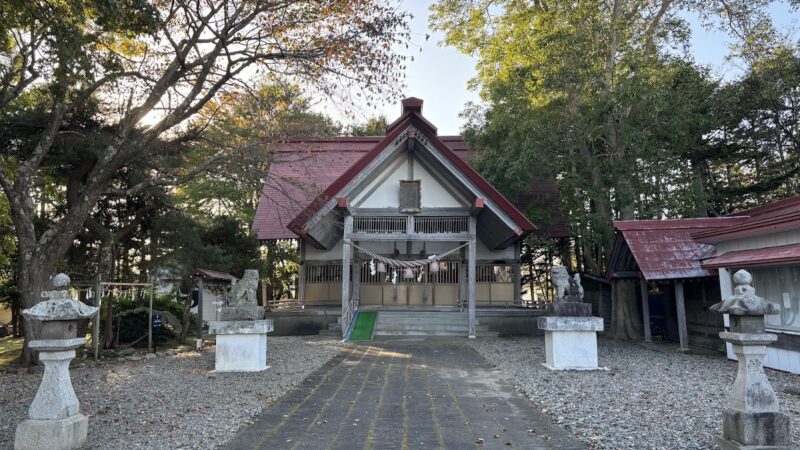
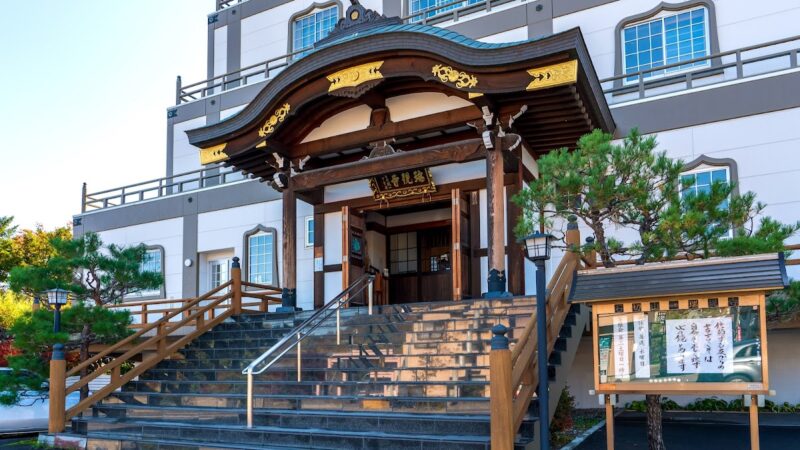
Zuigenji Temple is a Soto Zen Buddhist temple located in Ishiyama, Minami-ku, Sapporo City, Hokkaido. Its official name is “Zuigenji,” and it was founded in 1946 as a direct branch temple of Eiheiji Temple, the head temple of the Soto Zen sect. Currently, it is also known for operating “Sapporo Monami Fureai Park,” Japan’s first indoor gardening columbarium, and is used by many people as a comfortable place to pay respects even during Hokkaido’s harsh winters.
Minami-ku, Sapporo City, is a region rich in nature, and Zuigenji Temple stands quietly amidst this environment. Based on the teachings of the Soto Zen sect, it has long been cherished as a spiritual haven for the local community.
History and Origins of Zuigenji Temple
A Lineage Continuing from the Meiji Era
The origins of Zuigenji Temple date back to 1904 (Meiji 37). The origins of Zuigenji Temple lie in the founding of Kinryuzan Daikakuji Temple in Higashi-ku, Sapporo, by Zen Master Zengai Manju, the second head priest of Jissozan Chuo-ji Temple (Chuo-ku, Sapporo), a direct branch temple of Eihei-ji Temple, the head temple of the Soto Zen sect.
Jissozan Chuo-ji Temple was an important center of the Soto Zen sect in Sapporo, and Daikakuji Temple, which branched off from it, became the predecessor of Zuigenji Temple. Zen Master Zengai Manju is known as a high-ranking priest who dedicated himself to the propagation of the Soto Zen sect in Hokkaido.
Developments during the Taisho Era
On December 5, 1916 (Taisho 5), Zen Master Daishin Tetsuso, the fourth head priest of Daikakuji Temple, established a temporary main hall in Fujino 4-ku, Sapporo, as the Daikakuji Temple administrative office. During this period, as Sapporo’s development progressed and its population increased, a missionary base was needed to accommodate more believers.
The Fujino area was still a developing region at the time, but thanks to the foresight of Zen Master Daishin Tetsuso, a temporary main hall was established there.
Relocation and Founding in the Showa Era
In November 1942 (Showa 17), the temporary main hall was relocated to Ishiyama in the same city. Ishiyama is one of the central areas of Sapporo’s Minami Ward, located along the road to Jozankei Onsen. This relocation created an environment that made it more accessible to a larger number of worshippers.
Then, in November 1945 (Showa 20), when Chief Priest Saito Zuiko took office, on March 1, 1946 (Showa 21), Zuigenji Temple was officially founded as a branch temple of Eiheiji Temple. The temple name “Zuigen” is thought to have been taken from a character in Chief Priest Saito Zuiko’s name, and it embodies the meaning of a temple where fresh and vibrant Buddhist teachings emerge.
Founded shortly after the war, Zuigenji Temple steadily developed as a spiritual support for the local people.
The Significance of the Soto Zen School and its Direct Lineage to Eiheiji Temple
About the Soto Zen School
The Soto Zen School is a branch of Zen Buddhism introduced to Japan by Zen Master Dogen during the Kamakura period. It is based on the principle of “Shikantaza,” that is, simply sitting in meditation, and teaches that daily life itself is a form of spiritual practice.
The Soto Zen School has two main temples: Eiheiji Temple in Fukui Prefecture and Sojiji Temple in Kanagawa Prefecture. It is the largest Zen religious organization in Japan, with approximately 14,000 temples nationwide.
The Meaning of a Direct Branch Temple of Eiheiji Temple
Zuigenji Temple was founded as a “direct branch temple of Eiheiji Temple.” This means that it is a temple that directly inherits the lineage from Eiheiji Temple, and holds a high status within the Soto Zen School.
Normally, branch temples have a hierarchical structure with a sub-branch temple below the head temple, and then branch temples below that. However, a direct branch temple inherits the teachings directly from the head temple, thus having a more direct connection. This demonstrates the historical and religious importance of Zuigenji Temple.
Sapporo Monami Fureai Park (Columbarium)
Japan’s First Indoor Gardening Columbarium
Sapporo Monami Fureai Park, operated by Zuigenji Temple, is attracting attention as Japan’s first indoor gardening columbarium. Designed entirely indoors to allow for comfortable visits even during Hokkaido’s harsh winters, it is also fully barrier-free.
It has gained support from many people as a facility that responds to the heartfelt desire unique to northern regions: “I want to pay my respects even in the snowy season.” It features a bright and open space that overturns the traditional image of a cemetery.
A Space Surrounded by Seasonal Flowers
The facility is adorned with beautiful seasonal flowers and plants, creating an indoor garden surrounded by fountains and fresh flowers. The atmosphere is reminiscent of a botanical garden, making the time spent remembering loved ones more peaceful and peaceful.
The ability to visit in a comfortable environment regardless of the weather is a significant advantage, especially in Hokkaido. Even on snowy winter days, you can face your loved ones in a warm indoor setting.
Barrier-Free Design
Sapporo Monami Fureai Park is fully barrier-free, with no steps, making it easily accessible for wheelchair users. Consideration has been given to making it easy for families with young children and elderly visitors to visit without difficulty.
An elevator is also available, ensuring an environment where everyone can visit equally.
Types and Costs of Columbariums
Sapporo Monami Fureai Park offers several types of columbarium plans.
Perpetual Memorial Grave: From approximately 1.8 million yen
This type involves a period of individual interment followed by communal burial. Since memorial services continue perpetually, it provides peace of mind for those without a successor to a grave.
Tree Burial: From approximately 520,000 yen
This plan is for those who wish to return to nature. You can rest beneath a symbolic tree.
The cost varies depending on the length of the individual interment period and the maximum number of remains that can be accommodated. Please contact Zuigenji Temple directly for details.
About the Temple Membership System
Sapporo Monami Fureai Park does not have a temple membership system. Therefore, there is no need to become a member of a specific temple, and it can be used regardless of religion or sect. This can be considered a flexible approach that suits modern lifestyles.
Multipurpose Hall “Hall Roselia”
The facility includes a multipurpose hall, “Hall Roselia,” which can be used for memorial services and meals. Since everything from visiting the temple to the memorial service and meal can be completed in one place, it reduces the burden on the bereaved family.
Basic Information about Zuigenji Temple
Location and Contact Information
Address: 2-9 Ishiyama, Minami-ku, Sapporo City, Hokkaido
Sect: Soto Zen
Head Temple: Eiheiji Temple (Fukui Prefecture), Sojiji Temple (Kanagawa Prefecture)
For specific phone numbers and opening hours, please contact the temple directly or check their official website.
About Goshuin (Temple Seals)
Zuigenji Temple may offer Goshuin, but since staff may be absent from the temple office, it is recommended to contact them in advance before visiting. Those wishing to keep a record of their visit should confirm in advance.
Access Methods
Access by Car
From central Sapporo, head south on National Route 230 (Ishiyama-dori) towards Jozankei. You will see signs for Zuigenji Temple once you enter the Ishiyama area. The journey takes approximately 30 minutes from the city center.
Parking is available, making access by car convenient. Especially during winter, visiting by car is recommended over public transport.
Access by Public Transport
From Makomanai Station on the Sapporo Municipal Subway Namboku Line, take the Jotetsu Bus bound for Ishiyama. The temple is a few minutes’ walk from the nearest bus stop.
Bus schedules vary depending on the time of day, so it is recommended to check the timetable in advance.
Nearby Cemeteries
There are several public and private cemeteries around Zuigenji Temple.
- Sapporo Municipal Yataribetsu Cemetery: A public cemetery operated by Sapporo City
- Sapporo Municipal Fujino Cemetery: A public cemetery located in the Fujino area
- Other Private Cemeteries: Several private cemeteries are scattered throughout the area.
When choosing a burial plot, it is recommended to visit and compare multiple facilities.
Features and Recommended Points of Zuigenji Temple
Facilities Designed with Hokkaido’s Climate in Mind
The most distinctive feature of Zuigenji Temple is its indoor columbarium, designed to withstand Hokkaido’s harsh winter climate. The ability to visit in a warm and comfortable environment, even during snowy seasons, is a significant advantage not found in other facilities.
Bright and Open Atmosphere
The bright and open design defies the traditional image of cemeteries and columbariums. The beautiful environment, integrated with gardening, enriches the time spent remembering loved ones.
Flexibility Regardless of Sect
The absence of a danka (parishioner) system makes it accessible to everyone. Its flexible management policy, accommodating diverse modern lifestyles and values, is highly regarded.
Comprehensive Barrier-Free Facilities
In an aging society, barrier-free access is essential. Zuigenji Temple boasts a fully barrier-free design, ensuring a safe and comfortable environment for everyone to visit.
Points to Note When Visiting
Advance Contact Recommended
Since the temple office may be unattended, it is recommended that those wishing to receive a Goshuin (temple stamp) or those wanting detailed explanations contact the temple in advance before visiting.
Visiting in Winter
During winter, roads may be frozen, so winter tires are essential if visiting by car. Also, since snow may accumulate in the parking lot and temple grounds, please wear non-slip shoes.
Attire
For regular visits, everyday clothing is fine, but please dress appropriately if attending a memorial service or other formal event.
Zuigenji Temple and the Local Community
Since its founding in 1946, Zuigenji Temple has functioned as a spiritual center for the people of the Ishiyama district in Minami Ward, Sapporo City. It has a history of being involved in local weddings, funerals, and other ceremonial events, providing spiritual support to residents.
In modern times, it provides services to a wider community through the innovative columbarium, “Sapporo Monami Fureai Park.” A key characteristic of Zuigenji Temple is its flexible approach to meeting the needs of the times while preserving tradition.
Summary
Zuigenji Temple is a Soto Zen Buddhist temple with a historical lineage dating back to the Meiji era, yet it operates innovative facilities that meet modern needs. While maintaining the status of a direct branch temple of Eiheiji Temple, its flexible management policy, which does not adhere to a traditional parishioner system, makes it an open temple to many people.
In particular, “Sapporo Monami Fureai Park” is Japan’s first indoor gardening columbarium, designed with Hokkaido’s climate in mind, significantly changing the image of traditional cemeteries. The bright space surrounded by seasonal flowers, allowing for comfortable visits regardless of the weather, is a major advantage unique to northern Japan.
With its barrier-free design, it can be visited safely by the elderly and those in wheelchairs, and the presence of a multi-purpose hall makes it convenient to complete everything from prayers to memorial services in one location.
If you are looking for a grave or columbarium in Minami Ward, Sapporo City, or if you are looking for a facility where you can visit comfortably even in Hokkaido’s winter, please consider Zuigenji Temple and Sapporo Monami Fureai Park. There you will find a new form of memorial service where tradition and innovation are fused together.