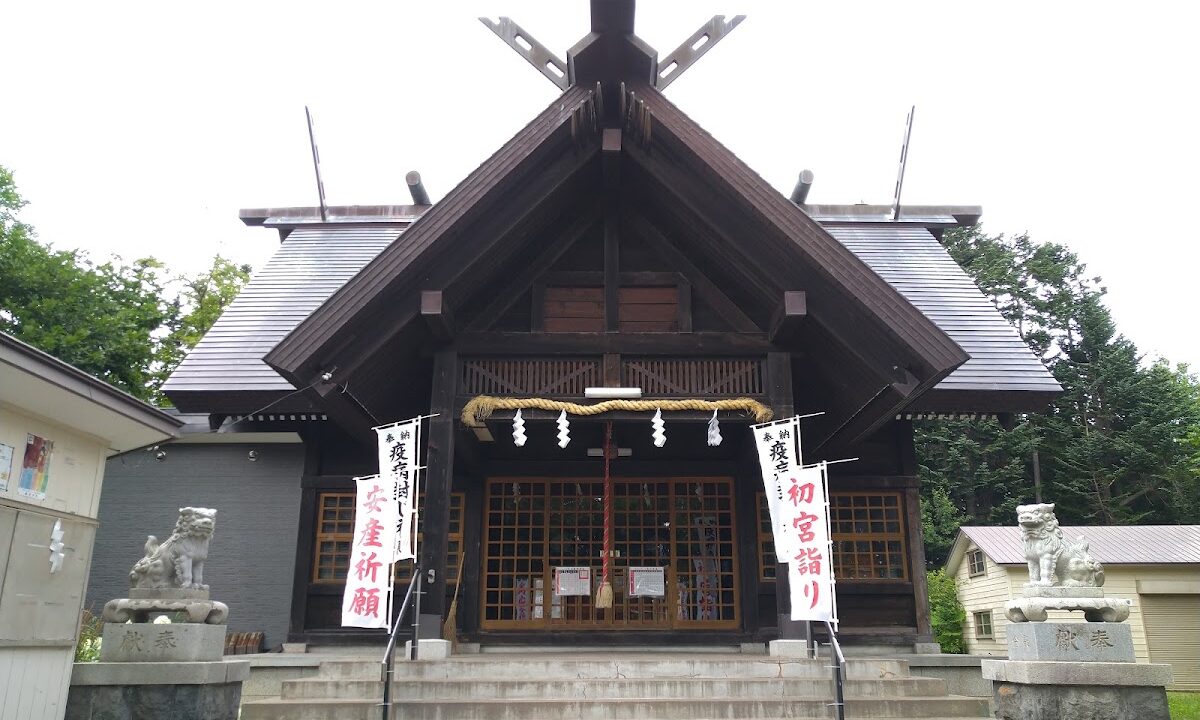
Omu Shrine (Hokkaido) Complete Guide | History, Deities, Goshuin (Shrine Seal), and Access Information
Omu Town is located on the Okhotsk Sea coast of Hokkaido. Omu Shrine has long been a center of faith for the local residents. From its founding in the Meiji era to the present day, this historic shrine has watched over the development of Omu Town’s main industries: fishing, forestry, and dairy farming. This guide provides a detailed introduction to this shrine.
Basic Information about Omu Shrine
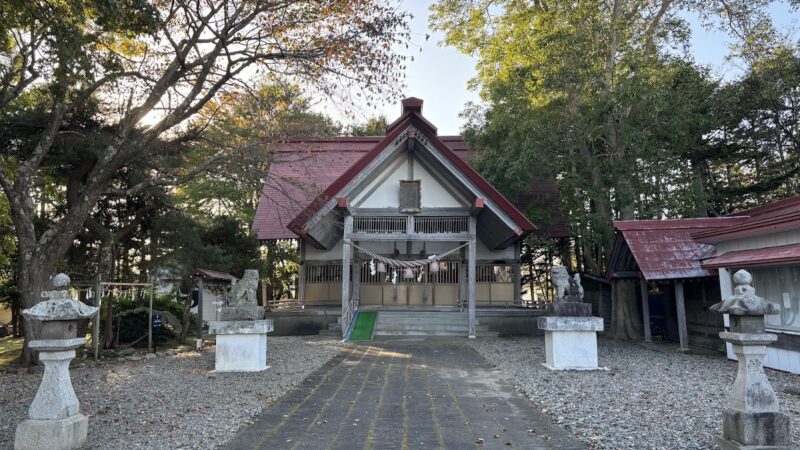
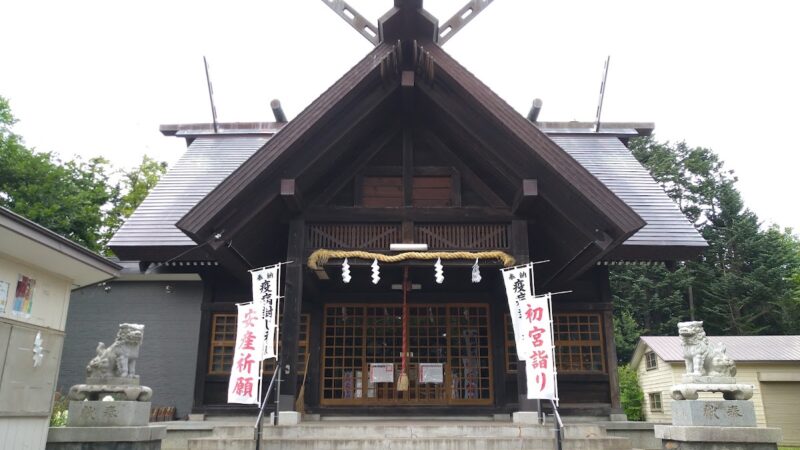
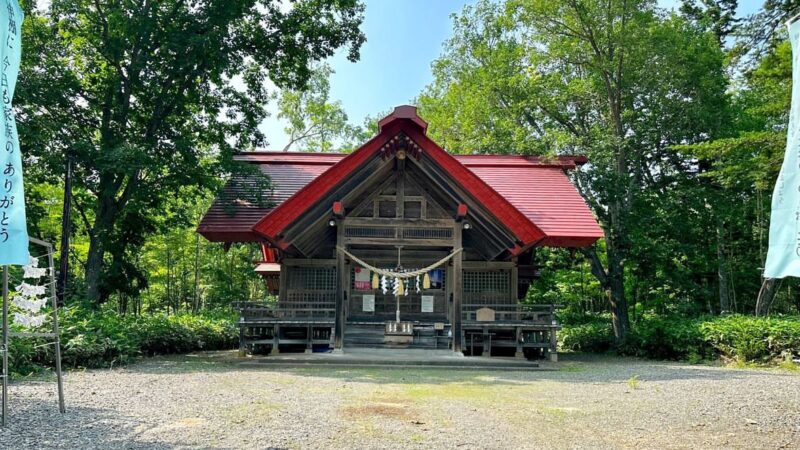
Omu Shrine is located at 1485 Omu, Omu-cho, Monbetsu-gun, Hokkaido. Formerly a village shrine, it is currently affiliated with the Hokkaido Shrine Association. Situated on a hill overlooking the Okhotsk Sea, it welcomes many worshippers as a spiritual pillar of the region.
Location: 1485 Omu, Omu-cho, Monbetsu-gun, Hokkaido
Former Shrine Rank: Village Shrine
Deities Enshrined: Amaterasu Omikami, Ichikishima Hime no Kami
History and Founding of Omu Shrine
Founding in the Meiji Era
The history of Omu Shrine dates back to 1885 (Meiji 18). In that year, people who had migrated from Aomori Prefecture settled in Omu and began operating fishing grounds in the Sea of Okhotsk. It is said that the origin of Omu Shrine lies in the construction of a small shrine (kosha) on a hill overlooking the seashore, where they prayed for a bountiful catch.
At that time, the development of Hokkaido welcomed many immigrants from various parts of Honshu, and Omu was no exception. In particular, the immigrants from Aomori Prefecture needed a shrine as a spiritual anchor while operating a fishing business in the harsh natural environment.
Construction of the Shrine in 1935
Time passed, and in 1935, thanks to the cooperation and efforts of the villagers, a full-fledged shrine was built on the present site. During this period, the town of Omu was developing around three main industries: forestry, fishing, and dairy farming. A more magnificent shrine was needed as a place to pray for the further prosperity of these industries.
Formal Shrine Construction in 1936
In 1936, Omu Shrine was formally established as a shrine on its present site. At this time, it was decided that Amaterasu Omikami, revered equally by all Japanese people, would be the principal deity, and Ichikishimahime-no-kami, worshipped since ancient times in Omu, would be enshrined as a secondary deity.
This decision had a clear purpose: to cultivate the concept of reverence for gods and ancestors, to ease the minds of the people, and to pray for the development of the village. The shrine was not merely a place of worship, but played an important role in strengthening the bonds of the local community and fostering a sense of community. ## About the Deities Enshrined
Two deities are enshrined at Omu Shrine.
Amaterasu Omikami
Amaterasu Omikami, enshrined as the principal deity, is the supreme goddess in Japanese mythology and the personification of the sun. She is considered the ancestral deity of the Imperial family and is enshrined at the Inner Shrine of Ise Grand Shrine. She is widely worshipped throughout Japan as the guardian deity of agriculture and all other industries, and as the goddess of national peace and abundant harvests.
The reason Amaterasu Omikami is the principal deity at Omu Shrine is as a symbol of national unity and an expression of the desire for regional prosperity and peace.
Ichikishima-hime no Kami
Ichikishima-hime no Kami, enshrined as a subordinate deity, is one of the three Munakata goddesses and is known as the guardian deity of maritime traffic. She is also often syncretized with Benzaiten and is worshipped as the goddess of performing arts and wealth. Considering that the Omu area has prospered from fishing since ancient times, it was natural that Ichikishimahime-no-kami was enshrined there to pray for safety at sea and abundant catches. The careful preservation of the deity worshipped in the region since its founding demonstrates a respect for local history and tradition.
Origin of the Name of Omu
The name Omu originates from the Ainu language. It is believed to derive from “Omui” (river mouth, blocked place) or simply “Omu” (river mouth, blocked). This describes the geographical feature where river mouths are easily blocked by sand and other debris.
The Ainu people left behind many place names that accurately capture the characteristics of nature, and Omu is one of them. This place name is a valuable cultural heritage that conveys the wisdom and keen observational skills of the indigenous people.
Industries of Oumu Town and the Role of the Shrine
Oumu Town, leveraging its location on the Sea of Okhotsk, has long developed through three major industries.
Fishing
Since its founding in the Meiji era, Oumu Shrine has served as a place for fishermen to pray for bountiful catches and safety at sea. The Sea of Okhotsk is known as a rich fishing ground, yielding a diverse range of seafood including salmon, trout, scallops, and hairy crabs. Fishermen still cherish the custom of visiting the shrine before setting out to sea to pray for safety and a good catch.
Forestry
With Hokkaido’s abundant forest resources as a backdrop, forestry has also developed as an important industry in Oumu Town. Oumu Shrine has also functioned as a place to express gratitude for the blessings of the forest and to pray for the safety of those involved in forestry.
Dairy Farming
Dairy farming, taking advantage of the cool climate, is also one of Oumu Town’s core industries. Dairy products produced from cows raised on vast pastures are a vital part of the local economy. Dairy farmers also visit the shrine to pray for the health of their livestock and the stability of their businesses.
Omu Shrine is closely intertwined with the local economy, serving as a place to pray for the development of all three of these industries.
About Goshuin (Shrine Seals)
Omu Shrine offers Goshuin. In recent years, with the growing popularity of Goshuin pilgrimages, the number of visitors to Omu Shrine has also increased.
Interestingly, Omu Shrine sometimes offers Goshuin from Okoppe Shrine in the neighboring town of Okoppe. This reflects the cooperation between local shrines and provides a convenient system for visitors to obtain multiple Goshuin in one location.
When requesting a Goshuin, please speak to the shrine office after completing your prayers. However, please note that they may not be able to accommodate requests when priests are absent or during festivals. Therefore, if you wish to be sure to receive a Goshuin, it is recommended to contact the shrine in advance.
Annual Events and the Grand Festival
At Omu Shrine, various Shinto rituals are performed throughout the year.
Grand Festival
The most important event is the Grand Festival, held annually in mid-July. In 2019 (Reiwa 1), it was held on July 17th under clear skies and was a grand success. On the day of the Grand Festival, shrine festivals are held throughout the town, and the entire community is enveloped in a festive atmosphere.
A portable shrine procession and dedication ceremonies are also held, making it the liveliest event of the year with many townspeople participating. This day is an important opportunity to reaffirm the bonds of the local community and share gratitude to our ancestors and hope for the future.
Other Annual Events
In addition to the Grand Festival, seasonal Shinto rituals such as the New Year’s Day Festival (January 1st), Setsubun Festival, and Autumn Grand Festival are also performed. These events provide opportunities to feel the changing seasons and renew our gratitude and reverence for nature.
Access Information
Location
1485 Omu, Omu-cho, Monbetsu-gun, Hokkaido
Access by Public Transportation
The nearest station is Nisshin Station on the JR Soya Main Line, but it is actually quite a distance from the center of Omu-cho. If using public transportation, the following routes are possible:
- Using JR: Take an express train from Asahikawa Station to Nayoro Station, then transfer to a bus bound for Okoppe/Omu from Nayoro Station.
- Using Buses: Use local buses from Monbetsu City or Okoppe Town.
However, since the number of buses is limited, it is essential to check the timetable in advance.
Access by Car
Access by car is the most convenient.
- From Sapporo: Approximately 4 hours 30 minutes (approx. 300 km)
- From Asahikawa: Approximately 3 hours 30 minutes (approx. 230 km)
- From Monbetsu: Approximately 45 minutes (approx. 40 km)
- From Okoppe: Approximately 20 minutes (approx. 15 km)
The most common route is via National Route 238, which runs along the Okhotsk Sea. You can enjoy beautiful coastal scenery along the way.
Parking
The shrine has parking spaces for visitors, but congestion is expected during events such as the annual festival, so early arrival is recommended.
Nearby Tourist Attractions
When visiting Omu Shrine, we recommend also visiting nearby tourist attractions.
Spectacular Views of the Okhotsk Sea
Omu Town faces the Okhotsk Sea, offering beautiful coastline views. The sunset, in particular, creates a fantastical scene as the sun sinks into the sea.
Oumu Roadside Station
This roadside station offers local specialties and fresh seafood. Processed seafood products, such as scallops and crabs, which are specialties of Oumu Town, are popular souvenirs.
Hinode Cape
Located in the northern part of Oumu Town, this scenic spot offers views of the sunrise over the Sea of Okhotsk. From the observation deck, you can enjoy a panoramic view of the vast ocean, and in winter, you can even see drift ice.
Manners and Etiquette for Visiting Shrines
When visiting a shrine, it is important to observe basic manners.
How to Pass Through a Torii Gate
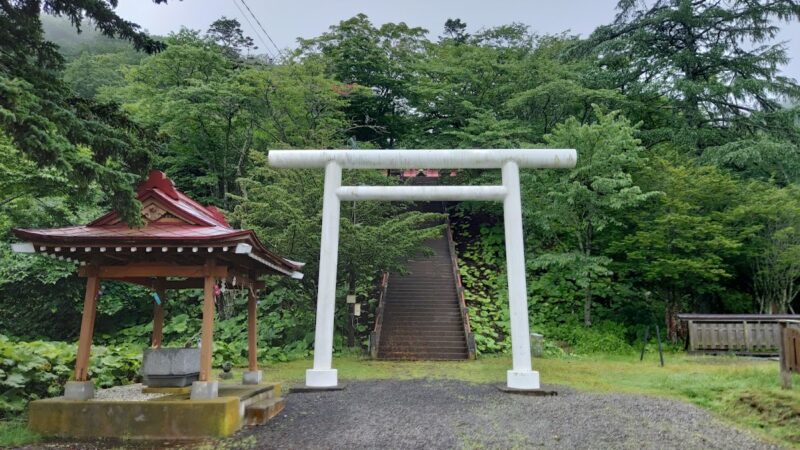
The torii gate is the entrance to the sacred area. Bow before passing through, and walk along the sides of the path, as the center (seichu) is considered the path of the gods.
Proper Ritual for Washing Hands
- Take the ladle with your right hand and wash your left hand.
- Switch the ladle to your left hand and wash your right hand.
- Switch the ladle back to your right hand, receive water in your left hand, and rinse your mouth.
- Wash your left hand again.
- Hold the ladle upright, wash the handle, and return it to its original position.
Proper Ritual for Worshiping at the Main Hall
- Quietly place your offering in the offering box.
- Ring the bell (if present).
- Perform two bows, two claps, and one bow (two deep bows, two claps, one deep bow).
The Role of Omu Shrine in the Community
Omu Shrine plays a diverse role in the local community, going beyond being merely a place of worship.
Spiritual Pillar
For people living in a harsh natural environment, shrines serve as a spiritual anchor. Many find peace of mind by visiting shrines during life’s turning points or when facing difficulties.
The Heart of the Community
Shrine events, including the annual festival, provide valuable opportunities for local residents to gather and interact. They foster intergenerational exchange and strengthen community bonds.
Preservation of Traditional Culture
Through shrine festivals and events, Japanese traditional culture and local history are passed down to future generations. Children participating in shrine events naturally cultivate a sense of attachment and pride in their community.
Tourism Resource
In recent years, the number of tourists visiting shrines for the purpose of collecting Goshuin (shrine stamps) and other shrine-related activities has increased, making Omu Shrine an important tourist resource in the region.
Characteristics of Shrines in Hokkaido
Understanding Omu Shrine is also beneficial because it reveals the unique characteristics of shrines in Hokkaido.
Relatively Recent History
Compared to ancient shrines on Honshu, many shrines in Hokkaido were founded after the Meiji era. This is related to the fact that the full-scale development of Hokkaido began during the Meiji era.
The Faith of Pioneers
Many shrines in Hokkaido were established by pioneers who migrated from various parts of Honshu, either by inviting a divided spirit from their hometown shrines or by newly creating them. Therefore, they are closely intertwined with the local industry and the history of pioneering.
Relationship with Ainu Culture
Hokkaido is the land of the Ainu people, and many traces of Ainu culture remain, including place names. The place name Omu is also of Ainu origin, and it is characterized as a place where the cultures of the indigenous people and the cultures of the immigrants intersect.
Summary: The Charm of Omu Shrine
Since its founding in 1885 (Meiji 18), Omu Shrine has been a center of faith for the people of Omu Town for nearly 140 years. Its beautiful location overlooking the Sea of Okhotsk, its history deeply intertwined with local industry, and its continued role as the center of the local community—all of these contribute to the great charm of Omu Shrine.
Near the magnificent nature of Hokkaido, Omu Shrine has continuously received the prayers and wishes of the people. Its history and tradition will continue to be carefully preserved as a treasure of the region.
If you have the opportunity to travel along the Okhotsk Sea coast, be sure to visit Omu Shrine. In its tranquil grounds, offering a prayer, you will surely feel the sentiments and beliefs accumulated over its long history.
Frequently Asked Questions (FAQ)
Q1: When can I get a Goshuin (shrine stamp) at Omu Shrine?
A1: Omu Shrine usually issues Goshuin during the hours the shrine office is open. However, this may not be possible when the priests are absent or during festivals. If you want to be sure to receive a Goshuin, we recommend calling ahead to confirm. You may also be able to receive a Goshuin from Okoppe Shrine at the same time.
Q2: What is the most convenient way to access Omu Shrine?
A2: Access by car is the most convenient. Public transportation is limited, so we recommend renting a car or joining a tour. It’s approximately 4 hours and 30 minutes from Sapporo, 3 hours and 30 minutes from Asahikawa, and 45 minutes from Monbetsu City.
Q3: When is the annual festival held?
A3: The annual festival is usually held in mid-July. The specific date may vary from year to year, so we recommend checking the latest information on the websites of the Omu Town Tourism Association or the Hokkaido Shrine Association.
Q4: What is the origin of the place name Omu?
A4: The place name Omu originates from the Ainu language, specifically from “Omui” (river mouth, blocked, place) or simply “Omu” (river mouth, blocked). This describes the geographical feature where river mouths are easily blocked by sand and other debris.
Q5: What kind of blessings can be obtained at Omu Shrine?
A5: Amaterasu Omikami, the main deity of Omu Shrine, is believed to grant blessings such as national peace and security, abundant harvests, and good fortune. Additionally, Ichikishimahime-no-kami, a subordinate deity, is believed to grant blessings such as maritime safety, bountiful fishing, improvement in performing arts, and wealth. In particular, it is a place where people pray for the development of the region’s main industries—fishing, forestry, and dairy farming—and is expected to bring blessings for industrial prosperity.
Q6: Are there any accommodations near Omu Shrine?
A6: There are accommodations such as guesthouses and hotels in Omu Town. There are also more accommodation options in the neighboring towns of Okoppe and Monbetsu. You can enjoy sightseeing along the Okhotsk Sea coast while leisurely visiting the shrine.
Q7: Can I visit the shrine in winter?
A7: Omu Shrine is open year-round, but there is snow in winter and the roads may be icy. If you visit in winter, please take precautions against the cold, wear non-slip shoes, and pay attention to road conditions. The Okhotsk Sea in winter is uniquely beautiful, and drift ice can sometimes be seen.
Q8: Can I have a wedding or prayer ceremony at Omu Shrine?
A8: Omu Shrine performs wedding ceremonies and various prayer ceremonies (first shrine visit for a newborn, Shichi-Go-San, exorcism, etc.). If you wish to participate, please contact the shrine in advance to discuss the schedule and details. As a shrine that watches over important life events for the local community, they will provide courteous service.