Saroma Shrine (Hokkaido) Complete Guide | From History, Deities, Divine Virtues to Visiting Information
Located in Saroma Town, Tokoro District, Hokkaido, Saroma Shrine is a historic shrine that has walked hand in hand with the pioneering efforts of the Meiji era. Situated in a naturally rich environment near Lake Saroma, it is cherished by many as the local tutelary deity. This article will comprehensively convey the charm of Saroma Shrine, including its detailed history, enshrined deities, divine virtues, visiting information, and annual events.
History of Saroma Shrine
Founding and Construction of a Small Shrine during the Pioneer Period
The history of Saroma Shrine dates back to 1904 (Meiji 37). In April of that year, 33 pioneers from Okayama Prefecture and 14 from Ishikawa Prefecture migrated to Saroma Town. These pioneers, blazing a trail across the harsh Hokkaido landscape, needed a place to worship a deity as a spiritual anchor.
On June 26th of the same year, the settlers erected a small shrine at 29-go, Kita 5-sen, Saroma-cho, and enshrined four deities: Amaterasu Omikami, Okunitama no Kami, Onamuchi no Kami, and Sukunahikona no Kami. This small shrine is the origin of the present-day Saroma Shrine.
Formal Founding in the Taisho Era
As settlement progressed and the region developed, the establishment of a more formal shrine became desirable. On September 27, 1924 (Taisho 13), the formal founding of Saroma Shrine was authorized by Ministry of Home Affairs Order No. 10. As a result, Saroma Shrine became the guardian deity of Saroma-cho and the center of faith for the local residents.
A guardian deity is a god who protects the people born in a particular land and plays an important role as a spiritual pillar of the local community. Saroma Shrine came to be revered as a guardian presence for the pioneers and their descendants, and its divine virtues were deeply cherished.
Relocation in the Showa Era
In the spring of 1943 (Showa 18), a plan to relocate the shrine was proposed. To provide a better environment for worshipping the deities, local residents donated 9 tan 6 se (approximately 9,600 square meters) of land as a shrine precinct. Construction began in June of the same year, and the new shrine building was completed on July 1, 1944 (Showa 19), at which point the relocation ceremony was held.
This relocation took place during the difficult period of the Pacific War, demonstrating the strong faith of the local residents and their deep respect for the shrine. The current Saroma Shrine building is based on the structure erected at that time.
Deities and Divine Virtues
Amaterasu Omikami
Amaterasu Omikami is the supreme deity in Japanese mythology and is revered as the ancestral deity of the Imperial Family. She is the personification of the sun and bestows light and warmth upon all life.
Divine Virtues:
- National Peace and Security
- Good Fortune and Prosperity
- Enhancement of Vitality
- Growth and Prosperity of All Things
Okunitama no Kami
Okunitama no Kami is the spirit of the earth and a particularly important deity as the guardian deity of Hokkaido’s development. She is also known as the enshrined deity of Okunitama Shrine, the main shrine of Musashi Province.
Divine Virtues:
- Protection of land development
- Prosperity of agriculture
- Regional development
- Industrial prosperity
Ōnamuchi-no-kami
Ōnamuchi-no-kami is another name for Ōkuninushi-no-mikoto and is known as the god of nation-building. He is a god with a wide range of divine virtues, including medicine, matchmaking, and business prosperity.
Divine Virtues:
- Matchmaking and family safety
- Business prosperity
- Healing from illness
- Good fortune and protection from evil
Sukunahikona-no-kami
Sukunahikona-no-kami is a god who worked with Ōnamuchi-no-kami in nation-building and is worshipped as the god of medicine, hot springs, and sake brewing. He is depicted as a small god with wisdom and strength.
Divine Virtues:
- Healing from illness and promoting health
- Protection of medicine
- Granting wisdom
- Industrial development
These four deities were chosen to protect all aspects of the lives of the settlers in the harsh environment of the pioneering era. This combination of deities is capable of addressing all the challenges faced by the pioneers, including agricultural success, maintaining health, and regional development.
Grounds and Facilities of Saroma Shrine
Features of the Shrine Building
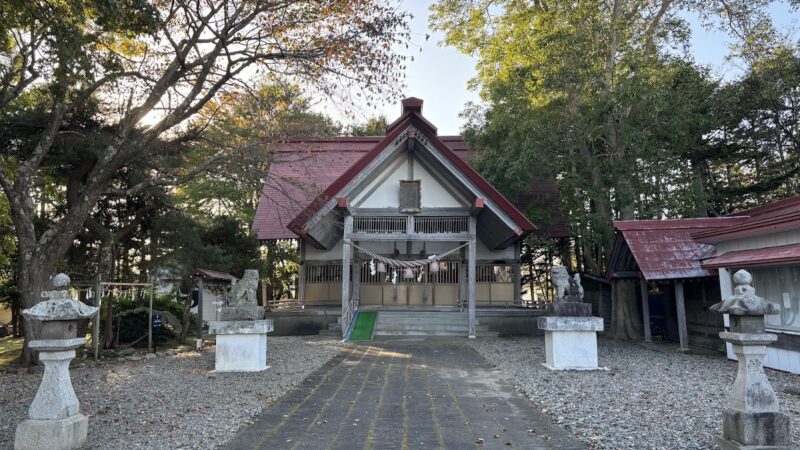
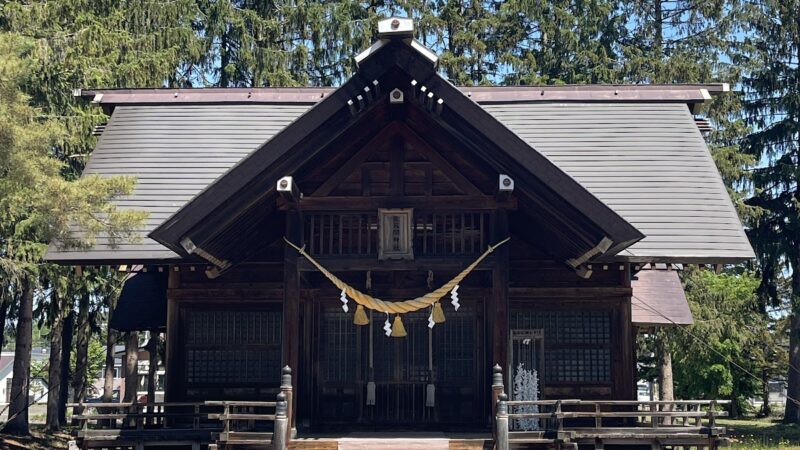
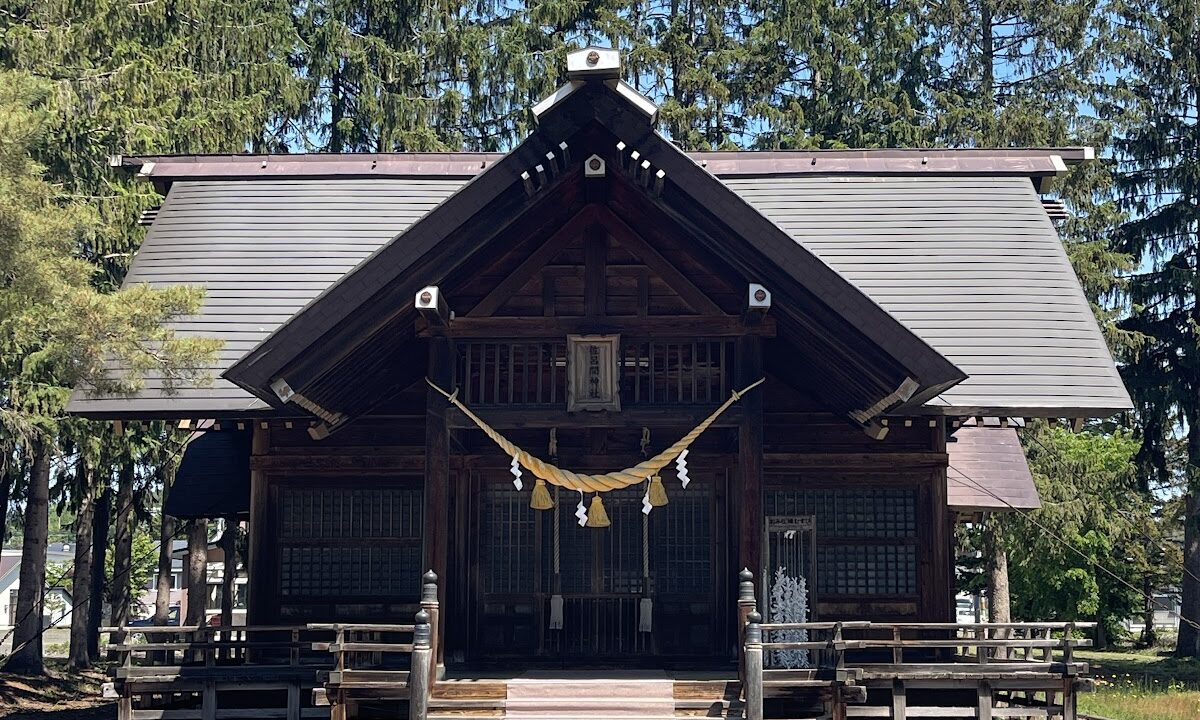
The shrine building of Saroma Shrine is a traditional shrine building constructed in 1944. It is sturdily built to withstand Hokkaido’s harsh climate. The main hall, worship hall, and shrine office are arranged, creating a warm and welcoming atmosphere for visitors.
Natural Environment of the Shrine Garden
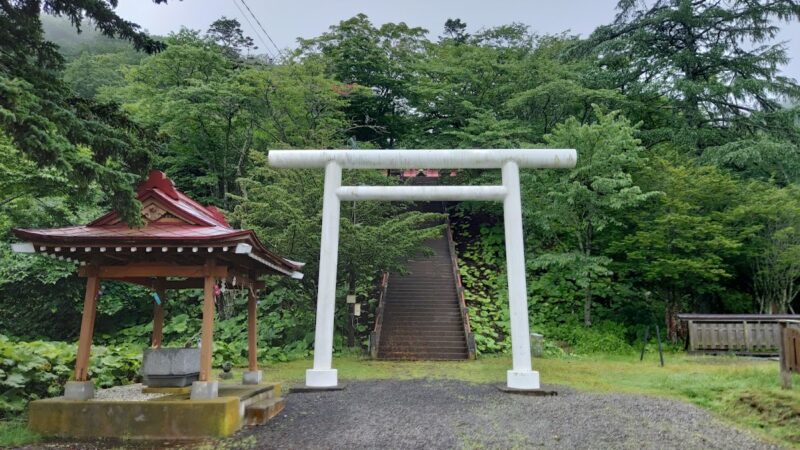
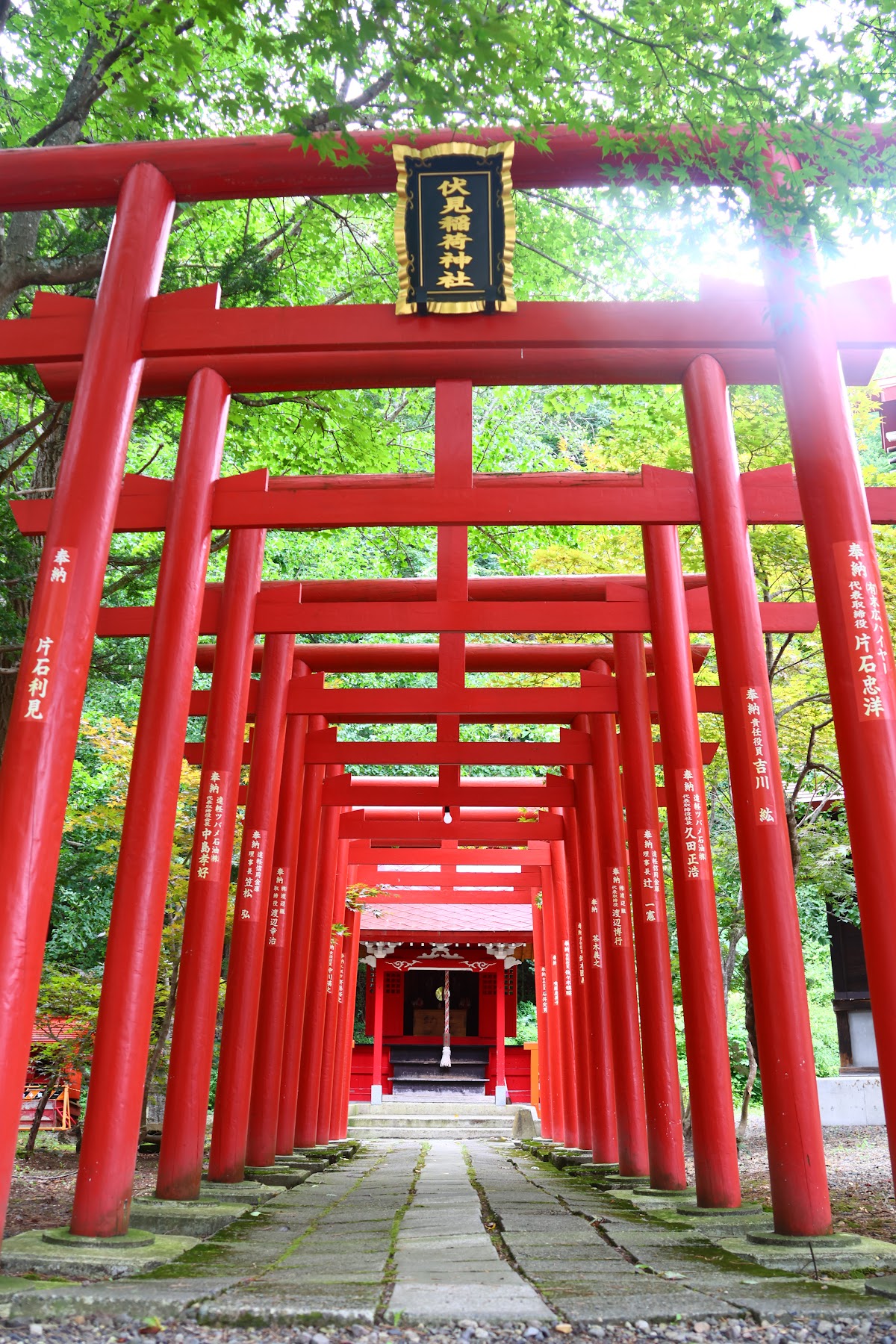
The shrine garden, covering approximately 9,600 square meters, is surrounded by nature typical of Hokkaido. The fresh greenery is beautiful from spring to summer, and the autumn leaves color the grounds. In winter, a tranquil landscape covered in snow unfolds, allowing visitors to enjoy the changing scenery of each season.
The area surrounding the shrine is a naturally rich environment close to Lake Saroma, embodying the characteristics of Saroma Town, surrounded by forests and a lake. Visitors can also enjoy this abundant nature during their visit.
Annual Events and Rituals
Saroma Shrine holds various rituals and festivals throughout the year. These events play an important role in strengthening community bonds and passing on traditions to future generations.
Main Annual Events
New Year’s Day Festival (January 1st)
A ritual to celebrate the New Year and pray for peace and prosperity throughout the year. Many worshippers visit for their first shrine visit of the year.
Spring Grand Festival
Celebrating the arrival of spring and praying for safety in agricultural work and a bountiful harvest.
Summer Grand Festival
The most important festival of the summer, sometimes featuring a portable shrine procession and offering ceremonies. This is a lively festival where people from the local community gather.
Autumn Grand Festival
A festival to give thanks for the harvest and celebrate a bountiful harvest. We offer our gratitude for the year’s fruits.
Shichi-Go-San Ceremony
A celebration of children’s growth and prayers for their healthy development.
Great Purification Ceremony (June & December)
A Shinto ritual to cleanse away the impurities accumulated over the past six months, aiming for purification of mind and body.
These rituals are conducted according to traditional Shinto practices as a shrine belonging to the Hokkaido Shrine Association.
Visiting Information and Access
Location
171 Nagata-cho, Saroma-cho, Tokoro-gun, Hokkaido 093-0502
Access Methods
Access by Car
- Approximately 50km from Kitami City via National Route 238, about 1 hour by car
- Approximately 60km from Abashiri City via National Route 238, about 1 hour 10 minutes by car
- Approximately 5 minutes by car from Saroma town center
Public Transportation
- Get off at Saroma Bus Terminal via Kitami Bus or Abashiri Bus, about 10 minutes on foot
Parking
There is parking space for visitors on the shrine grounds. It may get crowded during events such as the annual festival, so it is recommended to visit with plenty of time to spare.
Visiting Hours
The shrine grounds are generally open for free visits. It is recommended to check the shrine office’s operating hours in advance. Those wishing to receive a Goshuin (temple/shrine stamp) or amulet should contact the Hokkaido Shrine Association or Saroma Town Hall in advance to ensure availability.
Etiquette for Visiting a Shrine
The basic etiquette for visiting a shrine is as follows:
- Bow before passing through the torii gate
- Purify your body and mind at the water basin
- Take the ladle with your right hand and purify your left hand.
- Switch the ladle to your left hand and purify your right hand.
- Switch the ladle back to your right hand, receive water in your left hand, and rinse your mouth.
- Finally, hold the ladle upright to purify the handle.
- Bow twice, clap twice, and bow once in front of the main hall
- Bow deeply twice.
- Clap your hands twice in front of your chest.
- Finally, bow deeply once.
Saroma Town and Saroma Shrine
Overview of Saroma Town
Saroma Town is a town located in Tokoro District, under the jurisdiction of the Okhotsk General Subprefectural Bureau of Hokkaido. Although a small town with a population of approximately 5,000, it is blessed with a rich natural environment, facing Lake Saroma, the largest brackish lake in Hokkaido.
The town’s main industries are primary industries such as agriculture, fishing, and forestry. Scallop fishing, in particular, is nationally known as a specialty of Lake Saroma. Field crop farming is also thriving, with wheat, sugar beets, and potatoes being cultivated.
The Role of the Shrine in the Community
Saroma Shrine has functioned not merely as a religious facility, but as a central presence in the local community. The annual festival and other events provide valuable opportunities for local residents to gather, fostering intergenerational exchange.
From the pioneering era to the present day, Saroma Shrine has watched over the history of the region. It continues to play an unchanging role as a presence that accompanies people at important milestones in their lives, such as Shichi-Go-San (a traditional rite of passage for children) and Hatsumieyamairi (a first shrine visit for newborns), as well as for prayers for protection against misfortune and business prosperity.
Nearby Tourist Attractions
When visiting Saroma Shrine, we recommend also visiting the nearby tourist attractions.
Lake Saroma
Lake Saroma is the third largest lake in Japan and the largest brackish lake in Hokkaido. Scallop and oyster farming is thriving here, allowing visitors to enjoy fresh seafood. The view from the lakeside is spectacular, and it is especially known for its beautiful sunsets.
Saroma Town Exchange Center “Saroman”
As a town information hub, you can learn about the region’s history and culture. Exhibits cover the history of Saroma Town’s development and the natural environment of Lake Saroma.
Wakka Wildflower Garden
This wildflower garden stretches across the sandbar separating Lake Saroma from the Sea of Okhotsk. From June to August, approximately 300 varieties of flowers, including Ezo lilies, Japanese roses, and Ezo daylilies, bloom. It’s a spot where you can experience the magnificent nature of Hokkaido.
Sakaeura Second Lakeside Park Campground
Located on the shores of Lake Saroma, this campground boasts a vast tent site. With over 50 varieties of flowers blooming, including Iris ensata, Rosa rugosa, and Coralberry, it offers a charming, large-scale landscape typical of Hokkaido.
Hokkaido Shrine Association and Saroma Shrine
Saroma Shrine is one of the shrines belonging to the Hokkaido Shrine Association. The Hokkaido Shrine Association is an organization that oversees shrines throughout Hokkaido, with its headquarters in Chuo-ku, Sapporo.
Role of the Hokkaido Shrine Association
The Hokkaido Shrine Association oversees approximately 600 shrines in Hokkaido and carries out the following activities:
- Support and guidance for shrine management
- Training and education of Shinto priests
- Promotion and awareness of Shinto culture
- Liaison and coordination with the Association of Shinto Shrines
- Contribution activities to the local community
Saroma Shrine, as a member of this organization, continues its community-based activities while preserving traditional Shinto practices.
Branch Organizations of the Association of Shinto Shrines
The Hokkaido Association of Shinto Shrines has branches established in each region. Branches such as the Sapporo Branch, Southern Hokkaido Branch, and Hiyama Branch conduct activities tailored to the characteristics of each region. Saroma Shrine belongs to the Okhotsk region branch and works in cooperation with local shrines.
Life Rituals and Family Worship
Saroma Shrine can perform various rituals for milestones in life.
Life Rituals
First Shrine Visit (Omiyamairi)
Around one month after birth, prayers are offered for the healthy growth of the baby.
Shichi-Go-San Ceremony
Celebrating the growth of children at ages 3, 5, and 7, and praying for their future health and happiness.
Coming-of-Age Ceremony
Reporting to the gods that one has reached adulthood and praying for safety in the future.
Exorcism Prayer
Prayers for protection from misfortune and peace for those entering their unlucky years.
Wedding Ceremony
We can perform a Shinto wedding ceremony (prior consultation is required).
Family Worship
The shrine also accepts consultations regarding the enshrinement of household shrines. By enshrining a Jingu Taima, a talisman from Ise Grand Shrine, in your home shrine, you can pray for the safety of your family.
Guidelines for Visiting Saroma Shrine
The Significance of Worship
Visiting a shrine is not merely sightseeing or a place to make requests. It is an opportunity to express gratitude to the gods, purify your heart, and reflect on your daily life. When visiting Saroma Shrine, we recommend the following mindset:
- Gratitude: Be grateful for the peace of your daily life.
- Humility: Have reverence for nature and the gods.
- Purity: Leave the hustle and bustle of everyday life and quiet your mind.
- Respect for the Community: Respect the history and culture of the land.
Manners for Visiting the Shrine
- Act quietly within the shrine grounds and avoid disturbing other visitors.
- Take photographs only in designated areas.
- Refrain from entering the main hall or sacred areas without permission.
- Always take your trash with you.
- Cherish the natural environment.
The Future of Saroma Shrine
Saroma Shrine has walked hand in hand with the community for over 120 years since its founding in the Meiji era. Even while facing challenges such as population decline and depopulation, it continues to play an important role as a spiritual pillar of the community.
In recent years, efforts to utilize shrines as centers for regional revitalization have been seen in various places. Saroma Shrine will likely continue to explore activities that adapt to the new era while preserving its traditions.
Its value as a tourist resource is also increasing, and more people are visiting it in conjunction with sightseeing around Lake Saroma. As a place that conveys the history and culture of the region, and as a haven for those seeking peace of mind, Saroma Shrine will continue to be an important presence.
Summary
Saroma Shrine is a historic shrine located in Saroma Town, Tokoro District, Hokkaido. Since its founding in 1904 (Meiji 37), it has watched over the pioneers and their descendants and has been revered as the local tutelary deity. It enshrines four deities: Amaterasu Omikami, Okunitama-no-kami, Onamuchi-no-kami, and Sukunahikona-no-kami, protecting people’s lives through various divine virtues.
Located in a naturally rich environment near Lake Saroma, visitors can enjoy the beautiful scenery of each season. It continues to play a central role in the local community through annual events and life cycle rituals.
When you visit Saroma Town, be sure to pay your respects at Saroma Shrine and spend some time quietly contemplating the history of its development and facing the gods. You will be able to feel the vast nature of Hokkaido and the history of faith of the people who live there.