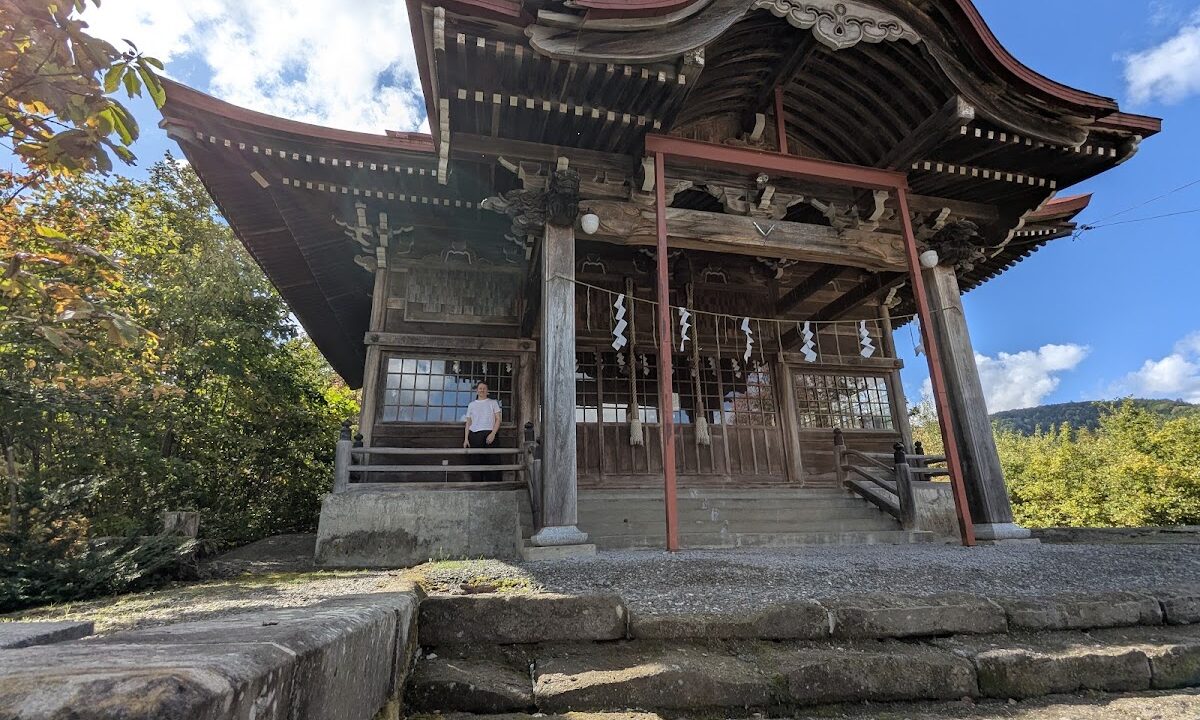
Maruseppu Shrine (Hokkaido): History and Charm – A Thorough Guide to a Place of Faith Following in the Footsteps of Tenmangu Shrine
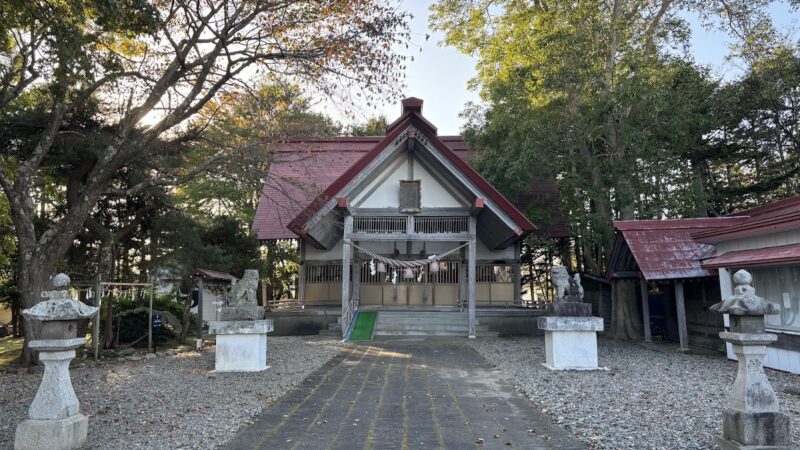
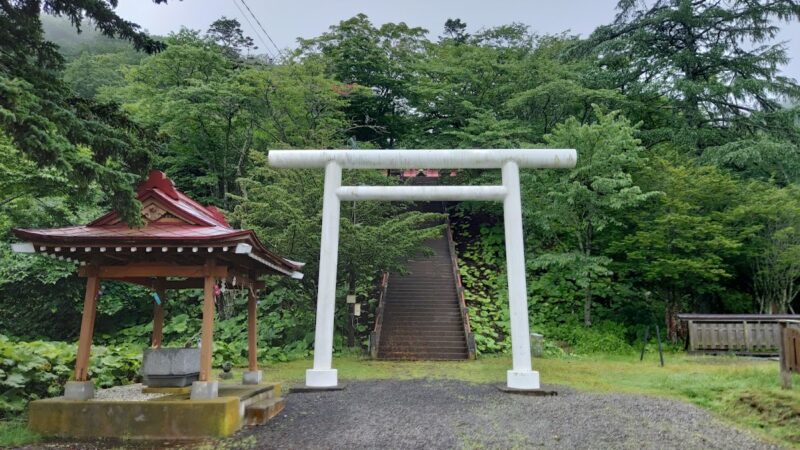
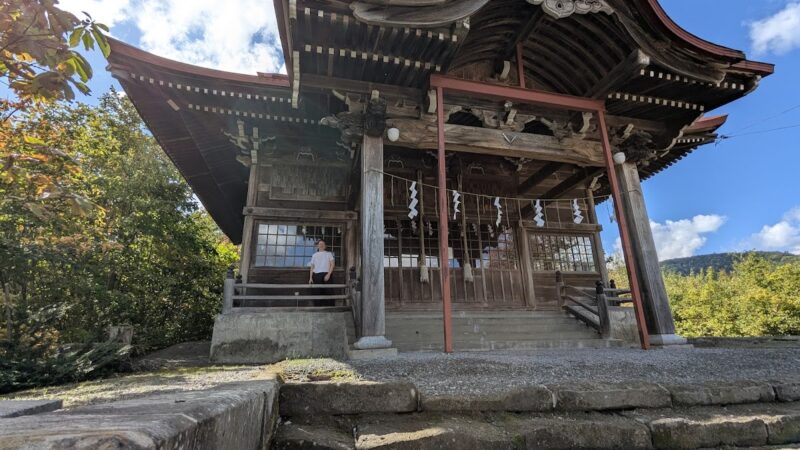
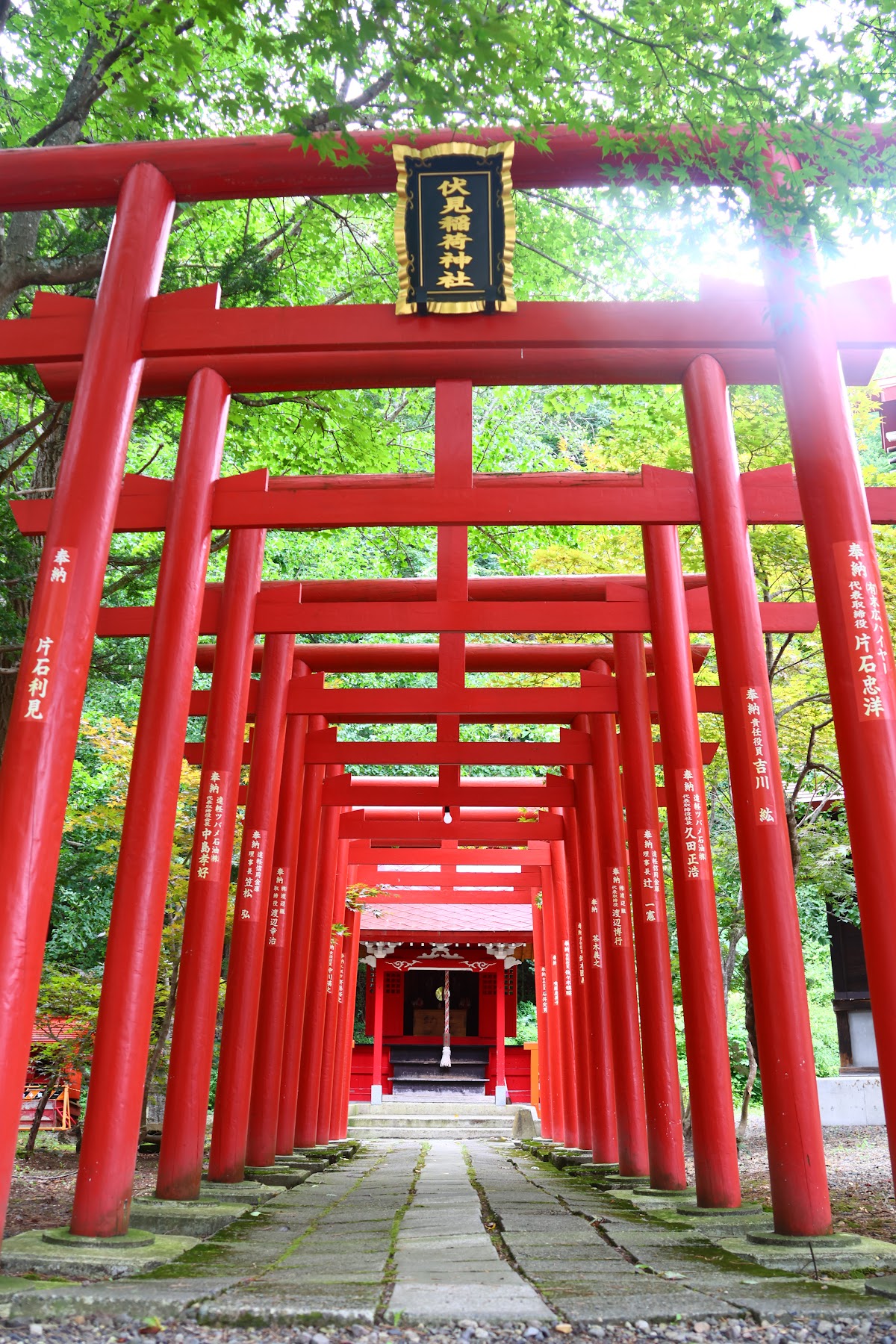
Located in the Maruseppu district of Engaru Town, Hokkaido, Maruseppu Shrine is a historic shrine that has been cherished by the local people since the pioneering days of the Meiji era. It was established by inviting Sugawara no Michizane from Kitano Tenmangu Shrine in Toyama Prefecture, and has been revered as the god of learning. This article will provide a comprehensive overview of Maruseppu Shrine, including its detailed history, enshrined deities, highlights within the grounds, access methods, and surrounding tourist attractions, offering a complete glimpse into the charm of this region.
Basic Information on Maruseppu Shrine
Location and Access
Maruseppu Shrine is located in Maruseppu, Engaru Town, Monbetsu District, Hokkaido. Engaru Town is located in the central part of the Okhotsk region of Hokkaido, midway between Asahikawa City and Kitami City.
Location: Maruseppu, Engaru-cho, Monbetsu-gun, Hokkaido
Access:
- Within walking distance from Maruseppu Station on the JR Sekihoku Main Line
- Approximately 2 hours by car from Asahikawa
- Approximately 1 hour 30 minutes by car from Kitami
- Approximately 1 hour by car from Okhotsk Monbetsu Airport
- Approximately 1 hour 30 minutes by car from Memanbetsu Airport
Maruseppu Station, as a station on the Sekihoku Main Line, is an important transportation hub connecting Asahikawa and Abashiri. It is approximately 4 hours from Sapporo by connecting express and local trains, and approximately 5 hours from Chitose.
Deity and Blessings
The deity enshrined at Maruseppu Shrine is Sugawara no Michizane. Sugawara no Michizane was a scholar and politician of the Heian period and is revered nationwide as the god of learning.
Main Benefits:
- Academic Success
- Prayer for Passing Exams
- Improvement in Academics
- Improvement in Literary Arts
- Protection from Evil and Good Fortune
During exam season, local students and their parents visit to pray for success, and the shrine is cherished as the guardian deity of local education and culture.
History of Maruseppu Shrine
Meiji Era: Founding of Tenmangu Shrine
The history of Maruseppu Shrine dates back to April 1912 (Meiji 45). It began when pioneers from Kitano Village, Toyama Prefecture (present-day Toyama City), erected a wooden monument inscribed with “Tenmangu” on the top of a hill (Tenjin-yama) at the western edge of the farm, in honor of their hometown’s Kitano Tenmangu Shrine.
During the pioneering period of Hokkaido, it was common for settlers to invite deities from their hometown shrines to serve as a spiritual anchor. In the development of Maruseppu, settlers from Toyama Prefecture played a central role, and Tenmangu Shrine was founded as the center of their faith. The place name Tenjin-yama also originates from the Tenmangu shrine dedicated to Sugawara no Michizane, and remains an important place name that tells the history of this region.
Taisho Era: Invitation of the Sacred Object and Construction of the Shrine
In 1914 (Taisho 3), the Tenmangu shrine in Maruseppu underwent significant development. A wooden statue of Sugawara no Michizane was formally invited from Kitano Tenmangu shrine in Kitano village, Toyama prefecture, and a shrine measuring 2 shaku x 3 shaku (approximately 60 cm x 90 cm) was built with Tenjin-yama as its backdrop. The shrine’s name was officially established as “Tenmangu.”
During this period, settlement began in earnest throughout Hokkaido, and agriculture and forestry also developed in the Maruseppu area. As the lives of the settlers stabilized, the development of shrines as places of worship also progressed.
Showa Era: Establishment as a Religious Corporation
On October 6, 1952 (Showa 27), the religious corporation “Maruseppu Shrine” was officially established based on the post-war Religious Corporations Law. In the same year, a shrine office, which also served as the chief priest’s residence, was newly constructed, completing the shrine’s structure.
This period coincided with the post-war reconstruction, a time when the role of shrines as spiritual pillars of local communities became increasingly important. Maruseppu Shrine became a central hub for local festivals and annual events, fostering community bonds.
Throughout the Showa era, Maruseppu Shrine grew alongside the region’s development and was cherished as a symbolic presence of Maruseppu, a town that prospered from forestry. Especially until the 1950s (Showa 30s), when the forest railway was in operation, it played a crucial role as a place for forestry workers to pray for safety.
History and Culture of the Maruseppu Area
History of Maruseppu’s Development
The name Maruseppu originates from the Ainu word “Maruseppu” (meaning “three rivers”). The area was named after its location at the confluence of three rivers: the Takei River, the Maruseppu River, and the Shiyubetsu River.
Full-scale development began in the late Meiji era, and agriculture and forestry developed thanks to settlers from Toyama Prefecture and other parts of Honshu. Forestry, in particular, which utilized the abundant forest resources, became Maruseppu’s main industry during the Showa era, supporting the local economy.
Development of the Forest Railway and Forestry
The existence of the forest railway is indispensable when discussing Maruseppu. The steam locomotive “Amemiya No. 21,” manufactured in 1928 by Amemiya Seisakusho in Tokyo, played an active role in transporting logs from the national forest deep in the mountains of Maruseppu until the Takei Forest Railway was abolished in 1958.
This forest railway is registered as a Hokkaido Heritage site and is currently preserved in working order at Maruseppu Forest Park Ikoi-no-Mori. As a valuable industrial heritage site that conveys the prosperity of the forestry industry at that time, it is a popular tourist spot.
Maruseppu Shrine, as the guardian deity of this region that prospered from forestry, has watched over the safety of workers and the prosperity of the community.
Hokkaido Shrine Association and Maruseppu Shrine
Maruseppu Shrine belongs to the Hokkaido Shrine Association and operates as part of the Hokkaido shrine network. The Hokkaido Shrine Association is headquartered in Miyagaoka, Chuo-ku, Sapporo, and manages and supports shrines throughout Hokkaido.
The Hokkaido Shrine Association promotes shrine culture through activities such as providing information on Shinto rituals, gagaku (ancient Japanese court music), and annual events in Hokkaido. Maruseppu Shrine participates in these activities and strives to preserve the region’s traditional culture.
Tourist Attractions Around Maruseppu Shrine
Maruseppu Forest Park Ikoi-no-Mori
Located about 20 minutes by car from Maruseppu Station, “Maruseppu Forest Park Ikoi-no-Mori” is a representative tourist facility of Maruseppu. The vast grounds offer a variety of facilities.
Main Facilities:
- Dynamic preservation and exhibition of the forest railway steam locomotive “Amemiya No. 21”
- Maruseppu Ikoi-no-Mori Auto Campground
- Maruseppu Local History Museum
- Rail Bicycle (an experience facility where you pedal along rails)
- Outdoor Experience Facility
The steam locomotive operation is particularly popular, and you can actually ride it. This is a valuable spot where you can see a precious industrial heritage registered as a Hokkaido Heritage site up close.
Maruseppu Onsen Yamabiko
Maruseppu Onsen “Yamabiko,” which offers a panoramic view of the Ikoi-no-Mori Forest Park, is a hot spring facility where day trips are also possible. It has both a Japanese-style bath “Ki-no-Yu” and a Western-style bath “Yama-no-Yu,” with men and women alternating weekly.
You can soothe your fatigue from sightseeing and outdoor activities in this hot spring surrounded by the rich nature of Maruseppu. It is a pleasant facility that is popular with locals.
Maure Sanso
Located in the mountains about a 20-minute drive from Maruseppu Station, Maure Sanso is a popular Scandinavian-style hot spring resort hotel. Guests can enjoy a relaxing time in the tranquil forest.
Points to Note When Visiting Maruseppu Shrine
Etiquette for Visiting a Shrine
The basic etiquette for visiting a shrine is as follows:
- Bow before the torii gate
- Avoid walking in the center of the approach to the shrine
- Cleanse your hands and mouth at the water basin
- Perform “two bows, two claps, one bow” in front of the main hall
At Maruseppu Shrine, follow the general etiquette for visiting a shrine.
Recommended Time to Visit
Spring (May-June): Enjoy the fresh greenery and the refreshing climate of Hokkaido.
Summer (July-August): This is the time when Shinto rituals such as the annual festival are held. It’s a valuable opportunity to participate in local festivals.
Autumn (September-October): This is a beautiful season for autumn foliage, with the surrounding nature around Tenjin-yama Mountain bursting with color.
Winter (December-March): The shrine is charming amidst a snowy landscape, but heavy snowfall necessitates warm clothing.
Visiting During Exam Season
Maruseppu Shrine, dedicated to Sugawara no Michizane, the god of learning, attracts many students and their parents during exam season to pray for success. Especially before the exam season in January, local high school and university entrance exam candidates visit the shrine.
Access to Other Tourist Destinations from Maruseppu
Engaru Town Center
It takes approximately 20 minutes from Maruseppu Station to Engaru Station on the JR Sekihoku Main Line. You can enjoy shopping and dining in the central town center of Engaru.
Monbetsu City
It takes approximately 1 hour by car from Maruseppu to Monbetsu City via the national highway. In Monbetsu City, facing the Sea of Okhotsk, you can enjoy drift ice sightseeing and fresh seafood.
Abashiri City & Shari Town
Abashiri City is about a 1 hour 30 minute drive away, and Shari Town, the gateway to the Shiretoko Peninsula, is about 2 hours away. These can be visited in combination with sightseeing along the Sea of Okhotsk coast.
Asahikawa City
Asahikawa City, the second largest city in Hokkaido, is about a 2-hour drive away. It offers good access to Hokkaido’s representative tourist spots, such as Asahiyama Zoo and Asahikawa ramen.
Annual Events in the Maruseppu Area
Spring Grand Festival
The annual spring festival is one of the most important religious ceremonies at Maruseppu Shrine. Local residents gather to pray for a bountiful harvest and safety throughout the year.
Autumn Grand Festival
The autumn harvest festival, a celebration of gratitude for the harvest, is also an important event. Traditional local performing arts are sometimes offered.
First Shrine Visit of the Year
At the start of the new year, local people visit the shrine for their first shrine visit of the year, praying for safety and happiness throughout the year. In the harsh Hokkaido winter, visiting a snow-covered shrine for the first shrine visit of the year has a special charm.
The Seasons and Nature of Maruseppu
Spring: Snowmelt and Fresh Greenery
From late April to May, the snow melts, and the area around Tenjin-yama is enveloped in fresh greenery. It’s also the season for gathering wild vegetables, and local people enjoy the bounty of nature.
Summer: Lush Forests
June to August is the most lush season in Maruseppu. It’s the perfect time for camping and outdoor activities in the forest park, attracting many tourists.
Autumn: The Beauty of Autumn Leaves
From late September to October, Tenjin-yama and the surrounding forests begin to change color. The autumn foliage of maple and rowan trees is beautiful, making it a popular photography spot.
Winter: The Mystery of the Snowscape
From November to March of the following year, Maruseppu is covered in deep snow. Snowfall can exceed 2 meters, creating a landscape typical of winter in Hokkaido. The snow-covered shrine is enveloped in silence, exuding a mystical atmosphere.
Maruseppu Shrine and the Local Community
Maruseppu Shrine is not merely a religious facility; it has functioned as a central hub for the local community. Through its annual festivals and other events, it has served as a place for community interaction, fostering bonds across generations.
In the depopulating rural areas of Hokkaido, shrines play a vital role in maintaining local identity. Maruseppu Shrine, too, will continue to be carefully preserved as a valuable place to pass on the history and culture of the region to future generations.
Points to Note When Visiting Maruseppu Shrine
Visiting in Winter
When visiting during winter (November to March), please note the following:
- Wear warm clothing and boots.
- Be careful of icy roads.
- The approach to the shrine may be difficult to see due to snow.
- Visit earlier in the day due to early sunset.
Transportation Access
Maruseppu has limited public transportation, so access by car is recommended. If using a rental car, it is common to use Asahikawa Airport, Memanbetsu Airport, or Okhotsk Monbetsu Airport.
If using JR, transfer to a local train at Engaru Station (a stop for express trains) and head to Maruseppu Station. However, since there are few trains, it is recommended to check the timetable in advance.
Opening Hours of Nearby Facilities
Opening hours and closing days for facilities such as Maruseppu Forest Park Ikoi-no-Mori and hot springs vary depending on the season. Especially during winter, some facilities shorten their operating hours or close completely, so it’s recommended to check in advance.
Summary: The Charm of Maruseppu Shrine
Maruseppu Shrine has a history dating back to the Meiji era’s pioneering period and is a venerable shrine dedicated to Sugawara no Michizane, who was invited from Kitano Tenmangu Shrine in Toyama Prefecture. Located at the foot of Tenjin-yama Mountain, it has been cherished by the local people as the god of learning.
Maruseppu Shrine plays an important role as a presence that conveys the history and culture of Maruseppu, which prospered from the forest railway, and as a spiritual pillar of the local community.
Nearby, there are many attractive tourist spots, including Maruseppu Forest Park Ikoi-no-Mori (a Hokkaido Heritage site) and Maruseppu Onsen Yamabiko. Please visit the Maruseppu area, where you can feel the history of pioneering along with Hokkaido’s rich nature.
Whether for academic success or passing exams, or as a journey to experience Hokkaido’s history and culture, a visit to Maruseppu Shrine will surely be an unforgettable memory. Spending time in quiet prayer at this tranquil shrine, surrounded by the beautiful nature of each season, will be a precious experience that allows you to forget the hustle and bustle of everyday life.