Urakawa Shrine (Hokkaido) Complete Guide | A Thorough Explanation of History, Deities, Annual Festival, Goshuin (Shrine Seals), and Access
What is Urakawa Shrine?
Urakawa Shrine is a shrine located in Urakawa-cho, Urakawa-gun, Hokkaido, and is the guardian shrine of Urakawa, attracting deep faith from the local residents. Its former shrine rank was Gosha (village shrine), and it is currently affiliated with the Association of Shinto Shrines.
Located in the heart of Urakawa-cho, it boasts a history of over 350 years, serving as a spiritual pillar of the community with a constant stream of worshippers. As the guardian deity of Urakawa, a port town facing the sea, it is known for its blessings of maritime safety, business prosperity, and safe childbirth, and is particularly popular as a deity for safe childbirth, attracting many worshippers from both within and outside Hokkaido.
Location and Access
Location: 2-29, Odori 2-chome, Urakawa-cho, Urakawa-gun, Hokkaido
Urakawa Shrine is located in the heart of Urakawa-cho, facing Odori, and is easily accessible by public transport. Due to the suspension of JR Hidaka Line service, access is currently mainly by bus or private car.
Main Access Methods:
- Bus: Approximately 2 hours by Donan Bus “Kōsoku Hidaka-go” from JR Tomakomai Station, get off at Urakawa Terminal, then approximately 5 minutes on foot.
- Car: Approximately 1 hour 30 minutes via National Route 235 from Hidaka-Monbetsu IC on the Hidaka Expressway.
- From Sapporo: Approximately 3 hours by car (approximately 180 km).
Located in the heart of Urakawa city, it is easily accessible on foot, and parking is available nearby.
Deities Enshrined
Three deities are enshrined at Urakawa Shrine.
Ukemochi-no-kami
Known as the goddess of abundant harvests and food, Ukemochi-no-kami is the goddess who presides over food in Japanese mythology. In Urakawa, a region thriving on agriculture and fishing, this deity is revered as the protector of abundant harvests and food safety.
Ōmononushi-no-Mikoto
Ōmononushi-no-Mikoto, invited from Kotohira-gū Shrine in Sanuki Province (present-day Kagawa Prefecture), is widely worshipped as the god of maritime safety and business prosperity. In the port town of Urakawa, he holds a particularly important position as the guardian deity of those involved in fishing and shipping.
Ichikishima-hime-no-Mikoto
Ichikishima-hime-no-Mikoto, also known as the enshrined deity of Itsukushima Shrine, is the goddess of the sea, beauty, and performing arts. She is believed to grant blessings for safe childbirth, child-rearing, and family safety, and is particularly revered by female worshippers.
History of Urakawa Shrine
Origin of the Shrine (Kanbun 9, 1669)
The history of Urakawa Shrine dates back to Kanbun 9 (1669). Immediately after the suppression of Shakushain’s Rebellion in eastern Ezo (present-day eastern and southern Hokkaido) that year, Sato Gonzaemon, a general of the Matsumae Domain, sent his subordinates to invite a divided spirit of Ōmononushi-no-Mikoto from Kotohira Shrine in Sanuki Province.
As a guardian deity protecting eastern Ezo, a small shrine was built near the present-day Urakawa Shrine office and dedicated to this deity. This is considered the beginning of Urakawa Shrine. At that time, Urakawa was a crucial point for maritime traffic, and the shrine became an important base for praying for safe voyages and regional peace.
Development in 1801
In 1801, merchants from the Nanbu domain invited Inari Daimyojin to the shrine, and a shrine building was constructed. During this period, Urakawa flourished as a port of call for Kitamae ships, and commercial activity was booming. Inari Daimyojin, as the god of business prosperity, attracted the faith of merchants.
From this time onward, Urakawa Shrine also came to be called “Inari Shrine,” and its size expanded along with the economic development of the region.
Changes during the Tenpo Era (1830-1844)
During the Tenpo era, Itsukushima Shrine was merged with Urakawa Shrine, and Ichikishimahime-no-Mikoto was added as a deity. As a result, in addition to prayers for maritime safety and business prosperity, the number of worshippers seeking blessings more closely related to daily life, such as safe childbirth and family safety, increased.
It was during this period that the shrine gained popularity as a “god of safe childbirth,” as sailors prayed there for their wives’ safe delivery while they were away at sea.
Development after the Meiji Era
With the Meiji Restoration, the shrine’s structure was established under the Shinto-Buddhist Separation Order, and it was ranked as a local shrine. In 1912 (Meiji 45), the current shrine building was renovated, becoming even more magnificent.
Throughout the Showa era, the shrine was developed alongside the growth of Urakawa Town, establishing a firm position as the guardian shrine of the region. To this day, it remains a spiritual pillar for the people of Urakawa Town and is also a popular tourist spot.
Urakawa Shrine Autumn Grand Festival
Overview of the Grand Festival
The Urakawa Shrine Autumn Grand Festival is the largest religious event held annually in autumn at Urakawa Shrine and is a representative traditional event of Urakawa Town. Many worshippers from both within and outside the town visit, and the portable shrine procession and dedication ceremonies are held on a grand scale.
Festival Highlights
During the annual festival, a magnificent procession of portable shrines parades through the town, with all the townspeople coming out to welcome the gods. In addition to traditional Shinto rituals, local cultural performances are also offered, making it a valuable opportunity to experience the history and culture of Urakawa.
With numerous stalls and a lively atmosphere, the annual festival is a quintessential autumn event in Urakawa town, playing an important role in strengthening community bonds.
Annual Events
Besides the annual festival, various Shinto rituals are held at Urakawa Shrine throughout the year.
- New Year’s Day Festival: Prayers for happiness and peace in the new year
- Setsubun Festival: Bean-throwing to ward off evil and invite good fortune
- Spring Festival: Prayers for a bountiful harvest and prosperity of the region
- Shichi-Go-San Festival: Prayers for the healthy growth of children
- Year-End Grand Purification Ceremony: Purification of sins and impurities accumulated throughout the year
Through these Shinto rituals, Urakawa Shrine has become deeply rooted in the daily lives of the local residents.
Benefits and Faith
Maritime Safety
As it enshrines Ōmononushi-no-Mikoto, who was invited from Kotohira-gū Shrine, the benefit of maritime safety is one of the most important beliefs of Urakawa Shrine. In Urakawa, where fishing is thriving, there is a constant stream of worshippers praying for safe voyages for fishermen and sailors.
Prayer for Safe Childbirth
Urakawa Shrine is especially famous as the “god of safe childbirth.” Since its founding, the shrine has been a place where sailors who were at sea and unable to be present for their wives’ childbirth prayed for safe delivery. Even today, many pregnant women and their families from both within and outside Hokkaido visit the shrine.
The fact that Ichikishimahime-no-Mikoto is enshrined here is one reason why many visitors seek blessings for safe childbirth and child-rearing.
Business Prosperity
Because Inari Daimyojin is also enshrined here, the shrine is widely known for its blessings of business prosperity. Shop owners and business owners in Urakawa Town regularly visit the shrine to pray for the development and prosperity of their businesses.
Other Benefits
- Abundant Harvest: Prayers for a bountiful harvest in agriculture and fishing through the goddess of food.
- Family Safety: Health and peaceful living for the family.
- Prosperity of Descendants: Prayers for fertility and the healthy growth of children.
- Protection from Misfortune: Protection from disasters and calamities.
Shrine Buildings and Grounds
Features of the Shrine Buildings
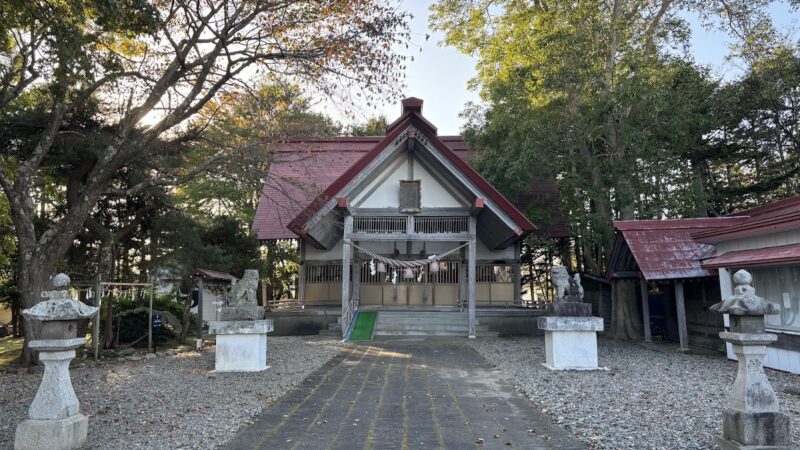
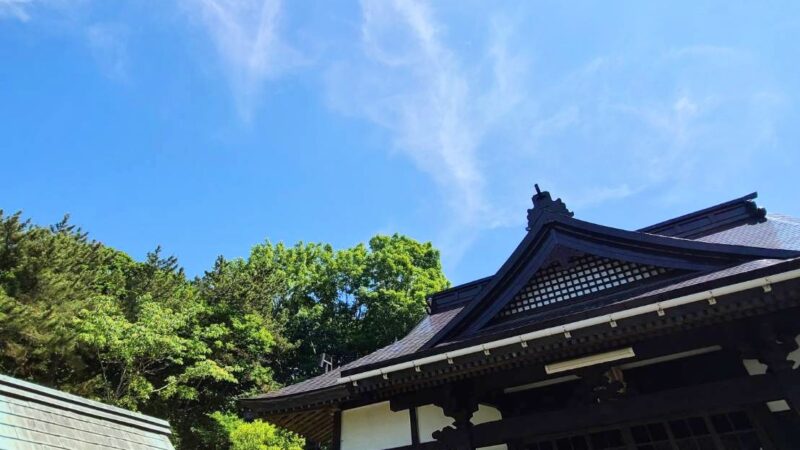
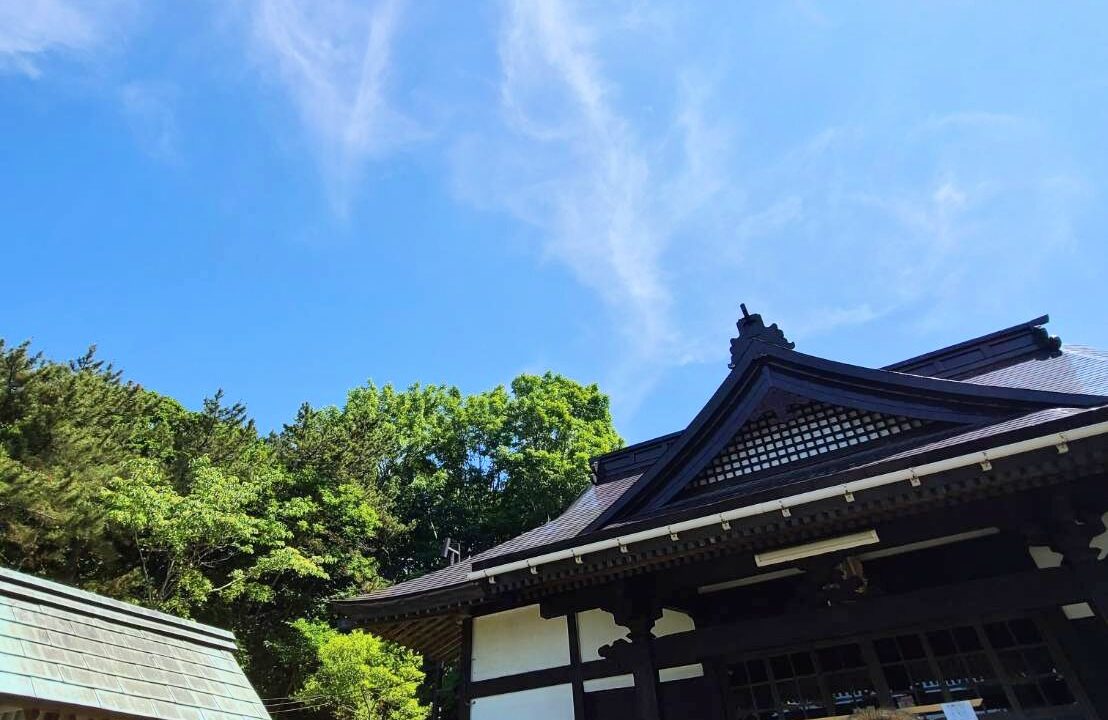
The current shrine buildings were renovated in 1912 (Meiji 45) and are built to be robust and suitable for Hokkaido’s climate. The wooden main hall follows traditional shrine architecture while being constructed to withstand the harsh winter cold and snowfall unique to Hokkaido.
The worship hall is designed to allow worshippers to pray comfortably, creating a space that feels warm despite its solemn atmosphere.
Highlights of the Grounds
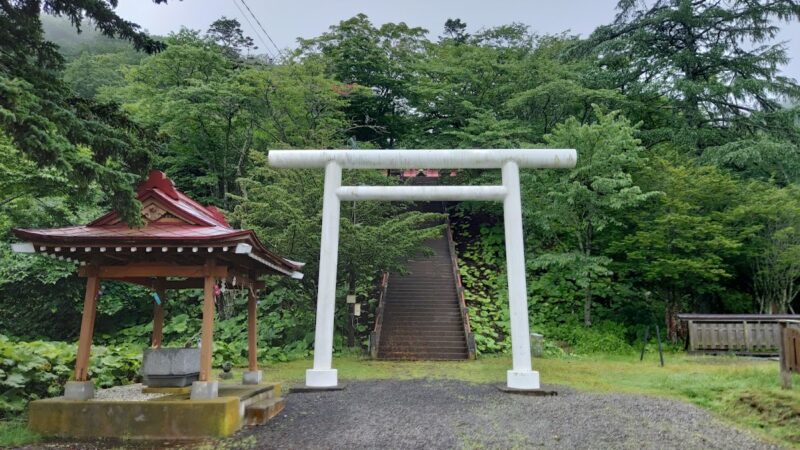
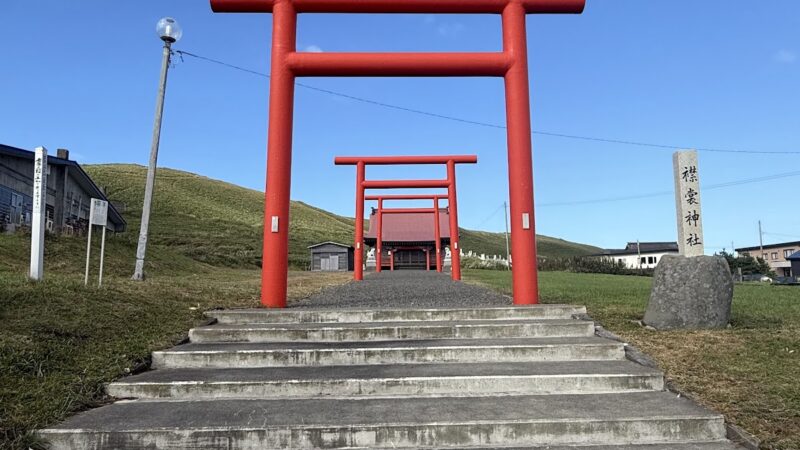
Located in the heart of Urakawa city, the grounds maintain a tranquil atmosphere despite being in an urban area. Passing through the torii gate, a well-maintained path leads to the main shrine, with a purification fountain and the shrine office on either side.
The shrine grounds are planted with trees that display different appearances in each season, allowing visitors to enjoy the beauty of the four seasons: the fresh green of spring, the deep green of summer, the autumn foliage, and the snowy landscape of winter.
Goshuin (Shrine Seal) and Offerings
Goshuin (Shrine Seal)
Urakawa Shrine offers goshuin as proof of worship. They are available at the shrine office, and the carefully handwritten goshuin are cherished by many visitors as a memento of their visit.
If you bring your goshuincho (seal book), you can have it written on the spot (pre-written seals may be available during busy times). The offering fee is the same as for most shrines.
Offerings
The shrine office offers various offerings such as amulets and talismans.
- Safe Childbirth Amulet: An amulet for praying for a safe delivery.
- Maritime Safety Amulet: A prayer for safe voyages.
- Traffic Safety Amulet: A prayer for safe land travel.
- Academic Success Amulet: An amulet for academic success.
- Family Safety Amulet: A prayer for the health and peace of the family.
- Business Prosperity Amulet: An amulet for business prosperity.
These amulets are important charms that allow you to bring the divine blessings of Urakawa Shrine into your daily life.
Manners and Etiquette for Visiting the Shrine
Basic Visiting Etiquette
When visiting Urakawa Shrine, please observe the following etiquette.
- Passing through the Torii Gate: Bow before passing through the torii gate.
- Purifying at the Water Basin: Purify your left hand, right hand, and mouth in that order, and finally your left hand.
- Walking Along the Path: The center of the path is the path for the gods, so walk along the sides.
- Etiquette in Front of the Main Hall: The basic procedure is two bows, two claps, and one bow.
Applying for Prayer
If you wish to request a formal prayer, such as for safe childbirth or protection from evil, it is recommended to contact the shrine office in advance. You can confirm the prayer fee, duration, and necessary items.
Urakawa Town and Surrounding Sightseeing
About Urakawa Town
Urakawa Town is a port town located in the southern part of the Hidaka region of Hokkaido, and is nationally known as a breeding ground for racehorses. Facing the Pacific Ocean, it is also a region blessed with abundant marine products.
Urakawa is a town with a population of approximately 12,000, but it is a vibrant area that attracts horse racing fans and tourists.
Nearby Tourist Attractions
When visiting Urakawa Shrine, we recommend also visiting the following tourist attractions:
- Yushun Memorial Hall: A facility where you can learn about the history and culture of racehorses
- Urakawa Port: A port where fresh seafood is landed
- Cape Erimo: Approximately 40 minutes by car from Urakawa Town, a representative scenic spot of Hokkaido
- Hidaka Kombu: Urakawa is also famous as a production area for Hidaka kombu (kelp)
Urakawa’s Culture and Local Products
Urakawa Town has produced many famous racehorses as a breeding ground for racehorses. It also boasts a wealth of culinary attractions, including Hidaka kombu and other seafood, as well as fresh fish and shellfish.
You can enjoy dishes made with fresh seafood at local restaurants and izakayas (Japanese pubs), and we recommend experiencing the local food culture in conjunction with your visit to Urakawa Shrine.
Relationship with the Hokkaido Association of Shinto Shrines
Urakawa Shrine is one of the shrines belonging to the Hokkaido Association of Shinto Shrines. The Hokkaido Association of Shinto Shrines oversees shrines throughout Hokkaido and plays a vital role in promoting Shintoism and the development of shrines.
The Hokkaido Association of Shinto Shrines’ website features information on shrines throughout Hokkaido, including Urakawa Shrine, and provides detailed information on Shinto rituals and annual events.
The Present and Future of Urakawa Shrine
As a Center of the Local Community
Even today, Urakawa Shrine plays a vital role as a spiritual pillar for local residents. Through events such as New Year’s visits, Shichi-Go-San (a traditional rite of passage for children), and the annual festival, it serves as a place for intergenerational exchange and strengthens the bonds of the local community.
Value as a Tourism Resource
With a history of over 350 years, Urakawa Shrine is also an important tourism resource for Urakawa Town. The historical shrine buildings and grounds provide peace of mind to visitors and serve as a hub for showcasing the charm of Urakawa Town.
Preserving Tradition
Urakawa Shrine carefully preserves ancient Shinto rituals and festivals. It also focuses on passing on culture to future generations, providing opportunities for local children to learn about the shrine’s history and traditions.
Summary
Urakawa Shrine is a historic shrine that has watched over the land of Urakawa for over 350 years since its founding in 1669. It enshrines three deities: Uke-mochi-no-kami, Omononushi-no-mikoto, and Ichikishima-hime-no-mikoto, and is known for its blessings related to maritime safety, business prosperity, and safe childbirth.
In particular, it attracts many worshippers from both within and outside Hokkaido as a deity for safe childbirth, and is deeply revered by the townspeople as the guardian shrine of the region. Annual events, including the Autumn Grand Festival, are valuable opportunities to convey the culture and traditions of Urakawa Town to the present day.
Located in the heart of Urakawa town, and easily accessible, Urakawa Shrine is recommended not only for worship but also as a tourist spot when visiting the Hidaka region of Hokkaido. Why not take some time to quietly visit the shrine while immersing yourself in its history and traditions?
Through a visit to Urakawa Shrine, you can feel the history and culture of Hokkaido, as well as the deep faith of the local people. Please do visit at least once.