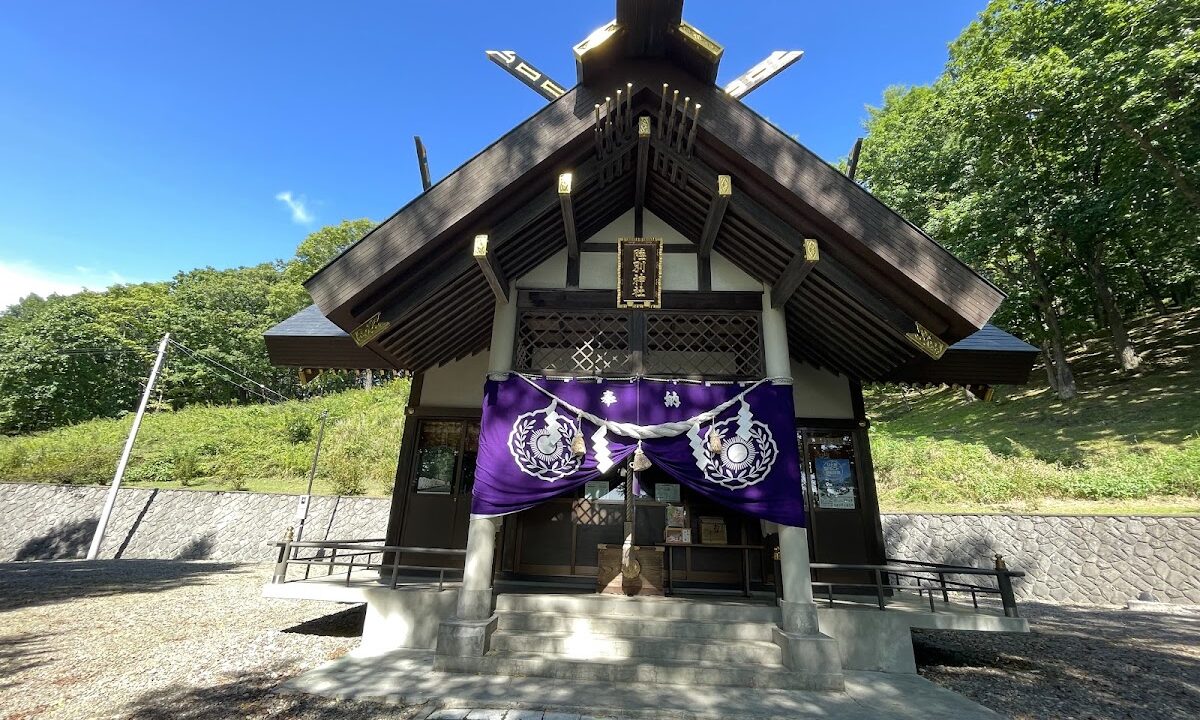
Rikubetsu Shrine (Hokkaido) | Complete Guide to History, Origin, Deities, and Access
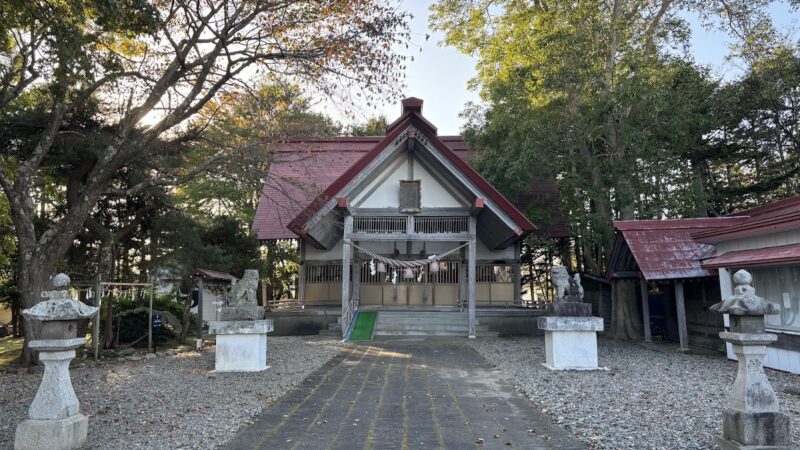
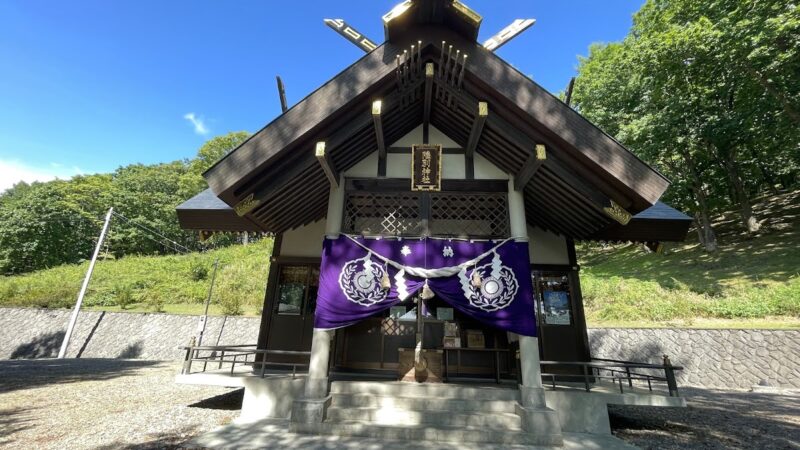
Rikubetsu Shrine, located in Rikubetsu-cho, Ashoro-gun, Hokkaido, is a historic shrine that has walked hand in hand with the development of the area during the Meiji era. Known as one of the coldest places in Japan, Rikubetsu-cho has long been a cherished spiritual center for the local residents. This article provides detailed information useful for visitors, including the origins of Rikubetsu Shrine, its enshrined deities, annual events, and access methods.
Overview and Basic Information of Rikubetsu Shrine
Rikubetsu Shrine is a shrine belonging to the Hokkaido Shrine Association and is located in Rikubetsu-cho, Ashoro-gun. Since its founding in 1909 (Meiji 42), it has been revered as a guardian deity of the region alongside the development of Rikubetsu-cho.
Location and Access
Location: Rikubetsu-cho, Ashoro-gun, Hokkaido
Rikubetsu-cho is located in the eastern part of Hokkaido, in the northern part of the Tokachi region, and is known as a cold area where temperatures approach the lowest recorded in Japan. In this harsh natural environment, Rikubetsu Shrine has functioned as a spiritual pillar for the local residents.
Access Information:
- Approximately 1 hour by car from Ikeda Station on the JR Nemuro Main Line
- Approximately 1 hour 30 minutes by car from Obihiro city via National Route 242
- Approximately 1 hour 30 minutes by car from Kitami city via National Route 242
History and Origin of Rikubetsu Shrine
Background of Rikubetsu in the Pioneer Period and the Founding of the Shrine
The history of Rikubetsu Shrine is closely intertwined with the history of Hokkaido’s development. In 1902 (Meiji 35), Shigezo Katayama, the manager of the Seki Farm, settled in the Tomamu Plain, marking the beginning of Japanese settlement in this region.
From around 1906 (Meiji 39), Japanese people began to settle in succession, and gradually an urban area was formed. The pioneers built their lives in this new land while facing the harsh natural environment.
Founding of the Shrine in 1909
The origins of Rikubetsu Shrine date back to 1909 (Meiji 42), when residents, after much deliberation, erected a small shrine and enshrined Amaterasu Omikami. For those undertaking the arduous task of pioneering, the existence of a shrine as a spiritual anchor was extremely important.
The choice of Amaterasu Omikami as the enshrined deity reflects the pioneers’ desire to maintain a connection with Japanese traditions, even in the distant northern lands, by enshrining the deity of Ise Grand Shrine, the supreme tutelary shrine of Japan.
Development of the Shrine and the Local Community
Since its founding, Rikubetsu Shrine has walked hand in hand with the development of the region. As pioneering progressed and agriculture and forestry developed, the shrine played an important role as a place for praying for bountiful harvests and safety, and as a center of the local community.
As a shrine belonging to the Hokkaido Shrine Association, it continues to attract the faith of local residents while inheriting traditional Shinto rituals and annual events.
Deity and Divine Virtues
Amaterasu Omikami
The deity enshrined at Rikubetsu Shrine is Amaterasu Omikami. Amaterasu Omikami is the supreme deity in Japanese mythology, known as the goddess personifying the sun. She is also the principal deity of Japan, enshrined at the Inner Shrine of Ise Grand Shrine.
Divine Virtues
The divine virtues of Amaterasu Omikami are multifaceted:
- National Peace and Security: Peace and stability throughout the nation
- Abundant Harvest: Abundant harvests
- Good Fortune and Prosperity: Improvement of luck and the arrival of happiness
- Family Safety: Health and peace within the family
- Protection from Misfortune: Protection from disaster
Especially during the pioneering era, the divine virtues of abundant harvests and family safety were deeply desired by those engaged in agriculture in harsh natural environments. ## Hokkaido Shrines and Rikubetsu Shrine
Relationship with the Hokkaido Association of Shrines
Rikubetsu Shrine belongs to the Hokkaido Association of Shrines. The Hokkaido Association of Shrines is an organization that oversees shrines within Hokkaido, with its headquarters in Miyagaoka, Chuo-ku, Sapporo.
The Hokkaido Association of Shrines is responsible for the management and operation of shrines in Hokkaido, the training of Shinto priests, and the continuation of Shinto rituals. Rikubetsu Shrine is a member of this network, continuing to preserve traditional shrine culture.
Characteristics of Shrines in Hokkaido
Many shrines in Hokkaido share the common characteristic of being founded during the Meiji period and later, coinciding with the development of the region. Unlike the ancient shrines of Honshu, many enshrine deities invited from the pioneers’ hometowns or Amaterasu Omikami of Ise Grand Shrine.
Rikubetsu Shrine is a typical example of such a Hokkaido shrine, and can be considered a valuable cultural asset that conveys the history of development to the present day.
Annual Events and Festivals
Main Shinto Rituals and Annual Events
Rikubetsu Shrine holds various Shinto rituals throughout the year. Following the traditions of Hokkaido’s annual events, the following Shinto rituals are performed:
New Year’s Day Festival (January 1st): A Shinto ritual to celebrate the New Year and pray for peace throughout the year.
Setsubun Festival (around February 3rd): A ritual involving bean-throwing to ward off evil spirits and invite good fortune.
Kinensai Festival (February 17th): A major spring festival praying for a bountiful harvest.
Reitaisai (Summer): The most important festival of the shrine, where local residents gather and a portable shrine procession takes place.
Niinamesai Festival (November 23rd): A major autumn festival giving thanks for the harvest.
Oharai (June and December): A Shinto ritual to purify and cleanse away the sins and impurities accumulated over the past six months.
Significance of the Reitaisai
The Reitaisai is the most important festival for the shrine, an opportunity to offer gratitude to the enshrined deity and pray for the prosperity of the region. In the small community of Rikubetsu Town, the annual festival is a precious opportunity for residents to gather together and plays a role in deepening community bonds.
Life Rituals and Shrines
The Role of Shrines in Life Festivals
At Rikubetsu Shrine, various rituals are performed at important milestones in life. These are called “life rituals” or “life festivals,” and are important opportunities to report personal growth and family happiness to the gods and pray for their protection.
Main Life Rituals:
- First Shrine Visit: Reporting the baby’s birth to the gods and praying for healthy growth.
- Shichi-Go-San: Giving thanks for growth at the milestones of 3, 5, and 7 years old, and praying for future protection.
- Exorcism: Purifying oneself of misfortune and praying for peace during one’s unlucky year.
- Wedding Ceremony: A sacred ceremony in front of the gods where the couple exchanges vows.
- 60th Birthday Celebration: Celebrating longevity and praying for continued good health.
Family Worship and Shinto Altar Worship
Besides visiting shrines, worshipping at a Shinto altar in the home is also an important form of faith. The altar houses amulets from Ise Grand Shrine and local guardian shrines, and daily gratitude and prayers are offered.
The Hokkaido Shrine Association provides guidance on the etiquette of family worship and how to worship at a Shinto altar, and Rikubetsu Shrine also accepts consultations regarding Shinto altar worship.
The Relationship Between Rikubetsu Town and the Shrine
Rikubetsu Town, Japan’s Coldest Place
Rikubetsu Town is known as “Japan’s coldest town,” and in 1978, it recorded a record low temperature of -38.1 degrees Celsius. This severe cold is also a major characteristic of Rikubetsu Town, and town revitalization efforts are being carried out utilizing the “shibare” (freezing) environment.
As the Center of the Local Community
In this small town with a population of approximately 2,000 people, Rikubetsu Shrine is more than just a religious facility. Annual festivals and events provide opportunities for residents to gather, playing an important role in maintaining community bonds.
Especially in the harsh winter environment, human connections greatly influence the quality of life. The local community centered around the shrine is an indispensable social foundation for the people of Rikubetsu Town.
Etiquette and Manners for Visiting a Shrine
Basic Etiquette for Visiting a Shrine
When visiting Rikubetsu Shrine, please observe the following basic etiquette:
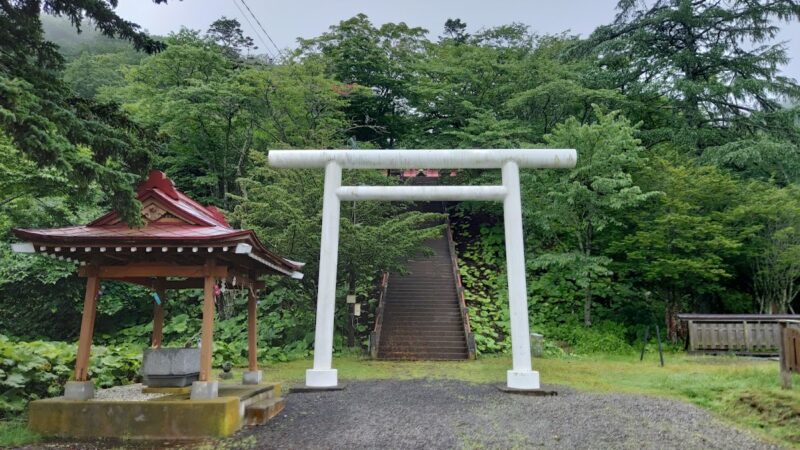
How to Pass Through the Torii Gate:
- Bow before passing through the torii gate.
- Walk along the edge of the path, as the center is considered the path of the gods.
How to Wash Your Hands:
- Take the ladle with your right hand and wash your left hand.
- Switch the ladle to your left hand and wash your right hand.
- Switch the ladle back to your right hand, receive water in your left hand, and rinse your mouth.
- Finally, stand the ladle upright and wash the handle.
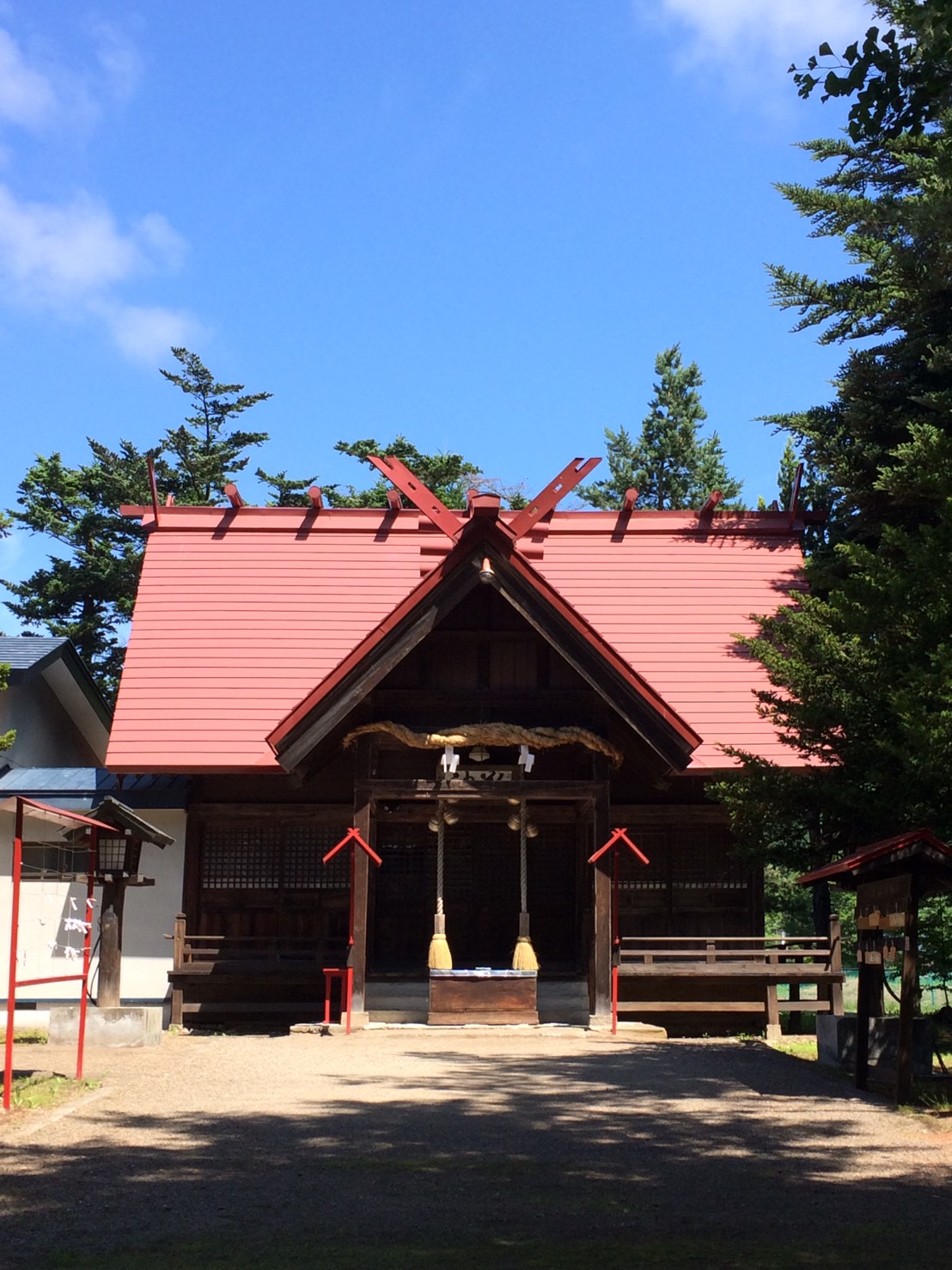
Worship at the Main Hall:
- Gently place your offering in the offering box.
- If there is a bell, ring it.
- Worship using the two bows, two claps, and one bow method.
- Bow deeply twice.
- Clap your hands twice.
- Finally, bow deeply once.
Points to Note When Visiting Shrines in Winter
Rikubetsu Town is an extremely cold region, so special precautions are necessary when visiting shrines in winter:
- Cold Weather Protection: Wear sufficient warm clothing, gloves, and a hat.
- Foot Safety: Be careful of icy roads and wear non-slip shoes.
- Visiting Hours: Since the sun sets early, visiting during daylight hours is recommended.
- Water Basin: During winter, the water basin may be unavailable to prevent freezing.
About the Association of Shinto Shrines
Role of the Hokkaido Association of Shinto Shrines
The Hokkaido Association of Shinto Shrines is an organization that encompasses approximately 600 shrines throughout Hokkaido. The headquarters is located at 474-35 Miyagaoka, Chuo-ku, Sapporo City, Hokkaido, and performs the following duties:
- Support for the management and operation of shrines
- Training and education of Shinto priests
- Succession and dissemination of Shinto rituals
- Public relations activities and leaflet creation
- Distribution of Ise Grand Shrine amulets
Branch Organization
The Hokkaido Shrine Association manages the prefecture through multiple branches:
- Sapporo Branch
- Southern Hokkaido Branch
- Hiyama Branch
- Shiribeshi Branch
- Sorachi Branch
- Kamikawa Branch
- Other Branches
Rikubetsu Shrine collaborates with the Hokkaido Shrine Association through these branch organizations to manage the shrine and ensure the continuation of Shinto rituals.
The Basics of Shinto Rituals
Fundamentals of Shinto Rituals
Shinto rituals are a general term for ceremonies and rituals performed for the gods. At Rikubetsu Shrine, various festivals are held in accordance with the Shinto ritual practices that have been passed down since ancient times.
Elements of Shinto Ritual:
- Shubatsu (purification): A ritual to purify and cleanse the participants.
- Kensen (offering of food): Offering of food to the gods.
- Norito Sojo (recitation of prayer): The Shinto priest recites a prayer.
- Tamagushi Houten (offering of sacred branch): Offering a sacred branch to the gods.
- Tessen (removal of offerings): Removing the offerings.
Information on Gagaku
Gagaku is traditional Japanese music performed at Shinto shrine festivals. The Hokkaido Shrine Association strives to preserve and promote Gagaku, and major shrines sometimes perform Gagaku at their annual festivals.
The sound of Gagaku creates a sacred space and brings a solemn atmosphere to Shinto rituals.
Related Information and Resources
Leaflets and Public Relations Materials
The Hokkaido Shrine Association creates various leaflets and public relations materials related to shrine visits and Shinto rituals. These materials provide easy-to-understand explanations of shrine history, worship etiquette, and annual events, making them useful even for first-time visitors.
TV Commercials and Public Relations Activities
The Hokkaido Shrine Association also conducts public relations activities, such as TV commercials, to promote shrine culture. These commercials introduce the role of shrines and the significance of worship, conveying the value of shrines in modern society.
Related Websites
Hokkaido Shrine Association Official Website: Contains information on shrines in Hokkaido, guidance on Shinto rituals, and a calendar of annual events.
Association of Shinto Shrines: The organization that oversees shrines nationwide, providing basic information about shrines.
Planning a Visit to Rikubetsu Shrine
Best Time to Visit
Rikubetsu Shrine is open year-round, but each season offers a different charm:
Spring (April-June): The short spring of the northern region arrives with the melting snow. A beautiful season of fresh greenery.
Summer (July-August): Relatively mild and pleasant, this is the time for the annual festival. Also suitable for sightseeing.
Autumn (September-October): Beautiful autumn foliage, and harvest festivals such as the Niiname-sai (harvest festival) are held.
Winter (November-March): While the cold is severe, visiting the shrine in the crisp, clear air offers a special experience.
Nearby Attractions
Besides the shrine, Rikubetsu Town has other attractions:
- Rikubetsu Town Ginga no Mori Observatory: An observatory equipped with one of Japan’s largest reflecting telescopes
- Shibare Festival: An event to enjoy the winter chill
- Seki Kansai Museum: A museum dedicated to Seki Kansai, the father of Rikubetsu’s development
Sightseeing Plan Combined with Shrine Visit
Combining a visit to Rikubetsu Shrine with sightseeing in the Tokachi region is highly recommended. Visiting Rikubetsu Shrine along with sightseeing in Obihiro City, Lake Onneto in Ashoro Town, Lake Akan, and other attractions will make for a fulfilling Hokkaido trip.
Summary: The Charm of Rikubetsu Shrine
Since its founding in 1909 (Meiji 42), Rikubetsu Shrine has continued to exist as a spiritual center for the local residents of Rikubetsu Town, the coldest place in Japan. It enshrines Amaterasu Omikami as its main deity, conveying the faith and wishes of the pioneers to this day.
Amidst a harsh natural environment, the shrine holds many fascinating features: its religious ceremonies, its role as a central hub for the local community, and its value as a cultural asset that tells the history of Hokkaido’s development. Though small, Rikubetsu Shrine possesses a wealth of charm.
When visiting Hokkaido, be sure to stop by Rikubetsu Shrine and experience its history of development and local faith. A visit in its serene atmosphere will surely be a memorable experience.
Through the Hokkaido Shrine Association’s network, Rikubetsu Shrine continues to contribute to the local community while preserving its traditional religious ceremonies. As a shrine that is an integral part of people’s lives, from life rituals to annual events, it will continue to walk hand in hand with Rikubetsu Town.