Complete Guide to Sapporo Suwa Shrine | History, Goshuin (Shrine Seals), Access, and Highlights Explained in Detail
Sapporo Suwa Shrine is a historic shrine located at 1-1-10 Kita 12-jo Higashi, Higashi-ku, Sapporo, Hokkaido, founded in 1882 (Meiji 15). It began when immigrants from Shinano Province (present-day Nagano Prefecture) invited a divided spirit of Suwa Grand Shrine to their newly cultivated land, and for over 140 years it has protected the “Tetsukita” area of Sapporo. This article thoroughly explains everything you need to know before visiting Sapporo Suwa Shrine, including its detailed history, enshrined deities, goshuin (shrine seals), access methods, annual events, and highlights within the shrine grounds.
History of Sapporo Suwa Shrine | The Story of Migration from Shinano and Land Reclamation
Founding in the Early Meiji Period and Shinano Immigrants
The history of Sapporo Suwa Shrine dates back to 1877 (Meiji 10). It all began when Masashi Ueshima, a native of Shinano Province, moved to this area alone and started cultivating the undeveloped wilderness.
On March 12, 1882 (Meiji 15), Mr. Ueshima invited a divided spirit from the Suwa Shrine (present-day Suwa Grand Shrine), the main shrine of his hometown, and built a small shrine on his property to enshrine it. Around the same time, more than 30 people moved from Shinano to this area and worked together on the land reclamation project.
History of Village Shrine Status and Development
On September 12, 1906 (Meiji 39), Suwa Shrine was designated a village shrine. This designation officially recognized the shrine’s position within the local community.
In 1942 (Showa 17), it was incorporated into Sapporo City, and even as urbanization progressed, it continued to play a vital role as a spiritual pillar of the region. In 1961 (Showa 36), the basic foundation was constructed, and the base of the shrine was established.
Inheritance into the Modern Age
In 1992 (Heisei 4), the 100th anniversary of the shrine’s founding was celebrated. Since then, grand festivals have been held at every milestone, including the 120th anniversary in 2002 (Heisei 14) and the 140th anniversary in 2022 (Reiwa 4).
Since its founding in 1882 (Meiji 15), Sapporo Suwa Shrine has been revered as the guardian deity of the Tetsukita district of Sapporo (the area north of Sapporo Station), with over 15,000 parishioners and many devotees.
Deities and Divine Virtues | Benefits Brought About by the Married Couple Deities
About the Deities
Sapporo Suwa Shrine enshrines two deities.
Takeminakata-no-Mikoto
He is the son of Ōkuninushi-no-Mikoto and is known as the god of strength and courage. In the myths appearing in the Kojiki and Nihon Shoki, he is depicted as a god who demonstrated military prowess during the transfer of the land.
Yasakatome-no-Mikoto
She is the consort of Takeminakata-no-Mikoto and a goddess who symbolizes marital harmony and family happiness.
These two deities are worshipped as a married couple and are revered as gods who bring good fortune in relationships and family happiness.
Divine Virtues and Blessings
Sapporo Suwa Shrine is known for the following divine virtues:
- Matchmaking and Prayer for Good Relationships: As it enshrines a married couple of deities, many visitors come seeking good relationships.
- Prayers for Fertility and Safe Childbirth: Popular as a power spot for conception and safe childbirth.
- Family Safety and Marital Harmony: Visitors pray for peace in the home and harmony in marriage.
- Good Fortune and Business Prosperity: Prayers are offered for business development as the shrine is a guardian deity of the region.
- Protection from Misfortune and Protection from Evil Directions: Divine virtues that ward off misfortune and protect safety.
Highlights of the Shrine Grounds | Must-Visit Spots for Visitors
Shrine Buildings and Grounds Architecture
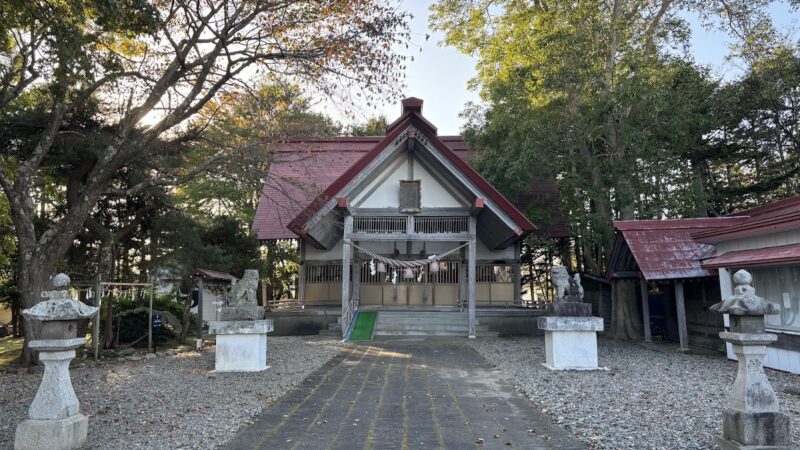
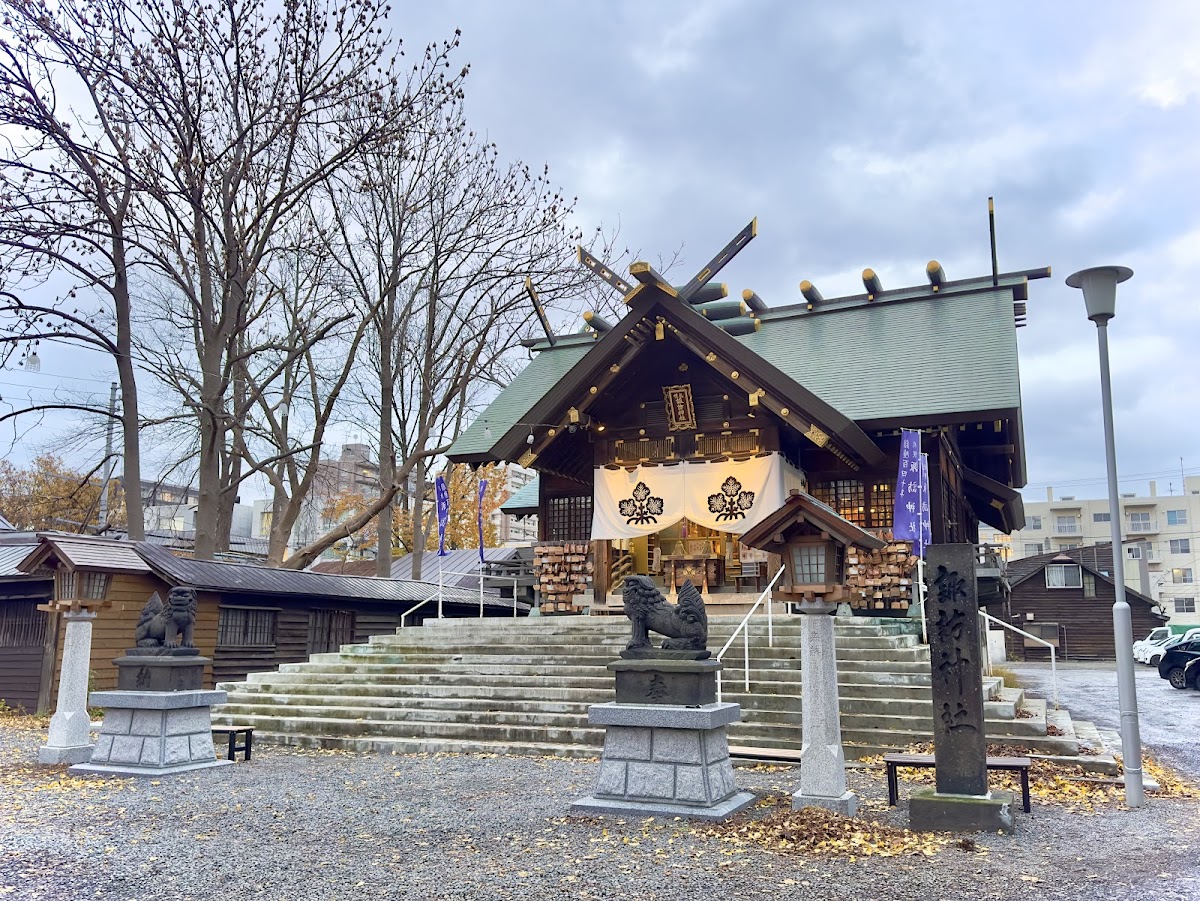
The shrine buildings of Sapporo Suwa Shrine are built in the Shinmei-zukuri style. Shinmei-zukuri is one of the oldest styles of Japanese shrine architecture, exemplified by Ise Grand Shrine. Its simple yet majestic appearance leaves visitors with a refreshing impression.
Flower Water Basin and Seasonal Colors
In recent years, Sapporo Suwa Shrine has attracted attention for its beautiful “flower water basin.” The water basin, filled with colorful flowers, displays different expressions with each season, delighting visitors. It’s also a popular spot for social media photos, especially attracting younger generations who come to take pictures.
Souvenirs and Amulets
The shrine office offers a variety of souvenirs. Amulets for matchmaking and fertility are particularly popular, attracting visitors from far and wide. Many amulets have attractive designs and are popular as souvenirs.
Goshuin Information | Colorful and Popular Goshuin
Features of the Goshuin
Sapporo Suwa Shrine’s goshuin (shrine stamp) is known for its colorful and beautiful design. Different designs are sometimes offered depending on the season and events, making it highly popular among visitors who collect goshuin as a hobby.
Information on Receiving Goshuin (Shrine Stamps)
- Offering Fee: 300 yen
- Reception Hours: 9:00 AM – 5:00 PM (Shrine Office Hours)
- Reception Location: Shrine Office
For those who do not have a goshuincho (stamp book), original goshuincho are available at the shrine office. Many people receive goshuin as a memento of their trip and as proof of their faith.
Annual Events and Festivals | Festivals of the Four Seasons
Annual Festival (September 12th)
The most important festival of Sapporo Suwa Shrine is the annual festival held on September 12th every year. This day is designated as the annual festival day, in reference to March 12th, the day of the shrine’s enshrinement. Many local parishioners and devotees attend, making it the busiest day of the year for the shrine.
Other Annual Events
Sapporo Suwa Shrine holds various festivals and events throughout the year:
- Saitansai (January 1st): A festival celebrating the New Year
- Setsubunsai (around February 3rd): Events such as bean-throwing
- Spring Festival: A festival celebrating the arrival of spring
- Natsukoshi no Oharae (June 30th): A Shinto ritual to purify oneself of sins and impurities accumulated over the past six months
- Autumn Festival (September 12th): The most important annual event
- Shichi-Go-San Pilgrimage (November): A pilgrimage to celebrate the growth of children
- Toshikoshi no Oharae (December 31st): A Shinto ritual to purify oneself of sins and impurities accumulated over the past year
Detailed dates and information regarding these events are regularly posted on the official website and social media.
Access and Visiting Information | Convenient Location Near Sapporo Station
Basic Information
- Official Name: Suwa Shrine (Sapporo Suwa Shrine)
- Address: 1-1-10, Kita 12-jo Higashi 1-chome, Higashi-ku, Sapporo, Hokkaido 065-0012
- Phone Number: 011-711-0960
- Visiting Hours: 24 hours (Free entry to the grounds)
- Shrine Office Hours: 9:00 AM – 5:00 PM
- Former Shrine Rank: Village Shrine
- Number of Parishioner Households: Approximately 15,000 households
Access by Train
Sapporo Suwa Shrine is located in a very easily accessible location from the center of Sapporo.
Using the Toho Subway Line
- Approximately 3 minutes on foot from Exit 2 of Kita 13-jo Higashi Station (nearest station)
- After exiting the station, head straight south and you will soon see the shrine grounds.
Using the Namboku Subway Line
- Approximately 8 minutes on foot from Kita 12-jo Station
- Head east and it is located across the Sosei River.
Access by Car
From JR Sapporo Station
- Approximately 5 minutes by car from the north exit of Sapporo Station
- Heading north and following Sosei River Street is the easiest route.
By Taxi
- Approximately 5 minutes by taxi from Sapporo Station, fare is approximately 1,000 yen
- Tell the driver “Sapporo Suwa Shrine” or “Higashi-ku Kita 12-jo Higashi 1-chome” and you will arrive.
Parking Information
- Number of Parking Spaces: Approximately 10 regular cars
- Fee: Free
- Operating Hours: Same as visiting hours.
During peak seasons such as annual festivals and New Year’s visits, the parking lot may be full. In such cases, we recommend using nearby coin-operated parking lots or public transportation.
Places to Visit in Combination with Nearby Tourist Attractions
Sapporo Station Area
Sapporo Suwa Shrine is located near the north exit of Sapporo Station, making it easily accessible as part of a Sapporo sightseeing trip. Shopping facilities such as the JR Tower Observation Deck T38 and Sapporo Stellar Place, as well as tourist attractions like Odori Park and Sapporo TV Tower, are all within walking distance.
Hokkaido University
Heading west from Sapporo Suwa Shrine, you’ll find Hokkaido University with its vast campus. The ginkgo tree-lined avenue is particularly beautiful during the autumn foliage season, attracting many tourists.
Soseigawa Park
Soseigawa Park is located along the Soseigawa River, which flows west of the shrine, and serves as a relaxing spot for citizens to enjoy walks and jogging.
Manners and Etiquette for Visiting a Shrine
Basic Etiquette for Visiting a Shrine
There are traditional customs and etiquette for visiting a shrine. When visiting Sapporo Suwa Shrine, please observe the following basic manners.
How to Pass Through the Torii Gate
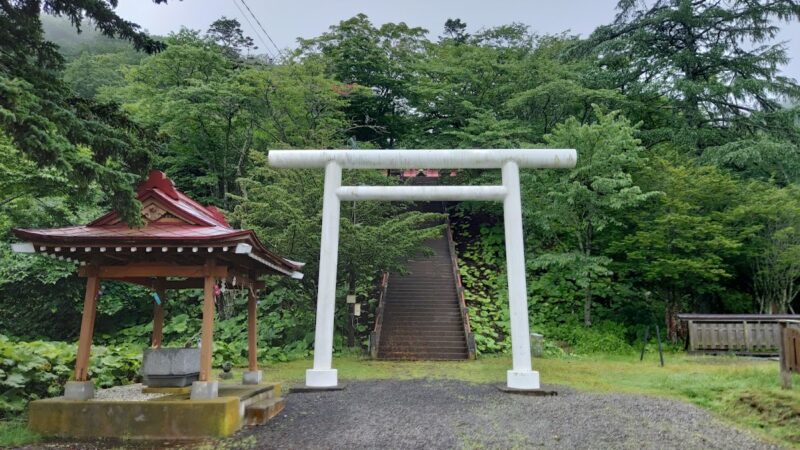
The torii gate is the entrance to the sacred area. Bow before passing through, and avoid walking in the center of the path (the center is considered the path of the gods).
Procedure for Washing Hands
- Take the ladle with your right hand and wash your left hand.
- Switch the ladle to your left hand and wash your right hand.
- Switch the ladle back to your right hand, receive water in your left hand, and rinse your mouth.
- Wash your left hand again.
- Hold the ladle upright, let water flow over the handle, and return it to its original position.
Worship at the Main Hall
- Gently place your offering in the offering box.
- If there is a bell, ring it.
- Perform two bows, two claps, and one bow (bowing deeply twice, clapping twice, bowing deeply once).
About Prayers and Various Requests
Sapporo Suwa Shrine accepts various prayers and requests.
Main Types of Prayers
- First Shrine Visit (Omiyamairi)
- Shichi-Go-San (7-5-3) Prayers
- Exorcism Prayers
- Protection from Unfavorable Directions Prayers
- Family Safety Prayers
- Business Prosperity Prayers
- Traffic Safety Prayers
- Safe Childbirth Prayers
- Matchmaking Prayers
- Passing Exams Prayers
- Recovery from Illness Prayers
How to Apply for Prayers
Those wishing to receive prayers should register at the shrine office. Advance reservations are recommended, so please inquire by phone (011-711-0960). Especially during the Shichi-Go-San season (November) and the New Year’s period, crowds are expected, so early reservations are recommended.
Social Media and Official Information | How to Check for the Latest Information
Official Website
The official website of Sapporo Suwa Shrine (https://www.sapporo-suwajinja.com/) contains details of annual events, prayer information, and the latest announcements.
Official Instagram Account
Sapporo Suwa Shrine operates an official Instagram account (@sapporo_suwajinja), a popular account with over 50,000 followers. Beautiful photos of the flower arrangements, seasonal scenes of the shrine grounds, and information on limited-edition goshuin (shrine stamps) are regularly updated. Checking before your visit will allow you to learn about the highlights unique to that time of year.
The Charm of Sapporo Suwa Shrine | Why is it Loved by So Many People?
Inheritance of History and Tradition
Since its founding in 1882 (Meiji 15), Sapporo Suwa Shrine has watched over the region for over 140 years. The history of immigrants from Shinano (Nagano) who invited the gods of their homeland and accomplished the difficult task of land reclamation conveys the spirit of Hokkaido’s pioneering spirit to this day.
Fusion with Modern Charm
While preserving tradition, Sapporo Suwa Shrine actively incorporates features that appeal to modern visitors, such as flower-filled water basins and colorful goshuin (shrine stamps). Its active use of social media makes it popular with younger generations.
Excellent Accessibility
Its convenient location, close to Sapporo Station and just a few minutes’ walk from the subway station, is a major advantage for both tourists and local worshippers. While easily accessible, stepping onto the shrine grounds offers a tranquil space that allows you to forget the hustle and bustle of the city.
Community-Based Activities
With over 15,000 parishioners, Sapporo Suwa Shrine has strong ties to the local community. It continues to play a role in deepening community bonds through local festivals and events.
Summary | Recommendation for Visiting Sapporo Suwa Shrine
Sapporo Suwa Shrine is a historical and traditional shrine founded by immigrants from Shinano (Nagano) on reclaimed land. This shrine enshrines the divine couple Takeminakata-no-Mikoto and Yasakatome-no-Mikoto, and is known for its blessings related to matchmaking, fertility, and family safety.
Conveniently located just a 5-minute drive from Sapporo Station and a 3-minute walk from Kita 13-jo Higashi Subway Station, it is open 24 hours a day for worship. The shrine office is open from 9:00 to 17:00, where you can receive Goshuin (a stamp given as a donation of 300 yen) and various other items.
The beautiful flower arrangements in the water basin and the colorful Goshuin are particularly popular, making it a popular spot for social media photos. Various festivals are held throughout the year, including the annual festival on September 12th.
When sightseeing in Sapporo, be sure to visit Sapporo Suwa Shrine. The time spent quietly praying in the grounds steeped in over 140 years of history will be a precious and memorable experience of your trip. For information on prayers and other details, please inquire via the official website or by phone (011-711-0960).