Complete Guide to Konan Shrine | History of the Tondenhei, Goshuin (Shrine Seals), Ritual Information, and Access
Konan Shrine, located at 2-25, Tonden 7-jo 6-chome, Kita-ku, Sapporo City, is a historic shrine founded by Tondenhei soldiers and their families during the Meiji era. As a valuable cultural heritage site that conveys the history of Hokkaido’s development, it serves as a spiritual anchor for the local people. This article provides a detailed introduction to Konan Shrine, including its history, enshrined deities, goshuin (shrine seals), annual rituals, highlights of the grounds, and access information.
What is Konan Shrine?
Konan Shrine is located in Tonden, Kita-ku, Sapporo City, Hokkaido, and has a history dating back to its founding in 1889 (Meiji 22). It began as a spiritual support for 220 households and 1056 people who settled in the area from seven prefectures in western Japan under the Tondenhei system.
The shrine’s name, “Konan,” was officially adopted in 1896 (Meiji 29). This name embodies the settlers’ longing for their homeland and their hopes for prosperity in their new land. Even today, it remains an important shrine in Kita Ward, Sapporo City, and attracts the faith of local residents.
Location and Basic Information
Address: 2-25, Tonden 7-jo 6-chome, Kita Ward, Sapporo City, Hokkaido
Shrine Rank: Village Shrine
Annual Festival Date: September 15th
Shrine Grounds: The grounds cover approximately 2,000 tsubo (about 6,600 square meters) and preserve historical sites related to the Tonden soldiers.
History of Konan Shrine
Settlement of Tonden Soldiers and Founding of the Shrine
On July 14, 1889 (Meiji 22), the 4th Company of the 1st Battalion of the Tonden Soldiers, tasked with the mission of developing Hokkaido, settled in Shinoro Soldier Village (present-day Tonden area, Kita Ward, Sapporo City). These settlers consisted of 220 households and 1056 people in total: 29 samurai families from Tokushima Prefecture, 37 from Wakayama Prefecture, 44 from Yamaguchi Prefecture, 12 from Fukuoka Prefecture, 46 from Kumamoto Prefecture, 20 from Fukui Prefecture, and 32 from Ishikawa Prefecture.
They arrived in Otaru on the ship Sagami Maru, and the following day, the 15th, they disembarked at Kotoni Station by train and then walked to their current location. They entered the headquarters of the 4th Company of the Tondenhei (frontier soldiers), and their barracks assignments were determined by lottery. Each settler then began their new life.
Development as a Shrine
The Tondenhei and their families faced the harsh climate of Hokkaido and life in undeveloped land. In such circumstances, the creation of a shrine as a spiritual anchor became urgently needed. Initially a simple shrine in 1889 (Meiji 22), it was gradually improved through the faith and efforts of the settlers.
In 1896 (Meiji 29), it was officially named “Konan Shrine” and established as the guardian deity of the region. Since then, with the development of the area, renovations to the shrine buildings and improvements to the grounds have progressed, leading to its current appearance.
Eighty-Eight Selections of Kita Ward’s History and Culture
The grounds of Konan Shrine contain numerous historical sites related to the Tondenhei (frontier soldiers), each selected as part of “3. Forest and History Path (Tonden Course)” in the “Eighty-Eight Selections of Kita Ward’s History and Culture.” These historical sites are preserved as valuable cultural assets that convey the history of Hokkaido’s development.
Deities Enshrined
Konan Shrine enshrines three deities.
Amaterasu Omikami
The supreme deity in Japanese mythology, and the sun goddess considered the ancestral deity of the Imperial family. She bestows divine blessings such as national peace, abundant harvests, and good fortune. The Tondenhei (frontier soldiers) were enshrined as deities suitable for praying to for success in their new land.
Okunitama-no-Mikoto
Known as the god of land development and agriculture, this deity protects the land. He was a particularly important deity for the Tondenhei who pioneered undeveloped land and engaged in agriculture. He bestows blessings of abundant harvests, industrial development, and family safety.
Yamato Takeru-no-Mikoto
A heroic deity appearing in Japanese mythology, he is revered as the god of martial prowess and pioneering. He bestows blessings of strength to overcome difficulties, protection from evil, and traffic safety, and was enshrined as the guardian deity of the Tondenhei fighting on the front lines of pioneering.
These three deities were chosen to watch over and encourage the Tondenhei and their families as they faced the difficult mission of pioneering.
Annual Rituals and Festivals
At Konan Shrine, various rituals are performed throughout the year.
Main Annual Shinto Rituals
January 1st: New Year’s Day Festival
A Shinto ritual to celebrate the New Year and pray for peace throughout the year. Many worshippers visit for their first shrine visit of the year.
February 3rd: Setsubun Festival
A Shinto ritual to ward off evil and invite good fortune through events such as bean-throwing.
May: Spring Grand Festival
A celebration of the arrival of spring and a prayer for a bountiful harvest.
September 15th: Autumn Grand Festival
The most important festival of Konan Shrine. As the festival day, a portable shrine procession and dedication ceremonies are held, and the entire community becomes lively.
November 15th: Shichi-Go-San Festival
A Shinto ritual to pray for the healthy growth of children, and many families visit to pray.
December 31st: Grand Purification Ceremony and New Year’s Eve Festival
This is a Shinto ritual to cleanse away the sins and impurities of the past year and prepare for the New Year.
Personal Prayers and Rituals
Konan Shrine also accepts various prayers for individuals and families.
- Exorcism: A prayer to ward off misfortune during the unlucky year.
- Prayer for Safe Childbirth: A prayer for a safe delivery for the pregnant woman and the health of the child.
- First Shrine Visit: Reporting the birth of a baby to the gods and praying for healthy growth.
- Shichi-Go-San: Celebrating the growth of children at ages 3, 5, and 7, and praying for their future health.
- Prayer for Success: A prayer for success in exams and tests.
- Traffic Safety: A prayer for the safety of vehicles and drivers.
- Family Safety: A prayer for the health of the family and peace in the home.
- Business Prosperity: A prayer for the development of the business and the prosperity of the trade.
Goshuin Information
Konan Shrine offers Goshuin (shrine stamps). Goshuin are popular among many visitors as proof of worship and as a way to forge a connection with the shrine.
Features of the Goshuin (Shrine Seal)
The Goshuin of Konan Shrine features the shrine’s name and date of visit written in ink, along with the shrine’s seal. The design evokes a sense of history, befitting a shrine associated with the Tondenhei (frontier soldiers).
Issuance Hours
Goshuin are issued during the shrine office’s opening hours. It is recommended to call ahead to confirm. Waiting times may occur, especially during busy periods such as festival days and the New Year holidays.
Etiquette When Receiving a Goshuin
- First, complete your prayers at the main hall before receiving your Goshuin.
- Prepare your Goshuincho (stamp book) and present the open page at the shrine office.
- Prepare a donation (a token of your choice).
- Remember that the Goshuin is proof of your visit, not a stamp rally.
Highlights of the Shrine Grounds
Main Hall and Worship Hall
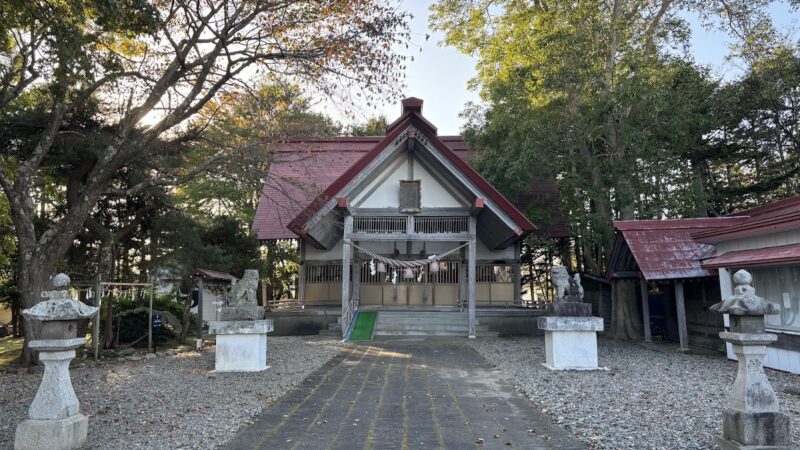
The main hall of Konan Shrine is built in an architectural style suited to Hokkaido’s climate. The main hall is a place where worshippers offer prayers, and it is enveloped in a solemn atmosphere.
Historical Sites Related to the Tondenhei (frontier soldiers)
The temple grounds preserve historical sites from the Tondenhei era, and they have been selected as one of the “88 Historical and Cultural Sites of Kita Ward.” By visiting these sites, you can feel the history of Meiji-era settlement firsthand.
- Tondenhei Houses: The remains of the residences where soldiers and their families lived at the time.
- Memorial Monument: A stone monument commemorating the achievements of the settlers.
- Ancient Trees: Trees over 100 years old that have watched over the temple grounds since the time of settlement.
Nature on the Temple Grounds
The spacious temple grounds, approximately 2,000 tsubo (about 6,600 square meters), offer enjoyment of nature throughout the seasons. Cherry blossoms bloom in spring, greenery flourishes in summer, autumn leaves are beautiful, and a snowy landscape unfolds in winter.
Access Methods
Access by Public Transportation
By Subway/Bus: Take the Chuo Bus bound for “Tonden 6-jo 5-chome” from Asabu Station on the Namboku Subway Line, get off at the “Tonden 7-jo 6-chome” bus stop, and walk for approximately 3 minutes.
By JR: Approximately 20 minutes on foot from Taihei Station on the JR Sassho Line (Gakuen Toshi Line), or approximately 5 minutes by taxi.
Access by Car
From Sapporo City Center: Head north on National Route 231 (Ishikari Kaido) towards Tonden. Approximately 25 minutes.
From New Chitose Airport: Approximately 1 hour and 15 minutes via the Hokkaido Expressway.
Parking
There is a parking lot for visitors on the temple grounds. Congestion is expected during festivals and other events, so we recommend using public transportation.
Nearby Tourist Attractions
Tonden Local History Museum
Located within walking distance of Konan Shrine, this museum offers detailed information about the history of the Tonden soldiers and their lives at the time. Visiting it in conjunction with a visit to Konan Shrine will allow for a deeper understanding of the Tonden soldiers’ history.
Tonden Windbreak Forest
The windbreak forest planted by the Tonden soldiers during land reclamation still remains and has been developed into a walking path. It’s a spot where you can enjoy nature while feeling the weight of history.
Ibaratogawa Green Space
This park on the riverbank is rich in nature and offers opportunities for walking and cycling. The scenery changes beautifully with the seasons, making it a place of relaxation for local residents.
Manners and Etiquette for Visiting Shrines
How to Pass Through the Torii Gate
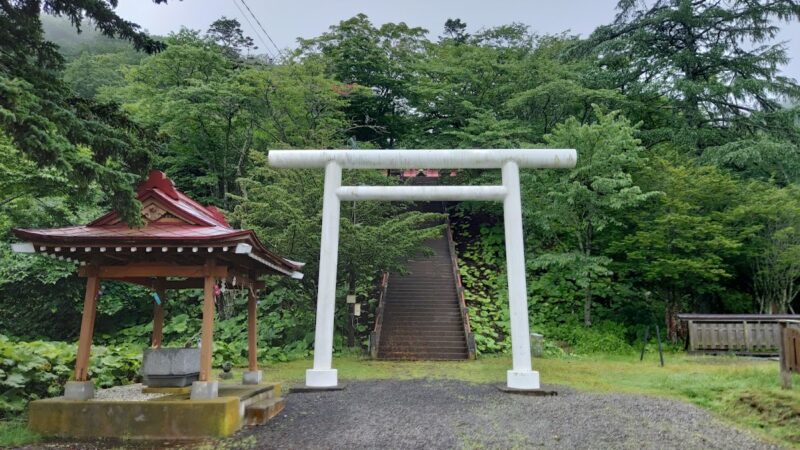
The torii gate is the entrance to the sacred area. Bow before passing through the gate. Since the center of the path is considered the path of the gods, it is considered best to walk along the sides.
How to Purify Yourself at the Water Basin
- Hold the ladle in your right hand and purify your left hand.
- Switch the ladle to your left hand and purify your right hand.
- Switch the ladle back to your right hand, receive water in your left hand, and rinse your mouth.
- Purify your left hand once more.
- Hold the ladle upright and pour water over the handle to purify it.
- Return the ladle to its original position.
How to Worship at the Main Hall
- Place your offering in the offering box.
- If there is a bell, ring it.
- Bow twice (bowing deeply twice).
- Clap your hands twice.
- Join your hands and pray.
- Bow once (bowing deeply once).
This is the basic worship etiquette known as “two bows, two claps, one bow.”
The Present and Future of Konan Shrine
As a Center of the Local Community
For over 135 years since its founding, Konan Shrine has functioned as a spiritual center for local residents. Even today, many worshippers visit throughout the year, and various Shinto rituals are performed.
As a central hub for local festivals and events, it serves as a place for intergenerational exchange, strengthening community bonds. Especially on the annual festival day, children’s portable shrines and devotional performances are held, with the entire community coming together to enliven the festival.
Efforts to Preserve History
Konan Shrine is also working to pass on the history of the Tondenhei (frontier soldiers) to future generations. In addition to preserving historical sites within the shrine grounds, it is also used as a place for history education in cooperation with local schools.
By learning about local history, children can cultivate a love for their hometown and understand the hardships and achievements of their ancestors. These educational activities also contribute to the formation of local identity.
Value as a Cultural Asset
The Tondenhei system in the history of Hokkaido’s development occupies an important position in modern Japanese history. Konan Shrine is a valuable cultural heritage site that conveys its history to the present day, and is designated as a cultural property protection site by Sapporo City and Hokkaido Prefecture.
The historical sites and materials remaining on the shrine grounds are important research subjects for researchers, and regular surveys and preservation activities are conducted.
Relationship between the Tondenhei System and Konan Shrine
What is the Tondenhei System?
The Tondenhei system was a policy implemented during the Meiji era to serve both the development of Hokkaido and national defense. It was a unique system in which soldiers, mainly from the samurai class, and their families engaged in agriculture while receiving military training.
This system, which lasted from 1874 (Meiji 7) to 1904 (Meiji 37), brought approximately 40,000 people to settle in various parts of Hokkaido, laying the foundation for development.
Characteristics of Shinoro Military Village
Shinoro Military Village (present-day Tonden area), where Konan Shrine is located, is a relatively late military village established in 1889 (Meiji 22). Its scale, with 220 households settled from seven prefectures in western Japan, was large for its time.
The settlers brought together the cultures and skills of their respective homelands, forming a new community. This diversity became a distinctive feature of the Shinoro military settlement and is reflected in the Kōnan Shrine.
Faith and Pioneering
The harsh natural environment and life in an unknown land brought great anxiety to the settlers. In such circumstances, the shrine became a source of emotional support and a place to strengthen community bonds.
The festivals and rituals at Kōnan Shrine were not merely religious events, but important opportunities for settlers to encourage each other, exchange information, and deepen their sense of solidarity. It was this spiritual support that enabled them to overcome difficulties and succeed in pioneering.
Summary
Kōnan Shrine is a historical and traditional shrine founded in 1889 by Tondenhei (frontier soldiers) and their families who settled from seven prefectures in western Japan. It is located at 2-25, Tonden 7-jo 6-chome, Kita-ku, Sapporo City, and enshrines three deities: Amaterasu Ōmikami, Ōkunitama-no-Mikoto, and Yamato Takeru-no-Mikoto.
The shrine grounds preserve historical sites from the Tondenhei (frontier soldier) era, making it a valuable cultural heritage site that conveys the history of Hokkaido’s development. Various Shinto rituals are performed throughout the year, attracting the faith of local residents and serving as a central hub for the community.
The shrine also offers Goshuin (stamped seals), which are popular as mementos of visits. It’s conveniently located, about 15 minutes by bus from Asabu Subway Station, or about 25 minutes by car from central Sapporo.
This shrine is recommended for a wide range of people, from those interested in the history of the Tondenhei, to Goshuin collectors, those seeking prayers for protection from misfortune or safe childbirth, and those who want to learn about local history. Why not visit Konan Shrine and experience the footsteps of the Meiji-era pioneers?