Complete Guide to Nishino Shrine | A Power Spot for Matchmaking and Safe Childbirth in Nishi-ku, Sapporo (Heiwa 1-jo 3-chome)
About Nishino Shrine
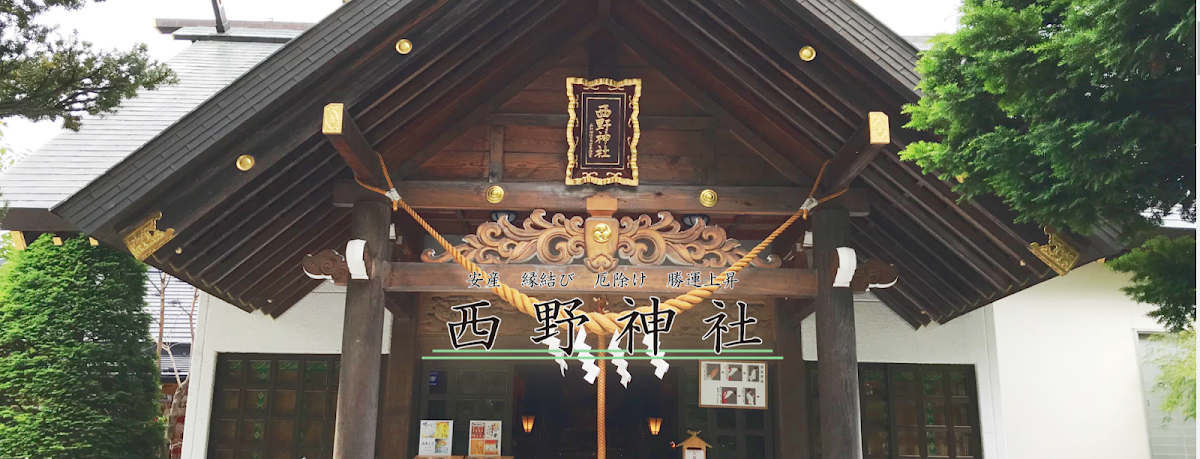
Nishino Shrine is a Shinto shrine under the jurisdiction of the Association of Shinto Shrines (Sapporo Branch of the Hokkaido Association of Shinto Shrines), located at 1-3, Heiwa 1-jo 3-chome, Nishi-ku, Sapporo, Hokkaido. Founded in 1899 (Meiji 32), it was formerly a village shrine and has long been a center of local faith.
Its parish encompasses the three districts of Nishino, Heiwa, and Fukui in Nishi-ku, Sapporo, and it has watched over the lives of the people as the guardian deity of the region for over 120 years. In recent years, it has become known for its blessings of matchmaking, safe childbirth, and protection from evil, and as one of the power spots certified by the Sapporo Tourism Association, it has become a popular shrine attracting many visitors from both within and outside Hokkaido.
Location and Basic Information
Address: 1-3, Heiwa 1-jo 3-chome, Nishi-ku, Sapporo, Hokkaido 063-0021, Japan
Telephone: 011-661-8880
FAX: 011-665-8698
Shrine Rank: Former Village Shrine
Shrine Style: Shinmei-zukuri
Deities and Blessings
Nishino Shrine enshrines three deities, each with its own deep history and blessings.
Main Deity: Toyotama-hime no Mikoto
Toyotama-hime no Mikoto, the main deity, is a goddess who appears in Japanese mythology as the daughter of the sea god. Known for her love story with Yamasachihiko, she has been worshipped since ancient times as a goddess of matchmaking, safe childbirth, and child-rearing due to her beauty and maternal nature.
Toyotama-hime no Mikoto met Yamasachihiko at Ryugu-jo (the Dragon Palace) and they were united in deep love, making her a deity revered by those seeking good fortune in love. Furthermore, due to the myth of her overcoming difficulties during childbirth, she is also deeply revered as a goddess of safe delivery. Nishino Shrine is particularly popular with female worshippers, largely due to the divine virtues of Toyotama-hime no Mikoto.
Ugayafukiaezu no Mikoto
He is the son of Toyotama-hime no Mikoto and the father of Emperor Jimmu. As a deity symbolizing the bond between parent and child, he is believed to bring blessings of family harmony, child-rearing, and education.
Hondawake no Mikoto
This is the divine name of the 15th Emperor Ojin, widely worshipped as Hachiman. He is believed to bring blessings of warding off evil, increasing good fortune, and long-lasting military success, attracting worshippers at life’s turning points and those facing new challenges.
History and Founding of Nishino Shrine
The Beginning of the Shrine and the Meiji Era Settlement
The history of Nishino Shrine dates back to the Meiji era’s settlement of Hokkaido. Around 1885 (Meiji 18), settlers from various parts of Honshu began to move to the Nishino, Heiwa, and Fukui districts of what is now Sapporo’s Nishi Ward.
In the harsh environment of settlement, the settlers enshrined deities they had invited from their respective hometowns in small shrines, using them as a spiritual anchor. Many in the Nishino district had migrated from Hiroshima Prefecture, and Toyotama-hime no Mikoto became the central deity of their faith.
Formal Founding in 1899 (Meiji 32)
In 1899 (Meiji 32), the small shrines scattered throughout the districts were consolidated into one, and Nishino Shrine was formally established. This was an important event that unified the faith of the residents and formed a stronger community, coinciding with the development of the region.
Initially a simple shrine, the grounds were gradually improved through the fervent faith and service of local residents.
Development during the Showa and Heisei Eras
Throughout the Showa era, Nishino Shrine continued to grow alongside the development of Sapporo City. Improvements were made to enhance the convenience of worshippers, including renovations to the shrine buildings, expansion of the grounds, and the construction of a gift shop and a ceremonial hall.
In 2011, popular artist Masaharu Fukuyama visited the shrine and drew a “love fortune slip,” which became a hot topic and increased its national recognition as a shrine for matchmaking. Following this event, the number of visitors, especially young women and those seeking matchmaking, surged, and it is now one of Sapporo’s leading matchmaking spots.
Highlights of the Shrine Grounds
Nishino Shrine’s grounds are surrounded by a lush, sacred forest, allowing visitors to enjoy the beauty of nature throughout the seasons.
Shrine Buildings
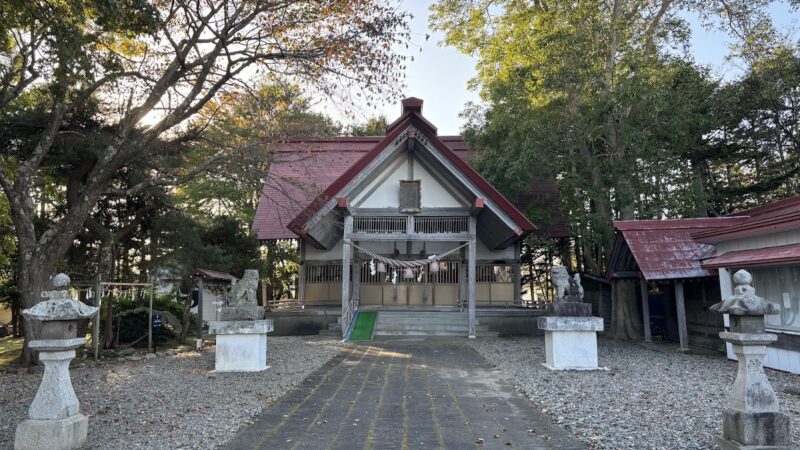
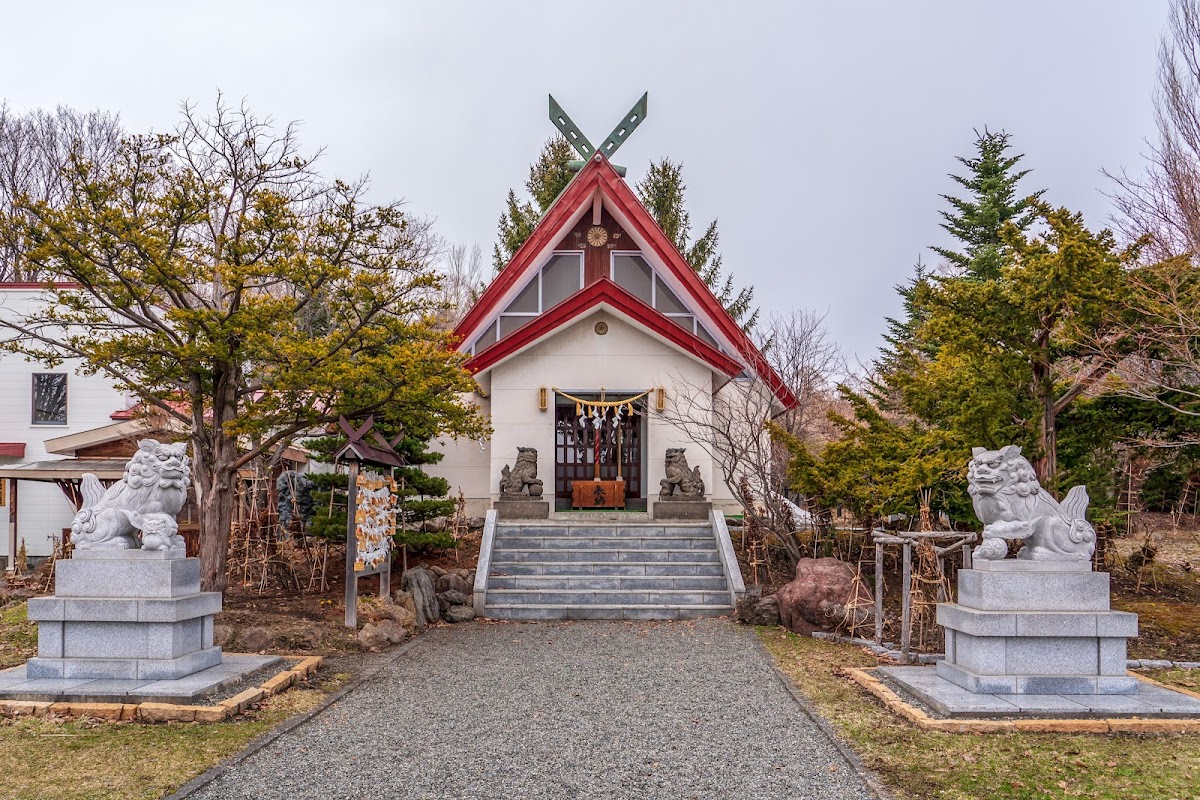
The shrine buildings, constructed in the Shinmei-zukuri style, possess a simple yet dignified beauty. Shinmei-zukuri is one of the oldest shrine architectural styles, exemplified by Ise Grand Shrine, and gives a clean and refreshing impression with its linear design.
The main hall enshrines three deities, and worshippers offer their prayers in the worship hall. Especially during prayers for safe childbirth and successful relationships, many people can be seen praying devoutly in front of the shrine.
Shrine Office
The shrine office offers amulets, talismans, and Goshuin (stamped seals). Nishino Shrine’s original amulets for finding love and safe childbirth are particularly popular, attracting many worshippers from far away.
The “Love Fortune Slip” became famous after being drawn by Masaharu Fukuyama and is popular with worshippers who want to know their love luck. These cutely designed fortune slips can also be tied to designated spots on the shrine grounds.
Ritual Hall
A ritual hall is located on the shrine grounds, where Shinto wedding ceremonies and various prayers are performed. For couples who desire a traditional Shinto wedding ceremony, it is a place to pledge eternal love in a solemn atmosphere. The ceremonial hall is where various rituals marking life’s milestones are performed, such as the first shrine visit for a newborn, Shichi-Go-San (a traditional rite of passage for children), exorcism, and prayers for safe childbirth, continuing to be a part of the lives of the local people.
The Guardian Forest
The guardian forest surrounding the shrine grounds is a precious space where one can feel the richness of nature despite being in an urban area. In spring, cherry blossoms bloom; in summer, the deep green is vividly visible; in autumn, the autumn leaves are beautiful; and in winter, a tranquil landscape covered in snow unfolds.
Walking through the forest, one can hear the chirping of wild birds and be enveloped in refreshing air. This rich natural environment provides peace of mind to visitors and enhances its appeal as a power spot.
Annual Events and Festival
Nishino Shrine holds various Shinto rituals and annual events throughout the year.
Annual Festival (September 14th and 15th)
The annual festival is the most important festival at Nishino Shrine. Every year, the Yoimiyasai (evening festival) is held on September 14th (starting at 5 PM), and the Reitaisai (main festival) is held on September 15th (starting at 7:50 AM).
The Reitaisai is the most important festival of the year for the shrine, where gratitude is offered to the enshrined deity and prayers are offered for the peace and prosperity of the region. Many local parishioners and devotees attend, and the Shinto rituals are performed in a solemn atmosphere.
Hatsumode (January 1st-3rd)
Many worshippers visit the shrine for Hatsumode to welcome the new year. The shrine grounds are bustling with people praying for safety and happiness throughout the year, and New Year’s amulets and charms are given out at the shrine office.
On New Year’s Day, the Saitansai (New Year’s Day Festival) is held to report the start of the new year to the gods.
Setsubun Festival (around February 3rd)
On Setsubun, a traditional bean-throwing ceremony is held to ward off evil spirits and invite good fortune. Beans are scattered with the chant of “Good fortune in, demons out!” and the area is bustling with families.
Doll Memorial Service
Once a year, a doll memorial service is held to express gratitude for cherished dolls and stuffed animals. This meaningful Shinto ritual allows owners to find closure by respectfully commemorating their beloved dolls.
Other Annual Events
- Kinensai (February): Praying for a bountiful harvest
- Shichi-Go-San Michibiki (November): Celebrating the growth of children
- Niinamesai (November): Expressing gratitude for the new harvest
- Oharai-shiki (June & December): Purifying oneself of sins and impurities accumulated over the past six months
Prayers and Sacred Offerings
At Nishino Shrine, you can receive prayers and sacred offerings tailored to various milestones and wishes in your life.
Prayer for Safe Childbirth
Due to the divine virtues of Toyotama-hime no Mikoto, the principal deity, prayers for safe childbirth are a representative prayer at Nishino Shrine. It is common to visit the shrine on the Day of the Dog in the fifth month of pregnancy to pray for the health of mother and child and for a safe delivery.
Prayers for maternity belts are also offered; wearing a blessed maternity belt is believed to bring divine protection.
Prayer for Finding a Partner
Prayers for finding a partner and achieving romantic success are also popular. Drawing inspiration from the beautiful love story of Toyotama-hime no Mikoto and Yamasachihiko, prayers are offered for wonderful encounters and the fulfillment of love.
Couples can also visit the shrine and pray for deepening their bond.
Exorcism and Protection from Misfortune
Many prayers for protection from misfortune are also performed for those in their unlucky years. Through the divine virtues of Homutawake no Mikoto, prayers are offered to ward off disasters and ensure a peaceful year. ### First Shrine Visit and Shichi-Go-San Ceremony
The first shrine visit, where a baby’s birth is reported to the gods and prayers are offered for their healthy growth, and the Shichi-Go-San ceremony, held at the milestones of 3, 5, and 7 years old, expresses gratitude for the child’s growth and prays for their future health. These are important prayers at Nishino Shrine.
The sight of families visiting the shrine together and taking commemorative photos is a heartwarming scene within the shrine grounds.
Other Prayers
- Family Safety
- Business Prosperity
- Traffic Safety
- Prayer for Success in Exams
- Recovery from Illness
- Fulfillment of Wishes
You can receive prayers for various wishes.
Shinto Wedding Ceremony
Traditional Shinto wedding ceremonies can be held in the ceremonial hall of Nishino Shrine.
A Shinto wedding ceremony is a solemn and beautiful ceremony in which eternal vows are made before the gods. The sight of a bride and groom dressed in traditional wedding attire such as a white shiromuku or iro-uchikake, exchanging sake cups in the san-san-kudo ceremony to the accompaniment of gagaku (ancient Japanese court music), embodies the beauty of Japanese tradition.
Holding a wedding ceremony before Toyotama-hime no Mikoto, the goddess of matchmaking, holds special significance for the bride and groom. A Shinto wedding ceremony, where vows of eternal happiness are made under the protection of the gods, will become a lifelong memory.
The ceremony hall is sized to accommodate family and relatives, allowing for a warm and intimate atmosphere during the ceremony.
Access Methods
Access by Public Transportation
Using Subway and Bus
- Get off at Hassamu-Minami Station on the Sapporo Municipal Subway Tozai Line.
- Take the JR Hokkaido Bus “Nishi 41” route.
- Get off at the “Heiwa 1-jo 3-chome” bus stop and walk for approximately 3 minutes.
Or
- Get off at Kotoni Station on the Subway Tozai Line.
- Take the JR Hokkaido Bus “Koto 42” route.
- Get off at the “Heiwa 1-jo 3-chome” bus stop and walk for approximately 3 minutes.
Bus schedules vary depending on the time of day, so it is recommended to check the timetable in advance.
Access by Car
From Central Sapporo
Proceed along National Route 5 (Sapporo-Otaru National Highway) towards Otaru, then turn towards “Nishino.” The journey takes approximately 20-30 minutes.
Parking
Free parking is available for visitors on the temple grounds. During busy periods such as New Year’s Day and annual festivals, the parking lot can become full, so it is recommended to visit with plenty of time to spare.
Surrounding Environment
Nishino Shrine is located in a residential area, but it enjoys a quiet environment surrounded by a sacred forest. There is also a shopping street in the Nishino district nearby, which you can visit after your prayers.
The Charm of Nishino Shrine and its Value as a Power Spot
Sapporo’s Representative Matchmaking Spot
The biggest reason why Nishino Shrine attracts so many people is, of course, its blessings for matchmaking. The main deity, Toyotama-hime no Mikoto, is a goddess known for her beautiful love story, and worshippers come from all over the country seeking her divine blessings.
In fact, there are many reports of people finding good relationships or having their love stories fulfilled after praying at Nishino Shrine, and its reputation is spreading by word of mouth. Many groups of women on matchmaking tours visit, and you can often see friends enjoying their visit together.
As a God of Safe Childbirth and Child-Rearing
At the major life milestones of pregnancy and childbirth, Nishino Shrine provides emotional support to many women. Due to the myth of Toyotama-hime herself overcoming the difficulties of childbirth, she is deeply revered as the goddess of safe delivery.
Many expectant mothers and their families visit the shrine on the Day of the Dog (Inu no Hi) to pray for a safe delivery. After birth, families can be seen visiting the shrine for the first shrine visit to report the baby’s arrival and pray for their healthy growth.
Beautiful Shrine Grounds in Every Season
Despite being located in an urban area, the shrine grounds are blessed with abundant nature and display different expressions throughout the seasons.
Spring: Cherry blossoms bloom and new greenery sprouts. You can feel the breath of new life.
Summer: The shrine grounds, enveloped in deep green, are filled with cool air.
Autumn: The autumn leaves turn beautiful colors, transforming the shrine grounds into a picturesque scene.
Winter: The snow-covered shrine grounds are enveloped in a tranquil and sacred atmosphere.
This natural beauty provides healing and vitality to visitors, enhancing its value as a power spot.
A Warm and Rooted Community Atmosphere
Nishino Shrine has been cherished by the people as the guardian deity of the region for over 120 years since its founding. It continues to be loved across generations as the center of local festivals and events, and as a place visited at important milestones in life.
The warm and welcoming demeanor of the Shinto priests and shrine maidens is highly appreciated by visitors. Even first-time visitors can feel at ease and receive thorough explanations.
Manners and Points for Visiting the Shrine
Basic Worship Etiquette
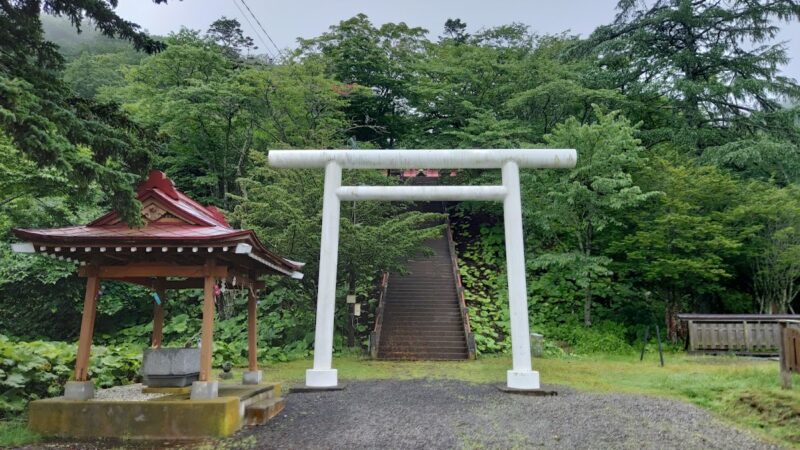
- Bow Before Passing Through the Torii Gate: Before entering the sacred area, bow to show respect.
- Purifying at the Water Basin:
- Hold the ladle in your right hand and purify your left hand.
- Switch the ladle to your left hand and purify your right hand.
- Switch the ladle back to your right hand, receive water in your left hand, and rinse your mouth.
- Purify your left hand again.
- Hold the ladle upright and purify the handle.
- Worship at the Main Hall:
- Quietly place your offering in the offering box.
- Ring the bell.
- Bow twice, clap twice, bow once (bowing deeply twice, clapping twice, bowing deeply once).
Attire for Worship
Casual clothing is acceptable, but slightly more formal attire is preferable if receiving a prayer. Formal attire is required for Shinto weddings and formal worship.
Photography
Photography is generally permitted on the temple grounds, but photography inside the main hall and during prayers is prohibited. Please be considerate of other worshippers.
Recommended Visiting Times
Visiting the shrine in the refreshing early morning air is especially recommended. There are fewer people, allowing for peaceful prayer. The tranquil evening hours also offer a unique charm.
If you want to avoid crowds during New Year’s or festivals, weekday mornings are relatively less busy.
Nearby Tourist Attractions
When visiting Nishino Shrine, why not also explore the nearby tourist attractions?
Shiroi Koibito Park
A theme park dedicated to “Shiroi Koibito,” Hokkaido’s famous confectionery, located about 15 minutes away by car. It offers factory tours and confectionery-making experiences, making it popular with families.
Miyanomori Ski Jump Stadium
A ski jump stadium that was the venue for the Sapporo Olympics. From the observation deck, you can enjoy a panoramic view of Sapporo city and experience the power of the ski jump up close.
Hokkaido Shrine
The largest shrine in Sapporo and the guardian shrine of Hokkaido. Located next to Maruyama Park, it offers beautiful natural scenery throughout the seasons. Many people visit both Nishino Shrine and Hokkaido Shrine.
Summary: Wishes Granted at Nishino Shrine
Nishino Shrine, located at 1-3 Heiwa 1-jo, Nishi-ku, Sapporo, is a representative power spot in Hokkaido, known for its blessings of matchmaking, safe childbirth, and protection from evil.
Thanks to the divine virtues of the three deities, including the main deity Toyotama-hime no Mikoto, it has been a place of prayer for fulfilling various wishes in life for over 120 years.
Surrounded by a lush, sacred forest, the shrine grounds showcase the beauty of each season, providing visitors with peace of mind and vitality. In a warm, community-rooted atmosphere, traditional Shinto rituals and annual events are held, allowing visitors to celebrate life’s milestones and offer heartfelt prayers.
For those seeking good fortune in love, those praying for safe childbirth, those at a turning point in life, and those praying for daily peace—Nishino Shrine is open to all, a special place that resonates with the hearts of visitors and lights a beacon of hope.
When you visit Sapporo, why not stop by Nishino Shrine and offer a quiet prayer before the deity? You’re sure to feel the divine grace that will answer your wishes.