Complete Guide to Ashiribetsu Shrine | History, Deities, and Festival Information for a Historic Shrine in Kiyota Ward, Sapporo
Ashiribetsu Shrine, located in Hiraoka, Kiyota Ward, Sapporo, is a historic shrine that has been cherished by local residents since the early Meiji era. Having celebrated its 150th anniversary in 2024, this shrine is recognized as a valuable cultural heritage site that conveys the history of Hokkaido’s development, and is also designated as a Kiyota Hometown Heritage site. This article comprehensively introduces all the information visitors should know about Ashiribetsu Shrine, including its detailed history, enshrined deities, annual festivals, and access methods.
Basic Information about Atsubetsu Shrine
Official Name: Atsubetsu Shrine (Ashiribetsu Jinja)
Location: 2-1 Hiraoka, Kiyota-ku, Sapporo City, Hokkaido
Founding: Small shrine built in 1874 (Meiji 7), main shrine built in 1885 (Meiji 18)
Shrine Rank: Former Official Shrine (certified in 1930 (Showa 5))
Main Deities: Amaterasu Omikami, Ukanomitama no Kami, Oyamatsumi no Kami
The place name “Atsubetsu” originates from the Ainu word “Ashiripet” (new river), and was named after the Atsubetsu River that flows through this area. Note that the shrine’s name is pronounced “Ashiribetsu,” not “Atsubetsu.”
History and Origins of Atsubetsu Shrine
Early Settlement and the Construction of the Small Shrine (1874)
The history of Atsubetsu Shrine dates back to 1874 (Meiji 7). It is said to have begun when Shigeharu Nagaoka, the first settler in this area, built a small shrine in a corner of the cultivated land and prayed there morning and evening.
As a pioneer in the development of Hokkaido, Shigeharu Nagaoka established this small shrine to pray for the safety of himself and his colleagues, and for a bountiful harvest, while clearing farmland in the harsh natural environment. For the settlers of that time, faith in gods and Buddhas was a spiritual pillar that supported them through the arduous life of pioneering.
Construction of the Shrine and its Establishment as a Local Shrine (1885)
In September 1885 (Meiji 18), Shigeharu Nagaoka, along with other influential local figures such as Seiichiro Namioka and Tashichi Suzuki, constructed a fully-fledged shrine with a gassho-zukuri (thatched roof) structure, intended for local residents to worship at. This shrine was built on the east side of the Atsubetsu River and became the center of local faith, praying for bountiful harvests and the safety of the villagers.
This year is considered the official founding year of Atsubetsu Shrine, and 2024 marked its 150th anniversary. During the Meiji era’s development of Hokkaido, shrines were not merely religious institutions but important symbols of community unity.
Relocation to the Current Location (1917)
In April 1917 (Taisho 6), Atsubetsu Shrine relocated its main hall to its current location at 2-1 Hiraoka, Kiyota Ward. This location along the old national highway was chosen as a transportation hub, making it easily accessible to a large number of worshippers.
Even after the relocation, the shrine continued to be developed along with the growth of the region, and various monuments were erected on the grounds. The move to the current location was an important decision to accommodate the development and population growth of the Atsubetsu area.
Recognition as an Official Shrine (1930)
In September 1930 (Showa 5), Atsubetsu Shrine was officially recognized as an official shrine. This recognition established the shrine’s social status and clarified its religious and cultural role in the region.
The recognition as an official shrine was a testament to the recognition of the faith and efforts of the local residents to maintain the shrine, marking an important milestone in the history of Atsubetsu Shrine.
From Post-War to the Present
After the war, a monument commemorating the victims of the war was erected on the shrine grounds. Furthermore, to commemorate the 100th anniversary of the settlement of the Kiyota area, the Kiyota Centennial Monument was erected, playing a role in passing on the region’s history to future generations.
Although Sapporo’s Atsubetsu Ward was established in 1989 (Heisei 1), Atsubetsu Shrine is a historical shrine that existed more than 100 years prior, and serves as a symbol of the region’s identity. In recent years, it has been designated a Kiyota Hometown Heritage site, recognizing its value as a regional cultural asset.
About the Deities Enshrined
Atsubetsu Shrine enshrines three deities, each possessing different divine virtues.
Amaterasu Omikami
She is the supreme deity in Japanese mythology and the goddess symbolizing the sun. She is considered the ancestral deity of the Imperial Family and is also known as the principal deity of Ise Grand Shrine.
Divine Virtues: National peace and security, good fortune, protection from evil, family safety
Amaterasu Omikami is enshrined in many shrines throughout Japan and is worshipped as a goddess who wards off all calamities and brings light. At Atsubetsu Shrine, she is also enshrined as the supreme deity watching over the safety and prosperity of the local residents.
Uganomitama-no-kami
Also known as Inari-no-kami, this is the god of abundant harvests. “Uganomitama” means a warehouse for storing grain, and “Inadama” means the spirit of rice; this deity has been worshipped as a god of agriculture since ancient times.
Divine Virtues: Abundant harvests, business prosperity, industrial development, family business success
Agriculture was the most important industry in the development of Hokkaido, and the pioneers deeply revered Uganomitama-no-kami, praying for bountiful harvests. The importance of this deity is evident from the fact that Atsubetsu Shrine was built in an agricultural area.
Oyamatsumi-no-kami
A nature deity known as the god of mountains and the sea. He protects forests and is also worshipped as the god of mining and forestry.
Divine Virtues: Protection of forests, safe voyages, family safety, protection from evil, matchmaking
For the pioneers living in Hokkaido’s rich natural environment, faith in Oyamatsumi-no-kami, the god of mountains, was essential. He is enshrined as an object of prayer for the blessings of forest resources and protection from natural disasters.
These three deities were chosen in a balanced way to provide all the necessary protection for pioneer life centered on agriculture.
Annual Festivals and Events
Atsubetsu Shrine holds various festivals and events throughout the year.
New Year’s Day Festival and First Shrine Visit (January 1st-3rd)
This is the most important event to welcome the new year and pray for safety and prosperity throughout the year. Many worshippers visit to offer New Year’s greetings and prayers. Amazake (sweet rice wine) is sometimes served on the shrine grounds.
Dondo-yaki (Burning of Old Amulets and Talismans)
This traditional event, held in mid-January, involves burning New Year’s decorations, old amulets, and talismans. It is said that eating mochi (rice cakes) roasted in this fire will bring good health and protection from illness for the entire year.
It is recommended to check the shrine’s official website or bulletin board in advance for dates and times.
Spring Grand Festival (April-May)
This is an important festival celebrating the arrival of spring and praying for a bountiful harvest and the safety of the community. After the Shinto rituals, it also serves as an opportunity for local residents to gather and deepen their relationships.
Summer Purification Ceremony (June 30th)
This Shinto ritual purifies and cleanses away the sins and impurities accumulated over the past six months. A ritual of passing through a ring of reeds may also be performed, praying for good health and protection from illness for the remaining half of the year.
Autumn Grand Festival (September-October)
This is one of the most important festivals, offering thanks for the harvest. It often includes a portable shrine procession and dedication ceremonies, and is a beloved local autumn festival.
Year-End Purification Ceremony (December 31st)
This is a Shinto ritual to cleanse away the sins and impurities of the past year, allowing one to welcome the new year with a refreshed spirit. It is held from the evening of New Year’s Eve.
In addition to these festivals, individual prayers such as Shichi-Go-San prayers, exorcism prayers, and traffic safety prayers are accepted at any time.
Highlights of the Shrine Grounds
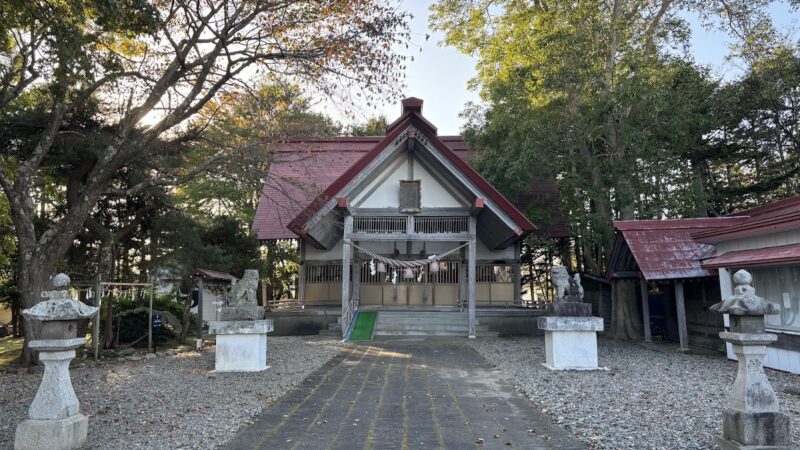
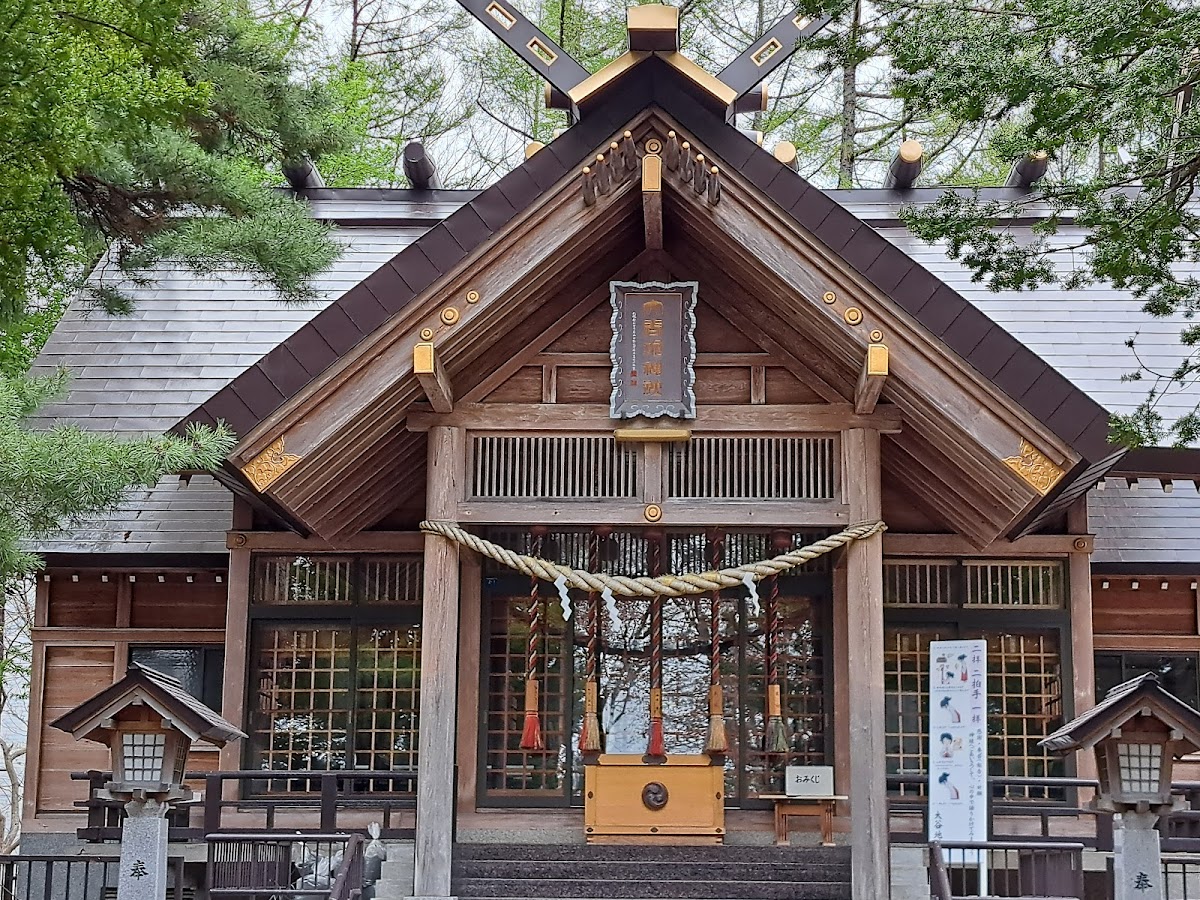
Main Hall and Worship Hall
The main hall, relocated to its current location in 1917 (Taisho 6), maintains its beautiful appearance through proper maintenance while preserving the traditional shrine architectural style. The worship hall is used for daily prayers and is bustling with many worshippers during festivals.
Kiyota Centennial Monument
This monument was erected to commemorate the 100th anniversary of the settlement of the Kiyota area. It is an important historical site that conveys the history of this region’s development and the hardships of its pioneers to future generations. The inscription details the conditions and major events of the settlement period.
Memorial Monument
This memorial monument enshrines the victims of war. It was erected with gratitude and remembrance for those from the region who went to war and sacrificed their precious lives. A memorial service is held annually.
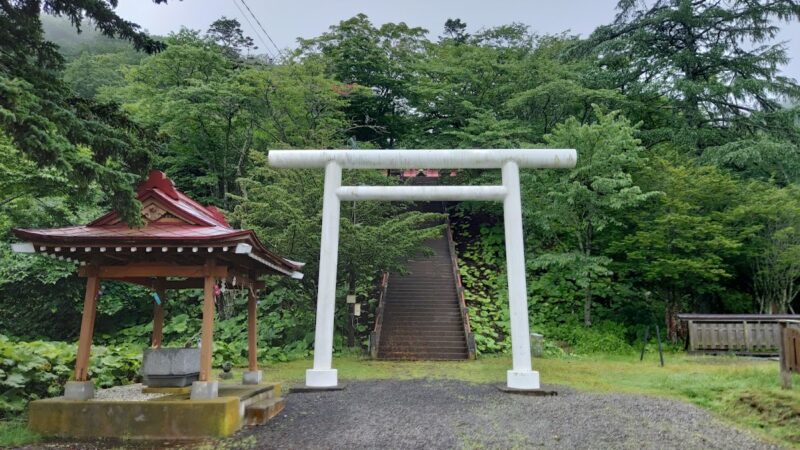
Water Basin
There is a water basin for purifying the body and mind before worship. Especially during the “Hana-mairi” period, a “Chōzubana” (flower water basin) is set up with colorful flowers floating in it, delighting the eyes of worshippers.
Shrine Office
This office handles the issuance of Goshuin (shrine stamps), distribution of amulets and talismans, and acceptance of various prayers. Shinto priests and shrine maidens are always present to answer visitors’ questions.
Goshuin (Shrine Seal) and Amulet Information
About Goshuin
At Atsubetsu Shrine, goshuin are given as proof of worship. You can apply at the shrine office during reception hours.
Offering Fee: Usually around 300-500 yen
Reception Hours: Approximately 9:00 AM to 4:00 PM (Hours may change during festivals)
You can bring your own goshuincho (seal book) or receive a pre-written goshuin. Special goshuin may be given depending on the season or festival, so it’s a good idea to check in advance.
Amulets and Talismans
Atsubetsu Shrine offers various amulets and talismans related to the shrine’s divine virtues.
- Traffic Safety Amulet: Prayers for safe driving and safe commuting/schooling.
- Family Safety Amulet: Prayers for the health of family members and peace in the home.
- Academic Success Amulet: Prayers for academic improvement and success in entrance exams.
- Exorcism Amulet: Prayers for protection from misfortune during unlucky years.
- Business Prosperity Amulet: Prayers for business development and prosperity.
- Safe Childbirth Amulet: Prayers for safe childbirth and the health of mother and child.
These amulets have been carefully blessed by Shinto priests.
Access and Parking Information
Access by Public Transportation
By Subway:
- Get off at “Ōyachi Station” on the Sapporo Municipal Subway Tōzai Line
- Approximately 20-25 minutes on foot from the station, or by bus.
By Bus:
- Get off at the “Hiraoka 2-jō 1-chōme” bus stop on the Chuo Bus, approximately 3 minutes on foot.
- Multiple bus services are available from Ōyachi Station, approximately 10 minutes.
Access by Car
From Sapporo City Center:
- Approximately 30 minutes via National Route 12
- Approximately 20 minutes from the “Sapporo Minami IC” on the Dōō Expressway
Parking: There is a parking lot for visitors on the temple grounds (free).
During peak seasons such as New Year’s Day and the annual festival, the parking lot may be full, so please consider using public transportation.
Nearby Facilities
- Ashiribetsu Local History Museum: Within walking distance, a facility where you can learn about the local history.
- Hiraoka Park: A park known for its plum blossoms.
- AEON Mall Sapporo Hiraoka: A large shopping mall.
Visiting these facilities in conjunction with your visit to the shrine is also recommended.
Manners for Prayer and Worship at Atsubetsu Shrine
Basic Worship Etiquette
- Bow before passing through the torii gate: As a courtesy before entering the sacred area.
- Walk along the edge of the approach: The center is considered the path for the gods.
- Purify yourself at the water basin: Left hand → Right hand → Mouth → Handle of left hand in that order.
- Worship at the main hall: Two bows, two claps, one bow is the basic method.
About Prayers
Atsubetsu Shrine accepts various types of prayers, as listed below.
- Prayer for Protection from Misfortune: To ward off misfortune during one’s unlucky year.
- Family Safety: Praying for the health and peace of the family.
- Business Prosperity: Praying for the development of one’s business.
- Traffic Safety: Praying for the safety of vehicles and people.
- Prayer for Safe Childbirth: Praying for a safe childbirth and the health of mother and child.
- First Shrine Visit: Praying for the healthy growth of the baby.
- Shichi-Go-San (7-5-3 Festival): Expressing gratitude for the child’s growth and praying for their future health.
If you wish to have a prayer performed, we recommend making a reservation by phone in advance.
Value as a Kiyota Hometown Heritage Site
Atsubetsu Shrine has been selected as one of the “Kiyota Hometown Heritage Sites” certified by Kiyota Ward, Sapporo City. This means that it has been recognized as a valuable asset that tells the story of the region’s history and culture, and that it has value to be preserved for future generations.
As a shrine that has continued since the early Meiji era, it is a living cultural asset that conveys the history of Hokkaido’s development to the present day, and is an important presence that forms the identity of the region. The monuments and buildings within the shrine grounds tell the story of the pioneers’ struggles and the history of the region’s development.
For local residents, Atsubetsu Shrine is not merely a religious facility, but the heart of the community and a spiritual anchor passed down through generations. It is a place visited at significant life events such as New Year’s visits, Shichi-Go-San (a traditional rite of passage for children), and weddings, and is etched in the memories of many.
Atsubetsu Shrine and the Local Community
Center for Local Events
Atsubetsu Shrine is a gathering place for local residents throughout the year. The annual festival features a portable shrine procession and dedication ceremonies, playing a crucial role in fostering a sense of community.
Place for Intergenerational Exchange
Events such as New Year’s visits, Setsubun (bean-throwing festival), and Shichi-Go-San provide opportunities for interaction among a wide range of generations, from children to the elderly. From the perspective of preserving traditional culture, the shrine’s role is also important.
Function as a Disaster Prevention Hub
The spacious shrine grounds are also expected to function as a temporary evacuation site during disasters. It provides both physical and spiritual support, watching over the safety of the community. ## Atsubetsu Shrine Through the Seasons
Spring (March-May)
As the snow melts, greenery returns to the shrine grounds, and cherry and plum blossoms begin to bloom. The Spring Grand Festival is held, celebrating the arrival of the new season.
Summer (June-August)
The lush green grounds create a cool and refreshing atmosphere. The Summer Purification Ceremony involves passing through a ring of reeds, receiving strength to overcome the hot summer.
Autumn (September-November)
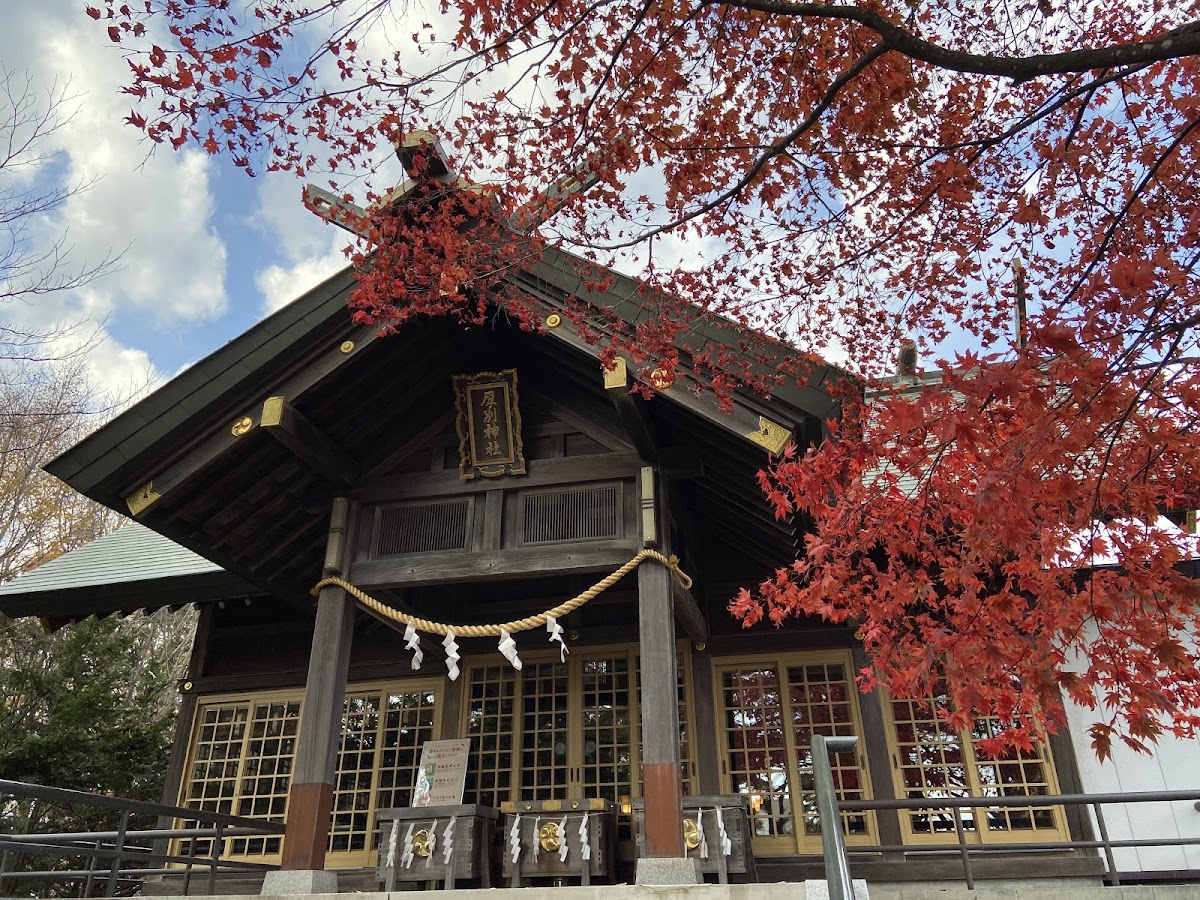
This is a season of beautiful autumn foliage. The Autumn Grand Festival expresses gratitude for the harvest and celebrates a fruitful autumn.
Winter (December-February)
The snow-covered grounds are enveloped in a tranquil atmosphere. Many worshippers visit for Hatsumode (first shrine visit of the year), praying for safety and prosperity in the new year. The flames of the Dondo-yaki (bonfire ceremony) provide warmth in the winter cold.
Precautions for Visiting the Shrine
Regarding Attire
There are no specific dress code requirements for regular visits, but if you are receiving a prayer, it is advisable to wear attire that is not too casual. Please take sufficient precautions against the cold during winter.
Regarding Photography
Photography is generally permitted on the shrine grounds, but there may be restrictions on photography inside the main hall or during festivals. Please check with the shrine office.
Regarding Pets
It is recommended to check with the shrine in advance regarding bringing pets.
Summary
Atsubetsu Shrine is a representative shrine of Kiyota Ward, Sapporo City, with a history of 150 years since the establishment of a small shrine in 1874 (Meiji 7). It enshrines Amaterasu Omikami, Ukanomitama no Kami, and Oyamatsumi no Kami as its deities, and has continued to watch over the safety and prosperity of the local residents.
It has been recognized as a Kiyota Hometown Heritage site as a valuable cultural heritage that conveys the history of Hokkaido’s development, and has become a symbol of the region’s identity. Throughout the year, various festivals and events are held, making it a beloved place for people of all generations.
With easy access from central Sapporo and ample parking, it’s a convenient place to visit. It’s a shrine that can be visited for a variety of purposes, from prayers for life’s milestones such as New Year’s visits, protection from evil, and Shichi-Go-San (a traditional Japanese rite of passage for children), to simply expressing daily gratitude.
If you want to experience Hokkaido’s history and culture, or if you simply want to offer a peaceful prayer, please visit Atsubetsu Shrine. You’re sure to have a soul-cleansing experience in the grounds, where the spirit of the pioneers still lives on.