Complete Guide to Chitose Shrine (Chitose City) | Thorough Explanation of Goshuin (Shrine Seals), Access, History, and Sacred Water
About Chitose Shrine
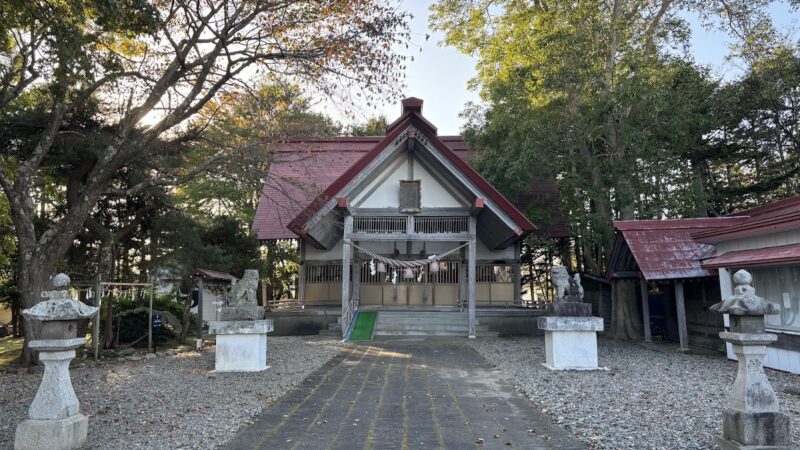
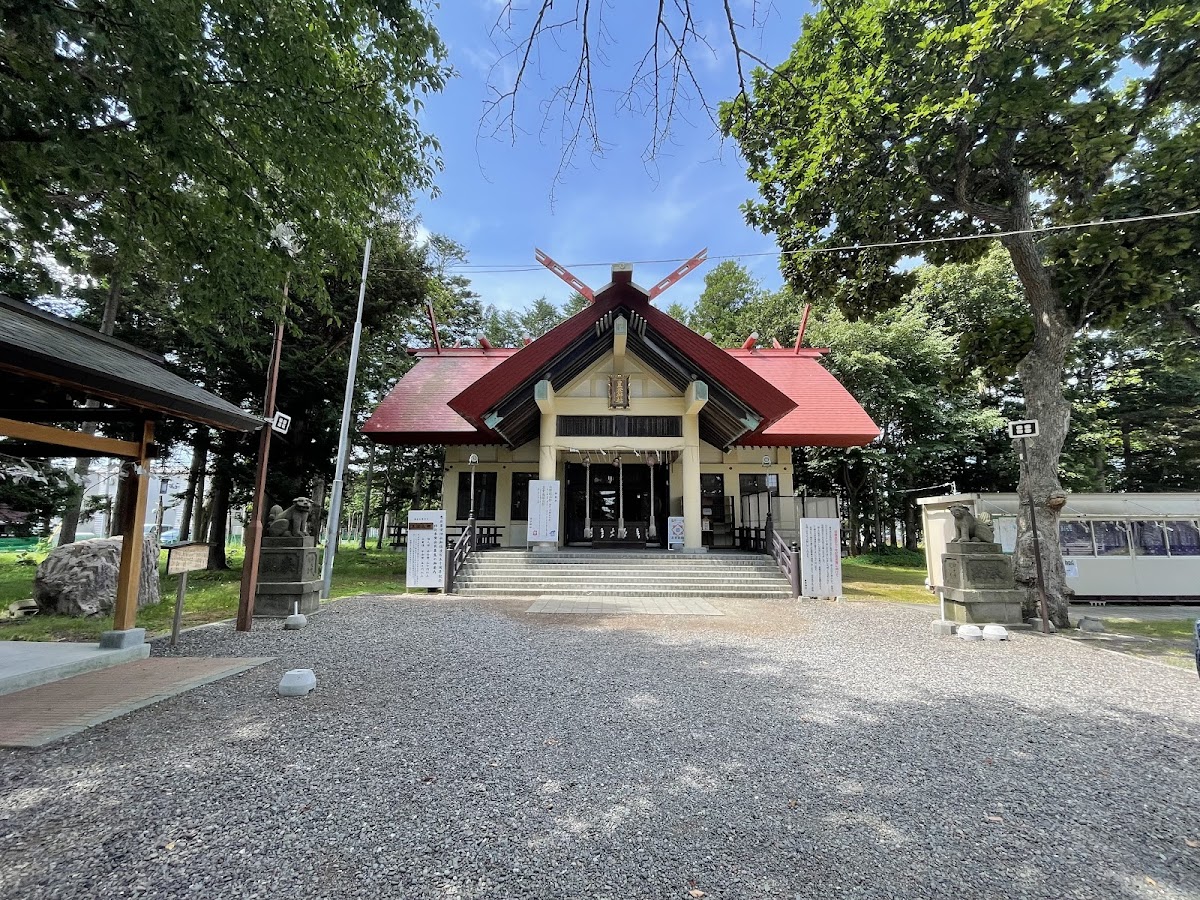
Chitose Shrine is a shrine located at 1 Shinmachi, Chitose City, Hokkaido. It sits on the banks of the Chitose River, surrounded by lush greenery on a hill overlooking the city. Founded in 1803 (Kyowa 3), it was formerly a village shrine. Conveniently located about 10 minutes by car from New Chitose Airport and about 5 minutes by car from JR Chitose Station, it is a representative shrine of Chitose City, attracting many worshippers from both within and outside Hokkaido, as well as local residents.
Within the shrine grounds, sacred water called “Kōi no Mizu” (Water of Good Fortune) springs forth, and it is known as a power spot. Furthermore, there are many elements that attract visitors, such as beautiful goshuin (shrine seals) and seasonal flower arrangements in the water basin.
History and Origin of Chitose Shrine
Manji 1 (1658): Construction of the Benten-do Hall
The origins of Chitose Shrine are ancient. According to the Matsumae Domain’s historical document, “Fukuyama Hifu,” it is recorded that “a small Benzaiten shrine was built in the eastern part of Shikotsu, in Manji 1 (1658), and the deity was enshrined there in Manji 3 (1658).” It is said that the construction of the Benten-do Hall in this location in Manji 1 (1658) marks the beginning of Chitose Shrine. This Benten-do Hall was the predecessor of the “Kama-ka Shrine,” which later became a subsidiary shrine of Chitose Shrine.
Kyowa 3 (1803): Enshrinement of Shikotsu Inari Daimyojin
In Kyowa 3 (1803), Takahashi Jidayu, an official of the Yufutsu garrison who had distinguished himself in the exploration of southern Sakhalin, enshrined the Sho-ichii Shikotsu Inari Daimyojin from Fushimi, Kyoto, as the guardian deity of Shikotsu. This is the direct predecessor of the current Chitose Shrine.
Bunka 2 (1805): Enshrinement of Benzaiten and Change of Place Name
In Bunka 2 (1805), due to the prosperity of salmon fishing in the Shikotsu area, Benzaiten was further enshrined. On the back of the shrine dedicated to Benzaiten that year, there is an inscription explaining the origin of the name change from “Shikotsu” (死骨) to “Chitose” by Hakodate Magistrate Hata Masayoshi.
This change from the place name, which meant “Shi-kot” (large depression) in the Ainu language, to the auspicious “Chitose” marked a significant turning point in the history of Chitose City.
From Meiji to the Present
In Meiji 8 (1875), Toyouke-hime no Okami was designated as the main deity, and the shrine was designated a local shrine in the same year. In 1917 (Taisho 6), the shrine was renamed “Chitose Shrine” from Inari Shrine, and the current shrine building was constructed in 1976 (Showa 51). Even now, in the Reiwa era, it continues to fulfill its role as a spiritual center for the citizens of Chitose and as a shrine welcoming worshippers from within and outside Hokkaido.
Deities and Divine Virtues
Chitose Shrine enshrines two deities.
Toyouke-hime no Okami
Toyouke-hime no Okami, the principal deity, is the goddess of food, clothing, shelter, and agriculture, and is widely revered as the guardian deity of various industries and business prosperity. She is also known as a deity enshrined at the Outer Shrine of Ise Grand Shrine, and is a goddess who brings blessings to all aspects of life.
Divine Blessings:
- Abundant harvests
- Business prosperity
- Industrial development
- Protection of clothing, food, and shelter
- Family safety
Ichikishimahime-no-Mikoto
Also written as Ichikishimahime-no-Mikoto, she is one of the three Munakata goddesses. She is worshipped as the goddess of national protection, maritime safety, safe travel, and protection of fisheries. Furthermore, due to her syncretism with Benzaiten, she is also known as the goddess of performing arts and wealth.
Divine Blessings:
- Traffic safety
- Maritime safety
- Safe travel
- Prosperous fishing
- Improvement in performing arts
- Increased wealth
Power Spot “Sachii-no-Mizu”
One of the most distinctive features of Chitose Shrine is the sacred water “Sachii-no-Mizu” that springs forth from within the shrine grounds. Many worshippers visit daily seeking this water.
Characteristics of Kōi Water
Kōi Water is groundwater from the Naibetsu River that springs forth within the grounds of Chitose Shrine. The water temperature remains stable at around 9 degrees Celsius throughout the year. The water quality is excellent, and it is characterized by its smooth taste.
Visitors can freely draw water, and many bring plastic bottles or special containers to take home. It is used not only for drinking, but also for tea, coffee, and cooking, and is highly regarded for its “smooth and delicious” taste.
Origin of Kōi Water
The name “Kōi” (幸井) embodies the wish that drinking this water will bring happiness. It is also widely recognized as a power spot and is popular with visitors praying for health, longevity, and good fortune.
Goshuin (Shrine Seal) and Goshuincho (Shrine Seal Book) Information
About Goshuin
Chitose Shrine offers beautifully calligraphic goshuin. In addition to regular goshuin, seasonal limited-edition goshuin are sometimes distributed, making them popular among goshuin collectors. Offering Fee: Usually around 300-500 yen
Hours of Availability: 9:00 AM – 5:00 PM (May vary depending on the season)
Original Goshuincho (Stamp Book)
Chitose Shrine offers several designs of goshuincho. Particularly popular is the goshuincho featuring a crane design, a beautiful design inspired by Chitose (meaning “a thousand years”).
Offering Fee: Around 1,500 yen
Types: Multiple designs to choose from
Available at the shrine office window, and many people purchase them as a memento of their visit.
Highlights of the Shrine Grounds
Main Hall and Worship Hall
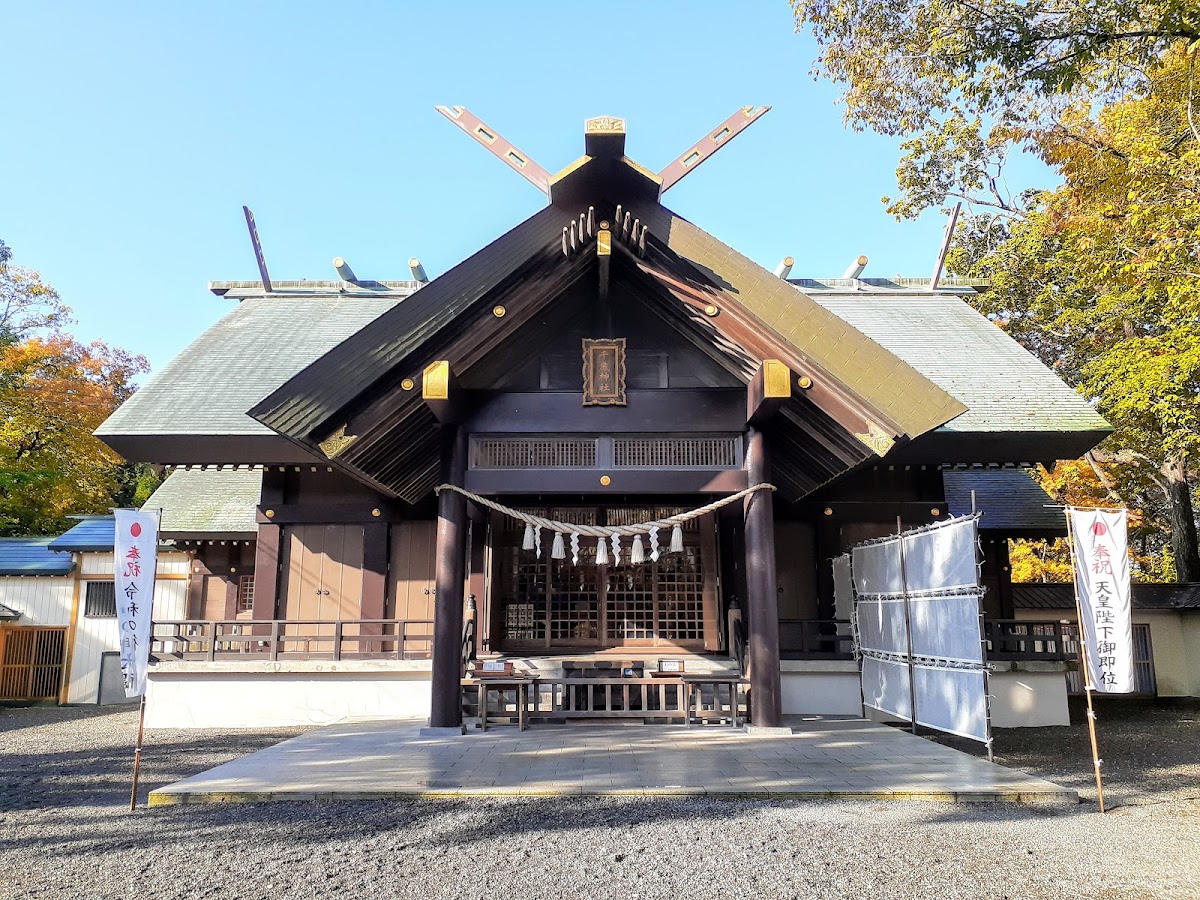
The current shrine building, constructed in 1976, is a dignified wooden structure. Located on a hill, the shrine grounds offer a panoramic view of Chitose city.
Kamaka Shrine (Subsidiary Shrine)
Kamaka Shrine, a subsidiary shrine of Chitose Shrine, originated from a Benten-do hall built in 1658. It enshrines Benzaiten (the goddess of performing arts) and is believed to bring blessings for performing arts and business prosperity.
Flower Water Basin
During the annual festival period (September 1st-3rd), a beautiful flower water basin is set up on the shrine grounds. The sight of the colorful flowers adorning the water basin has become a popular topic on social media, attracting many visitors who point their cameras at it.
Lush Green Forest
Chitose Shrine is known as the “Shrine of the Forest” due to its lush green grounds. Visitors can enjoy the beauty of nature throughout the seasons: cherry blossoms in spring, fresh greenery in summer, autumn leaves in fall, and snowscapes in winter.
Annual Events and Festivals
Annual Festival (September 1st-3rd)
The annual festival is the most important festival at Chitose Shrine.
- Evening Festival: September 1st, 6:00 PM
- Main Festival: September 2nd, 10:00 AM
- Post-Festival Celebration: September 3rd, 9:00 PM
During the main festival period, the portable shrine procession and dedication ceremonies take place, enveloping the city of Chitose in a festive atmosphere. Flower-filled water basins are also set up, attracting many worshippers.
Other Major Events
- New Year’s Day Festival: January 1st
- Setsubun Festival: February 3rd
- Spring Festival: May
- Summer Purification Ceremony: June 30th
- Shichi-Go-San Ceremony: October-November
- Year-End Purification Ceremony: December 31st
About Prayers and Sorrows
Chitose Shrine accepts various prayers and blessings.
Main Prayer Services Offered
- Family Safety
- Business Prosperity
- Traffic Safety
- Protection from Evil Spirits
- Prayer for Success in Exams
- Prayer for Safe Childbirth
- First Shrine Visit for a Newborn
- Shichi-Go-San Ceremony
- Groundbreaking Ceremony
- Ridgepole Raising Ceremony
- Shinto Funeral Ceremony
Reception Hours
Normal Hours: 9:00 AM – 5:00 PM
*Advance reservations are recommended for prayer services. Especially during the Shichi-Go-San season and New Year’s period, congestion is expected, so we recommend contacting us by phone in advance.
Access and Transportation Information
Location
Address: 1 Shinmachi, Chitose City, Hokkaido 066-0046
*When using car navigation, searching for “3-13 Honmachi, Chitose City (Chitose Shrine Office)” will provide accurate directions.
By Public Transportation
From JR Chitose Station:
- Approximately 18 minutes on foot (approx. 1.4 km)
- Approximately 5 minutes by taxi
By Bus:
- Take Hokkaido Chuo Bus or Chitose Sogo Kanko Bus
- Get off at the “Honmachi 2-chome” bus stop, 5-6 minutes on foot
From New Chitose Airport:
- Approximately 6 minutes to Chitose Station on the JR Rapid Airport train, then walk or take a taxi
- Approximately 15 minutes by direct taxi
By Car
- Approximately 5 minutes by car from JR Chitose Station
- Approximately 10 minutes by car from New Chitose Airport
- Approximately 50 minutes by car from Sapporo city center via National Route 36
- Approximately 30 minutes by car from Tomakomai city center via National Route 36
Parking
A parking lot for visitors is available on the temple grounds.
- Parking Capacity: Approximately 30 regular cars
- Fee: Free
- Operating Hours: During visiting hours
*Expect congestion during the first three days of the New Year and during the annual festival. Temporary parking may be available, but please consider using public transportation.
Manners and Points for Visiting the Shrine
How to Visit the Shrine
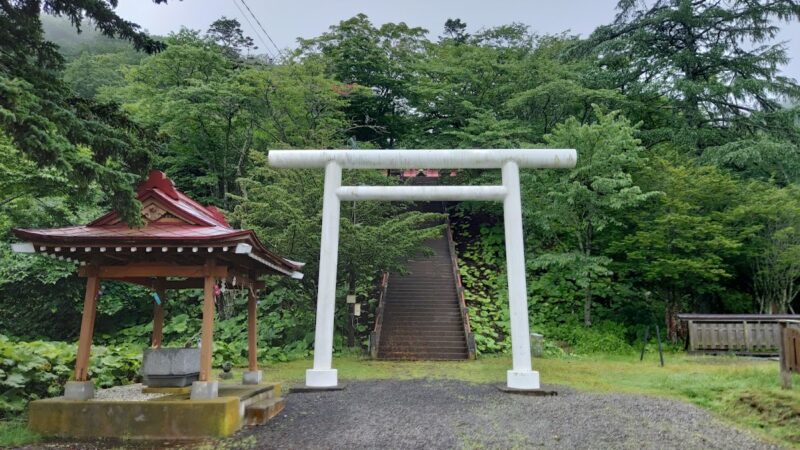
- When passing through the torii gate: Bow before entering the shrine grounds.
- Purifying at the water basin: Purify your left hand, right hand, and mouth in that order.
- Manners at the main hall: Two bows, two claps, and one bow are the basic rituals.
- Drawing water from the sacred well: After praying, drink the sacred water.
Attire for Visiting the Shrine
Everyday clothes are acceptable, but if you are receiving a prayer, somewhat formal attire is preferable. For occasions such as Shichi-Go-San (7-5-3) or Hatsumōde (first shrine visit), formal or semi-formal attire is recommended.
Regarding Photography
Photography is generally permitted within the shrine grounds, but consideration should be given to avoiding disturbing other worshippers. Please refrain from taking photos inside the main hall or during religious ceremonies.
Nearby Tourist Attractions
The following tourist attractions are located near Chitose Shrine:
Chitose River
A clear stream flowing right beside the shrine. During the salmon run season (September-October), you can observe many salmon swimming upstream.
Salmon Park Chitose Roadside Station
A roadside station located along the Chitose River. It features an Indian waterwheel and salmon observation facilities, and you can also purchase Chitose’s local products.
Chitose Outlet Mall Rera
A large outlet mall near New Chitose Airport. You can enjoy shopping before or after visiting the shrine.
For Those Planning a Visit to Chitose Shrine
Chitose Shrine is conveniently located very close to New Chitose Airport, making it an easy stop during a trip to Hokkaido. It is especially recommended for the following people:
- For those collecting Goshuin (temple/shrine stamps): Attractive for its beautiful stamps and multiple designs of Goshuin notebooks.
- For those who love power spots: Seek the sacred water, “Kōi no Mizu” (Water of Good Fortune).
- For those who enjoy photography: The seasonal beauty of nature and the flower-filled water basin make for great photo opportunities.
- For those interested in Hokkaido’s history: A historical shrine related to the origin of the name Chitose.
- For those wishing to pray for safe travels: Pray for a safe journey near the airport.
After your visit, you can take home some Kōi no Mizu and feel its blessings in your daily life. Bringing a container such as a plastic bottle is recommended.
Summary
Chitose Shrine has a history of over 360 years and is a venerable shrine that has walked hand in hand with the development of Chitose City. The two deities, Toyouke-hime no Ōkami and Ichikishimahime no Mikoto, watch over the various wishes of worshippers.
The “Kōi no Mizu” spring that flows from within the shrine grounds is a popular power spot representing Chitose Shrine, and the beautiful goshuin (shrine stamps) and seasonal flower arrangements in the water basin also attract visitors. Its convenient location, just a 10-minute drive from New Chitose Airport, is a major draw for visitors from both within and outside Hokkaido.
When visiting Chitose, we highly recommend visiting Chitose Shrine, quietly praying amidst its historic forest, and receiving the blessings of its sacred water.
Chitose Shrine Basic Information
- Location: 1 Shinmachi, Chitose City, Hokkaido
- Phone: 0123-23-2542
- Visiting Hours: Grounds are freely accessible (Shrine office is open from 9:00 to 17:00)
- Parking: Available (Free)
- Official Website: https://chitosejinja.or.jp/