Mizuho Shrine (Sapporo) Complete Guide | A Thorough Explanation of History, Deities, Blessings, and Visiting Information
Nearby nestled along the Toyohira River in Naebo-cho, Higashi-ku, Sapporo, Mizuho Shrine is a historic shrine that has been cherished as a spiritual center for the local community since the Meiji era’s Hokkaido pioneering period. This article provides a detailed explanation of Mizuho Shrine’s history from its founding to the present day, the origins and myths of its enshrined deities, its blessings, highlights of the shrine grounds, how to visit, and access information—more than anywhere else.
Basic Information about Mizuho Shrine
Official Name: Mizuho Shrine
Former Name: Kariki Shrine
Location: Naebo-cho, Higashi-ku, Sapporo City, Hokkaido
Deities Enshrined: Ōnamuchi-no-kami, Sukunahikona-no-kami
Annual Festival Date: September 5th
Religious Corporation Registration: May 2, 1953 (as Kariki Shrine), February 19, 1959 (renamed Mizuho Shrine)
Affiliation: Sapporo Branch of the Hokkaido Shrine Association
History of Mizuho Shrine | From the Meiji Era to the Present
Founding and Beliefs in the Pioneer Era (1878-)
The history of Mizuho Shrine dates back to 1878 (Meiji 11). This year marked the beginning of the shrine, with the enshrinement of a divided spirit from the Sapporo Miyoshi Shrine, which had been invited from the Miyoshi Shrine on Mount Taihei in Akita Province. At the time, it was a small shrine of less than one tsubo (approximately 3.3 square meters), but in the harsh environment of Hokkaido’s development, it became an invaluable spiritual anchor for the settlers.
The settlers held festivals in the spring to pray for a bountiful harvest and in the autumn to give thanks for a good harvest, maintaining their faith in the gods far from their homeland. Hokkaido at this time was an undeveloped land, and the development project, centered on agriculture, was a harsh battle against nature. In such circumstances, the shrine functioned not merely as a religious facility, but as an important place to strengthen community bonds.
Establishment of Karikura Shrine (1894-)
In May 1894, Tamekichi Yamazaki, who had settled in this area, saw the shrine and consulted with local volunteers. Mr. Yamazaki himself donated land and decided to build a full-fledged shrine. Thus, the “Karikura Shrine” was officially established and recognized, marking the beginning of its journey as the local guardian deity.
The place name “Karikura” is said to originate from the fact that many geese once migrated to this area. The rich natural environment along the Toyohira River is also known as a habitat for wild birds, and the shrine’s name reflects the characteristics of the land.
Reconstruction of the Worship Hall by Mr. Rokumatsu Murakami (1934)
Mr. Rokumatsu Murakami, who had served the shrine since he was 15 years old, maintained a deep reverence for the shrine. In 1934, Mr. Murakami realized the reconstruction of the current worship hall. This hall is now larger, capable of accommodating more worshippers, further strengthening its role as the center of local faith.
Mr. Murakami’s dedicated service greatly contributed to the maintenance and development of the shrine, and his spirit is still carried on today. The existence of such philanthropists is extremely important in the history of the shrine, and it speaks to the strong bond between the local community and the shrine.
Renaming to Mizuho Shrine (1959)
After being registered as a religious corporation on May 2, 1953, the shrine was renamed from “Karigami Shrine” to “Mizuho Shrine” on February 19, 1959.
The name “Mizuho” means “fresh rice ears” and symbolizes abundant harvests and national prosperity. Japan has historically been called the “Land of Mizuho,” fostering an agricultural culture centered on rice cultivation. This renaming is thought to have reflected the desire for the success of Hokkaido’s development, regional progress, and a clearer understanding of the shrine’s role as a deity of agriculture.
Relocation to Current Location (1970)
In 1970, Mizuho Shrine was relocated to its current location. Its location adjacent to the Toyohira River embankment offers a sense of openness and a tranquil environment where worshippers can enjoy the soothing sound of the river.
Located along National Route 275, a convenient location for transportation, the shrine grounds maintain a quiet and peaceful atmosphere, offering a rare space to feel close to nature despite being in an urban area.
Deities Enshrined | Mythology and Divine Virtues of Ōnamuchi-no-Kami and Sukunahikona-no-Kami
Ōnamuchi-no-Kami
Ōnamuchi-no-Kami is one of the most important gods in Japanese mythology and is another name for Ōkuninushi-no-Kami, the principal deity of Izumo Taisha Shrine.
Role in Mythology Ōnamuchi-no-Kami, along with Sukunahikona-no-Kami, is revered as the “god of nation-building,” having pioneered the land of Japan and created a country where people could live. The Kojiki and Nihon Shoki record stories of the two gods working together to clear mountains and fields, create hot springs, and bestow medical and agricultural techniques upon the people.
Divine Virtues and Benefits
- God of Nation Building and Development: Holds extremely important significance in the context of Hokkaido’s development.
- God of Agriculture: Prayers for abundant harvests and bountiful harvests.
- God of Commerce: Prayers for business prosperity and success.
- God of Medicine: Prayers for recovery from illness and good health.
- God of Matchmaking: Prayers for successful love, marital harmony, and good relationships.
In particular, in the myth of “The White Rabbit of Inaba,” he is depicted as a compassionate figure who helps an injured rabbit, demonstrating his character as a god of medicine. Furthermore, due to his marriage myths with many goddesses, he is also widely worshipped as a god of matchmaking.
Sukunahikona-no-Kami
Sukunahikona-no-Kami is depicted as a god with great power despite his small stature, and contributed to nation-building as Ōkuninushi-no-Kami’s best partner.
Role in Mythology
According to the Kojiki, Sukunahikona-no-Kami appeared from across the sea in a small boat and met Ōkuninushi-no-Kami. The two deities became close friends and traveled together throughout the land, bringing various blessings to the people. Afterwards, Sukunahikona-no-Kami is said to have departed to Tokoyo-no-Kuni (the land of eternal youth).
Divine Virtues and Benefits
- God of Grain: Abundant harvests, protection of agriculture
- God of Medicine: Treatment of illness, promotion of health
- God of Sake Brewing: Prosperity of the sake brewing industry, improvement of brewing techniques
- God of Hot Springs: Protection of hot springs, efficacy of hot spring therapy
- God of Wisdom: Academic success, improvement of skills
Sukunahikona-no-Kami is especially revered as the god of medicine and is deeply worshipped by medical and pharmaceutical professionals throughout Japan.
Why are these two deities enshrined at Mizuho Shrine?
The reason why Mizuho Shrine, which enshrines a divided spirit of Sapporo Miyoshi Shrine (which was invited from Taiheizan Miyoshi Shrine in Akita Province), enshrines Ōkuninushi-no-kami and Sukunahikona-no-kami is deeply connected to the historical background of Hokkaido’s development.
The pioneering work—clearing the undeveloped land, establishing agriculture, and creating an environment where people could live healthy lives—was precisely the nation-building process described in mythology. The pioneers viewed their work as a recreation of mythology and sought protection from the gods of nation-building.
Furthermore, for pioneers battling illness and injury in the harsh natural environment, these two deities, as gods of medicine, were especially important. In an era before modern medicine was developed, prayer to the gods was a heartfelt plea.
Benefits of Mizuho Shrine | Divine Virtues for Modern Times
Based on the divine virtues of the enshrined deities, Mizuho Shrine is believed to offer the following benefits:
Abundant Harvest and Agricultural Prosperity
Due to its nature as a god of agriculture, worshippers visit to pray for bountiful harvests and stable agricultural businesses. In modern times, many also pray for success in their home gardens.
Business Prosperity and Thriving Operations
Thanks to the divine virtues of Ōkuninushi-no-kami as a god of commerce, worshippers can pray for business prosperity, success in their ventures, and the development of their companies. Many business owners praying for the success of their startups and new businesses also visit.
Recovery from Illness and Prayer for Good Health
Worshippers pray to the two gods as gods of medicine for recovery from illness, maintenance and improvement of health, and longevity. Medical professionals also sometimes pray for professional success and the recovery of their patients.
Matchmaking, Romantic Success, and Marital Harmony
Due to the divine virtues of Ōkuninushi-no-kami for matchmaking, worshippers visit to pray for good relationships, romantic success, successful marriages, and marital harmony. Because it enshrines the same gods as Izumo Taisha, many people expect blessings for matchmaking. ### Prayer for Safe Childbirth and Fertility
Due to his nature as a god who nurtures life, you can pray for safe childbirth and the blessing of having children.
Prayer for Success in Exams and Academic Achievement
With the divine virtue of Sukunahikona-no-kami, the god of wisdom, you can pray for success in exams, academic improvement, and skill acquisition.
Good Fortune and Protection from Evil
As a great god of nation-building, you can pray for good fortune and protection from evil at new beginnings and turning points in life.
Highlights of the Shrine Grounds | The Charm of Mizuho Shrine
Main Hall and Worship Hall
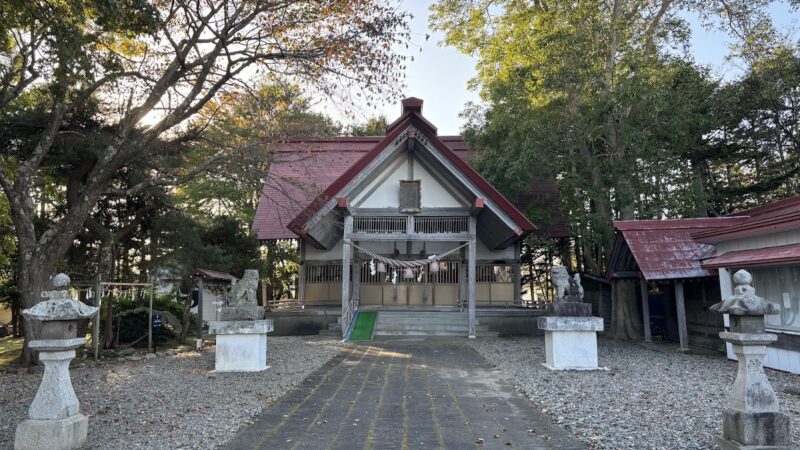
The worship hall, rebuilt in 1934, presents a simple yet dignified appearance. The warmth of the wooden architecture and the solemn atmosphere created by its long history welcome visitors.
Komainu (Guardian Dogs)
The guardian dogs on the shrine grounds are characterized by their adorable expressions, which soothe the hearts of visitors. Komainu (guardian lion-dogs) serve as guardians of the shrine, playing a role in warding off evil spirits and protecting the sacred grounds.
Scenery of the Toyohira River
The back of the shrine is adjacent to the Toyohira River embankment, offering an open environment where visitors can worship while listening to the gentle murmur of the river. Especially during the seasons of fresh greenery in spring and autumn foliage, one can enjoy a magnificent landscape where the beauty of nature and the tranquility of the shrine harmonize.
Shrine Name Marker and Torii Gate
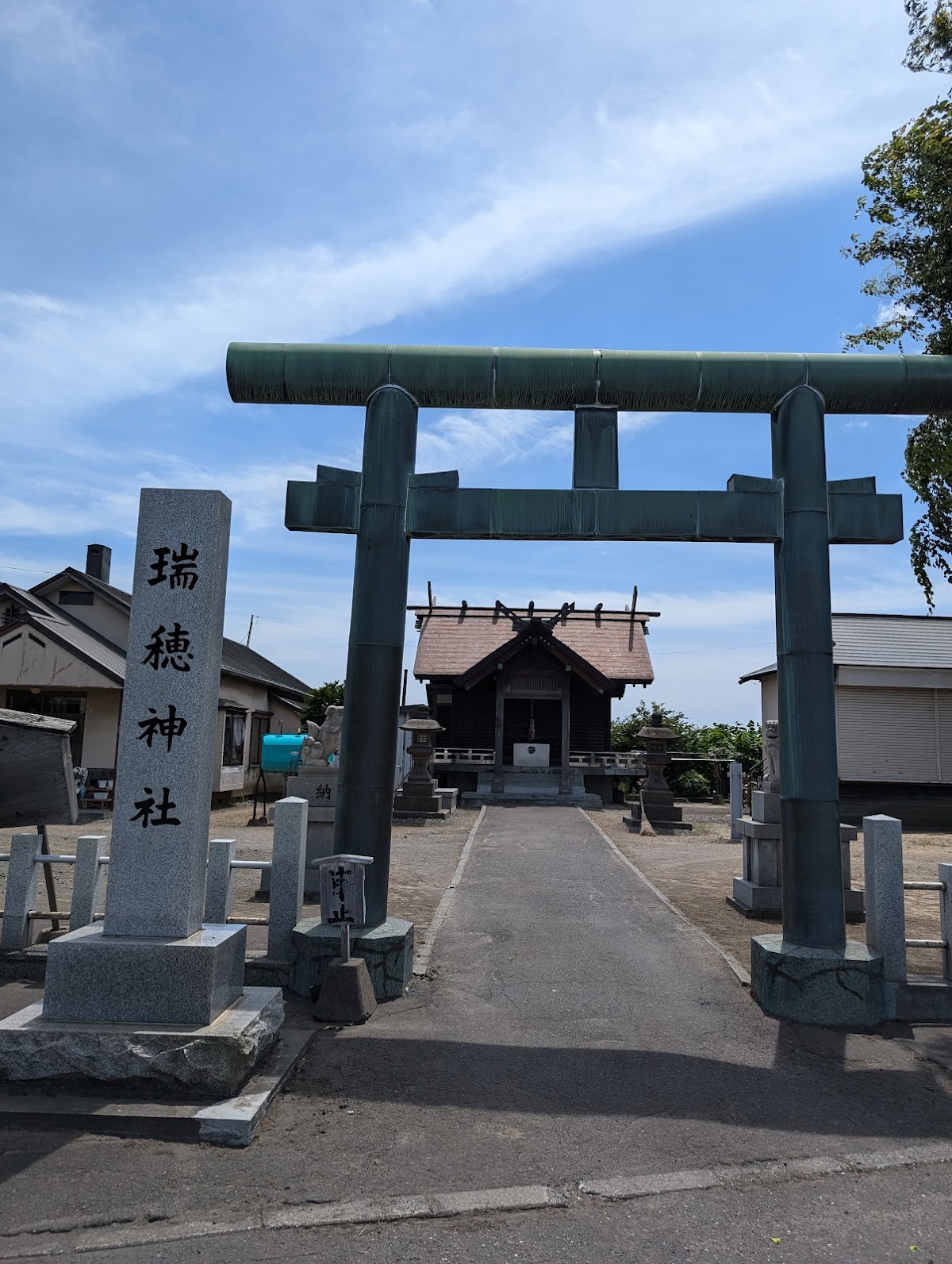
The shrine name marker and torii gate, standing along National Route 275, are important landmarks indicating the presence of Mizuho Shrine. Despite its roadside location, passing through the torii gate reveals a tranquil space that feels like a different world.
Annual Festival and Events
Annual Festival (September 5th)
The annual festival, the most important festival of Mizuho Shrine, is held every year on September 5th. It is a festival to express gratitude for a bountiful harvest and to pray for the safety and prosperity of the region, and is attended by many local residents and worshippers. This festival, held during the autumn harvest season, carries on a tradition dating back to the pioneering era and continues to be an important opportunity to strengthen the bonds of the local community.
Other Annual Events
- New Year’s Day Festival: Praying for happiness and peace in the new year
- Setsubun Festival: Praying for protection from evil and good fortune
- Spring Festival: Praying for the arrival of spring and a bountiful harvest
- Summer Purification Ceremony: Cleansing away the sins and impurities of the past six months
- Autumn Festival: Expressing gratitude for the harvest
- Year-End Purification Ceremony: Cleansing away the sins and impurities of the past year and preparing to welcome the new year
How to Worship and Manners
Basic Worship Etiquette
- Bow at the Torii Gate: Bow before passing through the torii gate to show respect for entering the sacred area.
- Purification at the Water Basin: Purify your body and mind at the water basin (use the ladle to cleanse your left hand, then your right hand, then your mouth).
- How to Walk the Approach to the Shrine: Walk along the edges of the approach to the shrine, as the center is considered the path for the gods.
- Worship at the Main Hall: The basic method is two bows, two claps, and one bow (two bows, two claps, one bow).
- Bow deeply twice.
- Clap your hands twice at chest height.
- Offer your prayers with sincerity.
- Finally, bow deeply once.
- Bow upon Exit: After leaving the torii gate, turn around and bow once.
About Offerings
Offerings are a way of expressing gratitude to the gods. There are no rules regarding the amount, but it is important to offer with sincerity. When throwing in your offering, do so gently and without rudeness.
Photography Etiquette
Photography is generally permitted on the shrine grounds, but please note the following points.
- Photography inside the main shrine is prohibited in principle.
- Please be considerate of other worshippers.
- Please refrain from taking photos during ceremonies.
- Avoid using flash.
Access Information | How to get to Mizuho Shrine
Location
Address: Naebo-cho, Higashi-ku, Sapporo City, Hokkaido (along National Route 275)
Access by Public Transportation
JR Hakodate Main Line
- Approximately 15-20 minutes on foot from Naebo Station
- Exit the station and head towards the Toyohira River, then proceed along National Route 275.
Using Subway and Bus
- You can also take a bus from “Bus Center-mae Station” on the Tozai Subway Line.
- Please check the Sapporo City Transportation Bureau website for detailed bus routes.
Access by Car
Along National Route 275
- Approximately 15-20 minutes by car from central Sapporo.
- Head north along National Route 275, following the Toyohira River.
- Enter “Mizuho Shrine” or the address into your car navigation system.
Parking: Due to the size of the shrine, dedicated parking is limited. When visiting, we recommend using nearby coin-operated parking lots or public transportation. Please refrain from street parking as it inconveniences local residents.
Landmarks in the vicinity
- Adjacent to the Toyohira River embankment
- Along National Route 275
- From JR Naebo Station towards the Toyohira River
Nearby Attractions and Tourist Spots
Toyohira River Embankment
The Toyohira River embankment, located directly behind Mizuho Shrine, is an ideal spot for strolling, jogging, and cycling. Enjoy the changing seasons with cherry blossoms in spring, lush greenery in summer, and vibrant autumn leaves.
Naebo Area
The Naebo area, which developed as an industrial zone in Sapporo, is currently undergoing redevelopment, creating an interesting mix of old and new. A stroll through the area while experiencing its history is also enjoyable.
Other Shrines in Sapporo
Sapporo has many shrines, including Hokkaido Shrine. Those who enjoy visiting shrines are also recommended to visit historically related shrines, such as Sapporo Miyoshi Shrine (the shrine from which the divided spirit of Mizuho Shrine originated).
Mizuho Shrine and the History of Hokkaido’s Development
Faith and Shrines in the Pioneer Period
The development of Hokkaido during the Meiji era was a crucial project in Japan’s modernization. Pioneers who migrated from various parts of Honshu gained spiritual support by inviting the gods of their homelands and establishing shrines in their new territories.
Mizuho Shrine is one such shrine; the gods invited from Akita were important to the Akita pioneers, maintaining their connection to their homeland. At the same time, by enshrining the god of nation-building, they expressed their determination and hope for “new nation-building” in Hokkaido.
Agricultural Development and Prayers for Abundant Harvests
Hokkaido’s climate differs significantly from that of Honshu, and establishing agricultural techniques required much trial and error. Facing various difficulties such as cold damage, frost damage, and pest infestations, the pioneers cherished festivals to pray to the gods for a bountiful harvest and to give thanks for their crops.
The fact that Mizuho Shrine’s annual festival is held on September 5th coincides with Hokkaido’s harvest season and embodies gratitude to the agricultural gods.
As a Center of the Local Community
In the pioneering era, shrines served not only as religious facilities but also as public spaces where local residents gathered. Through festivals and events, people exchanged information and built relationships of mutual support.
Mizuho Shrine has also grown alongside the development of the Naebo district, watching over the history of the region. Even today, it plays an important role in preserving the region’s traditions and culture.
Mizuho Shrine: Present and Future
A Shrine in the Midst of Urbanization
Amidst the increasing urbanization of Sapporo, Mizuho Shrine maintains its presence as a precious space of greenery and tranquility. While surrounded by buildings and houses, its location facing the Toyohira River offers a sense of openness, bringing peace of mind to visitors.
The Meaning of Faith in Modern Times
In modern society, the meaning of visiting shrines has diversified. In addition to visits based on traditional faith, people visit shrines for various reasons, such as seeking peace of mind, experiencing Japanese culture, or visiting as a power spot.
Mizuho Shrine continues to meet these diverse needs while preserving traditions that have continued since the pioneering era, and fulfilling its role as a spiritual pillar of the community.
Passing on Tradition to the Next Generation
The maintenance and development of a shrine requires the transmission of tradition to the next generation. Understanding the history and significance of Mizuho Shrine and passing on its value to the future is our responsibility as those living in the present.
It is hoped that local residents, worshippers, and all visitors to Sapporo will cherish Mizuho Shrine, a historical and cultural asset, and pass it on to the next generation.
Summary | The Charm of Mizuho Shrine
Mizuho Shrine is a historic shrine that has walked hand in hand with the community of Higashi-ku, Sapporo City, for over 140 years since its founding in 1878 (Meiji 11).
Features of Mizuho Shrine
- A long history dating back to the Hokkaido pioneering era
- Dedicated to Ōkuninushi-no-kami and Sukunahikona-no-kami, the gods of nation-building
- Offers diverse blessings including abundant harvests, business prosperity, healing from illness, and matchmaking
- An open and tranquil environment along the Toyohira River
- A spiritual pillar of the local community
- A valuable historical and cultural space within the city
When visiting Sapporo, or if you live in Sapporo, be sure to visit Mizuho Shrine. A time to reflect on history and quietly pray at this shrine, imbued with the prayers of the pioneers, will surely be a special experience.
It may be a small shrine you see while driving along National Route 275, but its grounds are steeped in the history of Hokkaido’s development and the accumulated faith of its people. Why not spend some peaceful time at Mizuho Shrine while listening to the gentle murmur of the Toyohira River?