Complete Guide to Sumiyoshi Shrine | Information on Goshuin (Shrine Seals), Cherry Blossoms, and Access to a Historic Shrine at the Foot of Mount Hakodate
Sumiyoshi Shrine, quietly nestled in Sumiyoshi-cho, Hakodate City, is a historically significant shrine located at the foot of Mount Hakodate. Said to have been founded during the Kamakura period, this shrine is known for its cherry blossom tunnels that adorn the approach in spring and is also one of the shrines visited on the Hakodate Seven Lucky Gods pilgrimage. This article comprehensively introduces everything you need to know before visiting Sumiyoshi Shrine, including its history, enshrined deities, highlights, goshuin information, and access methods.
About Sumiyoshi Shrine
Sumiyoshi Shrine (Sumiyoshi Jinja) is a shrine located at 1-7 Sumiyoshi-cho, Hakodate City, Hokkaido. Due to its location at the foot of Mount Hakodate, it has long been revered as a beloved local guardian deity by the residents. The current name was adopted in 1935; before that, it was known as Sumiyoshi Shrine.
Basic Information about the Shrine
- Location: 1-7 Sumiyoshi-cho, Hakodate City, Hokkaido
- Phone Number: 0138-22-2608
- Nearest Station: Approximately 7 minutes on foot from Yachigashira Station on the Hakodate tram line
- Shrine Rank: Former Village Shrine
- Annual Festival Day: Various festivals are held throughout the year
History of Sumiyoshi Shrine
From Founding to the Edo Period
While there are no clear records of the founding date of Sumiyoshi Shrine, oral tradition suggests it dates back to the Kamakura period. If this tradition is true, it would be one of the oldest shrines in the Hakodate area. The shrine building was rebuilt during the An’ei era (1772-1781), suggesting that it was already functioning as a center of local faith during the mid-Edo period.
The Hakodate Magistrate and the Dedication of the Stone Lantern
During the Kyowa and Bunka eras (1801-1818), Hakodate Magistrates Togawa Chikuzen-no-kami Yasutomo and Hata Aki-no-kami Masayoshi dedicated a stone lantern in the spring of Kyowa 3 (1803) to pray for national defense against the threat of foreign ships and for peace in the north. Although this stone lantern was damaged in a major fire in March 1934 (Showa 9), a small fragment remains, making it a valuable historical relic that conveys the history of that time.
Development in the Meiji Era
In Meiji 8 (1875), Sumiyoshi Shrine was designated a village shrine and officially recognized as a Shinto shrine. In December of Meiji 37 (1904), the shrine building was renovated, giving it the appearance of a proper Shinto shrine.
The Great Fire of the Showa Era and the Merger and Consolidation of Deities
In March 1934 (Showa 9), a major fire struck Hakodate, destroying the Sumiyoshi Shrine’s main hall. This disaster led to the construction of a temporary shrine on the site of the former Miyoshi Shrine, and the merger and consolidation of the Miyoshi Shrine with Sumiyoshi Shrine. On May 11, 1935 (Showa 10), after relocating to the former shrine site, the shrine’s name was changed to “Sumiyoshi Shrine,” which it remains to this day.
Due to this history of merger and consolidation, Sumiyoshi Shrine now enshrines many deities and has developed into a shrine that single-handedly carries the faith of the region.
About the Deities
Sumiyoshi Shrine enshrines multiple deities due to its history of merger and consolidation. Let’s take a closer look at each of these deities.
The Three Sumiyoshi Gods
Uwatsutsuno-Okami, Nakatsutsuno-Okami, and Sokotsutsuno-Okami are the three sea gods known as the Three Sumiyoshi Gods. They are the principal deities of the more than 2,000 Sumiyoshi shrines throughout Japan, and have been worshipped since ancient times as gods of safe voyages, maritime safety, and prosperous fishing.
Considering Hakodate’s history as a port city, the enshrinement of these sea gods makes perfect sense.
Other Deities
- Okinagatarashihime no Okami: Known as Empress Jingu, the goddess of safe childbirth, child-rearing, and victory.
- Oonamochi no Okami: Another name for Okuninushi no Mikoto, the goddess of matchmaking and business prosperity.
- Sukunahikona no Okami: The god of medicine, hot springs, and sake brewing.
- Miyoshi no Okami: The deity enshrined at Taiheizan Miyoshi Shrine in Akita Prefecture, the god of strength and victory.
The Worship of Miyoshi no Okami
Miyoshi no Okami is a deity whose head shrine is Taiheizan Miyoshi Shrine in Akita City, Akita Prefecture, and is known as the god of strength and victory. The worship of Miyoshi Reijin, which originated in Akita, spread to Hokkaido and various parts of Tohoku over time, and Miyoshi Shrines were built in various locations. Hakodate also had a Miyoshi Shrine, but after the Great Fire of the Showa era, it merged with Sumiyoshi Shrine to become the current Sumiyoshi Shrine.
Highlights of Sumiyoshi Shrine
The Approach to the Shrine Becomes a Tunnel of Cherry Blossoms
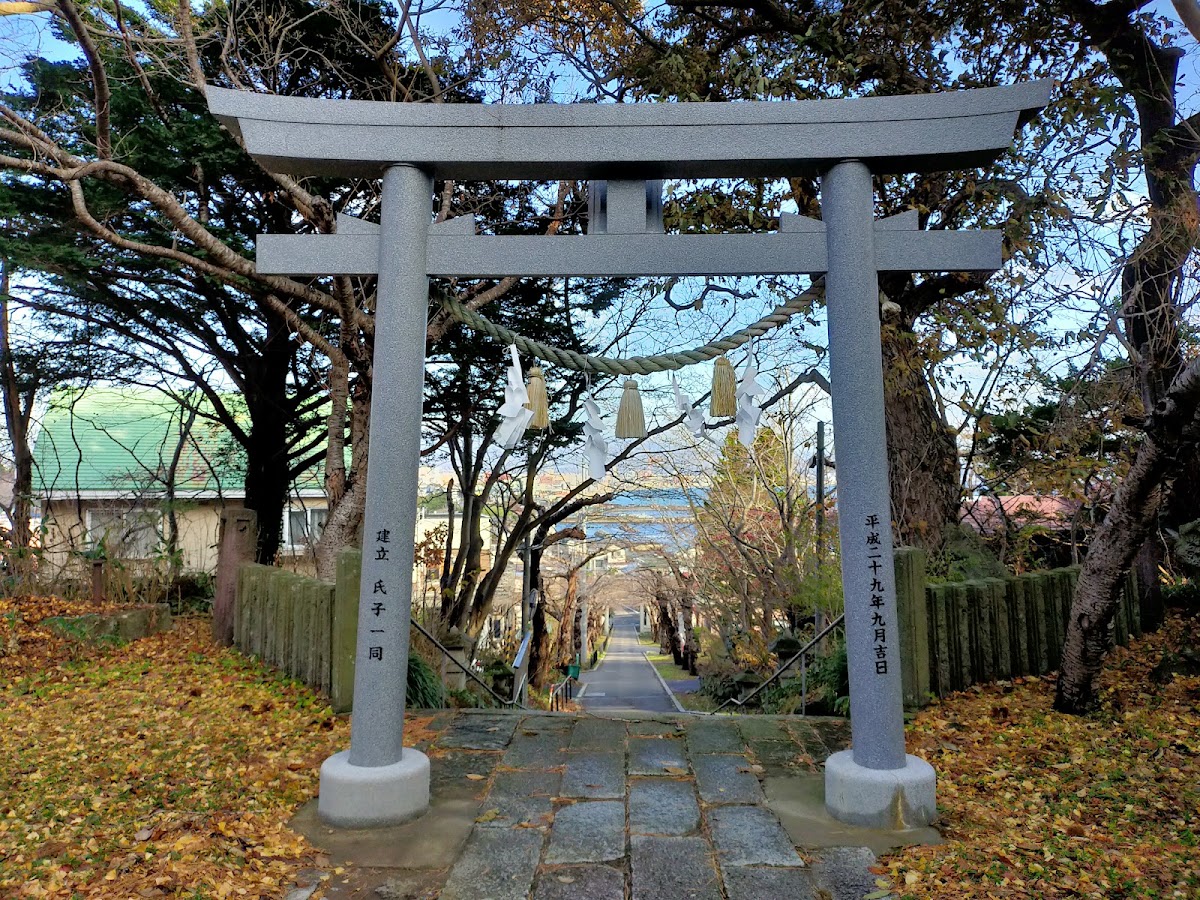
The biggest highlight of Sumiyoshi Shrine is the cherry blossom season in spring. Somei Yoshino cherry trees are planted along the approach to the shrine, and during the blooming season, the entire approach transforms into a fantastical space resembling a tunnel of cherry blossoms.
While there are many famous cherry blossom viewing spots in Hakodate, the approach to Sumiyoshi Shrine is a relatively unknown hidden gem. Because it’s not as crowded as famous tourist spots, it’s especially recommended for those who want to enjoy the cherry blossoms in peace. The sight of cherry blossoms covering the steep approach is truly a hidden gem of Hakodate.
Best time to see the cherry blossoms: Late April to early May (typically)
Hakodateyama Seven Lucky Gods Pilgrimage
Sumiyoshi Shrine is one of the shrines on the Hakodateyama Seven Lucky Gods Pilgrimage, and enshrines Jurojin (the god of longevity). Jurojin is the god of longevity and happiness, and is one of the most popular of the Seven Lucky Gods.
Interestingly, the statues of the Seven Lucky Gods at Sumiyoshi Shrine are usually not open to the public, making them a special presence on the Hakodateyama Seven Lucky Gods pilgrimage. Those planning the pilgrimage are advised to check the visiting hours in advance.
Quiet Atmosphere of the Shrine Grounds
Sumiyoshi Shrine is an unmanned shrine with no resident priests. Therefore, the grounds are enveloped in silence, allowing for a peaceful visit. Its location at the foot of Mount Hakodate offers a calm atmosphere, far removed from the hustle and bustle of the city.
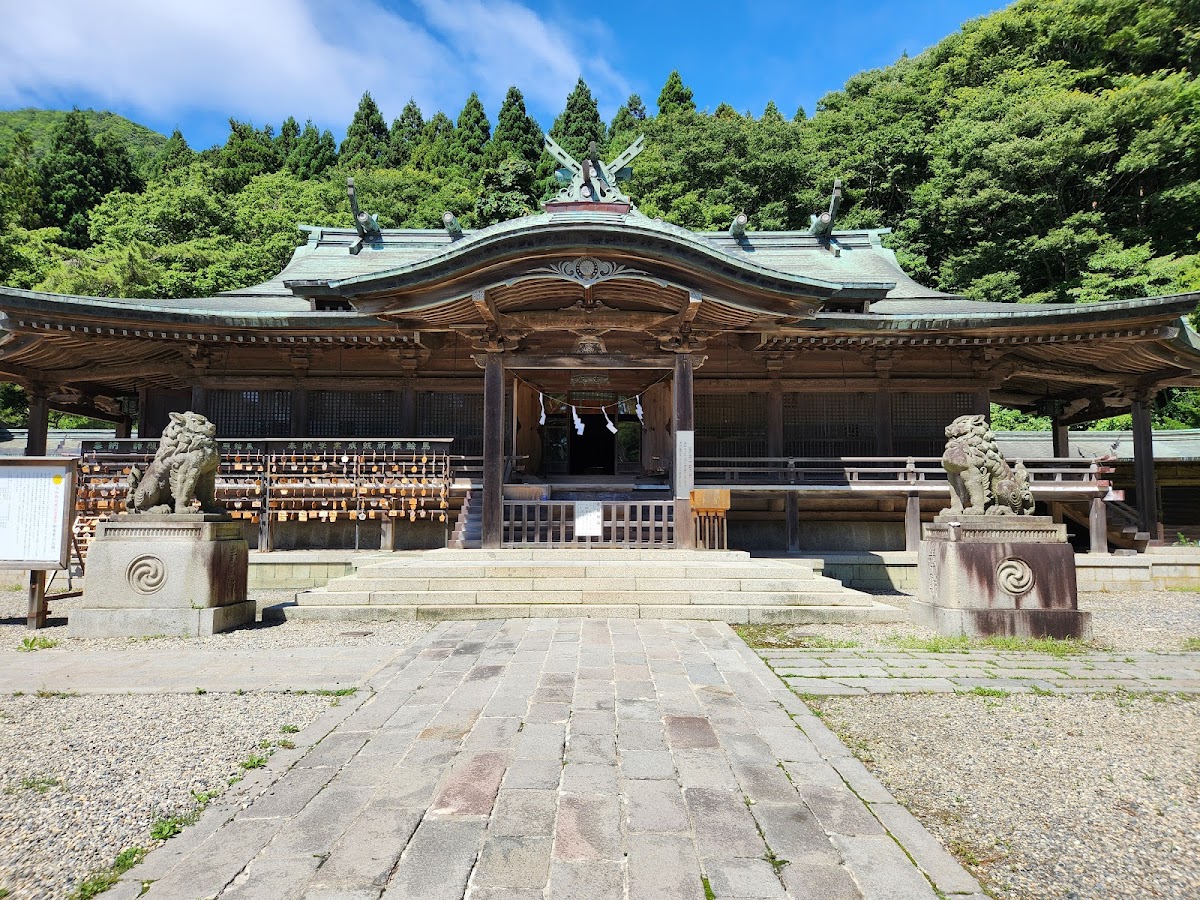
The shrine building has been maintained since its reconstruction in 1935, preserving its historical appearance.
Remains of a Stone Lantern Telling a Story of History
The stone lantern, donated by the Hakodate Magistrate in 1803, was damaged in the great fire of 1934, but a portion of it still remains on the shrine grounds. This historical site is a valuable cultural asset that conveys the history of Hakodate in the late Edo period, particularly the history of prayers against the threat of foreign ships.
About Goshuin (Shrine Seals)
Where to Obtain Goshuin
Sumiyoshi Shrine is an unmanned shrine, therefore, goshuin are not issued on the shrine grounds. Goshuin for Sumiyoshi Shrine can be obtained at Yamagami Daijingu in Funami-cho, Hakodate City.
Yamagami Daijingu Information:
- Address: 1-11 Funami-cho, Hakodate City
- Distance from Sumiyoshi Shrine: Approximately 2km
- Issuance Format: Pre-printed goshuin
Features of the Goshuin
The goshuin for Sumiyoshi Shrine is a pre-printed type and is issued at Yamagami Daijingu. The goshuin bears the name “Sumiyoshi Shrine” and features a design that reflects the history of the shrine as a place of worship for many deities.
You may also be able to receive the Goshuin (temple/shrine stamp) for the Hakodateyama Seven Lucky Gods pilgrimage at the same time, so if you are doing the Seven Lucky Gods pilgrimage, we recommend checking at the Yamagami Daijingu Shrine.
Access Information
Access by Public Transportation
Using the Tram:
- Get off at “Yachigashira Station” on the Hakodate City Tram, approximately 7 minutes on foot.
- Take the tram bound for Yachigashira from in front of Hakodate Station (approximately 20 minutes).
From Yachigashira Station to Sumiyoshi Shrine, proceed up a gentle slope towards Sumiyoshi-cho. Since it is located at the foot of Mount Hakodate, there are some slight inclines, but it is within walking distance.
Using the Bus:
Hakodate Bus routes are also available. It is a few minutes’ walk from the nearest bus stop.
Access by Car
It is approximately 10 minutes by car from Hakodate Station. However, the area around the shrine is a residential area with some narrow roads, so caution is required when driving.
Parking: Parking at the shrine is limited, so we recommend using public transportation. If you are visiting by car, please use nearby paid parking lots or be careful of street parking.
Nearby Tourist Attractions
Sumikiyoshi Shrine is surrounded by several attractive Hakodate tourist spots.
- Hakodateyama Ropeway: Approximately 15 minutes on foot
- Yachigashira Onsen: Approximately 10 minutes on foot
- Tachimachi Cape: Approximately 20 minutes on foot
- Gokoku Shrine: Approximately 15 minutes on foot
- Hakodateyama Hiking Trail Entrance: Approximately 10 minutes on foot
We recommend visiting the shrine in conjunction with sightseeing on Mount Hakodate or visiting hot springs.
Etiquette and Precautions for Visiting a Shrine
Etiquette for Visiting an Unmanned Shrine
Sumikiyoshi Shrine is an unmanned shrine, but the etiquette for visiting is the same as for any other shrine.
- Bow before passing through the torii gate.
- Avoid walking in the center of the approach to the shrine.
- If there is a water basin, cleanse your hands and mouth.
- Bow twice, clap twice, and bow once in front of the main hall.
- Maintain tranquility within the shrine grounds.
Precautions during Cherry Blossom Season
Many visitors come during cherry blossom season. Please pay attention to the following points:
- Do not break or damage cherry tree branches.
- Always take your trash with you.
- When taking photographs, be considerate of other visitors.
- The approach to the shrine is steep, so watch your step.
Visiting in Winter
Winter in Hokkaido brings snow and ice. If you visit in winter, wear non-slip shoes and pay close attention to your footing. The slopes of the approach to the shrine are particularly slippery, so walk carefully.
Annual Events at Sumiyoshi Shrine
Sumiyoshi Shrine holds various Shinto rituals throughout the year. Although it is an unmanned shrine, its traditions are preserved by local parishioners and related parties.
Main Annual Events
- New Year’s Day Festival: A ritual to welcome the new year
- Spring Grand Festival: The grand spring festival
- Autumn Grand Festival: The grand autumn festival
- Great Purification Ceremony: A purification ritual held twice a year (June and December)
For specific dates and details, please contact Yamagami Grand Shrine or the Hokkaido Shrine Association.
Hakodate’s History and Sumiyoshi Shrine
Hakodate, a Port Town, and the God of the Sea
Hakodate is a port town that has developed as the gateway to Hokkaido since the Edo period. The fact that the three Sumiyoshi gods are enshrined at Sumiyoshi Shrine is deeply connected to this history as a port town.
The Sumiyoshi Three Gods have long been revered as deities of maritime safety and safe navigation, attracting the faith of sailors, fishermen, and shipping merchants. As Hakodate developed as a port of call for Kitamae ships and later as an international trading port after the Meiji Restoration, Sumiyoshi Shrine became a spiritual haven for those praying for safety at sea.
The Opening of Hakodate Port and the Role of the Shrine
Following the Treaty of Peace and Amity between Japan and the United States in 1854, Hakodate (then known as Hakodate) became an open port along with Shimoda. The dedication of stone lanterns by the Hakodate Magistrate during this period, praying for vigilance against foreign ships and for the defense of the north, reflects the tense international situation at the time.
Sumiyoshi Shrine has played an important role not only as a local guardian shrine, but also as a place to pray for national defense and maritime safety.
The Great Fire of the Showa Era and Reconstruction
On March 21, 1934 (Showa 9), a great fire struck Hakodate, a catastrophic disaster that destroyed approximately one-third of the city. Sumiyoshi Shrine also lost its main building in this fire, but it was rebuilt through a merger with Miyoshi Shrine.
This merger was not merely a matter of convenience; it is believed to have been intended to unify the local faith and create a stronger spiritual foundation. The new name, Sumiyoshi Shrine, reflects the desire to inherit the history and faith of the two shrines and connect them to the future.
Hakodateyama Seven Lucky Gods Pilgrimage and Sumiyoshi Shrine
What is the Seven Lucky Gods Pilgrimage?
The Seven Lucky Gods Pilgrimage is a folk belief that involves visiting temples and shrines dedicated to seven gods of good fortune, and has been popular among ordinary people since the Edo period. There are also temples and shrines dedicated to the Seven Lucky Gods around Mount Hakodate, and this is known as the Hakodateyama Seven Lucky Gods Pilgrimage.
About Jurōjin
Jurōjin, enshrined at Sumiyoshi Shrine, is the god of longevity and happiness among the Seven Lucky Gods. He is depicted as an old man with a white beard, carrying a staff and scroll, and accompanied by a deer.
Jurōjin is a deity originating from Chinese Taoism and is considered an incarnation of the South Star. He is believed to bestow not only longevity but also wealth, health, and wisdom, and is revered by many.
Benefits of Visiting the Seven Lucky Gods
By visiting all seven shrines of the Seven Lucky Gods, it is believed that the following blessings and virtues can be obtained:
- Ebisu: Business prosperity, fishing success
- Daikokuten: Abundant harvests, wealth
- Bishamonten: Long-lasting military fortune, success in competitions
- Benzaiten: Improvement in performing arts, wealth, wisdom
- Fukurokuju: Happiness, longevity, wealth
- Jurojin: Longevity, happiness
- Hotei: Good fortune, good relationships, fertility
Accommodation near Sumiyoshi Shrine
There are many accommodations near Sumiyoshi Shrine that are convenient for sightseeing in Hakodate.
Hot Spring Inns and Hotels
At the foot of Mt. Hakodate, there are also accommodations with hot springs of a different type than Yunokawa Onsen. Yachigashira Onsen is a public bathhouse loved by locals; overnight stays are not possible, but day trips for bathing are available.
Hotels in Hakodate City
Around Hakodate Station and in the Motomachi area, there are various types of accommodations, from business hotels to luxury hotels. Because it’s easily accessible by streetcar, visiting Sumiyoshi Shrine is convenient.
How to Enjoy Visiting Sumiyoshi Shrine
Spring Cherry Blossom Season
The best time to visit is, of course, during cherry blossom season. From late April to early May, the Somei Yoshino cherry trees along the approach to the shrine are in full bloom, creating a tunnel of cherry blossoms.
Recommended Time of Day: Early Morning or Evening
In the early morning, there are fewer people, allowing you to enjoy the cherry blossoms in peace. In the evening, the cherry blossoms illuminated by the setting sun are beautiful, creating a magical atmosphere.
Combine with Hakodateyama Sightseeing
Since Sumiyoshi Shrine is located at the foot of Hakodateyama, it’s recommended to visit it in conjunction with sightseeing on Hakodateyama.
Recommended Route:
- Take the tram to Yachigashira Station
- Visit Sumiyoshi Shrine
- Hike up Mt. Hakodate (or take the Mt. Hakodate Ropeway)
- Enjoy the view from the summit of Mt. Hakodate
- Stroll through the Motomachi area
Historical Walking Course
For those interested in Hakodate’s history, a course visiting nearby historical sites is also recommended.
- Sumiyoshi Shrine (Edo period stone lantern remains)
- Gokoku Shrine (memorial to war dead)
- Former British Consulate (history of Hakodate’s opening to port)
- Motomachi Churches (exotic atmosphere)
- Mt. Hakodate (fortress ruins)
Photo Spot
Sumiyoshi Shrine is also an attractive photo spot.
- Cherry Blossom Tunnel: An angle looking up the slope of the approach to the shrine from below.
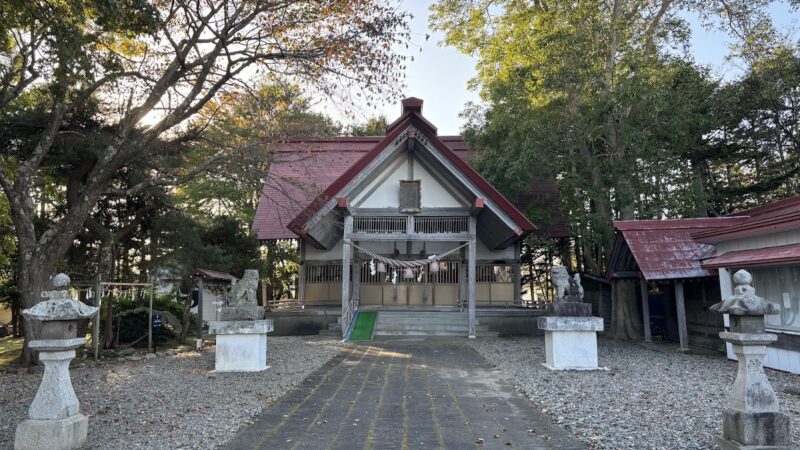
- Shrine Building: Architectural beauty that evokes a sense of history.
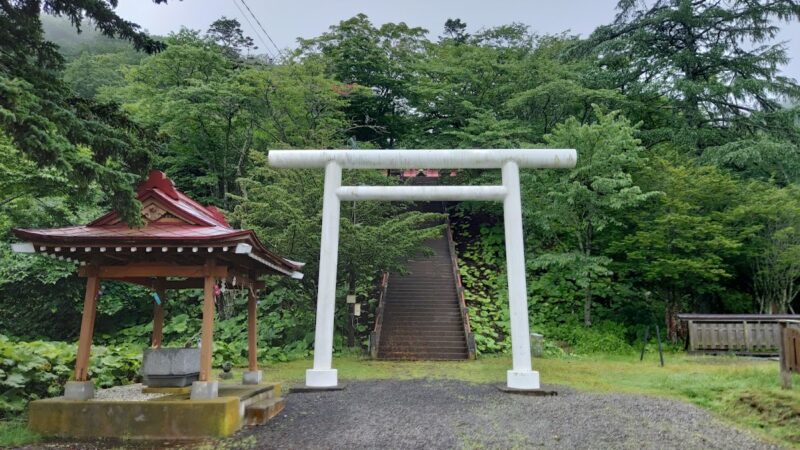
- Torii Gate and Mount Hakodate: Mount Hakodate seen through the torii gate.
- Stone Lantern Remains: A subject that conveys the weight of history.
When taking photos, please remember to be considerate of other worshippers and observe proper etiquette.
Summary
Sumiyoshi Shrine is a historic shrine located in Sumiyoshi-cho, Hakodate City, with a long history said to have been founded during the Kamakura period. It enshrines many deities, including the three Sumiyoshi gods, and is believed to offer various blessings such as maritime safety, longevity, and good fortune in competitions.
The cherry blossom tunnel in spring is known as a hidden scenic spot in Hakodate, and it is also a popular shrine on the Hakodateyama Seven Lucky Gods pilgrimage. Although it is an unmanned shrine, its tranquil atmosphere and historical weight leave a deep impression on visitors.
Goshuin (temple/shrine stamps) are given out at Yamagami Daijingu Shrine, so if you wish to receive a goshuin, we recommend visiting both locations. When sightseeing in Hakodate, be sure to visit Sumiyoshi Shrine and experience its history and natural beauty.
Its convenient location, just a 7-minute walk from Yachigashira tram station, is another attractive feature. Combined with sightseeing at Mount Hakodate and visiting hot springs, it offers a valuable opportunity to experience the region’s history and faith.