Ebisu Shrine (Otaru City, Hokkaido) Complete Guide | History, Blessings, and Access Information
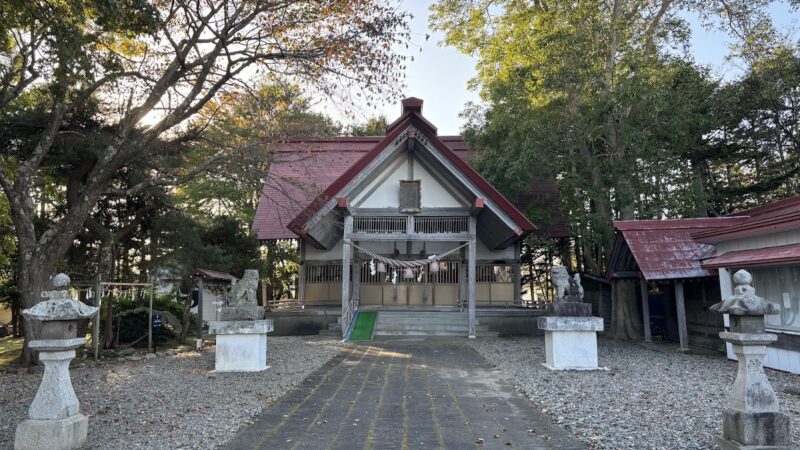
Located in Shukutsu, Otaru City, Hokkaido, Ebisu Shrine is a venerable shrine boasting the oldest building among Otaru City’s designated historical buildings. Having watched over Shukutsu’s fishing industry since the late Edo period, this shrine is a valuable presence that conveys Otaru’s history and culture, attracting attention from both locals and tourists.
This article comprehensively introduces information you should know before visiting Ebisu Shrine, including its history, architectural value, blessings, annual festival, and access methods.
Overview and Basic Information of Ebisu Shrine
Location and Access
Location: 3-161 Shukutsu, Otaru City, Hokkaido
Ebisu Shrine is located on a hill in the Shukutsu district, in the northern part of Otaru City. Shukutsu is known as a fishing town that prospered from herring fishing since ancient times, and it still retains a strong historical landscape of Otaru.
Main Access Methods:
- From JR Otaru Station: Approximately 52 minutes on foot (approx. 4.2 km)
- From JR Minami-Otaru Station: Approximately 1 hour on foot (approx. 4.8 km)
- By Bus: Get off at the Chuo Bus “Shukutsu Fishing Port” bus stop, approximately 2 minutes on foot (approx. 89 m)
- Access by Car: Approximately 15 minutes from Otaru Station
The Shukutsu area has many hills, so access by bus or car is recommended. The shrine is located at the top of a small hill behind the Ibaraki family’s branch office (former Aoyama family villa).
Deity and Blessings
The deity enshrined at Ebisu Shrine is Kotoshironushi-no-kami, a god commonly known as “Ebisu-sama”.
Main Benefits:
- Safety at Sea and Abundant Catch: Founded as a guardian deity of fishing, it enjoys a strong tradition of prayer for safety at sea and bountiful catches.
- Business Prosperity: Ebisu, as one of the Seven Lucky Gods, is also known as a god of business prosperity.
- Family Safety: As a local guardian deity, it protects the peaceful lives of residents.
- Good Fortune and Prosperity: A deity of good fortune.
It is also known for being deeply revered by the three major fishing families of Shukutsu (Ibaraki, Shiratori, and Aoyama), and has walked hand in hand with the development of Otaru’s fishing industry.
History of Ebisu Shrine
Founding History
The history of Ebisu Shrine dates back to the late Edo period. While there are various theories regarding its origins, according to multiple records, the definitive founding year is considered to be Ansei 3 (1856).
History of Founding:
It is said that in 1806 (Bunka 3), when Teijiro Nishikawa, a fishing ground contractor from Omi Province (present-day Shiga Prefecture), established a fishing ground in Shukutsu, he built a shrine as a guardian deity. Initially, it was worshipped by those involved, including the fishing ground keepers, but eventually, the entire village came to worship it as the village’s guardian deity.
It was officially founded in 1856 (Ansei 3), and the shrine building was renovated in 1863 (Bunkyu 3). The main hall built at that time is still housed in a protective structure and is a designated historical building of Otaru City.
Promotion to Village Shrine and Modern Development
In 1875 (Meiji 8), Ebisu Shrine was officially designated as a village shrine. This meant that its status as a local shrine was officially recognized.
Major Events Since the Modern Era:
- 1875 (Meiji 8): Officially designated as a village shrine
- Showa Era: Continued as a center of local faith
- May 12, 1994 (Heisei 6): The main hall was designated as Otaru City Designated Historic Building No. 58
Although the population of Shukutsu decreased with the decline of herring fishing, Ebisu Shrine is still carefully preserved as a symbol of the region.
Relationship with the Three Great Fishing Companies of Shukutsu
Ebisu Shrine has deep ties to the three great fishing companies that flourished in Shukutsu from the Meiji era to the early Showa era.
The Three Great Fishing Houses:
- Ibaraki Family: A powerful fishing house that operated the Ibaraki family’s branch office (still existing).
- Shiratori Family: A family that conducted large-scale fishing in Shukutsu.
- Aoyama Family: A fishing house that built the former Aoyama villa (a nationally designated important cultural property).
These fishing house owners deeply revered Ebisu Shrine and prayed for the safety and prosperity of their fishing operations, making the shrine a spiritual pillar of Shukutsu. Even today, the shrine retains valuable cultural artifacts that tell the story of this era’s prosperity.
Otaru City Designated Historical Building No. 58: Ebisu Shrine Main Hall
Architectural Features and Value
The Ebisu Shrine Main Hall holds a special position as the oldest building among the Otaru City Designated Historical Buildings.
Architectural Data:
- Year of Construction: Bunkyu 3 (1863)
- Structure: Wooden, single-story building
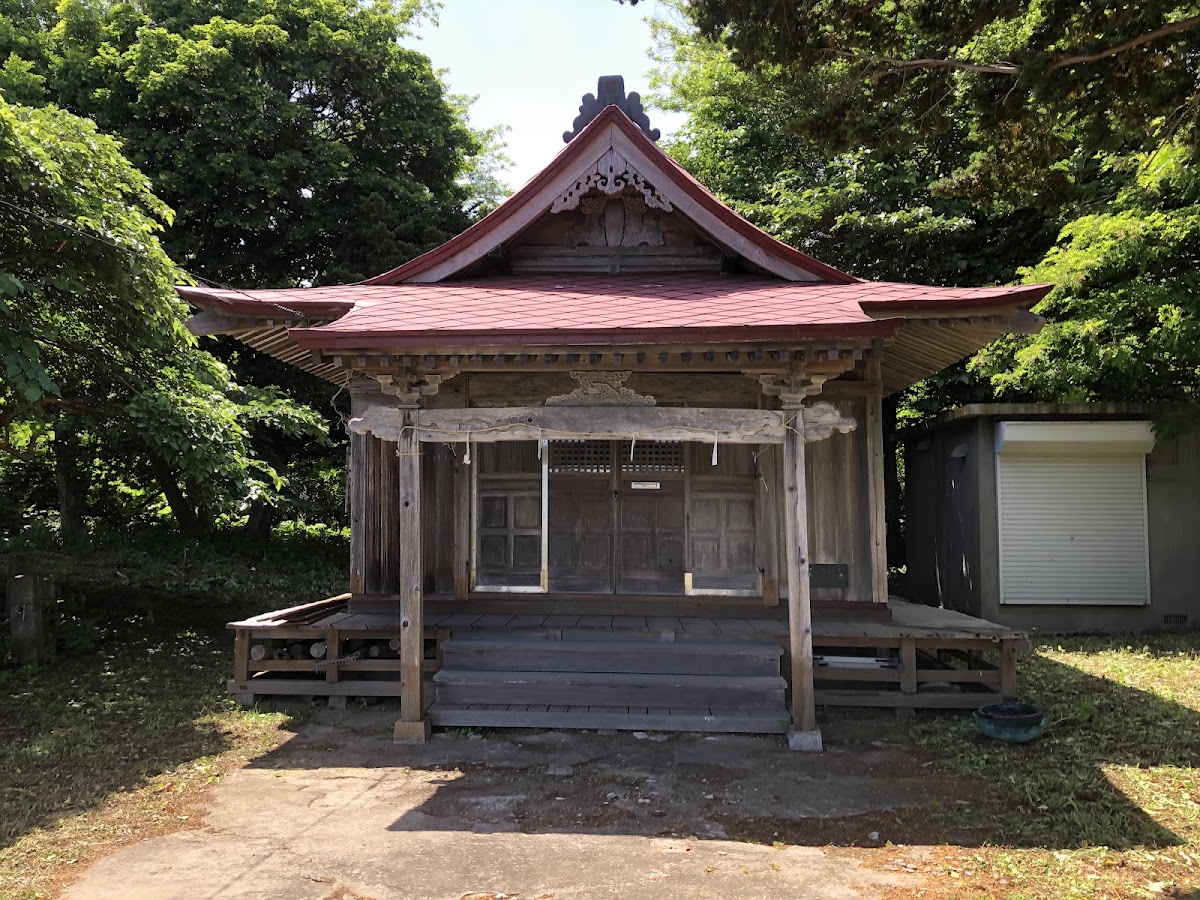
- Main Hall Style: Ikkensha Nagare-zukuri (one-bay nagare style)
- Shrine Style: Irimoya-zukuri (hip-and-gable roof style)
- Original Use: Shrine
- Date of Designation: May 12, 1994 (Heisei 6)
- Designation Number: Otaru City Designated Historical Building No. 58
Ikkensha Nagare-zukuri is one of the representative architectural styles for shrine main halls. It features a single bay (approximately 1.8m) between the pillars at the front, and a roof that slopes towards the front. It is an elegant and dignified style that has been adopted by many shrines since ancient times.
Preservation by a Protective Structure
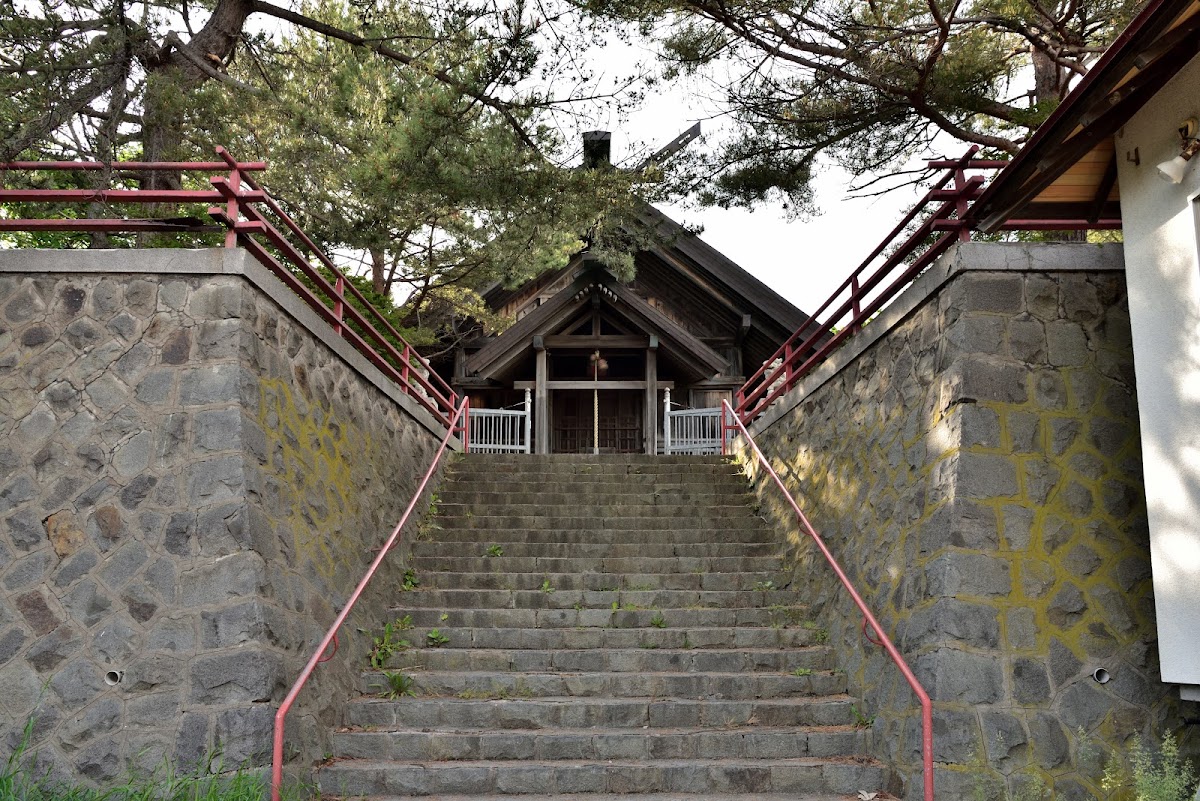
To protect the precious main shrine, built in 1863 (Bunkyu 3), from wind and rain, it is currently housed in a building called a protective structure (Oido). This protective structure allows the late Edo period building to remain in excellent condition for over 160 years.
While the presence of the protective structure makes it difficult for visitors to directly view the main shrine, this preservation method is a crucial measure for passing on this valuable cultural asset to future generations.
Significance as a Historical Building
Otaru City boasts many historical buildings, but the Ebisu Shrine main shrine is the oldest among them. Amidst Otaru’s historical buildings, many of which are Western-style structures from the Meiji era onward, it stands as a valuable example of late Edo period Japanese architecture.
This building serves as important evidence that Otaru’s history is not solely defined by modernization after the Meiji era, but also by its continuity with the Edo period.
Highlights of the Shrine Grounds
Otaru City Designated Protected Trees
Within the grounds of Ebisu Shrine, there are two trees designated as protected trees by Otaru City.
1. Yamakuwa (Mountain Mulberry)
- A deciduous tree of the Moraceae family
- A tree that has been used for sericulture since ancient times
- A historic giant tree that has grown on the shrine grounds for many years
2. Ichii (Japanese Yew)
- An evergreen conifer of the Taxaceae family
- Also called “Onko” in Hokkaido
- Planted as a shrine grounds tree since ancient times
These protected trees are living cultural assets that have grown alongside the history of the shrine, adding a solemn atmosphere to the grounds. The trees are protected by Otaru City, allowing visitors to feel the harmony of nature and history.
Ship Ema (Japanese Heritage Cultural Property)
Ebisu Shrine has two precious ema called ship ema dedicated to it. These are extremely valuable items, recognized as part of a Japanese Heritage cultural property.
The ship votive tablets were dedicated by fishermen praying for safety at sea and a bountiful catch. They are also valuable as folk artifacts, offering insights into the appearance of ships and fishing practices of the time. They are precious cultural assets that convey the prosperity of Shukutsu during its herring fishing era.
A Spectacular View of Shukutsu Fishing Port
Because Ebisu Shrine is located on a small hill, you can enjoy a spectacular view of Shukutsu Fishing Port from its grounds.
The magnificent scenery, stretching out below Shukutsu Fishing Port, beyond it Ishikari Bay, and on clear days, even reaching the horizon, captivates visitors. Fittingly for a shrine founded as the guardian deity of fishing, it sits in a position that seems to watch over the sea.
The view at sunset is particularly exceptional; the sight of the setting sun over the Sea of Japan interwoven with the fishing port scenery is known as a hidden scenic spot in Otaru.
Ebisu Shrine Annual Festival
Overview of the Annual Festival
Ebisu Shrine holds its Annual Festival in late June every year.
Dates for Reiwa 8 (2026):
- June 26th (Fri) – June 28th (Sun)
Dates for Reiwa 6 (2024):
- June 21st (Fri) – June 23rd (Sun)
The Annual Festival is the most important annual event for the shrine and the most important festival of the year for the people of the Shukutsu district.
Highlights of the Annual Festival
Mikoshi Procession
The highlight of the Annual Festival is the procession of the portable shrine. The portable shrine, carrying the sacred object, parades through the parish area, praying for the safety and prosperity of the community. The sight of the portable shrine being carried through the narrow, winding streets of Shukutsu is a precious scene that conveys the region’s traditions to the present day.
Shinto Rituals and Festivals
A solemn Shinto ritual is held at the main shrine, where prayers are offered for maritime safety, a bountiful catch, and the peace and prosperity of the community. Fishermen and local residents gather, making it an important opportunity to pass on the history and traditions of the shrine to future generations.
Contact Information
For inquiries regarding the Ebisu Shrine’s annual festival and visits, please contact Otaru Inari Shrine.
Contact Information: 0134-22-2591 (Otaru Inari Shrine)
Nearby Tourist Attractions
When visiting Ebisu Shrine, we recommend also visiting other tourist attractions in the Shukutsu area.
Ibaraki-ke Chubu-banya
Located very close to Ebisu Shrine, the Ibaraki-ke Chubu-banya is a restored facility that was formerly a fishing net owner’s hut. It is a valuable museum where you can learn about the fishing industry during the heyday of herring fishing.
Otaru Aquarium
Otaru Aquarium, a representative tourist attraction in the Shukutsu area, is within walking distance of Ebisu Shrine. It primarily exhibits marine life from Hokkaido and is a popular spot for families.
Former Aoyama Residence (Nationally Designated Important Cultural Property)
This luxurious residence, built by the Aoyama family, one of the three major fishing families in Shukutsu, is designated as a Nationally Designated Important Cultural Property. It is a valuable building that conveys the splendor of fishing families during the Meiji and Taisho periods.
Shukutsu Panorama Observatory
Located on a hill in the Shukutsu area, this observatory offers a spectacular view of Ishikari Bay. It is relatively close to Ebisu Shrine and can be incorporated into a walking course.
Detailed Access to Ebisu Shrine
Access by Public Transportation
Bus is the most convenient
Take the Chuo Bus “Otaru Aquarium Line” from Otaru Station or Minami-Otaru Station and get off at the “Shukutsu Fishing Port” bus stop. The shrine is approximately a 2-minute walk from the bus stop.
Operation Information:
- Operating Period: Year-round (however, service may be reduced during winter)
- Travel Time: Approximately 25 minutes from Otaru Station
- Fare: Approximately 240 yen one way (as of 2024)
Bus timetables change seasonally, so it is recommended to check the Chuo Bus official website in advance.
Access by Car
From Otaru Station:
- Take National Route 5 towards Sapporo
- Follow the signs for “Shukutsu” onto Prefectural Road 454
- Enter the Shukutsu area and follow the signs
- Travel Time: Approximately 15 minutes
Parking Information:
Since parking at the shrine is limited, it is recommended to use the Otaru Aquarium parking lot (paid) or nearby public parking lots.
Access on Foot (For those with good stamina)
While it’s possible to access the shrine on foot from Otaru Station or Minami-Otaru Station, the distance is over 4km and involves many hills, so it’s only recommended if you have ample time and stamina.
Walking Course from the Otaru Canal Area:
This popular walking route, starting from the center of Otaru including the Otaru Canal and Sakaimachi Street, and continuing along the coast to Shukutsu, allows you to enjoy Otaru’s history and nature. It takes about 1.5 to 2 hours one way, and there are points of interest along the way, such as the Temiya Cave Preservation Museum.
Manners and Precautions for Visiting the Shrine
Etiquette for Visiting the Shrine
Worship at Ebisu Shrine follows the same etiquette as at any other shrine.
Basic Worship Etiquette:
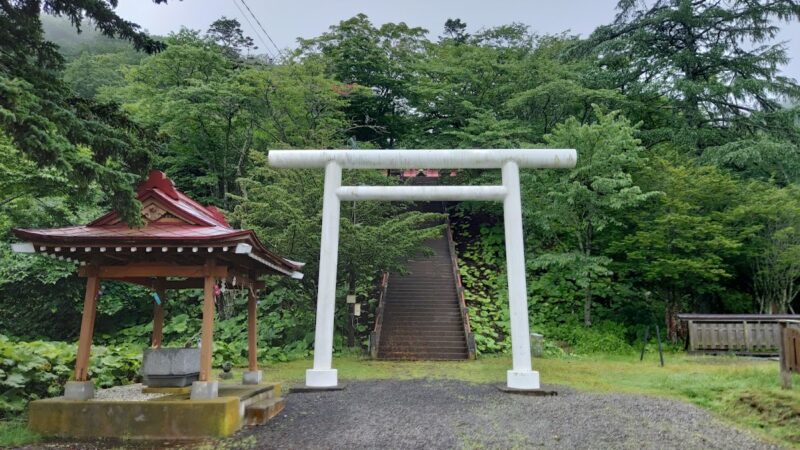
- Bow before passing through the torii gate.
- Walk on the path, avoiding the center.
- Purify your hands and mouth at the water basin (if available).
- Place your offering in front of the main shrine.
- Bow twice, clap twice, bow once (bowing deeply twice, clapping twice, bowing deeply once).
- After leaving the torii gate, turn around and bow once.
Notes for Visitors
Slopes and Stairs
The shrine is located on a small hill, so you will need to climb slopes and stairs to reach the grounds. We recommend wearing comfortable shoes. Particular caution is needed during rainy weather and winter, as the ground can be slippery.
Winter Visits
Hokkaido winters bring snowfall, and the Shukutsu area is no exception. When visiting in winter, please wear shoes with non-slip soles and take adequate precautions against the cold.
Regarding Photography
Photography is generally permitted within the shrine grounds, but there are areas where photography is restricted, such as inside the main hall. If unsure, please check before taking photos.
The Charm of Ebisu Shrine: Summary
Ebisu Shrine is a historical shrine located at 3-161 Shukutsu, Otaru City, founded in 1856 (Ansei 3) during the late Edo period. The main hall, built in 1863 (Bunkyu 3), is protected as Otaru City’s designated historical building No. 58 and is a valuable cultural asset as the oldest building among Otaru City’s historical buildings.
Main Attractions of Ebisu Shrine:
- Historical Value: The oldest shrine architecture in Otaru, dating back to the late Edo period.
- Cultural Assets: Numerous cultural assets including the main hall, ship votive paintings (part of the Japan Heritage cultural property), and preserved trees.
- Architectural Beauty: Elegant main hall style in the Ikkensha Nagare-zukuri style.
- Spectacular View: Views overlooking Shukutsu Fishing Port and Ishikari Bay.
- Connection to History: Deep ties with the three major fishing companies of Shukutsu, and the history of herring fishing.
- Annual Festival: A traditional festival held every year in late June.
- Benefits: Maritime safety, prayers for a bountiful catch, business prosperity, and family safety.
While the canal and Sakaimachi Street are famous Otaru tourist attractions, venturing a little further to the Shukutsu area and visiting Ebisu Shrine allows you to experience another side of Otaru’s history—the remnants of its prosperous fishing era.
The time spent gazing at the sea view stretching out below, while feeling the history in the tranquil shrine grounds, will surely become an unforgettable memory of your Otaru sightseeing. When you visit Otaru, be sure to stop by Ebisu Shrine.
Frequently Asked Questions (FAQ)
Q1: Can I get a Goshuin (shrine stamp) at Ebisu Shrine?
A1: For information on receiving a Goshuin at Ebisu Shrine, please contact Otaru Inari Shrine (Tel: 0134-22-2591), which is in charge of management. Because it is a small shrine, there may not always be a resident priest.
Q2: Is there parking at Ebisu Shrine?
A2: Since there is limited parking for the shrine, we recommend using the parking lot at the nearby Otaru Aquarium (paid parking) or the public parking lot in the Shukutsu area. Access by bus is convenient.
Q3: When is the annual festival at Ebisu Shrine held?
A3: The annual festival is held every year in late June. The dates for the 2026 (Reiwa 8) festival are scheduled for June 26th (Fri) to 28th (Sun). For details, please contact Otaru Inari Shrine (0134-22-2591).
Q4: Can I visit the shrine in winter?
A4: Yes, you can visit the shrine in winter. However, the ground can be slippery due to snow and ice, so please wear shoes with non-slip soles and take sufficient precautions against the cold.
Q5: Are there any recommended spots to visit along with Ebisu Shrine?
A5: In the Shukutsu area, there are the Ibaraki Family Branch Office, Otaru Aquarium, and the Former Aoyama Residence (a nationally designated important cultural property). A Shukutsu walking course visiting these sites is recommended. You can enjoy a leisurely tour over half a day to a full day.
Q6: How long does it take to walk from Otaru Station to Ebisu Shrine?
A6: It takes approximately 52 minutes (about 4.2 km) on foot from Otaru Station. Because there are many hills, we recommend taking the bus (approximately 25 minutes). Take the Chuo Bus “Otaru Aquarium Line” and get off at the “Shukutsu Fishing Port” bus stop, then it’s about a 2-minute walk.
Q7: Can I visit the main hall of Ebisu Shrine?
A7: The main hall is housed in a protective building, so it may be difficult to view it directly. However, you can see from the outside that it is being carefully preserved as a historical building designated by Otaru City.
Q8: What are the blessings of Ebisu Shrine?
A8: The main blessings are safety at sea, a bountiful catch, business prosperity, family safety, and good fortune. Because it was founded as a guardian deity of fishing, it is a shrine with particularly strong faith in safety at sea and prayers for a bountiful catch.