Complete Guide to Oshoro Shrine | A Thorough Explanation of Otaru’s Oldest History, Deities, and Highlights of the Annual Festival
Oshoro Shrine is a historic shrine located in Oshoro, Otaru City, Hokkaido. It is said to have been established in 1674 by Nishikawa Den’emon, the contractor of the Oshoro area, and the shrine building was constructed in 1689, making it the oldest shrine in Otaru. This article comprehensively explains everything you need to know before visiting, from the detailed history of Oshoro Shrine, its enshrined deities, highlights of the grounds, the annual festival, and access methods.
History of Oshoro Shrine | Changes from Ezo Okuninushi Shrine to Name Change
Founding and Early History in the Edo Period
The origins of Oshoro Shrine date back to the Edo period. In 1674 (Enpō 2), Nishikawa Den’emon, the contractor for the Oshoro fishing area, is said to have enshrined a deity to pray for the protection of fishing and the peace of the region. Initially called Benten-sha, it was revered by the local people as the guardian deity of the sea.
In 1689 (Genroku 2), the shrine building was officially constructed, establishing its position as a center of faith in the Oshoro region. During this period, Hokkaido was still known as Ezochi, and Shinto culture was being brought in from Honshu along with the expansion of the Japanese. Oshoro Shrine is a valuable historical heritage site that tells the story of this early stage of Hokkaido’s development.
Development in the Meiji Era and Renaming from Ezo Ōkuninushi Shrine
With the arrival of the Meiji era, Oshoro Shrine underwent a major transformation. In 1875 (Meiji 8), it was ranked as a local shrine, increasing its status within the region. A “Gōsha” refers to a shrine with a certain status under the modern shrine ranking system, signifying recognition as a shrine that plays an important role in the local community.
A particularly noteworthy event occurred in 1884 (Meiji 17). In that year, the shrine’s name, previously known as “Ezo Ōkuninushi Shrine,” was changed to “Ōshōro Shrine.” Simultaneously, Ichikishima-hime no Mikoto was enshrined alongside the other deities, completing the composition of the enshrined deities. This name change symbolized the process of Hokkaido’s full integration into Japan.
History of Fire and Reconstruction
In 1890 (Meiji 23), Ōshōro Shrine suffered a major ordeal when its main hall was destroyed by fire. However, thanks to the fervent faith of the local residents, a new shrine building was completed in 1896 (Meiji 29).
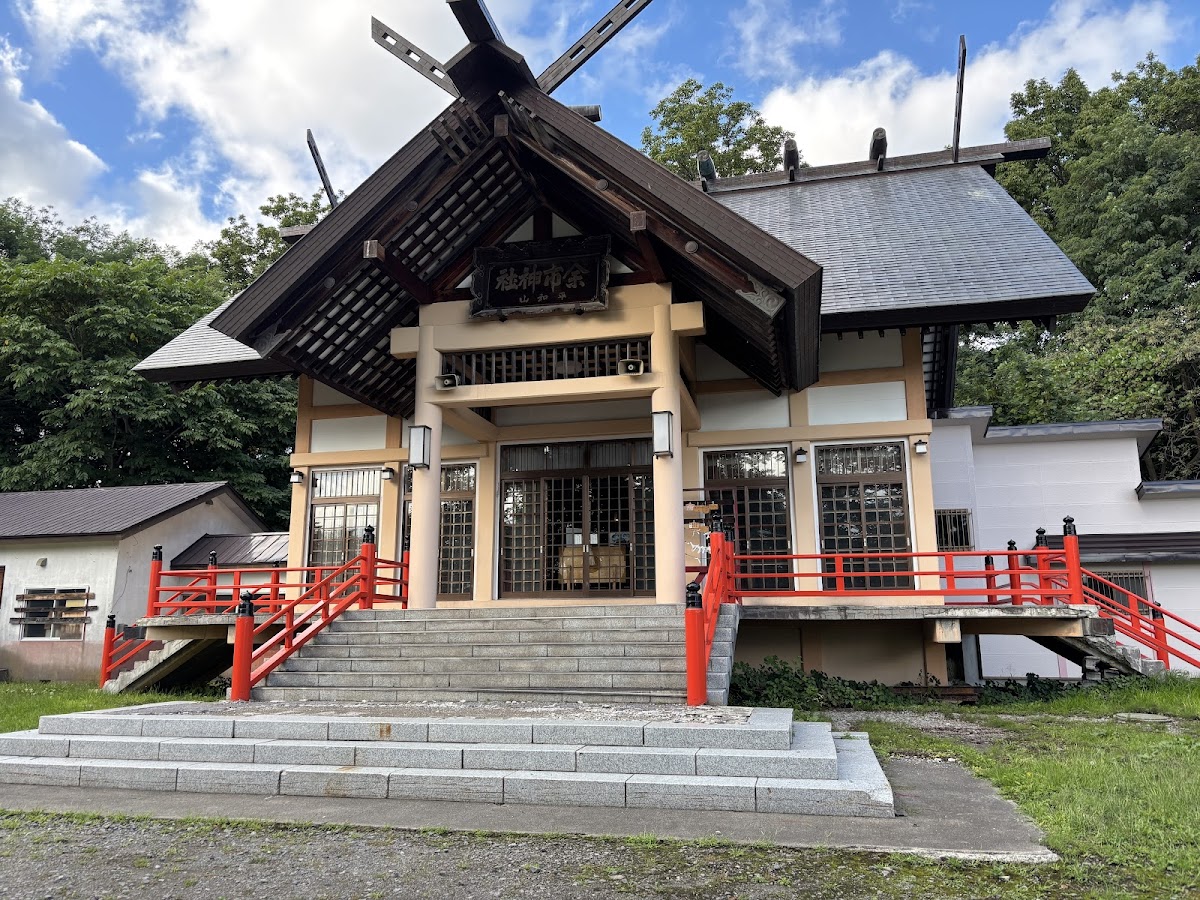
Furthermore, on November 10, 1920 (Taisho 9), a major undertaking was carried out: the main hall was relocated to its current location. This relocation involved moving the building without dismantling it, a highly advanced technique for the time. Simultaneously, the main hall was rebuilt, establishing the basic form of the Oshoro Shrine we see today.
Developments Since the Showa Era
Entering the Showa era, the shrine steadily continued its development as a regional center of faith, including its relationship with the Oshoro Village Inari Shrine, which had been merged with it in 1912 (Taisho 1). Currently, it belongs to the Hokkaido Shrine Association and, as one of the important shrines in Otaru City, welcomes many worshippers as well as local residents.
Deities Enshrined | The Four Gods of Oshoro Shrine
Oshoro Shrine enshrines four deities. Let’s take a closer look at each of them.
Ichikishima-hime no Mikoto
Ichikishima-hime no Mikoto is a goddess known as one of the three Munakata goddesses. She is believed to bestow divine blessings for maritime safety, prosperity in fishing, and improvement in performing arts. Because Oshoro is a fishing town facing the sea, the deity was enshrined here in 1884 as a guardian deity of the sea. Also affectionately known as Benten-sama, he is worshipped as a god of beauty and wealth.
Okuninushi-no-Mikoto
Okuninushi-no-Mikoto is a god of nation-building, also known as the principal deity of Izumo Taisha Shrine. He is believed to possess a wide range of divine virtues, including matchmaking, business prosperity, and healing from illness. As his name remains in the former name of Oshoro Shrine, Ezo Okuninushi Shrine, he is one of the central deities enshrined at Oshoro Shrine. It is thought that his divine power was also expected in the new nation-building of Hokkaido’s development.
Kotoshironushi-no-Kami
Kotoshironushi-no-Kami is a child deity of Okuninushi-no-Mikoto and is also known as Ebisu-sama. He is believed to possess divine virtues of business prosperity, protection of fisheries, and safety at sea. Because Oshoro was a place that prospered from fishing and trade, the deity enshrined here is a protector of the local industries.
Ukanomitama-no-Mikoto
Ukanomitama-no-Mikoto is widely worshipped as Inari, the god of abundant harvests and business prosperity. It is believed that this deity was added to the enshrined deities of Oshoro Shrine through the merger with the Oshoro Village Inari Shrine. It has attracted the faith of people praying for the development of agriculture and commerce.
These four enshrined deities represent a comprehensive protection of the diverse lifestyles and industries of the Oshoro region, encompassing the sea and land, fishing and agriculture, trade and industry.
Highlights of the Shrine Grounds | Tsukotan Inari Shrine and Preserved Trees
Tsukotan Inari Shrine | Otaru’s Oldest Building
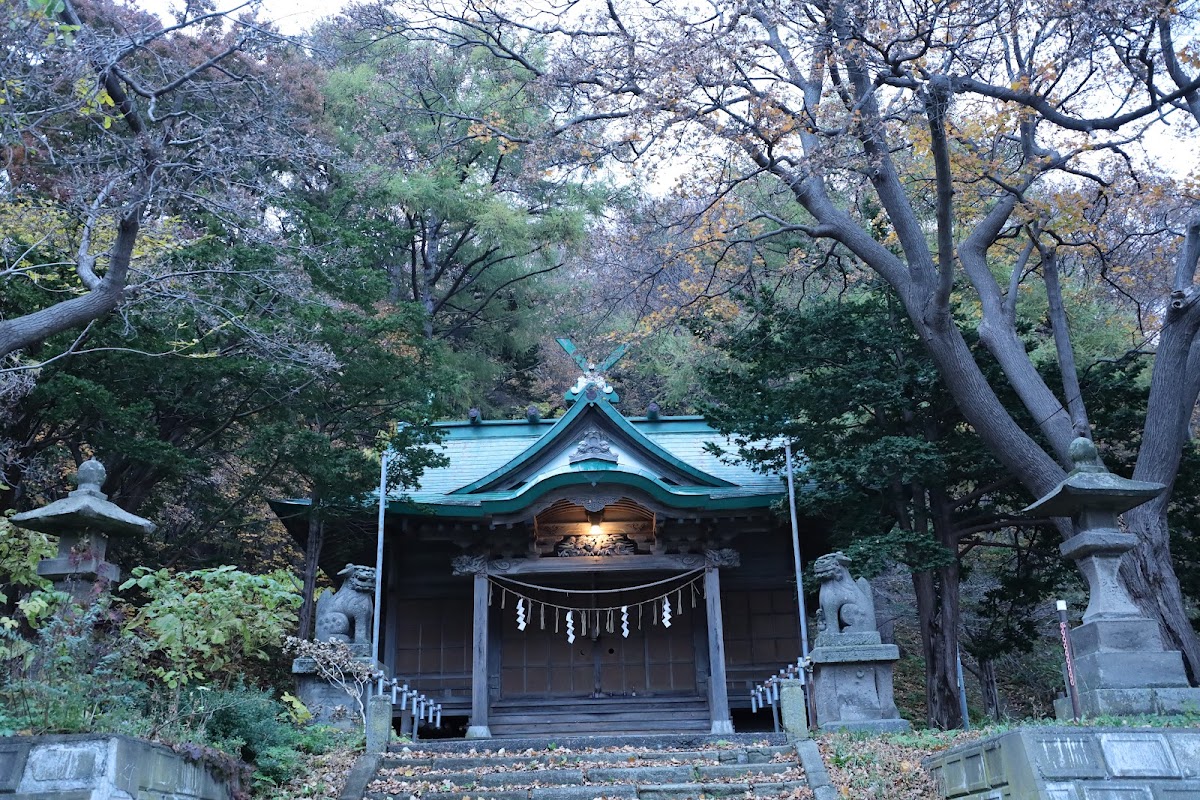
Within the grounds of Oshoro Shrine is a subsidiary shrine called Tsukotan Inari Shrine. This shrine is said to be the oldest building in Otaru City, and along with Oshoro Shrine, it is a valuable cultural asset that holds the title of “Otaru’s oldest.”
The name “Tsukotan” originates from the Ainu language. “Kotan” in “Tsu-kotan” means “settlement” in Ainu, so Tsukotan is believed to mean “abandoned settlement.” This place name is important evidence that an Ainu settlement once existed in this area.
The main hall of Tsukotan Inari Shrine is of high historical value and is an indispensable building for understanding Otaru’s history. It is a spot that you should definitely visit when you come to worship.
Otaru City Designated Protected Trees
Within the grounds of Oshoro Shrine stand magnificent trees designated as protected trees by Otaru City. These trees, which have grown over many years, can be said to be living witnesses that have walked hand in hand with the history of the shrine.
Combined with the tranquil atmosphere of the shrine grounds, these trees bring a sense of peace and solemnity to visitors. The nature within the shrine grounds, which displays different expressions in each of the four seasons, offers a fresh and moving experience no matter how many times you visit.
Atmosphere of the Shrine and Grounds
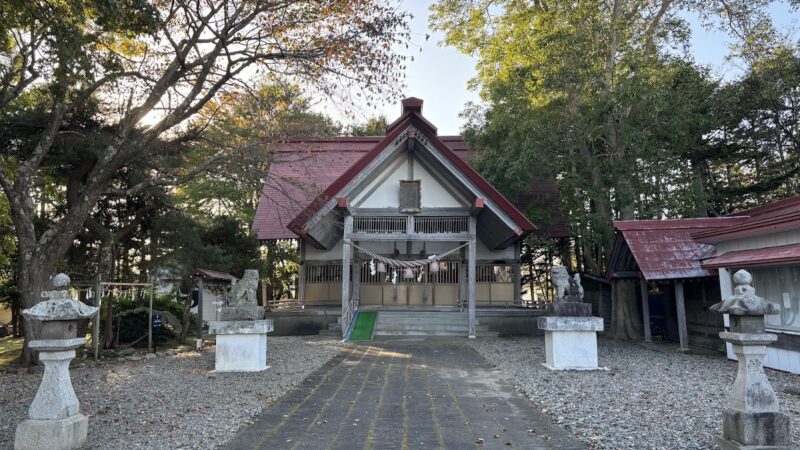
The main hall and worship hall, relocated and rebuilt in 1920 (Taisho 9), preserve the traditional style of shrine architecture. Located on a hill overlooking Oshoro Bay, the grounds offer beautiful ocean views, allowing you to feel the history of Oshoro, which once prospered from fishing.
The grounds are enveloped in a quiet and peaceful atmosphere, making it the perfect place to escape the hustle and bustle of the city and find peace of mind. A warm atmosphere permeates the shrine, reflecting its long-standing popularity among the local community.
Oshoro Shrine Annual Festival | A Traditional Event on Oshoro Bay
The Oshoro Shrine Annual Festival is held every year as an important local event. The highlight of this festival is the “Sea Procession,” where the portable shrine crosses Oshoro Bay.
Flow and Highlights of the Grand Festival
On the day of the Grand Festival, the portable shrine (mikoshi) departs from Oshoro Shrine and heads towards Oshoro Bay accompanied by lively festival music. Amidst the shouts of the bearers and the sound of drums, the mikoshi arrives at the beach.
Then comes the highlight. The mikoshi is placed on a traditional, handmade wooden boat and slowly circles the bay. The sight of the mikoshi moving across the sea is incredibly majestic, a unique festival form characteristic of Oshoro, a town that prospered as a fishing town.
This procession across the sea is imbued with prayers for safety at sea and a bountiful catch, and is a valuable traditional event that conveys Oshoro’s fishing culture, which has continued since the Edo period.
Strengthening Community Bonds
The Grand Festival is more than just a religious event; it also functions as a place to reaffirm community bonds and foster intergenerational exchange. From preparation to the day’s operation and cleanup, many local residents cooperate to support the festival.
The annual festival plays an important role in passing on traditions to younger generations and is a driving force in preserving Oshoro’s cultural identity.
The Origin of the Place Name Oshoro and Ainu Culture
The place name “Oshoro” is believed to originate from the Ainu word “Oshoro-kot.” This means “a hollow like a buttock,” describing a geographical feature. Indeed, Oshoro Bay is an inlet surrounded by mountains on three sides, and its shape is indeed like a “hollow.”
Like many place names in Hokkaido, this place name was adopted by the Japanese after the Ainu people observed the characteristics of the land over many years and accurately expressed them. The fact that “Tsukotan,” the name of the Tsukotan Inari Shrine, a subsidiary shrine of Oshoro Shrine, also derives from the Ainu language indicates that this region was a place where Ainu and Japanese cultures intersected.
When visiting Oshoro Shrine, reflecting on these traces of Ainu culture will allow you to gain a deeper understanding of history and cultural awareness.
Access and Visiting Information
Location
Address: 1-chome, Oshoro, Otaru City, Hokkaido
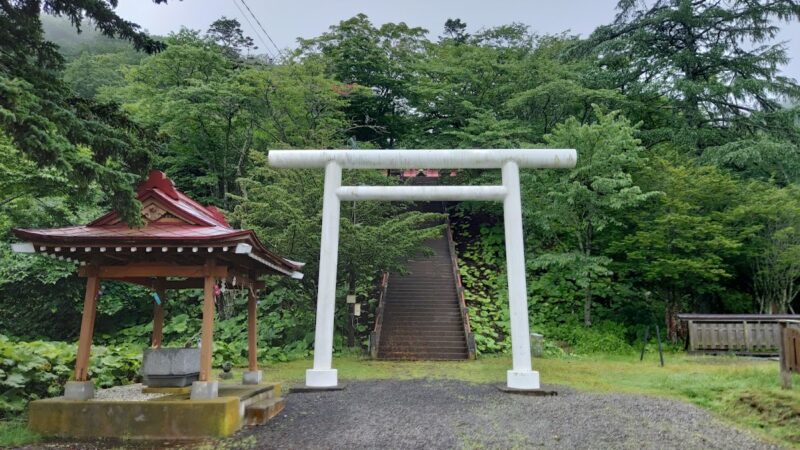
Oshoro Shrine is located in the Oshoro district in the western part of Otaru City. It sits on a hill overlooking Oshoro Bay, offering a beautiful view of the sea.
Transportation Access
Access by Train:
Approximately 20 minutes on foot (approx. 1,539m) from JR Hakodate Main Line “Ranshima Station”. Ranshima Station is a few stations from Otaru Station towards Hakodate. The route from the station to the shrine is a gentle uphill slope.
Access by Car:
From central Otaru City, take National Route 5 towards Sapporo, then turn towards the sea in the Oshoro district. It is approximately 1 hour from Sapporo. There is parking space for visitors on the shrine grounds, but congestion is expected during events such as the annual festival, so please consider using public transportation.
Visiting Hours and Precautions
Oshoro Shrine is generally open to visitors. However, the shrine office’s operating hours may be limited, so it is recommended to check in advance if you wish to receive a Goshuin (shrine stamp).
The shrine grounds are a sacred place that has been carefully preserved by the local community. When visiting, please do so quietly and respectfully, and be sure to take your trash with you.
Nearby Attractions
Besides the shrine, the Oshoro area has other attractions. The beautiful coastline of Oshoro Bay is perfect for a stroll, and the view at sunset is particularly spectacular. Also nearby is the Oshoro Stone Circle, a Jomon period archaeological site, which is recommended for history buffs.
Oshoro Shrine and the History of Otaru
Oshoro Shrine is an indispensable part of Otaru’s history. Even before Otaru developed into one of Hokkaido’s leading port cities, Oshoro played a vital role as a center for fishing and trade.
Under the Edo period’s contract system, the Oshoro trading post was managed by the Nishikawa family and prospered through herring fishing. The founding of Oshoro Shrine is closely related to this fishing prosperity. Fishermen prayed at the shrine for safety at sea and abundant catches, making it a place of worship.
Even as the center of Otaru rapidly developed after the Meiji era, Oshoro continued to preserve its unique history and culture. Oshoro Shrine remains a symbol of this, supporting the region’s identity.
Even today, Oshoro Shrine is an important cultural asset for understanding Otaru’s history and a valuable place to learn about Hokkaido’s pioneering history, fishing history, and religious history.
Benefits and Faith of Worship
The blessings bestowed by the deities enshrined at Oshoro Shrine are diverse.
Maritime Safety and Fishing Prosperity: The protection of the sea by Ichikishimahime-no-Mikoto and Kotoshironushi-no-Kami is especially revered by those involved in fishing and shipping.
Business Prosperity: Many worshippers visit to pray for business prosperity, thanks to the divine virtues of Kotoshironushi-no-Kami (Ebisu) and Ukanomitama-no-Mikoto (Inari).
Matchmaking and Family Safety: Many people pray for matchmaking and family safety, known for the divine virtues of Okuninushi-no-Mikoto.
Abundant Harvest: The protection of agriculture by Ukanomitama-no-Mikoto is also revered by local farmers.
Good Fortune and Prosperity: The combined divine virtues of the four deities allow worshippers to pray for all kinds of good fortune and prosperity.
Not only local residents, but also tourists visiting Otaru and those interested in Hokkaido’s history visit the shrine, continuing to gather quiet yet firm faith.
Summary | The History and Culture Told by Otaru’s Oldest Shrine
Oshoro Shrine boasts a long history, dating back to its founding in 1674 (Enpo 2) and the construction of its main hall in 1689 (Genroku 2), making it arguably the oldest shrine in Otaru. Its history is multifaceted, encompassing a name change from Ezo Okuninushi Shrine, fire and reconstruction, and the existence of the Tsukotan Inari Shrine, Otaru’s oldest building, located within its grounds.
The four enshrined deities—Ichikishimahime-no-Mikoto, Okuninushi-no-Mikoto, Kotoshironushi-no-Kami, and Ukanomitama-no-Mikoto—comprehensively protect the sea and land, fishing and agriculture, trade and industry, bringing diverse blessings to the local people.
The annual festival’s sea procession, held in Oshoro Bay, is a valuable event that preserves the traditions of the fishing town and symbolizes the unity of the local community.
The place names “Oshoro” and “Tsukotan,” derived from the Ainu language, indicate that this area was a place where Japanese and Ainu cultures intersected, illustrating Hokkaido’s complex and rich cultural background.
Nestled in a quiet location somewhat removed from the center of Otaru, Oshoro Shrine is a valuable historical and cultural heritage site where one can learn about Hokkaido’s history, the origins of Otaru, and how Japanese Shinto culture took root in the northern land. It is a shrine that you should definitely visit when you come to Otaru.