Inari Shrine (Horomui-cho, Shakotan-gun, Hokkaido) Complete Guide | History, Access, and Surrounding Area Information
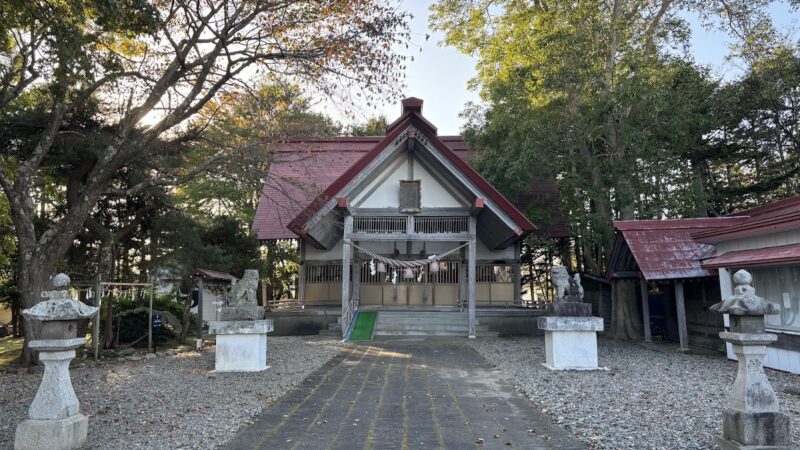
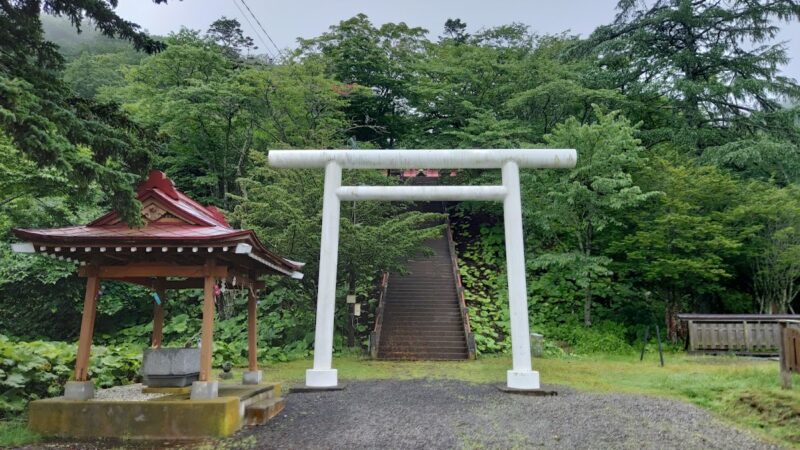
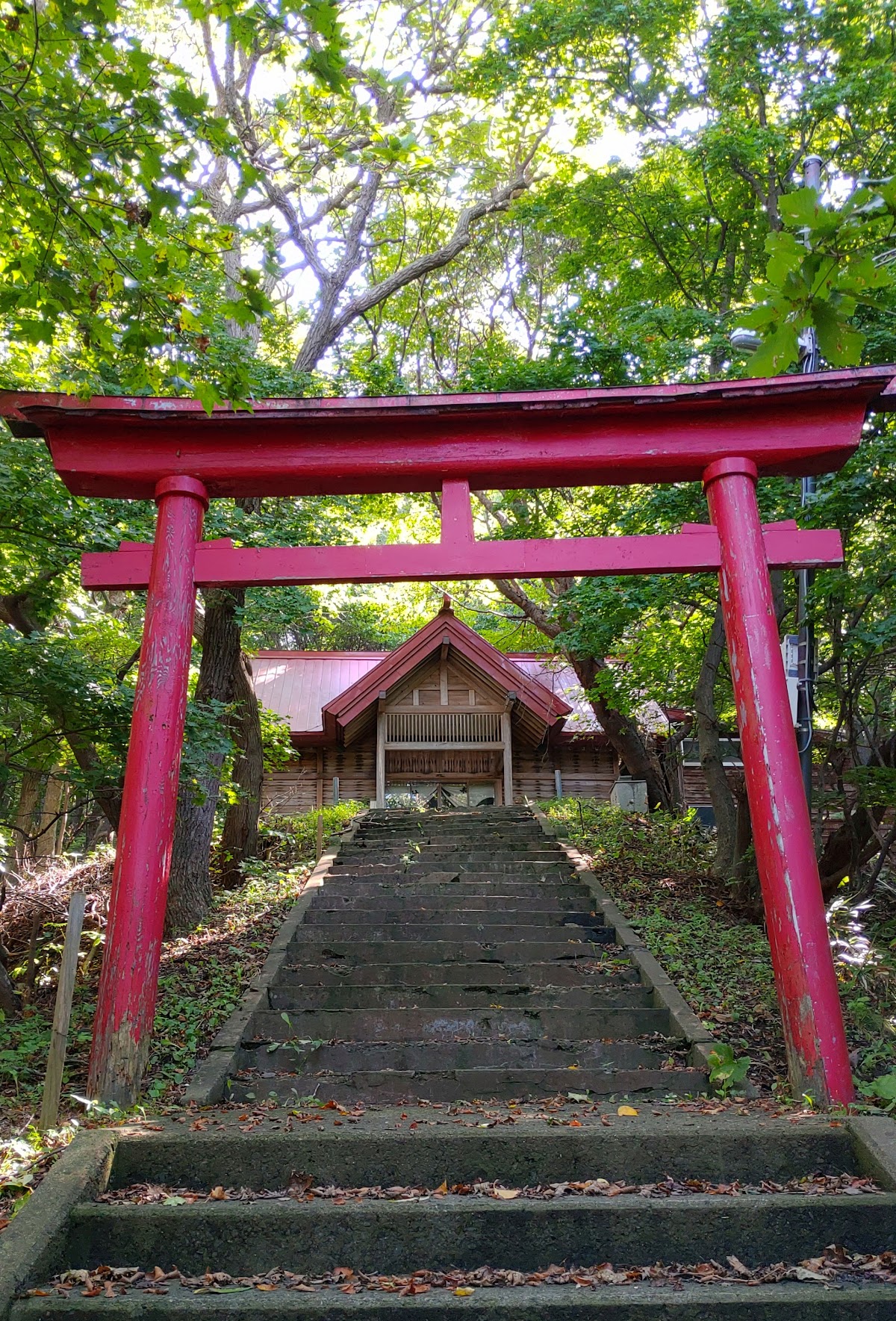
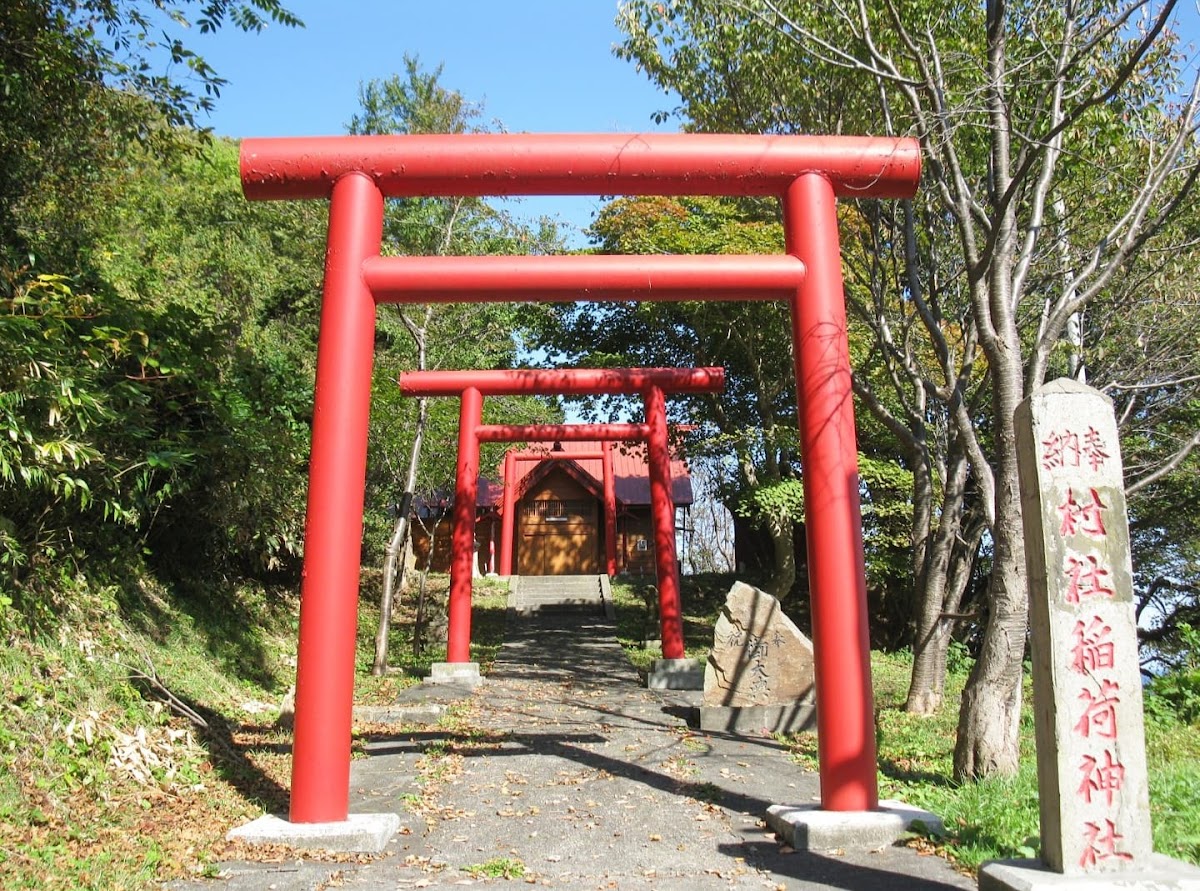
Shakotan-cho is located on the beautiful coastline of the Shakotan Peninsula, facing the Sea of Japan in Hokkaido. Within Shakotan-cho, Horomui-cho is known for its breathtaking scenery, a blend of crystal-clear waters and towering cliffs. Quietly nestled in this Horomui-cho is the Inari Shrine. This article provides detailed information about the shrine, from its basic information and history to access methods and surrounding attractions.
Basic Information on Inari Shrine (Horomui-cho)
Location and Contact Information
Address: 137 Horomui-cho, Shakotan-cho, Shakotan-gun, Hokkaido 046-0328
Corporate Number: 6430005008147 (Date of Corporate Number Assignment: October 5, 2015)
The Inari Shrine is a formally registered religious corporation of the Hokkaido Shrine Association and functions as a center of local faith. The corporate number is an official number that can be confirmed on the National Tax Agency’s corporate number publication website.
Deities and Divine Virtues
The main deity enshrined at Inari Shrine is Ukanomitama-no-Mikoto. This deity is widely worshipped as Inari-sama and is believed to possess the following divine virtues:
- Abundant Harvest: Prayers for bountiful harvests in agriculture and fishing
- Business Prosperity: Success and prosperity in business
- Family Safety: Health and safety of family members
- Maritime Safety: A belief unique to Shakotan Town, where fishing is thriving
Shakotan Town has historically prospered from herring and kelp fishing, and this shrine is deeply revered by those involved in the fishing industry.
Historical Background of Horomui Town and Inari Shrine
Regional Characteristics of Horomui Town
The place name Horomui is believed to originate from the Ainu word “Poro-moi” (large inlet). Located on the western side of the Shakotan Peninsula, it is a small settlement surrounded by cliffs.
Horomui Town was once one of the regions that prospered from herring fishing. From the Meiji to Taisho periods, herring fishing reached its peak along the Hokkaido coast, attracting many fishermen. During this time, Inari shrines were built in various locations to pray for safety in fishing and a bountiful catch.
Shrine Culture of Shakotan Town
In addition to Horomui Inari Shrine, there are several other Inari shrines in Shakotan Town.
- Kobama Inari Shrine
- Chatsunai Inari Shrine
- Irika Inari Shrine
- Nozuka Inari Shrine
- Yoichi Inari Shrine
- Kamisaki Inari Shrine
These shrines have played a central role in the local community as places of worship rooted in each settlement. Furthermore, Shakotan Town is home to several larger shrines, including the Kamui Shrine (the general guardian shrine of Shakotan County), Bikuni Shrine, and Shakotan Shrine.
Inari Faith and the Development of Hokkaido
Inari faith in Hokkaido was brought by immigrants from Honshu. Many shrines, in particular, received a divided spirit from Fushimi Inari Taisha in Kyoto, with Sapporo’s Fushimi Inari Shrine (established in 1884) being a prime example.
The Inari Shrine in Horomui is also thought to have been built amidst this spread of faith during the Hokkaido development period. For people engaged in the dangerous livelihood of fishing, shrines served as spiritual support and a place to strengthen community bonds.
How to Access the Inari Shrine
Access by Car
Horomui Town is located on the western side of the Shakotan Peninsula, and public transportation is limited, making access by car the most convenient option.
From Sapporo:
- Approximately 2 hours 30 minutes to 3 hours via the Sapporo-Otaru Expressway
- Take National Route 5 → National Route 229 (Shakotan Peninsula Coastline)
- Distance: Approximately 120 km
From Otaru:
- Approximately 2 hours via National Route 5 → National Route 229
- Distance: Approximately 80 km
From Yoichi:
- Approximately 1 hour 30 minutes heading north on National Route 229
- Distance: Approximately 50 km
Features of National Route 229
National Route 229, which circles the Shakotan Peninsula, is a scenic route where you can enjoy a drive while admiring the highly transparent sea known as “Shakotan Blue.” However, please note the following points.
- Narrow sections of road: Be careful when passing oncoming vehicles.
- Winter road closures: Some sections are closed from early November to late April.
- Many curves: Drive safely.
Access by Public Transportation
Public transportation is very limited, and the number of bus services is small, so it is recommended to check the Hokkaido Chuo Bus timetable in advance.
Nearest bus stop: Horomui bus stop (along National Route 229)
From Sapporo/Otaru area:
- Take the Hokkaido Chuo Bus “Shakotan Line” from Yoichi Station.
- Travel time: Approximately 1 hour 30 minutes to 2 hours
- Number of buses: A few per day (varies depending on the season)
Parking Information
There is no large-scale parking lot dedicated to the shrine, but there are parking spaces for tourists within Horomui town. You can park near the observation area of Horomui Coast and walk to the shrine.
Highlights and Tourist Attractions in Horomui Town
Spectacular Scenery of Horomui Coast
Horomui Coast is one of the most representative scenic spots of Shakotan Blue. From the observation deck, you can enjoy the beautiful scenery of towering cliffs, crystal-clear waters, and even the seabed.
Highlights:
- Seawater with visibility of over 20m
- Majestic cliff scenery
- Transparent sea where you can see the reefs on the seabed
- A spectacular spot for watching the sunset
A Tourist Hub on the Shakotan Peninsula
When visiting Horomui Town, we recommend also visiting other tourist spots on the Shakotan Peninsula.
Cape Kamui:
- Approximately 20 minutes by car from Horomui Town
- A representative scenic spot of the Shakotan Peninsula
- “Cape Kamui Lighthouse” and “Charenka Road”
Shimamui Coast:
- A beautiful coast selected as one of Japan’s Top 100 Beaches
- A spectacular view unfolds after passing through a tunnel
Bikuni District, Shakotan Town:
- The center of Shakotan Town
- Home to Bikuni Shrine
- Enjoy seafood gourmet dishes such as sea urchin rice bowls
Gourmet in Shakotan Town
Shakotan Town is famous as the “Town of Sea Urchins.” Especially during the sea urchin fishing season from June to August, you can enjoy dishes made with fresh raw sea urchins.
Specialty Dishes:
- Raw Sea Urchin Rice Bowl: Fresh sea urchin that can only be tasted in Shakotan Town
- Shakotan Blue Soft Serve Ice Cream: Blue soft serve ice cream inspired by the color of the sea
- Seafood Dishes: Seafood from the Sea of Japan, such as squid, mackerel, and octopus
Shrines in and around Shakotan Town
Kamui Shrine (General Guardian Shrine of Shakotan District)
Location: Hishicho, Shakotan-cho, Shakotan-gun
As the general guardian shrine of Shakotan District, it is revered as the guardian deity of the entire region. This shrine is also the origin of the name of Cape Kamui and is revered by those involved in the fishing industry as the guardian deity of maritime safety.
Bikuni Shrine
Location: Bikunicho, Shakotan-cho, Shakotan-gun
A shrine located in the center of the Bikuni district of Shakotan Town. The Bikuni district is the administrative and commercial center of Shakotan Town, and Bikuni Shrine is the center of local festivals.
Shakotan Shrine
Another important shrine in Shakotan Town, preserving the region’s history and culture.
Other Inari Shrines
As mentioned above, several Inari shrines are scattered throughout Shakotan Town. These are small shrines rooted in their respective settlements, but they are closely intertwined with the faith and lives of the local people.
Geography and Population of Shakotan Town
Geographical Characteristics
Location: Western part of the Shakotan Peninsula, under the jurisdiction of the Shiribeshi General Subprefectural Bureau, Hokkaido
Area: Approximately 238.14 square kilometers
Topography:
- Occupies most of the Shakotan Peninsula
- Coastline is characterized by many cliffs and precipices
- Few flat areas, mountainous terrain
- Well-developed coastal terraces
Climate:
- Sea of Japan climate
- Heavy snowfall in winter
- Relatively cool summers
- Influenced by oceanic climate
Population Dynamics
Shakotan Town’s population is declining.
Population Trends:
- 1960s: Approximately 10,000 people (peak of herring fishing)
- 2020s: Approximately 2,000 people
Horomui Town is a particularly small settlement within Shakotan Town, a sparsely populated area with only a few dozen residents. The aging rate is high, and maintaining the local community is a challenge.
Industries
Major Industries:
- Fishing: Sea urchins, kelp, abalone, sea cucumbers, etc.
- Tourism: Tourists drawn to the Shakotan Blue sea
- Agriculture: Small-scale field farming
The area once prospered from herring fishing, but poor herring catches led to a change in fishing practices. Currently, coastal fishing, mainly sea urchin fishing, and tourism support the local economy.
Etiquette and Manners for Worship
Basic Worship Methods
We will introduce the basic etiquette for worshipping at an Inari shrine.
Walking Procedure:
- Passing through the Torii Gate: Bow before passing through.
- Purifying at the Water Basin: Left hand → Right hand → Mouth → Left hand
- Proceeding to the Main Hall: Avoid walking in the center of the path.
- Offering a Coin
- Ringing the Bell (if present)
- Two Bows, Two Claps, One Bow:
- Two deep bows
- Two claps
- One deep bow
Considerations Unique to Small Shrines
At small shrines like Horomui Inari Shrine, please consider the following points.
- Visit quietly: The shrine may be close to a residential area.
- Be mindful of cleanliness: Take your trash with you.
- Respect the shrine grounds: Do not trespass.
- Photography: Refrain from taking photos inside the main hall.
Points to note when visiting Inari shrines
Seasonal precautions
Winter (November-April):
- Some sections of National Route 229 may be closed.
- Access to the shrine may be difficult due to snow.
- Warm clothing is essential.
Summer (June-August):
- Roads are congested due to the tourist season.
- Restaurants are crowded due to the sea urchin fishing season.
- Sun protection is necessary due to strong sunlight.
Spring/Autumn:
- Relatively less crowded.
- Weather is unpredictable.
- The sea may be rough.
Checklist of things to bring
- Cash: Many shops do not accept card payments.
- Gasoline: Fill up your tank as there are few gas stations.
- Drinks & Food: Few convenience stores
- Warm Clothing: The sea breeze is cold
- Camera: Many scenic spots
- Maps & Navigation: Some areas have weak cell phone reception
Annual Events and Festivals in Shakotan Town
In Shakotan Town, various festivals are held throughout the year at each shrine.
Main Events:
- Spring Grand Festival (April-May): Prayers for a bountiful catch and safety
- Summer Grand Festival (July-August): Held grandly in each district
- Autumn Grand Festival (September-October): Thanksgiving for a good harvest and abundant catch
In small village shrines, the entire community supports the festival. While the scale has shrunk due to depopulation, efforts to preserve tradition continue.
History and Culture of Shakotan Town
Connection with Ainu Culture
The Shakotan Peninsula is a region where the Ainu people have lived since ancient times. The place name “Shakotan” itself is said to originate from the Ainu word “Shak-kotan” (summer village).
Many place names, including Horomui, retain Ainu origins, reflecting the deep history of this region.
History of Herring Fishing
From the Edo period to the early Showa period, the coast of the Shakotan Peninsula was a major center for herring fishing. The prosperity of herring fishing, which was praised as “even Edo doesn’t have a May like Esashi,” also extended to Shakotan.
Peak Period of Herring Fishing:
- Meiji to Taisho Eras
- Migrant fishermen gathered in the spring
- Luxurious fishing huts called “herring palaces” were built
- Herring swarms so large that the sea turned white
However, after the 1950s, herring suddenly disappeared, dealing a major blow to the local economy. Currently, fishing has shifted to coastal fisheries such as sea urchins and abalone.
Modern Shakotan Town
Amidst a declining and aging population, Shakotan Town is focusing on tourism promotion. They are revitalizing the region through tourism development utilizing the beautiful “Shakotan Blue” sea and branding of seafood, including sea urchins.
Accommodation near Inari Shrine
Since accommodation is limited around Horomui Town, it is recommended to stay in the center of Shakotan Town or in neighboring towns.
Accommodation Areas:
- Shakotan Town, Bikuni Area: Scattered guesthouses and inns
- Furubira Town: Located at the base of the Shakotan Peninsula, with a relatively large number of accommodations
- Yoichi Town: Abundant hotels and inns
- Otaru City: A wide variety of options from large hotels to guesthouses
Many accommodations offer fresh seafood dishes. Especially during the sea urchin fishing season, dishes using sea urchins caught that morning are served.
Access to Shakotan Town and Suggested Sightseeing Routes
Day Trip Model Course
Shakotan Peninsula Tour Course from Sapporo (Duration: Approx. 10 hours)
- 8:00 Depart Sapporo
- 10:30 Arrive at Shimamui Coast and stroll (30 minutes)
- 11:30 Arrive at Cape Kamui and stroll (1 hour 30 minutes)
- 13:00 Sea Urchin Rice Bowl Lunch in Bikuni Area, Shakotan Town (1 hour)
- 14:30 Visit Horomui Coast and Inari Shrine (1 hour)
- 16:00 Return to Sapporo via Yoichi Town
- 18:00 Arrive in Sapporo
2-Day/1-Night Model Course
Day 1:
- Morning: Depart Sapporo, visit Nikka Whisky Factory in Yoichi Town
- Afternoon: Arrive in Shakotan Town, sightseeing at Cape Kamui
- Evening: Check into accommodation in the Bikuni area
- Night: Enjoy seafood cuisine
Day 2:
- Morning: Visit Horomui Coast and Inari Shrine, stroll along Shimamui Coast
- Afternoon: Travel to Sapporo via Furubira Town and Otaru City
Summary
The Inari Shrine, located in Horomui-cho, Shakotan-gun, Hokkaido, is a small but valuable shrine that conveys the local faith and history to the present day. It has watched over the history of the Shakotan Peninsula, which once prospered from herring fishing, and the fishing and people’s lives that continue to this day.
Why not visit the quietly standing Inari Shrine while enjoying the beautiful sea known as Shakotan Blue, the magnificent scenery of the cliffs, and the fresh seafood? It will be a valuable experience to escape the hustle and bustle of the city and connect with the nature and history of Hokkaido.
When visiting, please remember to be considerate of the local people and observe proper etiquette. Because this shrine is deeply rooted in a small village, it’s important for us visitors to approach it with the mindset of being part of the community.
We hope that the quiet time spent praying at Horomui Inari Shrine, along with the breathtaking scenery of the Shakotan Peninsula, will become a cherished memory for everyone.