Iwanai Shrine (Iwanai-cho, Iwanai-gun, Hokkaido) Complete Guide | History, Deities, Annual Festival, and Access Information
Iwanai Shrine, located in Iwanai-cho, Iwanai-gun, Hokkaido, is a historic shrine founded in 1789. This shrine, which has watched over the fishing town of Iwanai for generations, is bustling with many worshippers during its annual festival, the “Iwanai Festival,” held every July. This article provides a detailed explanation of Iwanai Shrine’s history, deities, highlights, annual events, and access information.
Basic Information about Iwanai Shrine
Location: 41 Miyazono, Iwanai-cho, Iwanai-gun, Hokkaido
Former Shrine Rank: Prefectural Shrine
Deities Enshrined:
- Emperor Ōjin
- Ichikishimahime-no-kami
- Ukemochi-no-kami
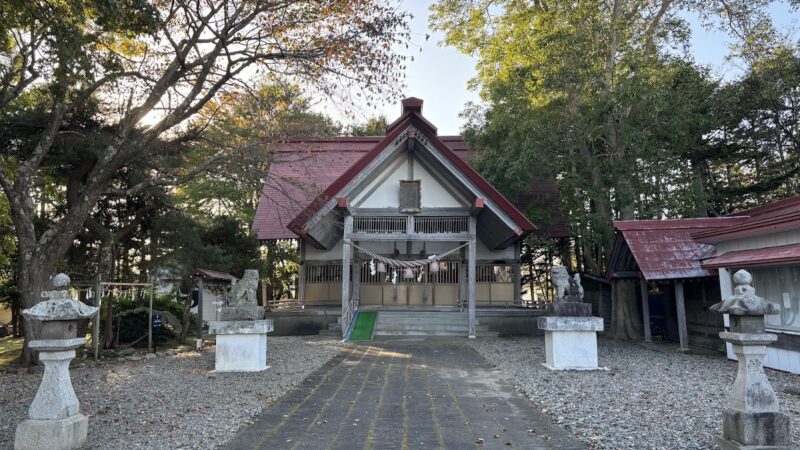
Iwanai Shrine is located on a hill in Iwanai-cho and boasts a vast precinct of approximately 14,000 tsubo (about 46,000 square meters). Its distinctive Shinto-style shrine buildings and serene atmosphere create a sacred space that soothes the hearts of visitors.
History and Origins of Iwanai Shrine
Circumstances of its Founding
The history of Iwanai Shrine dates back to Kansei 1 (1789). At that time, Lord Matsumae Shimanokami Yoshihiro ordered Kumanoya Yozaemon, the contractor for the Iwanai fishing area, to enshrine Ichikishimahime-no-kami, his guardian deity, which marked the beginning of the shrine. Ichikishimahime-no-kami, also known as Itsukushima-no-Okami, has been worshipped as the guardian deity of abundant catches and safe sea routes.
For Iwanai Town, which prospered from fishing, the existence of a shrine where prayers for safety at sea and abundant catches are offered has played a vital role as a spiritual anchor for the townspeople. In 2019 (Reiwa 1), the shrine celebrated its 230th anniversary, and as a shrine with a long history, it remains deeply cherished by the local people.
Changes in Shrine Rank
Iwanai Shrine was ranked as a Prefectural Shrine in the ranking of shrines in Hokkaido. This indicates its importance and high status in the region, and it is positioned as one of the major shrines in the Shiribeshi region.
Up to the Present Day
Throughout its long history, Iwanai Shrine has walked hand in hand with the development of the region. The shrine grounds and buildings are meticulously maintained, ensuring that visitors can always worship in a clean and beautiful environment. The volunteer work of local residents and the support of parishioners have ensured the preservation of this shrine’s traditions to this day.
About the Deities
Iwanai Shrine enshrines three deities. Let’s take a closer look at each of them.
Emperor Ōjin
The 15th Emperor, he is a deity enshrined as Hachiman-sama in Hachiman shrines throughout Japan. Known as the god of military fortune and victory, he is also worshipped as the guardian deity of industrial development and national prosperity. He is enshrined as the god who watches over the development of Iwanai Town.
Ichikishima-hime-no-kami
One of the Munakata Three Goddesses, she is also known as the principal deity of Itsukushima Shrine. She is deeply revered as the guardian deity of maritime traffic and fishing, and is a central deity enshrined at Iwanai Shrine since its founding. She also has aspects as a goddess of beauty and performing arts, and attracts many worshippers.
Ukemochi-no-kami
This is the goddess who presides over abundant harvests and food. She is revered as a god who brings prosperity to all industries, including agriculture, fishing, and commerce. She is enshrined as the god who protects the industrial development of Iwanai Town and the stability of the lives of its residents.
These three gods protect the land of Iwanai in multiple ways, watching over the prosperity of the town and the happiness of its inhabitants.
Highlights of Iwanai Shrine
Shinmei-zukuri Shrine Building
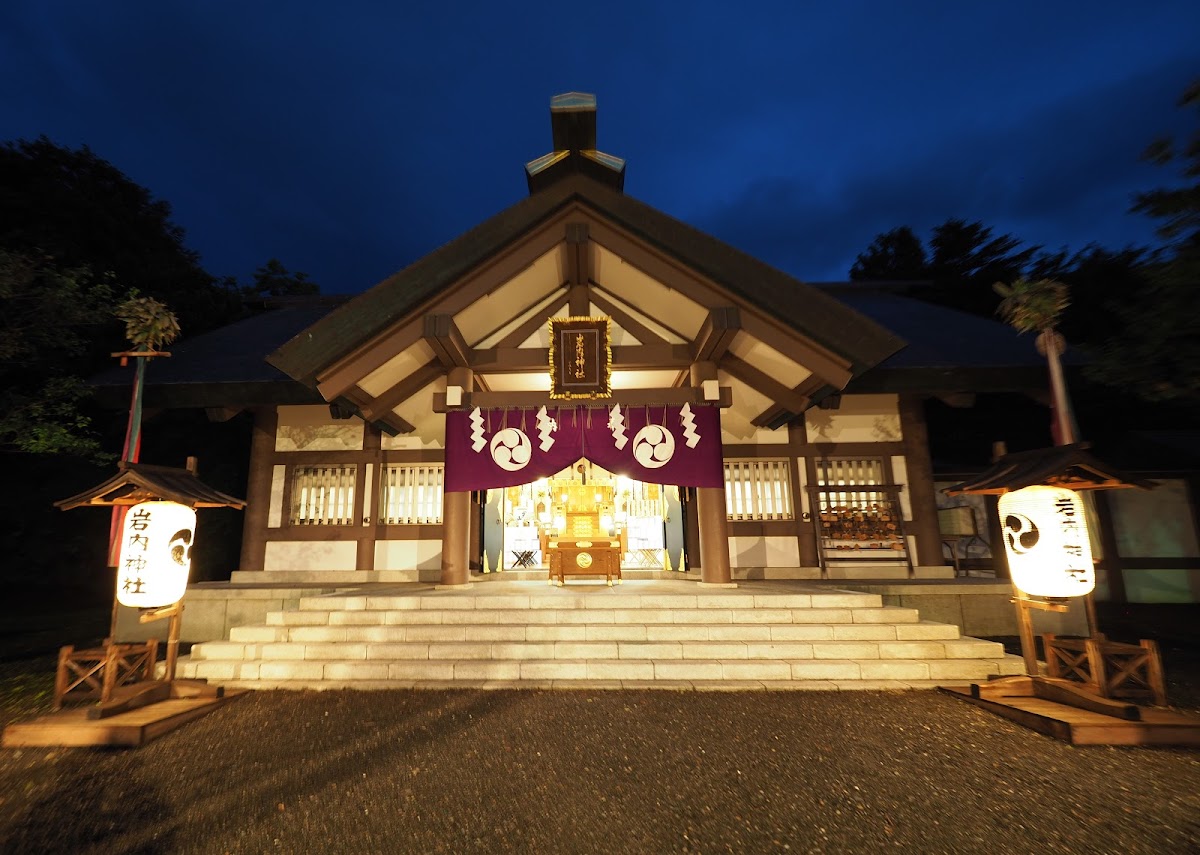
The shrine building of Iwanai Shrine is built in the Shinmei-zukuri architectural style, exemplified by Ise Grand Shrine. It is characterized by its simple yet dignified construction, giving visitors a solemn impression. The dignity of the shrine building speaks of its history of over 230 years, making it a noteworthy example of shrine architecture in Hokkaido.
Three Torii Gates and Cherry Blossom Trees
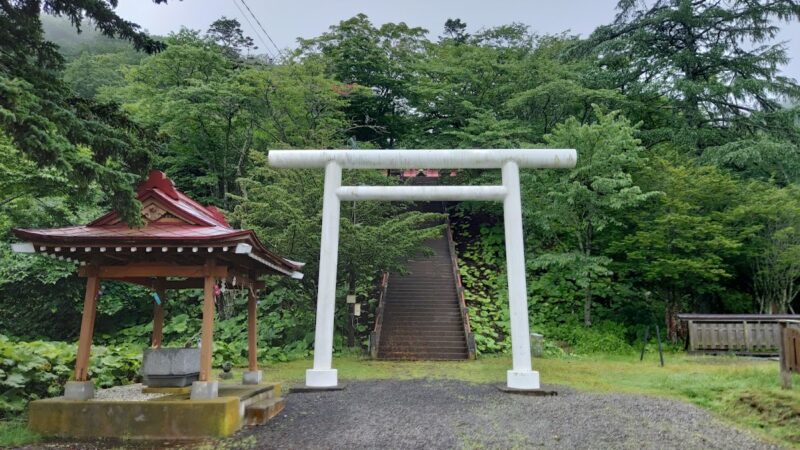
Three torii gates are situated within the shrine grounds, each lined with a beautiful row of cherry trees. In spring, these trees bloom simultaneously, making the area one of Iwanai Town’s most famous cherry blossom viewing spots, attracting many visitors.
The contrast between the sacred torii gates and the vibrant cherry blossoms symbolizes the beauty of Japanese spring and is a popular photo spot. Walking through the cherry blossom tunnel along the approach to the shrine provides visitors with unforgettable memories.
Town-Designated Cultural Properties: Komainu (Guardian Lion-Dogs) and Water Basin
On March 19, 2024, the komainu (guardian lion-dogs) and water basin of Iwanai Shrine were designated as tangible cultural properties of Iwanai Town. These are highly valued for their historical and artistic merit and are valuable cultural assets that convey the history of the shrine to the present day.
The guardian lion-dogs (Komainu) and the water basin (Temizubachi) have been carefully preserved and donated to the shrine for many years, serving as sacred beasts protecting the shrine and a place for purification before worship. Their designation as cultural properties officially recognizes their value and confirms their importance for future generations.
The Giant Ginkgo Tree and the Rich Natural Grounds
The shrine grounds are home to a lush array of trees, including a giant ginkgo tree, allowing visitors to enjoy the beauty of nature throughout the seasons. In autumn, the ginkgo trees turn a magnificent golden color, making it a famous spot for viewing autumn foliage.
The vast 14,000-tsubo (approximately 46,000 square meters) grounds offer a tranquil space that makes you forget the hustle and bustle of the city; even a simple stroll is calming. The well-maintained grounds are always clean and beautiful, no matter when you visit.
Views from the Hilltop
Iwanai Shrine is located on a hilltop overlooking Iwanai town, offering views of the townscape and the Sea of Japan from the grounds. This location, offering a panoramic view of Iwanai, a town that has flourished as a fishing village, is truly a fitting place for a shrine watching over the town.
On clear days, you can enjoy the magnificent scenery of the Sea of Japan and the distant mountain range, giving it the charm of a power spot.
Iwanai Shrine Annual Festival “Iwanai Festival”
The largest event at Iwanai Shrine is the Iwanai Shrine Annual Festival, held every year from July 7th to 9th. It has long been affectionately known as the Iwanai Festival by the townspeople and is the biggest event in Iwanai Town, attracting many people.
Grand Festival Schedule
- July 7th: Eve Festival, Mochi Scattering
- July 8th: Main Festival, Mikoshi Procession
- July 9th: Mikoshi Procession, Return Ceremony
July 7th: Eve Festival and Mochi Scattering
On the evening of the 7th, the first day of the Grand Festival, the Eve Festival is held. The highlight of this day is undoubtedly the Mochi Scattering. Among the scattered mochi (rice cakes) are “winning mochi” with numbered tags, and those who find them receive additional prizes.
Many people, from children to adults, participate in the mochi scattering, creating a lively start to the festival. This traditional event plays an important role in strengthening community unity.
July 8th & 9th: Mikoshi Procession
The highlight of the Grand Festival is the Mikoshi Procession held on the 8th and 9th. The procession of two portable shrines through the town, with the national highway completely closed to traffic, is a truly spectacular sight.
A particular highlight is the moment the shrines are carried up the Shrine Hill. The sight of the heavy shrines rising up the slope with powerful shouts from the bearers is captivating. Many tourists visit every year to witness this impressive spectacle.
On the evening of the 9th, the return procession takes place, where the shrines return to the shrine. The sight of the shrines safely returning to the shrine is also impressive, and it is a solemn ceremony that marks the grand finale of the festival.
Maritime Procession
A distinctive feature of the Iwanai Shrine Grand Festival is the maritime procession by fishing boat. This traditional event, unique to Iwanai, a town by the sea, features the portable shrines carried on fishing boats on the water, a rare and precious sight rarely seen in other regions.
The sea procession is a symbolic event representing the history and culture of Iwanai, with prayers offered for fishing safety and a bountiful catch.
Stalls and the Festival’s Lively Atmosphere
During the annual festival, approximately 200 stalls line the shrine grounds and surrounding areas, further enhancing the festive atmosphere. A variety of stalls, including food vendors, game corners, and classic festival games like goldfish scooping and yo-yo fishing, create an enjoyable space for both children and adults.
At night, the lanterns are lit, bringing the festival atmosphere to its peak. Many people visit not only from the local area but also from neighboring towns, making it a beloved summer tradition in Iwanai.
Annual Events and Opportunities for Worship
In addition to the annual festival, various Shinto rituals are performed at Iwanai Shrine throughout the year.
New Year’s Visit
Many worshippers visit the shrine for the New Year’s visit. The shrine is bustling with people praying for safety and happiness throughout the year, and visiting in the refreshing air of the New Year is a truly special experience.
Shichi-Go-San Ceremony
Iwanai Shrine is also a popular location for Shichi-Go-San ceremonies. Its spacious grounds and well-maintained, clean environment make it a fitting place for this important ceremony celebrating a child’s growth.
The mystical and solemn atmosphere makes it a popular spot for family commemorative photos, creating lasting memories of a Shichi-Go-San ceremony. The shrine also offers prayers, allowing families to pray to the gods for their child’s healthy growth.
Other Annual Events
- Setsubun Festival: Bean-throwing ceremony held on Setsubun in February
- Spring Festival: Festival held with the arrival of spring
- Autumn Festival: Autumn festival to give thanks for the harvest
- Monthly Festival: Regularly held festivals every month
These events are important opportunities to preserve local traditions and deepen the bond between the shrine and its parishioners.
Access Information
Location
41 Miyazono, Iwanai-cho, Iwanai-gun, Hokkaido 045-0024
Access by Car
- From Sapporo: Approximately 2 hours 30 minutes (via National Route 5 and National Route 229)
- From Otaru: Approximately 1 hour 30 minutes (via National Route 5)
- From Niseko: Approximately 30 minutes
The shrine has a parking lot for visitors. Due to expected congestion during the annual festival period, we recommend considering the use of public transportation.
Access by Public Transportation
By JR:
- Get off at Otaru Station on the JR Hakodate Main Line
- Take the Hokkaido Chuo Bus to Iwanai Terminal (approximately 1 hour 30 minutes)
- From Iwanai Terminal, it’s approximately a 15-minute walk or a 5-minute taxi ride.
By Bus:
- Take the Iwanai Express bus from Sapporo Station Terminal (approximately 3 hours)
- After getting off at Iwanai Terminal, it’s approximately a 15-minute walk.
Nearby Facilities
Iwanai Town has several tourist spots you might want to visit in conjunction with your shrine visit:
- Kida Kinjiro Museum: Exhibits works by Kida Kinjiro, a painter from Iwanai
- Iwanai Local History Museum: A facility where you can learn about the history and culture of Iwanai
- Maruyama Observatory: An observation spot offering panoramic views of Iwanai Town and the Sea of Japan
- Michi-no-Eki Iwanai: Enjoy local specialties and gourmet food.
About Iwanai Town
Iwanai Town is a town with a population of approximately 10,000 located in the Shiribeshi region of Hokkaido. Iwanai Shrine has a history of development as a fishing town facing the Sea of Japan, and it flourished especially during the era of herring fishing.
Even today, fishing remains one of the town’s main industries, and a bountiful supply of fresh seafood is landed. Furthermore, the town is blessed with a rich natural environment, with the Niseko mountain range in the background.
Iwanai Shrine has long been a spiritual pillar for the townspeople, serving as a central figure in the town’s history and culture. It continues to play an important role as a place to pray for fishing safety, the town’s prosperity, and the happiness of its residents.
Manners and Etiquette for Visiting the Shrine
When visiting Iwanai Shrine, please observe the following basic manners.
How to Pass Through the Torii Gate
The torii gate is the entrance to the sacred area. Bow before passing through, and walk avoiding the center of the path (the path of the gods).
Proper Ritual for Washing Hands
- Take the ladle with your right hand and wash your left hand.
- Switch the ladle to your left hand and wash your right hand.
- Switch the ladle back to your right hand, receive water in your left hand, and rinse your mouth.
- Finally, stand the ladle upright to wash the handle and return it to its original position.
Proper Ritual for Worship
- Bow slightly before the offering box.
- Gently place your offering in the box.
- Ring the bell (if present).
- Two Bows, Two Claps, One Bow: Bow deeply twice, clap twice, bow deeply once.
- Take a step back, bow slightly, and then leave.
Regarding Photography
Photography is generally permitted on the shrine grounds, but there may be restrictions inside the shrine buildings or during religious ceremonies. Please check with the shrine office if you have any questions. Also, please be considerate of other worshippers.
Summary
Iwanai Shrine is a historic shrine that has watched over the Iwanai area for over 230 years since its founding in 1789. Originally a shrine praying for abundant catches and safe sea voyages, it has now become a deeply rooted community shrine, protecting the prosperity of the town and the happiness of its residents.
The shrine boasts many attractions, including its dignified Shinto-style shrine building, three torii gates and cherry tree-lined avenue, and culturally designated guardian lion-dogs and water basin. In particular, the annual festival in July, “Iwanai Festival,” features impressive events such as a portable shrine procession and a procession across the sea, captivating many visitors.
When visiting Iwanai Town, be sure to visit Iwanai Shrine, experience its history and traditions, and offer a peaceful prayer. Spending time in its serene grounds will allow you to forget the hustle and bustle of everyday life and refresh both mind and body.
For those planning a shrine tour in Hokkaido, considering sightseeing in Iwanai Town, or looking for a place for Shichi-Go-San (a traditional Japanese rite of passage for children) or Hatsumode (a New Year’s visit to a shrine), Iwanai Shrine is a must-see. Spend a special time in this sacred space where 230 years of history breathes life into.