Complete Guide to Hattari Shrine | History and Visiting Information in Kyowa Town, Hokkaido
Hattari Shrine is a shrine located in Hattari, Kyowa Town, Iwanai District, Hokkaido. It is a historical shrine that has attracted the faith of local people since the pioneering days of Hokkaido, and continues to play an important role as a spiritual center for the local community. This article provides detailed information useful for visiting Hattari Shrine, including its history, enshrined deities, access methods, and annual events.
Basic Information on Hattari Shrine
Location and Access
Location: Hattari, Kyowa Town, Iwanai District, Hokkaido
Access to Hattari Shrine is as follows:
Access by Public Transportation:
- Take the Chuo Bus from Iwanai to Omagari and get off at “Hatsusoku Post Office,” then walk for approximately 25 minutes.
- Take a taxi from the center of Iwanai town for approximately 15 minutes.
Access by Car:
- Via National Route 5 and Hokkaido Prefectural Route 569.
- Approximately 1 hour from Otaru city center.
- Approximately 2 hours from Sapporo city center.
The shrine is located in a naturally rich environment in Kyowa town, and walking along the approach allows you to feel the magnificent nature of Hokkaido.
Jurisdiction and Contact Information
Hatsusoku Shrine belongs to the Hokkaido Shrine Association and performs Shinto rituals rooted in the community while maintaining the traditions and status of a Hokkaido shrine. For inquiries regarding worship, prayers, and the issuance of amulets, it is recommended to check with the Hokkaido Shrine Association or the local parishioners’ representative in advance.
History and Origins of Hatsusoku Shrine
Founding History
Hatsusoku Shrine was founded during the Hokkaido pioneering period. During the Meiji era, settlers who migrated from Honshu felt a strong need for a shrine to serve as a spiritual anchor as they began their new lives in a harsh natural environment. In the Hatsutate area, it is believed that the shrine originated when settlers invited the gods of their homeland and established a shrine to pray for the peace and prosperity of the region and abundant harvests.
Development from the Meiji to Taisho Periods
After its founding in the Meiji era, Hatsutate Shrine developed into a central presence in the local community. As settlement progressed, the number of parishioners increased, and the size of the shrine gradually expanded.
From the late Meiji period to the Taisho period, the shrine buildings were renovated and the grounds were improved, giving the shrine its proper form. It is believed that the foundation of the current shrine was formed during these renovations. During the Taisho era, along with the development of agriculture in the region, faith in the shrine deepened, and many parishioners began to gather for the spring Kinensai (harvest festival) and the autumn Reitaisai (grand festival).
Changes During the Showa Era
During the Showa era, Hatsusoku Shrine experienced the turbulent times of the pre-war, wartime, and post-war periods. Before the war, under the influence of State Shinto, it played a role as a spiritual pillar of the community. After the war, it restarted as a religious corporation under the new shrine system.
From the mid- to late Showa era, while facing challenges common to rural areas such as depopulation and an aging population, the shrine’s maintenance and management continued thanks to the efforts of parishioners and local residents. Regular repairs to the shrine buildings and maintenance of the grounds are carried out, ensuring the shrine’s continued function.
The Present, Heisei and Reiwa Eras
Even in the modern era, from the Heisei to the Reiwa period, Hatsusoku Shrine remains an important cornerstone of the local community. Annual events continue, albeit on a smaller scale, with Shinto rituals such as Hatsumode (first shrine visit of the year), Shichi-Go-San (a traditional rite of passage for children), and exorcisms being performed.
In recent years, with the popularity of “shrine pilgrimages” and “Goshuin stamp pilgrimages” in Hokkaido, Hatsusoku Shrine has also seen an increase in visitors from both within and outside Hokkaido.
Deities and Divine Virtues
Main Deities
The deities enshrined at Hatsusoku Shrine are gods who have watched over the pioneering and development of the region. Similar to many pioneering shrines in Hokkaido, it is believed that major Japanese deities such as Ōkuninushi-no-Mikoto and Amaterasu-Ōmikami are enshrined here. It is also possible that deities from the pioneers’ hometowns are enshrined here as well.
Divine Virtues (Benefits)
The main divine virtues you can pray for at Hatsutaku Shrine are as follows:
- Abundant Harvest and Agricultural Prosperity: Prayers for the development of the region, centered on agriculture
- Family Safety: Health and peaceful life for the family
- Business Prosperity: Development and prosperity of business
- Traffic Safety: Safe travel and a smooth journey
- Protection from Misfortune and Good Fortune: Avoiding disaster and attracting good fortune
- Prosperity of Descendants: Blessings of children and the healthy growth of children
Highlights of the Shrine Grounds
Shrine Building
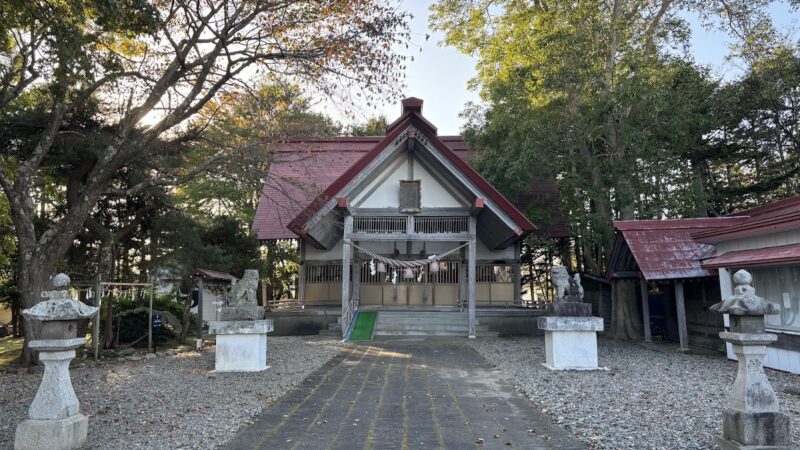
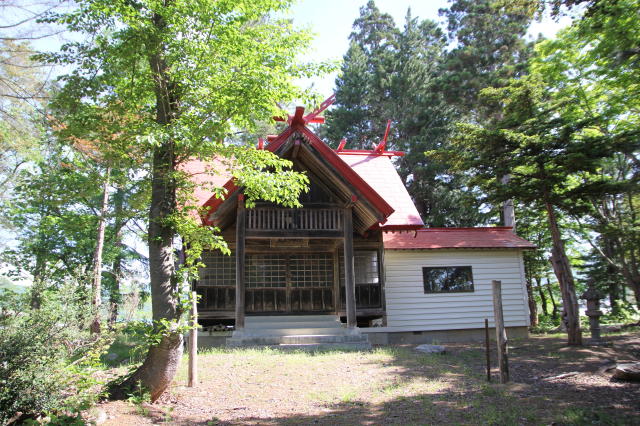
The shrine building of Hatsutaku Shrine is structured to suit the climate of Hokkaido. It is sturdily built and properly maintained to withstand the winters of Kyowa Town, a heavy snowfall area. The style of the shrine building appears to be in the Shinmei-zukuri or Taisha-zukuri style, but it may also incorporate architectural styles unique to Hokkaido.
Approach to the Shrine and Grounds
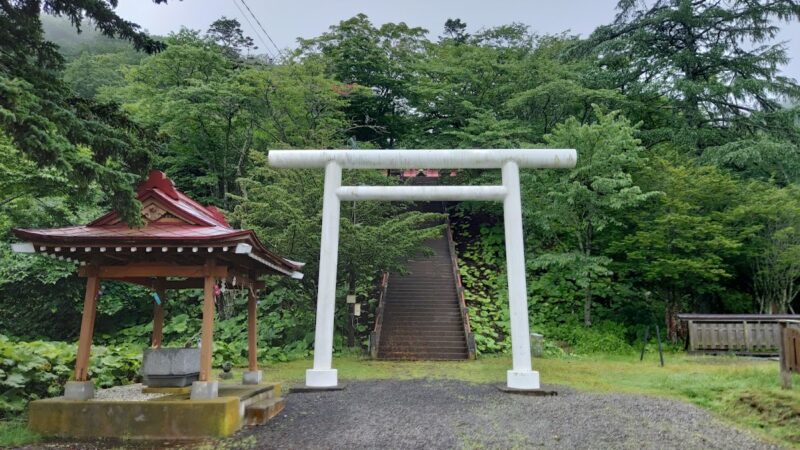
The approach to the shrine has a tranquil atmosphere surrounded by Hokkaido’s nature. The shrine grounds include a purification fountain, a worship hall, and the main sanctuary, as well as subsidiary shrines and stone monuments. The grounds, which display different appearances depending on the season, allow visitors to enjoy the beauty of each season: the fresh greenery of spring, the deep green of summer, the vibrant autumn leaves, and the snowy landscape of winter.
Torii Gate and Komainu (Guardian Dogs)
A torii gate stands at the entrance to the shrine, guiding worshippers into the sacred area. Komainu are also positioned in front of the worship hall, guarding the sacred area. These stone structures are believed to have been donated by parishioners and devotees, reflecting the faith of the local people.
Annual Events and Festivals
Main Annual Events
Various Shinto rituals are performed at Hatsusoku Shrine throughout the year.
New Year’s Day Festival (January 1st)
This ritual welcomes the new year and prays for peace and prosperity throughout the year. Many worshippers visit for their first shrine visit of the year.
Kinensai (Spring)
This is an important Shinto ritual to pray for a bountiful harvest and the development of industry in the coming year. It is a particularly important festival in agricultural communities.
Reitaisai (Autumn)
This is the most important annual event at Hatsusoku Shrine, where gratitude is expressed to the enshrined deity and prayers are offered for the prosperity of the region. It is believed that in the past, a portable shrine procession and offering ceremonies were also held.
Niinamesai (November 23rd)
This is a Shinto ritual to give thanks for the autumn harvest and to offer the new grain to the gods. It is held as an important thanksgiving festival in agricultural communities.
Oharai (June & December)
This is a Shinto ritual to purify oneself of sins and impurities accumulated over the past six months. There are two types: Natsukoshi no Harae (June) and Toshikoshi no Harae (December).
Personal Prayers
Hatsusoku Shrine also accepts various prayers for individuals and families:
- Hatsumiya-myogai: Reporting the birth of a baby to the gods and praying for healthy growth
- Shichi-Go-San: Celebrating milestones in a child’s growth and praying for future health
- Yakubarai: Prayers for protection against misfortune during unlucky years
- Safety Prayer: Prayers for traffic safety, construction safety, etc.
- Success Prayer: Prayers for success in exams and tests
If you wish to request a prayer, we recommend contacting us in advance to arrange a date and time.
Characteristics of Shrines in Hokkaido and Hatsusoku Shrine
Historical Background of Hokkaido Shrines
Shrines in Hokkaido have a different historical background from those in Honshu. While many shrines in Honshu date back to ancient times, many shrines in Hokkaido were founded during the pioneering period after the Meiji Restoration. The pioneers invited the gods of their homeland and prayed for safety and prosperity in their new land.
Hatsusoku Shrine is one of these shrines from the pioneering era of Hokkaido, and it can be said to be a shrine imbued with the faith and feelings of the pioneers for their region.
Role of the Hokkaido Association of Shinto Shrines
The Hokkaido Association of Shinto Shrines is an organization that encompasses shrines throughout Hokkaido, and is responsible for the maintenance and management of shrines, the training of Shinto priests, and the guidance of Shinto rituals. Hatsusoku Shrine is also affiliated with the Hokkaido Association of Shinto Shrines and strives for proper shrine management and the preservation of traditions.
The Hokkaido Association of Shinto Shrines’ website contains information on shrines throughout Hokkaido, and you can also find basic information about Hatsusoku Shrine there.
Etiquette and Manners for Visiting a Shrine
Basic Way to Visit a Shrine
The basic etiquette for visiting a shrine is as follows:
- Bow before passing through the torii gate: This is a courtesy before entering the sacred area.
- Walk along the edge of the path: The center is considered the path for the gods.
- Purify yourself at the water basin:
- Hold the ladle in your right hand and purify your left hand.
- Switch the ladle to your left hand and purify your right hand.
- Switch the ladle back to your right hand, receive water in your left hand, and rinse your mouth.
- Finally, stand the ladle upright to purify the handle.
- Worship at the main hall:
- Place your offering.
- Ring the bell (if present).
- Bow twice, clap twice, and bow once.
- Bow again at the torii gate when leaving.
Visiting Shrines in Winter
Special precautions are necessary when visiting shrines in Hokkaido during the winter:
- Cold Weather Protection: Wear sufficient warm clothing.
- Footwear Precautions: Due to snow and ice, the ground can be slippery; choose non-slip shoes.
- Visiting Hours: As the sun sets early, visiting during daylight hours is recommended.
- Snow Removal Status: After heavy snowfall, check the snow removal status of the approach to the shrine.
Attractions Around Hatsutsuku Shrine
Tourist Spots in Kyowa Town
Kyowa Town, where Hatsutsuku Shrine is located, also has other attractive tourist spots:
Scarecrow Hometown Museum
This facility introduces the history and culture of agriculture in Kyowa Town and displays numerous scarecrows.
Raiden Watermelon
Kyowa Town is famous as a production area for “Raiden watermelons.” Fresh watermelons can be purchased at direct sales outlets during the summer.
Shinsennuma Marsh
A high-altitude wetland spanning Kyowa Town and Niseko Town, where you can enjoy beautiful natural scenery.
Nearby Shrines
When visiting Hatsutaka Shrine, we also recommend visiting the surrounding shrines:
- Iwanai Shrine (Iwanai Town): One of the major shrines in the Shiribeshi region
- Suttsu Shrine (Suttsu Town): A shrine in a town facing the Sea of Japan
- Kutchan Shrine (Kutchan Town): A central shrine in the Niseko area
Connection with the Community and Future Prospects
As the Center of the Local Community
Since its founding, Hatsutaka Shrine has functioned as the spiritual center of the local community. Festivals and annual events are valuable opportunities for local residents to gather and serve as a place for intergenerational exchange.
Maintaining a shrine is not easy in rural areas facing depopulation and an aging population, but thanks to the efforts of parishioners and local residents, the traditions continue to be preserved.
Value as a Cultural Asset
Hatsutaka Shrine also possesses aspects as a valuable cultural asset that tells the history of Hokkaido’s development. The shrine buildings, stone structures within the grounds, and ancient documents are important resources for understanding the history of the region. The challenge going forward is to properly preserve these cultural assets and pass them on to future generations.
Potential as a Tourism Resource
In recent years, with the growing popularity of shrine visits and collecting Goshuin (shrine stamps), attention is also being drawn to small, local shrines like Hatsusaku Shrine. Nestled amidst the magnificent nature of Hokkaido, the shrine possesses a unique charm not found in urban areas.
By appropriately disseminating information about Hatsusaku Shrine as a tourism resource, it is hoped that more people will learn about its appeal, contributing to regional revitalization.
Summary
Hatsusaku Shrine, located in Kyowa-cho, Iwanai-gun, Hokkaido, is a shrine with a history dating back to the pioneering era. Since its founding in the Meiji period, it has attracted the faith of local people and played an important role as a place to pray for abundant harvests and family safety.
The shrine grounds, surrounded by rich nature, showcase the beauty of each season, providing tranquility to visitors. Annual events and prayers are continuously held, and it continues to function as a spiritual center for the local community.
When visiting Hokkaido, we highly recommend visiting Hatsutaka Shrine to experience the spirit of the pioneers and the history of the region. Its location, approximately a 25-minute walk from the Chuo Bus “Hassutaka Post Office” stop, makes it ideal for a stroll while enjoying Hokkaido’s natural beauty.
We hope that your visit to Hatsutaka Shrine will allow you to experience the charm of Hokkaido’s pioneering history and shrine culture.