Complete Guide to Niseko Kaributo Shrine | History, Goshuin (Shrine Seal), and Access Information for Japan’s Only Shrine with a Katakana Name
Niseko Kaributo Shrine, located in Niseko Town, Abuta District, Hokkaido, is known as the only shrine in Japan whose official name includes katakana characters. As the guardian shrine of Niseko, a world-famous ski resort, this shrine has been cherished by the local people for generations, walking hand-in-hand with the history of Niseko from its development in the Meiji era to the present day. This article comprehensively introduces information you should know before visiting Kaributo Shrine, including its history, enshrined deities and blessings, visiting information, annual festival, and access methods.
What is Kaributo Shrine? | The Guardian Shrine of Niseko Town
Kaributo Shrine is located on Hondori Street in Niseko Town, Abuta District, Hokkaido, and is revered as the guardian shrine of the entire town of Niseko. “Kaributo” is the former name of Niseko, and is a place name derived from the Ainu word “Niseko Annupuri.”
In November 2017, at the request of the then chief priest, Akihiko Tamaki, the shrine was renamed “Niseko Karita Shrine,” becoming the first and only shrine in Japan to have katakana characters in its official name. This renaming reflected the characteristics of Niseko, which is developing as an international resort area, and aimed to make the shrine more accessible to a wider audience.
Basic Information about Karita Shrine
- Official Name: Niseko Karita Shrine
- Location: 105 Hon-dori, Niseko-cho, Abuta-gun, Hokkaido
- Deities Enshrined: Ōnamuchi-no-mikoto, Sugawara no Michizane
- Shrine Rank: Former Village Shrine
- Establishment of Religious Corporation: 1953 (Showa 28)
- Annual Grand Festival: Early September every year (Traditionally August 24th-25th)
History of Karita Shrine | From Meiji-era Settlement to the Present
Meiji Era: Settlement and the Founding of the Shrine
The history of Karita Shrine dates back to the settlement period of 1896 (Meiji 29). It is said to have begun when Rikuzo Matsuoka, a settler from Iwate Prefecture, privately enshrined a deity. The settlement of Hokkaido at that time was carried out under harsh conditions, and the existence of a shrine, a spiritual anchor for the settlers, was extremely important. In 1904 (Meiji 37), Rikuzo Matsuoka donated 700 tsubo (approximately 2,314 square meters) of land to construct the shrine building. This marks the physical origin of Karita Shrine. At that time in Hokkaido, pioneers were establishing shrines throughout the region, inviting the gods of their homelands and praying for safety and prosperity in their new lands.
Taisho Era: Formal Recognition and Development
On November 5, 1915 (Taisho 4), an application for formal shrine establishment was filed, and permission was granted in May 1916 (Taisho 5), marking the beginning of its history as a full-fledged shrine. During this period, the Niseko region (then Karita Village) continued to develop primarily through agriculture, and the shrine became a central presence in the local community.
On July 21, 1925 (Taisho 14), permission was granted for the reconstruction of the shrine building, and the current Shinto-style shrine building was completed on September 7 of the same year. The Shinmei-zukuri architectural style, exemplified by the Ise Grand Shrine, is characterized by its simple yet dignified construction.
Subsequently, the villagers’ reverence grew year by year, leading to the development of basic assets and expansion of the shrine grounds. As a result of these efforts, on August 22, 1926 (Taisho 15), Karita Shrine was elevated to the rank of a village shrine. A village shrine was a rank given to the central shrine of a village under the shrine ranking system at the time.
Showa Era: Designation as a Shrine Receiving Offerings of Sacred Food and Cloths and Post-War Changes
On September 7, 1928 (Showa 3), Karita Shrine was designated as a shrine receiving offerings of sacred food and cloths. This meant that the shrine was designated by the government to receive funding for offerings (shinsen) and cloths (heihaku) from the gods, which was a great honor at the time.
In September 1942 (Showa 17), Sugawara no Michizane, known as the god of learning, was enshrined here. This is thought to reflect a wish for the promotion of education in the region.
After the end of World War II, in 1945 (Showa 20), the shrine was relieved of state control under the Shinto Directive, and in 1953 (Showa 28), it started anew as a religious corporation. Since then, it has been maintained by the faith and support of the local people, and continues to this day.
Heisei and Reiwa Eras: Reforms and the Renaming to “Niseko Karita Shrine”
Throughout its long history, Karita Shrine has faced the changes of the times. Due to depopulation and a decrease in parishioners, there was a period when it was in a state of disrepair. However, in the 2010s, when Akihiko Tamaki took office as chief priest, the shrine underwent a major transformation.
Chief Priest Tamaki called upon colleagues from various regions, renovated the dilapidated worship hall, and created new fortune slips, amulets, and goshuincho (stamp books). Then, in November 2017, to make it more accessible to a wider audience and reflect the international character of Niseko, the shrine was renamed “Niseko Karita Shrine.” This marked the birth of the first and only shrine in Japan to have katakana characters in its official name.
This reform transformed Karita Shrine from a mere local guardian deity into a tourist spot attracting both domestic and international visitors to Niseko.
Deities and Blessings | God of Matchmaking and Prosperity
Main Deity: Ōnamuchi-no-Mikoto
The main deity of Karita Shrine is Ōnamuchi-no-Mikoto. Ōnamuchi-no-Mikoto is another name for Ōkuninushi-no-Mikoto and is an important deity in Japanese mythology, also known as the enshrined deity of Izumo Taisha Shrine.
Ōnamuchi-no-Mikoto is considered the god of nation-building and is believed to possess the power to connect all things. Karita Shrine is believed to offer the following blessings:
- Matchmaking: Connecting people with each other, with nature, with information, and with all kinds of connections.
- Business Prosperity: Success and prosperity in business.
- Abundant Harvest: Bountiful agricultural harvests.
- Family Safety: Health and safety for the family.
- Protection from Misfortune: Protection from calamities.
Especially as a shrine located in the international resort area of Niseko, it is worshipped as a deity that connects people with nature, people with each other, and people with information, bringing prosperity.
Enshrined Deity: Sugawara no Michizane
Sugawara no Michizane, enshrined in 1942, is worshipped nationwide as the god of learning. Known as the enshrined deity of Dazaifu Tenmangu Shrine and Kitano Tenmangu Shrine, it is believed to bestow the following blessings:
- Academic Achievement: Passing entrance exams, improving academic ability
- Improvement in Arts and Skills: Improvement in arts and skills
- Sincerity: The virtue of honesty and integrity
During exam season, local students and their parents visit to pray for success.
Highlights of the Shrine Grounds | A Small but Charming Space
Karifuta Shrine is not a large shrine, but its charm lies in its tranquil atmosphere surrounded by the nature of Niseko.
Torii Gate and Approach
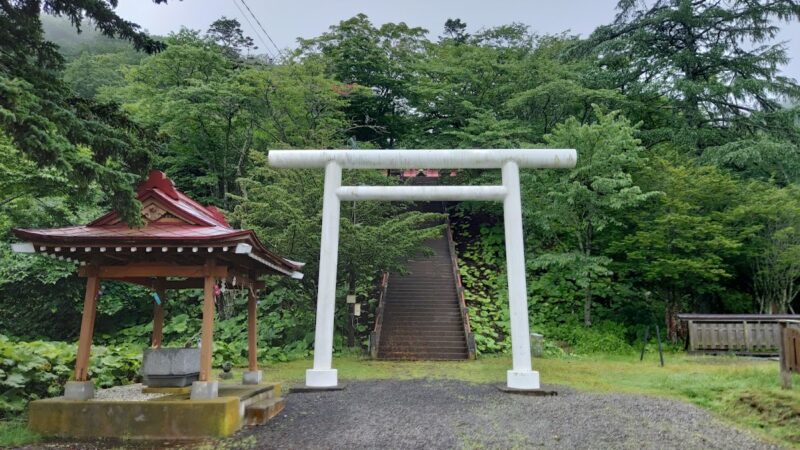
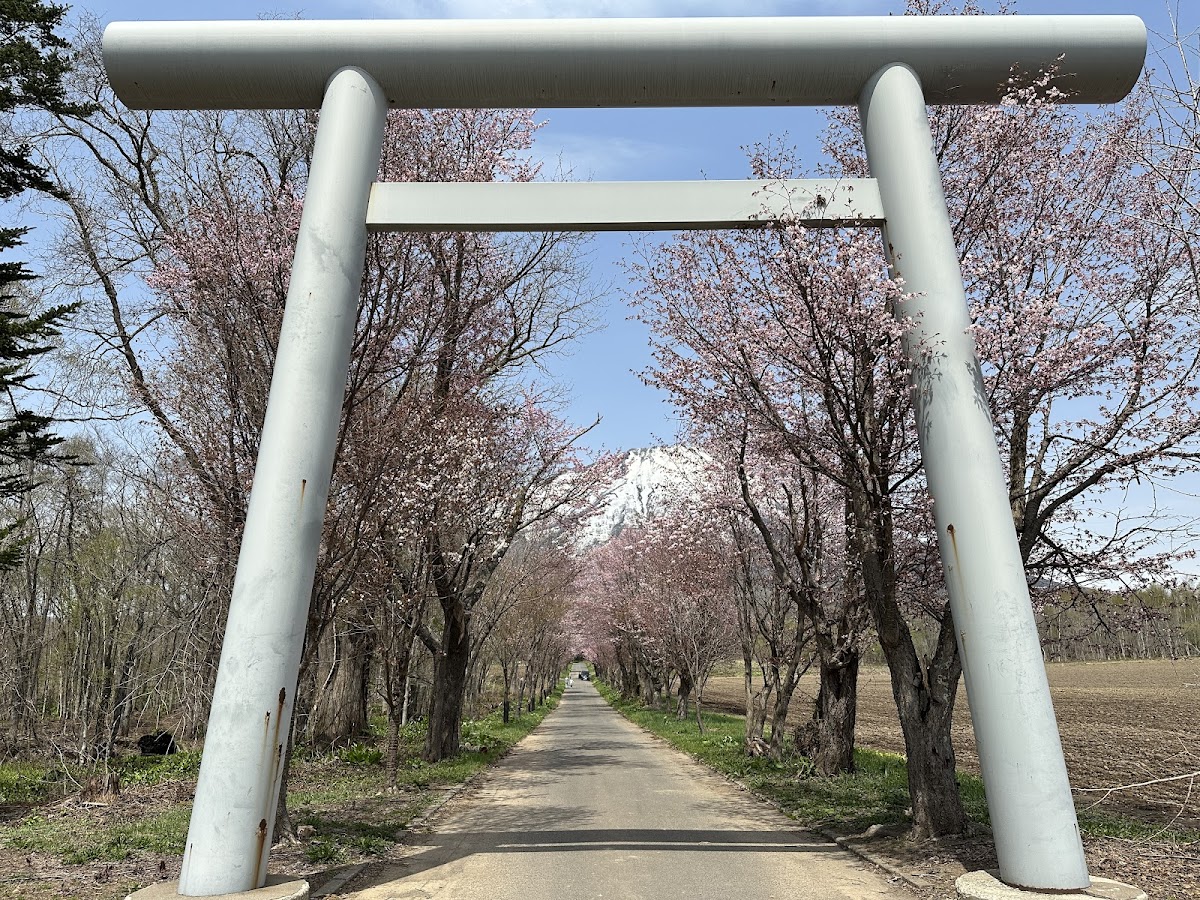
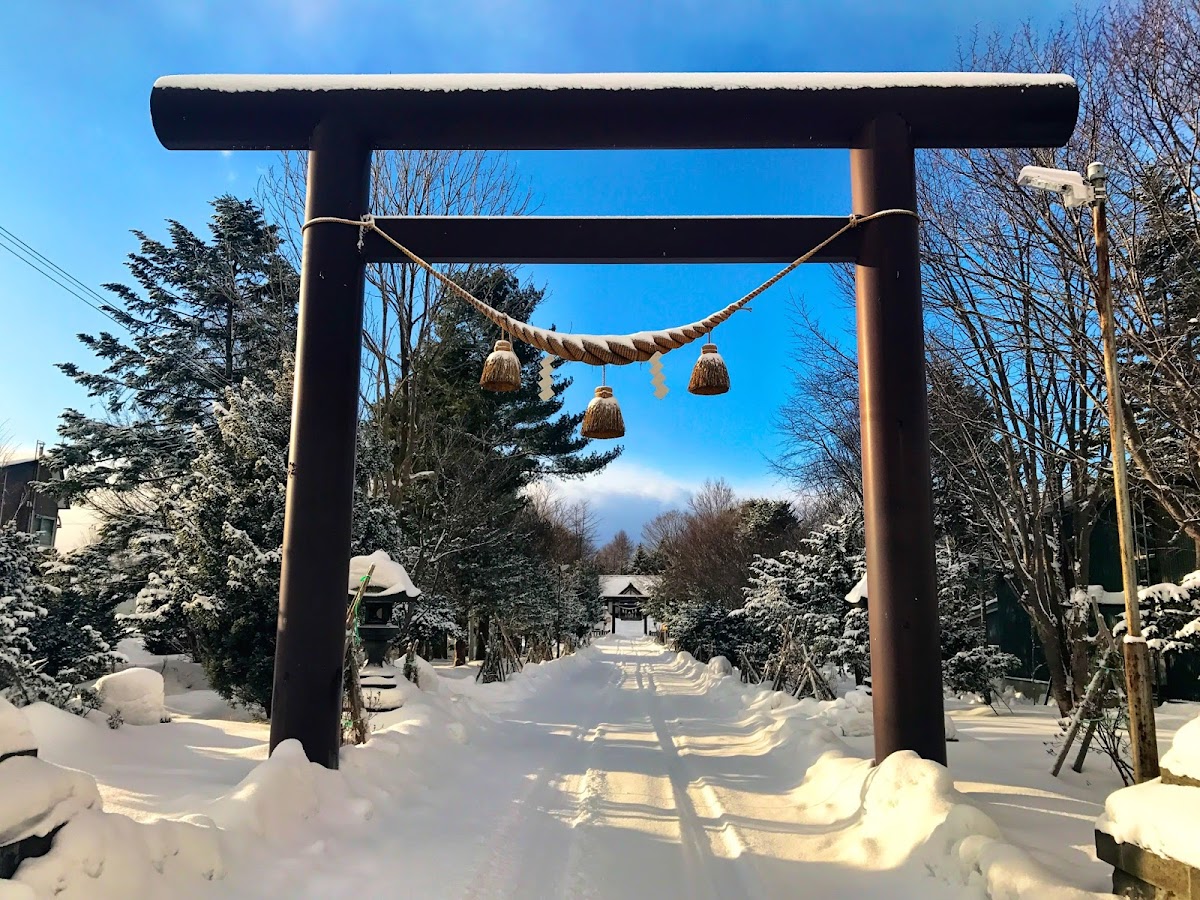
Upon entering the shrine grounds, visitors are first greeted by a torii gate. Passing through the torii gate and proceeding along the approach, the sounds of birdsong from the surrounding trees create a peaceful space that makes you forget the hustle and bustle of the city.
Shrine Buildings (Worship Hall and Main Hall)
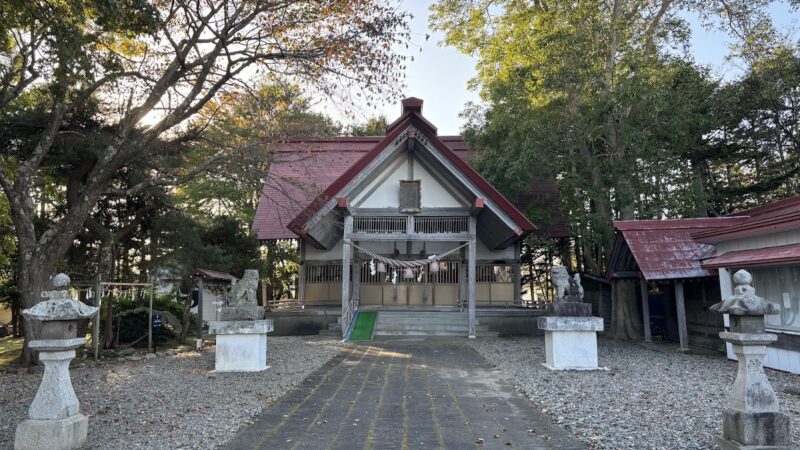
The Shinto shrine buildings, constructed in 1925 (Taisho 14), possess a simple yet dignified appearance. Renovations in the 2010s have resulted in a beautifully maintained environment, creating a pleasant setting for visitors to pray.
Shrine Office
At the shrine office, you can receive Goshuin (shrine stamps), amulets, and fortune slips. Newly renovated during the time of Chief Priest Tamaki, the office provides courteous service to visitors.
Goshuin, Amulet, and Fortune Slip Information
Goshuin
Goshuin are available at Niseko Karita Shrine. The Goshuin, featuring the calligraphy and red seal of “Niseko Karita Shrine,” is popular as a memento of Japan’s only shrine with a name written in katakana.
- Offering Fee: Generally around 300-500 yen (subject to change)
- Granting Hours: During the shrine office’s opening hours (prior confirmation recommended)
- Goshuin Notebook: Original Goshuin notebooks are also available.
Amulets
Various amulets are available for matchmaking, academic success, traffic safety, and more. There are also amulets with designs unique to Niseko, making them popular souvenirs.
Fortune Slips
Standard fortune slips are available, allowing you to receive your fortune and a message from the gods.
Grand Festival | A Traditional Event that Brightens Niseko’s Summer
The Grand Festival of Karita Shrine is the largest festival in Niseko Town and is held grandly every year. Traditionally held on August 24th-25th, it has recently been held in early September (e.g., September 9th-11th).
Highlights of the Grand Festival
Portable Shrine Procession
Those in their unlucky years take the lead in carrying a beautifully decorated portable shrine through the town. This symbolizes the gods riding in the shrine and touring the parish area, purifying and blessing the entire community.
The Akasaka Yakko Procession
The Akasaka Yakko procession, designated as an Intangible Folk Cultural Property of Niseko Town, is one of the biggest highlights of the annual festival. This traditional performance, modeled after the daimyo processions of the Edo period, is characterized by its unique chants and movements. The sight of the yakko, clad in brightly colored costumes, parading while throwing spears is truly impressive.
The Parade of Floats
Each neighborhood association presents elaborately decorated floats, parading through the town. At night, lanterns are lit, creating a magical atmosphere.
Stalls and Local Vibrancy
During the annual festival, numerous stalls line the temple grounds and surrounding areas, immersing the entire town of Niseko in the festive spirit. It’s a major event attracting not only local residents but also many tourists.
Volunteer Activities
In recent years, organizations such as the Sapporo Infinity Lions Club have been supporting the operation of the annual festival as volunteers, establishing a cooperative system that transcends regional boundaries.
Access and Parking Information
Location
Address: 105 Honcho, Niseko-cho, Abuta-gun, Hokkaido
Karifuto Shrine is located in a somewhat secluded area in the center of Niseko town, so it may be a little difficult to find for first-time visitors. We recommend using signs and map apps.
Access by Train
Nearest Station: JR Hakodate Main Line “Niseko Station”
- Approximately 10-15 minutes on foot from Niseko Station
- Taxi available from the station (approximately 5 minutes)
From Sapporo, it takes approximately 2.5 to 3 hours to Niseko Station via Otaru on the JR Hakodate Main Line.
Access by Car
From Sapporo
- Approximately 2 to 2.5 hours via National Route 5 (Sassho Expressway and Shiribeshi Expressway)
- There is also a route via National Route 5 through Yoichi
From New Chitose Airport
- Approximately 2 to 2.5 hours (via National Route 276 and National Route 5)
From Hakodate
- Approximately 3 to 3.5 hours via National Route 5
Parking
There is parking space for visitors within the shrine grounds or nearby, but the number of spaces is limited. During events such as the annual festival, congestion is expected, so we recommend using public transportation or arriving early.
Nearby Tourist Attractions
When visiting Niseko Karita Shrine, we recommend also visiting the nearby tourist attractions:
- Niseko Annupuri: Enjoy hiking in summer and skiing in winter.
- Niseko View Plaza Roadside Station: Purchase local agricultural products and specialty goods.
- Niseko Onsenkyo: Numerous hot spring facilities are scattered throughout the area.
- Shinsennuma: A beautiful high-altitude wetland landscape.
Manners and Etiquette for Visiting a Shrine
Here are some basic manners for visiting a shrine.
How to Pass Through the Torii Gate
The torii gate is the entrance to the sacred area. Bow before passing through. Since the center of the path is considered the path of the gods, it is considered best to walk along the sides.
Proper Hand-Washing Ritual
- Take the ladle with your right hand and wash your left hand.
- Switch the ladle to your left hand and wash your right hand.
- Take the ladle back into your right hand, receive water in your left hand, and rinse your mouth.
- Wash your left hand once more.
- Hold the ladle upright, wash the handle with the remaining water, and return it to its original position.
Worship at the Main Hall
- Bow slightly before the offering box.
- Gently place your offering in the box.
- Ring the bell if there is one.
- Bow twice, clap twice, and bow once (bowing deeply twice, clapping twice, bowing deeply once).
- Step back, bow once, and then leave.
Interview with the Chief Priest | The Passion to Revitalize a Small Shrine
Chief Priest Akihiko Tamaki is a man who moved to Niseko Town and became the chief priest of Karita Shrine. He decided to revitalize the old, small shrine and called upon friends from various regions to renovate the main hall. We created an environment that would encourage people to visit the shrine, and we also developed new fortune slips, amulets, and stamp books.
With the desire to attract more visitors, we applied for a name change to “Niseko Karita Shrine,” and in November 2017, we became the first and only shrine in Japan to have a name written in katakana. This reform is a prime example of how shrines can adapt to the times while preserving tradition.
Chief Priest Tamaki’s activities have become a model case for small rural shrines struggling with depopulation and declining parishioners, attracting attention from both within and outside Hokkaido.
History of Niseko and Karita
The place name “Karita” is the former name of Niseko. It is believed to originate from the Ainu word “Niseko Annupuri,” meaning “steep cliff,” and the kanji characters “狩太” were assigned to it during the Meiji era’s pioneering period.
On October 1, 1964 (Showa 39), Karita Town was renamed “Niseko Town.” This was part of an effort to improve the image of Niseko as a tourist destination and to respect place names of Ainu origin. However, the shrine’s name remains “Karifuto Shrine,” preserving the region’s history to this day.
Currently, Niseko is known as a world-class ski resort, attracting many foreign tourists in winter. It’s also popular in summer for hiking and outdoor activities, making it a lively place year-round.
Summary | The Charm of Niseko Karifuta Shrine
Niseko Karifuta Shrine is the guardian shrine of Niseko town, with a history of over 120 years since the Meiji era’s development. As the only shrine in Japan with katakana in its official name, it’s a unique entity that blends tradition and innovation.
With Ōkuninushi-no-Mikoto as its main deity, it’s believed to bring blessings of prosperity by forging all kinds of connections, and is beloved not only by local residents but also by tourists visiting Niseko. The annual grand festival, held in early September, is full of highlights, including the Akasaka Yakko procession and the portable shrine procession, making it a major event that colors Niseko’s summer (early autumn).
Though small, Karita Shrine has been carefully preserved thanks to the passion of its chief priest and the support of the local community. It is a heartwarming shrine that you should definitely visit when you come to Niseko. Why not take some time to pray in the shrine grounds surrounded by nature and experience the history and culture of Niseko?