Suttsu Shrine: The Oldest Shrine in Shiribeshi and a Famous Cherry Blossom Spot [Complete Guide]
Suttsu Shrine, located in Suttsu Town in the Shiribeshi region of Hokkaido, is the oldest shrine in the Shiribeshi region, founded in 1627. Beginning with the legend of the shipwreck of the Bentenmaru, it is a venerable shrine that has watched over maritime safety and fishing prosperity in Suttsu, which prospered from herring fishing, and remains popular with many worshippers today. Also known as a famous cherry blossom spot, in the summer when wind chimes are set up, the refreshing sound welcomes visitors, making it a representative power spot of Suttsu.
The Founding and History of Suttsu Shrine
The Bentenmaru Shipwreck and the Beginning of the Shrine
The founding of Suttsu Shrine is linked to a dramatic shipwreck story. In April of the 4th year of the Kan’ei era (1627), a ship called the Bentenmaru, from Chikushi Province (present-day Fukuoka Prefecture) bound for Hokkaido, was shipwrecked in a storm while sailing the Sea of Japan. After drifting, it ran aground and was severely damaged in Suttsu Bay. Fortunately, all the crew members were rescued safely through divine intervention and the dedicated efforts of local residents.
Deeply grateful for this miraculous rescue, the ship’s owner and crew enshrined the Benten deity they had worshipped on board in a shrine in Iwasaki Village (present-day Iwasaki district of Suttsu Town), and placed a sacred mirror inside, worshipping her as the principal deity of maritime safety. This is considered the beginning of Suttsu Shrine. This history has been passed down for nearly 400 years, serving as the center of faith for the people of Suttsu.
The Golden Age of Herring Fishing and the Development of the Shrine
From the Edo period to the Meiji and Taisho periods, Suttsu prospered greatly from herring fishing. Many fishing boats gathered in Suttsu Bay, and under the contract system for fishing spots, a shrine was enshrined near the customs house of the Suttsu fishing spot. At that time, it served as the Benten Shrine of the customs house, where prayers were offered for maritime safety and successful fishing throughout the area. It was a place where fishermen prayed for bountiful catches and safe fishing, and where migrant workers seeking their dreams would visit, thinking of their distant hometowns.
During the era of herring fishing prosperity, 14 temples and 9 shrines were built in Suttsu Town, each embodying various hopes and wishes. Even today, many visitors come on the Suttsu Goshuin pilgrimage. Suttsu Shrine, as a central figure, holds the status of a former village shrine and has served as a spiritual pillar of the region.
Deities and Divine Virtues
Main Deity: Ichikishima-hime no Mikoto
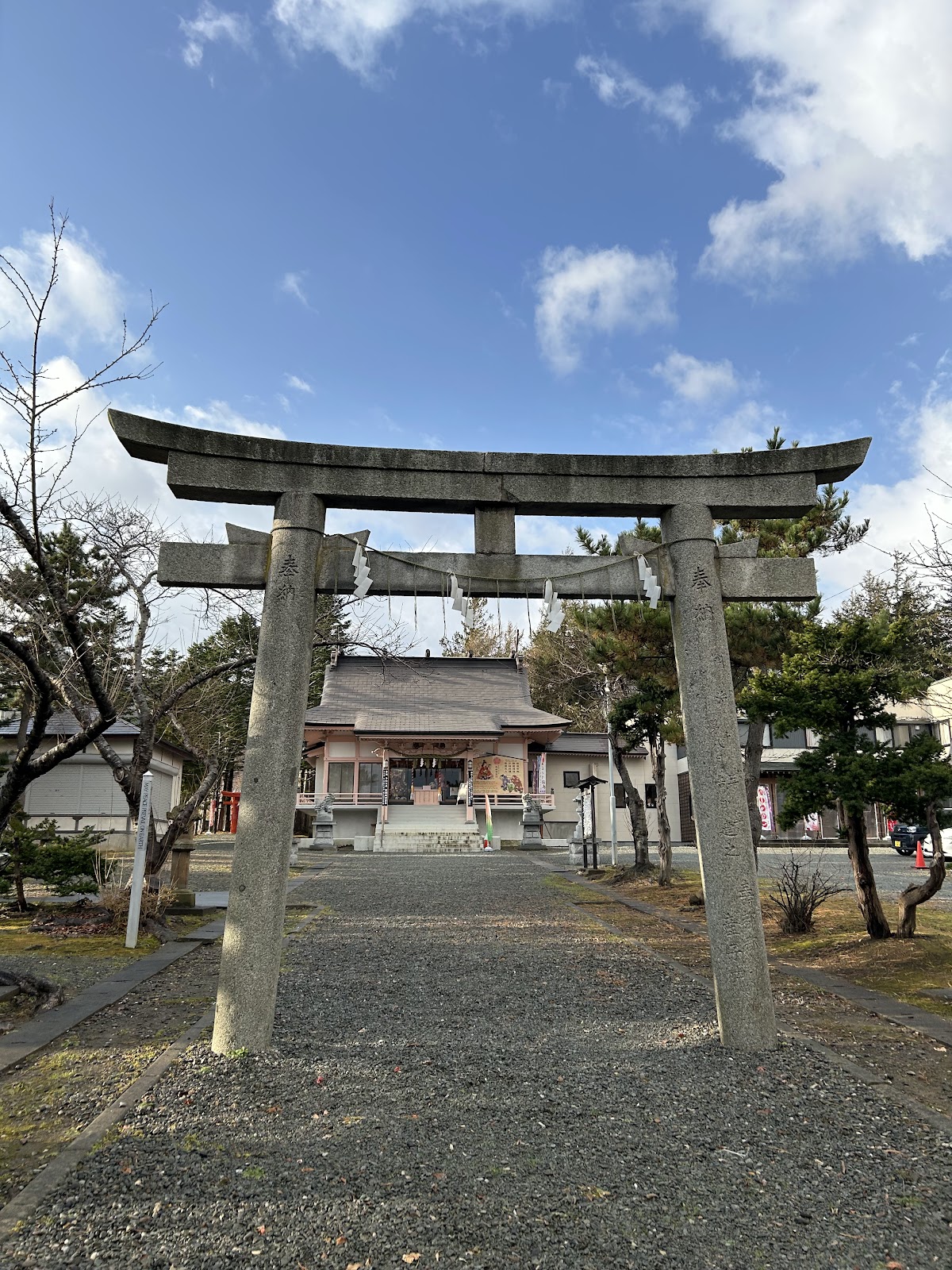
The main deity of Suttsu Shrine is Ichikishima-hime no Mikoto, a goddess generally known as Benzaiten. Benzaiten is believed to bestow blessings such as maritime safety, traffic safety, improvement in performing arts, and financial prosperity, and has been particularly revered as the guardian deity of those who live by the sea. Benzaiten is also one of the Seven Lucky Gods, and is depicted as a beautiful celestial maiden. The pink color of the main hall of Suttsu Shrine is thought to be derived from the fact that this goddess is enshrined there.
Enshrined Deities: Ukanomitama-no-Mikoto and Toyoukehime-no-Mikoto
Along with the main deity, Ukanomitama-no-Mikoto and Toyoukehime-no-Mikoto are enshrined. Ukanomitama-no-Mikoto is known as the god of abundant harvests and business prosperity, while Toyoukehime-no-Mikoto is known as the goddess of food and grains. Prayers have been offered not only for fishing but also for the prosperity of agriculture and commerce. These deities, working together, have protected all aspects of the lives of the people of Suttsu.
Highlights of the Shrine Grounds
A Famous Cherry Blossom Spot
Suttsu Shrine is a beloved cherry blossom spot, one of the most renowned in the Shiribeshi region. In spring, the cherry trees on the grounds bloom all at once, creating a beautiful contrast between the pink main hall and the blossoms. It’s a popular spring attraction, drawing not only locals but also many tourists, and the grounds are enveloped in a vibrant atmosphere during the cherry blossom season.
Many people visit to take photographs during the cherry blossom season, enjoying the harmonious blend of the shrine’s historical atmosphere and natural beauty. In some years, the trees are illuminated at night, making it a rare spot to enjoy the magical sight of cherry blossoms after dark.
The Refreshing Sound of Wind Chimes
In summer, wind chimes are set up on the shrine grounds, welcoming visitors with their refreshing sounds. The sound of wind chimes is believed to have the power to ward off evil spirits, and has been thought to possess that power since ancient times. The sound emanating from the pale pink wind chimes provides a pleasant sense of coolness on hot summer days, soothing the hearts of visitors.
The wind chime trellis is a relatively new addition, but it has already become a summer tradition at Suttsu Shrine and a popular photo spot on social media like Instagram. The sound of the wind chimes ringing with every breeze evokes the atmosphere of a Japanese summer.
Pink Main Hall
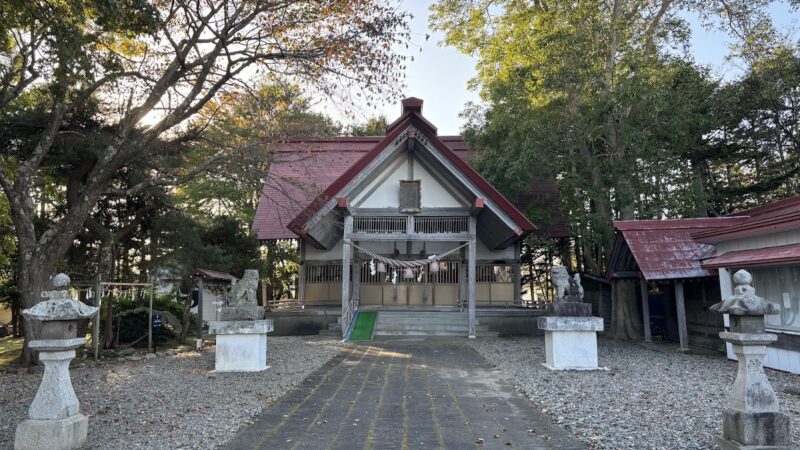
The main hall of Suttsu Shrine is painted in an unusual pink color, which is a major feature of the shrine. This color was likely chosen because the shrine enshrines Benzaiten, a beautiful celestial maiden, and is also a famous cherry blossom viewing spot. It’s an unusual color for a shrine in Hokkaido, leaving a strong impression on visitors.
The beautifully maintained grounds have an open atmosphere, making it approachable and easy to visit even for those who aren’t particularly fond of shrines. The wind chime trellis in front of the main hall gives the shrine an overall bright and cheerful impression.
Goshuin (Shrine Seal) Information
Features of the Goshuin
You can receive a goshuin (shrine seal) at Suttsu Shrine. The goshuin features the characters “万福” (manpuku), and the color of these characters changes monthly. Since you can receive a different colored goshuin (temple/shrine stamp) each time you visit, it offers a seasonal treat for goshuin collectors.
Suttsu Town has 14 temples and 9 shrines, and a sightseeing course called “Suttsu Goshuin Pilgrimage” has been established to visit each temple and shrine. Suttsu Shrine, as the oldest shrine in the Shiribeshi region, is a central part of this goshuin pilgrimage and attracts many visitors.
Goshuin Issuance Hours
Goshuin are issued during the hours the shrine office is open. However, depending on the size of the shrine and the presence of the chief priest, it may not always be possible to obtain a goshuin at all times. Therefore, if you want to be sure to receive a goshuin, it is recommended to contact the shrine in advance before visiting.
Annual Events and Grand Festival
Suttsu Shrine holds various Shinto rituals throughout the year. The Grand Festival, in particular, is an important local event, with many townspeople participating. The festivals praying for maritime safety, abundant catches, and bountiful harvests are traditions that have been passed down since the shrine’s founding.
The Shinto rituals are performed in accordance with Hokkaido’s annual events, starting with the first shrine visit of the New Year, followed by the spring Kinensai (harvest festival), the summer Natsukoshi no Oharae (summer purification ceremony), the autumn Reitaisai (grand festival), and the winter Niinamesai (harvest festival). These seasonal festivals are deeply rooted in the lives of the local people.
Location and Access Information
Location
Address: Oshima-cho, Suttsu-cho, Suttsu-gun, Hokkaido
Suttsu Shrine is located on the western shore of Suttsu Bay, in the town of Suttsu. Its central location makes it a convenient base for visiting local tourist attractions.
Transportation Access
Access from Sapporo
It takes approximately 2 hours 30 minutes to 3 hours by car from Sapporo to Suttsu. The most common route is to head towards Otaru via National Route 5, and then south on National Route 229 (Nihonkai Oiwake Soran Line).
Access from Otaru City
From Otaru City, it takes approximately 1 hour 30 minutes to 2 hours via National Route 5 and National Route 229. This route offers scenic views along the Sea of Japan.
Access from Hakodate City
From Hakodate City, it takes approximately 2 hours 30 minutes via National Route 5 and National Route 229. Access from southern Hokkaido is also possible, but caution is advised regarding snow and icy roads during winter.
Access from Niseko Town
From Niseko Town, which has recently developed into an international resort area, it takes approximately 1 hour to reach the destination. An increasing number of tourists are combining their visit with sightseeing in Niseko.
Access by Public Transportation
If using public transportation, you will need to take a bus from either Otaru Station or Kutchan Station on the JR Hakodate Main Line. However, since the number of buses is limited, it is recommended to check the timetable in advance. While there are local bus routes within Suttsu Town, renting a car is more convenient for sightseeing purposes.
Parking
There are parking spaces for visitors around the shrine. Except during peak seasons such as cherry blossom season and the annual festival, parking is relatively easy.
Nearby Tourist Attractions
Former Herring Mansion, Hashimoto Residence
This facility preserves the residence of a wealthy merchant from the heyday of herring fishing, and is a valuable cultural asset that conveys the prosperity of that time. It is within walking distance of Suttsu Shrine, and visiting both together will give you a deeper understanding of Suttsu’s history.
Visiting Temples and Shrines in Suttsu Town
As mentioned above, there are 14 temples and 9 shrines scattered throughout Suttsu Town, and there are established courses for collecting temple and shrine stamps (Goshuin). Each temple and shrine has its own unique history and story, offering insights into the religious practices of the era when herring fishing prospered.
Suttsu Bay and Coastline
Suttsu Bay, where the Bentenmaru, a ship involved in the founding of Suttsu Shrine, ran aground, still boasts a beautiful coastline. The magnificent scenery facing the Sea of Japan is a natural attraction that can be enjoyed in conjunction with a visit to the shrine.
Suttsu Town Webcams
Suttsu Town has installed webcams throughout the town, allowing you to check the town’s conditions in real time. This is convenient for planning your visit, as you can check the weather around Suttsu Shrine and the cherry blossom blooming status in advance. You can access the camera feeds from the official Suttsu Town website.
Especially during cherry blossom season and the wind chime display period, checking the local conditions before visiting will allow for a more fulfilling pilgrimage experience. You can also check snow conditions in winter, making it a useful guide throughout the year.
Points and Manners for Visiting the Shrine
Etiquette for Visiting the Shrine
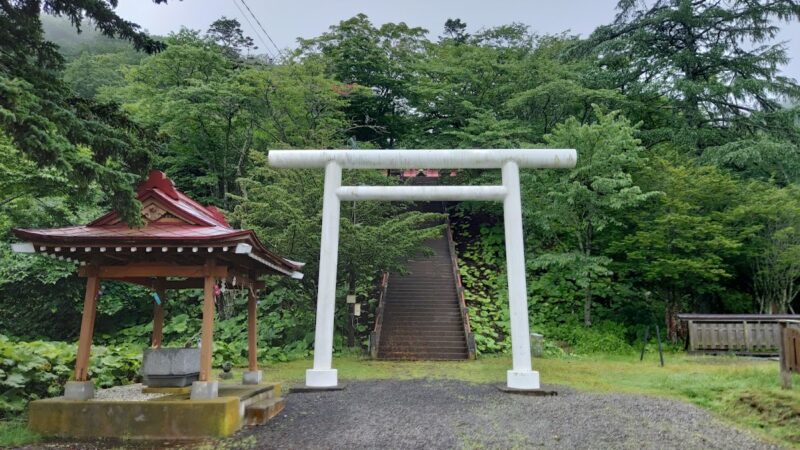
Visiting Suttsu Shrine follows the general etiquette for visiting a shrine. Bow before passing through the torii gate, purify your hands and mouth at the water basin, and then proceed to the main hall. At the main hall, perform the ritual of two bows, two claps, and one bow.
Photography
Photography is generally permitted on the shrine grounds, but consideration for other visitors is necessary. Especially during cherry blossom season and in summer when the wind chime display is open, many people visit to take photos, so please be considerate of others.
Clothing and Items to Bring
No special attire is required for visiting the shrine, but it’s best to avoid overly casual clothing. In summer, the sun is strong, so a hat and sunscreen are recommended. In winter, warm clothing is advised.
A Summary of the Charms of Suttsu Shrine
Suttsu Shrine is a multifaceted shrine with many attractions, including its historical value as the oldest shrine in the Shiribeshi region, its dramatic founding story related to the shipwreck of the Bentenmaru, its natural beauty as a famous cherry blossom viewing spot, the refreshing sound of wind chimes, and its reverence as a guardian deity of maritime safety.
Within its approximately 400-year history, it has attracted the faith of the people of Suttsu, who prospered from herring fishing, and remains a popular power spot in the region, attracting many visitors. Its convenient location, accessible from tourist destinations such as Sapporo, Otaru, and Niseko, makes it a worthwhile shrine to visit as part of a Hokkaido trip.
Suttsu Shrine displays different expressions throughout the seasons, offering a different charm each time you visit: cherry blossoms in spring, wind chimes in summer, autumn leaves, and snowscapes in winter. The shrine also offers the pleasure of having its goshuin (shrine stamp) color change monthly, making it a shrine you’ll want to visit again and again.
When you visit Suttsu Town, why not pay your respects to Benten, the guardian deity of maritime safety, at Suttsu Shrine, which boasts the oldest history in Shiribeshi? The time spent calming your mind in the tranquil temple grounds and reflecting on its long history will be a precious experience that allows you to forget the hustle and bustle of everyday life.