A Complete Guide to Akaiwa Inari Shrine | Hidden History and Visiting Information in Otaru
Akaiwa Inari Shrine, quietly nestled in the Akaiwa district of Otaru City, Hokkaido, is a shrine long cherished by the local community. While it’s located a little distance from the famous tourist spots of the Otaru Canal and Sakaimachi Street, and therefore less frequently visited by tourists, its history and deep connection to the community are noteworthy. This article provides a detailed explanation of everything you need to know about Akaiwa Inari Shrine, including its history, enshrined deities, access methods, and points to consider when visiting.
Basic Information on Akaiwa Inari Shrine
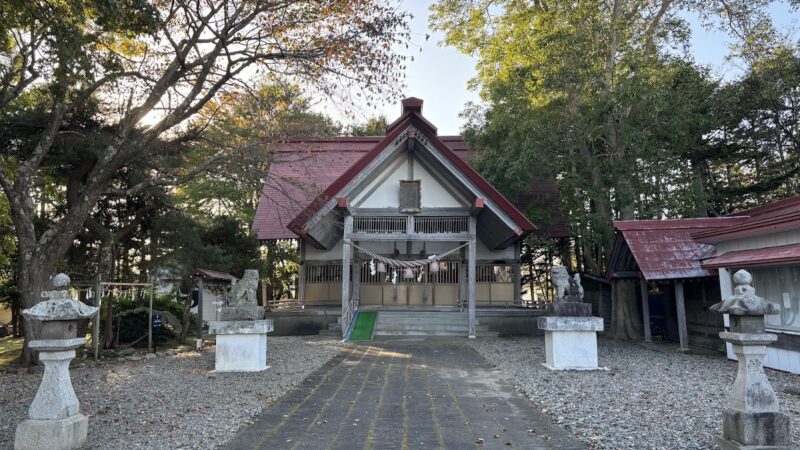
Akaiwa Inari Shrine is a shrine belonging to the Hokkaido Shrine Association and is located at 2-chome, Akaiwa, Otaru City. It has long been revered by local residents as a guardian deity of the region and as a shrine dedicated to Inari.
Location and Access
Location: 2-chome, Akaiwa, Otaru City, Hokkaido
For access to the shrine using public transportation, it’s convenient to take the Hokkaido Chuo Bus from Otaru Station. The following bus routes are available from the bus terminal in front of Otaru Station.
- Route 11, Shukutsu Line
- Route 42, Akaiwa Parute Chikko Line
- Route 12, Akaiwa Line
Take one of these buses and get off at the “Akaiwa 2-chome” bus stop. From the bus stop to the shrine is approximately a 3-4 minute walk, about 220 meters. The Akaiwa area is located in the northeastern part of Otaru city center, in a quiet residential area.
The bus journey from Otaru Station takes approximately 15-20 minutes, depending on traffic conditions. If you are coming by car, parking is limited around the shrine, so it is recommended to check in advance.
Annual Festival and Events
The annual festival of Akaiwa Inari Shrine is held on a fixed date each year. The annual festival is the most important event for the shrine, a Shinto ritual to express gratitude to the enshrined deity and pray for the peace and prosperity of the region.
At Inari shrines, the Hatsuumasai festival is generally considered an important event, and many Inari shrines hold festivals on the first day of the horse in February. It is possible that Akaiwa Inari Shrine also holds festivals in accordance with local traditions.
History and Origins of Akaiwa Inari Shrine
The history of Akaiwa Inari Shrine is closely intertwined with the development of Otaru. According to records of the Hokkaido Shrine Association, it is said that a small shrine had been worshipped in the mountains of Akaiwa since ancient times, even before the shrine’s founding, but its detailed origins remain unknown.
Founding in the Early Showa Period
The shrine was built at its current location around Showa 2 (1927). During this period, Otaru was developing into one of Hokkaido’s leading port cities, and many people had come to reside in the Akaiwa area.
Local volunteers took the lead in constructing a shrine dedicated to the Inari deity. This demonstrated the faith of the local residents and the unity of the community. At that time, Otaru flourished with fishing, commerce, and shipping, and it is evident that the belief in Inari, the god who presides over business prosperity and abundant harvests, was deeply rooted among the people.
Construction in 1965
Approximately 40 years after its founding, in 1965, the shrine underwent a major transformation. Through the service of local people, including Mr. Suetaro Hashiba and Mr. Shigezo Matsuda, the current shrine buildings and other facilities were constructed.
This construction project was realized through the dedicated service of local residents, demonstrating that Akaiwa Inari Shrine was a central presence in the local community. The 1960s were a period of rapid economic growth in Japan, and urban infrastructure development was progressing in Otaru. The fact that the shrine, a spiritual center of the community, was renovated during this period demonstrates the strength of the residents’ faith.
Legend of Mt. Akaiwa and the Small Shrine
There is a legend that a small shrine existed on Mt. Akaiwa before the current shrine was built. While the detailed history is unknown, it is presumed that there was some kind of object of worship in this area from ancient times.
Many shrines in Hokkaido were founded during the Meiji era and later in conjunction with settlement, but there are also many places where the beliefs of the Ainu people or the simple forms of worship from the early days of Japanese settlement existed before that. The small shrine on Mt. Akaiwa may also represent a part of such history.
Deity and Inari Worship
The deity enshrined at Akaiwa Inari Shrine is Inari-sama. Inari-sama is one of the most widely worshipped deities throughout Japan, and its worship has diverse aspects.
What is Inari-sama?
The representative deity of Inari-sama is Ukanomitama-no-kami, who has been revered as the god of grain, especially rice. The name “Inari” itself is said to originate from “Inari” (rice harvest) and “Inari” (rice growing), and its fundamental character lies in its role as an agricultural deity presiding over abundant harvests.
However, with the passage of time, Inari worship has diversified, and it has come to attract worship as a deity of various occupations and aspects of life, such as:
- Farmers: God of rice, god of abundant harvests
- Merchant families: God of business prosperity
- Fishermen: God of bountiful catches, god of maritime safety
- Blacksmiths: God of fire, god of technology
Otaru is a city that developed as a port town, and commerce and fishing were thriving. It is believed that Akaiwa Inari Shrine reflects these regional characteristics and has been worshipped as a shrine that accepts diverse wishes, such as business prosperity, maritime safety, and prayers for bountiful catches.
Characteristics of Inari Shrines
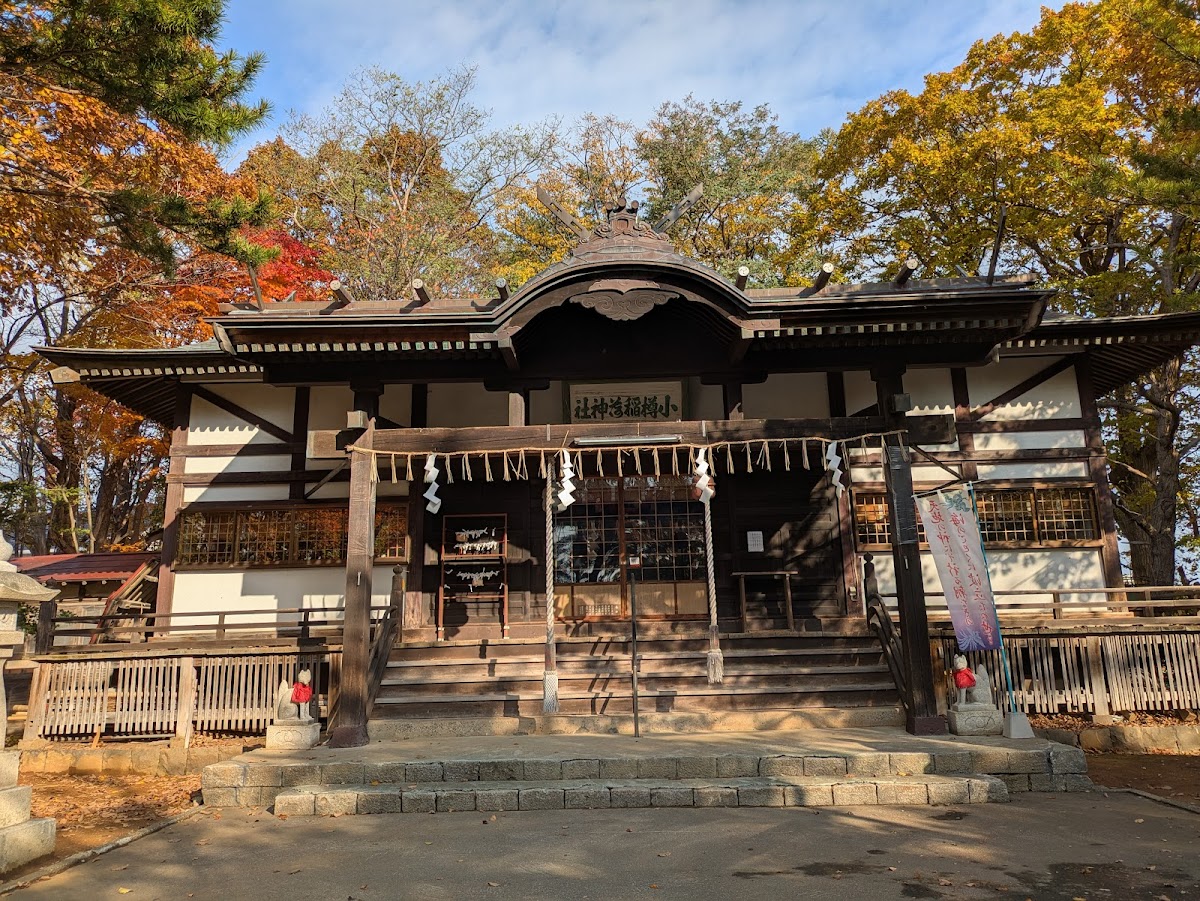
The most well-known symbols of Inari shrines are the vermilion torii gate and the fox statues. Foxes are considered messengers of Inari, the god of rice, and many Inari shrines have fox statues on their grounds.
Vermilion (or vermilion) has been considered a color symbolizing protection against evil and vitality since ancient times, and has been used in shrine architecture to indicate a sacred space. Inari shrines, in particular, are characterized by the landscape of rows of vermilion torii gates.
Historical Background of Otaru City and the Akaiwa District
To understand Akaiwa Inari Shrine, it is important to know the historical background of Otaru City and the Akaiwa district.
Development of Otaru
From the Meiji era to the early Showa era, Otaru prospered as the gateway to the development of Hokkaido and as one of the leading commercial cities in Hokkaido. Especially from the late Meiji era to the Taisho era, finance and commerce developed so much that it was called the “Wall Street of the North,” with many banks and trading companies lining the streets.
Otaru Port functioned as an important port connecting Hokkaido and Honshu, and during the peak of the herring fishing season, so much wealth accumulated that luxurious buildings known as “herring mansions” were built. With this economic development, Otaru’s population increased and its urban area expanded.
The Positioning of the Akaiwa District
The Akaiwa district is located in the northeastern part of Otaru City, a residential area slightly inland from Otaru Port. While it is far from the central areas of Otaru, such as Sakaimachi and the Canal District, it has developed as a living area for the city’s residents.
The name “Akaiwa” is thought to originate from the geological characteristics of this area. Several place names in Hokkaido bear the name “Akaiwa,” often given to areas where reddish-brown rocks or geological formations can be found.
The establishment of the Akaiwa Inari Shrine in the early Showa period suggests that a certain population had accumulated in this area and a community had formed. The shrine served not merely as a religious facility, but also as a place for interaction among local residents and as the spiritual center of the community.
Points to Note and Highlights for Visitors
This section explains points to note when visiting the Akaiwa Inari Shrine and highlights of the shrine grounds.
Etiquette for Visiting a Shrine
The basic etiquette for visiting a shrine is as follows:
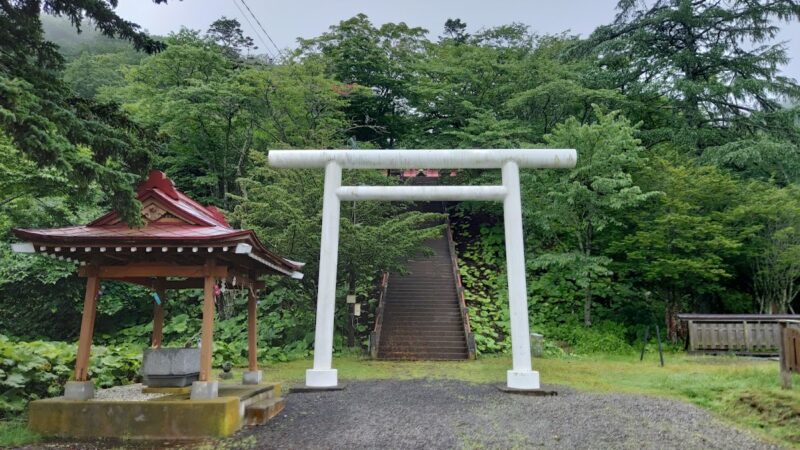
- Bow before passing through the torii gate: As a sign of respect before entering the sacred area, bow before the torii gate.
- Purify yourself at the water basin: If there is a water basin, scoop water with the ladle and purify your left hand, right hand, and mouth in that order.
- Walk along the approach: The center of the approach is considered the path of the gods, so it is polite to walk along the sides.
- Worship at the main hall: The basic etiquette is two bows, two claps, and one bow.
- First, bow deeply twice.
- Next, clap your hands twice.
- Finally, bow deeply once.
Atmosphere of the Shrine Grounds
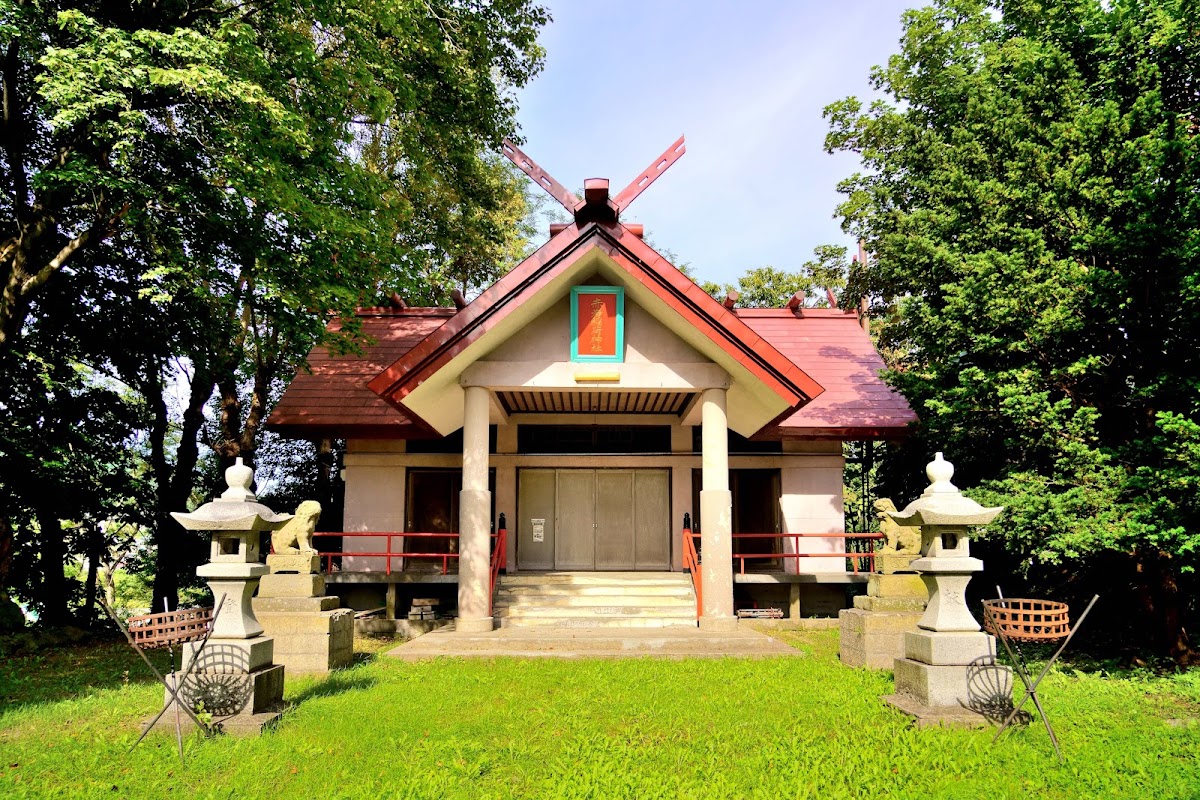
Akaiwa Inari Shrine is a small shrine located in a residential area, but it is characterized by its quiet and peaceful atmosphere. Unlike the bustling tourist center of Otaru, this shrine exudes a tranquil atmosphere, characteristic of a place deeply rooted in the community.
The shrine building, constructed in 1965, has been carefully maintained through the service of local residents. While not large in scale, the meticulously cared-for grounds reflect the deep reverence and affection the local community has for the shrine.
Nearby Attractions
When visiting Akaiwa Inari Shrine, it’s recommended to combine it with other sightseeing spots in Otaru.
Otaru Canal: A representative tourist attraction of Otaru, where retro warehouses line the canal. At night, gas lamps illuminate the area, creating a romantic atmosphere.
Sakaimachi Street: A shopping street lined with shops selling glass crafts, seafood, sweets, and more. Many of Otaru’s historical buildings remain here.
Otaru City Museum: A museum where you can learn about the history of Otaru and its railways. You can learn about the history of railway development in Hokkaido.
Shukutsu Area: A fishing village located in the northern part of Otaru, home to the Otaru Aquarium and the Herring Mansion. Some bus routes to Akaiwa Inari Shrine also go towards Shukutsu, making it possible to visit both on the same day.
Otaru Shrine Pilgrimage
Besides Akaiwa Inari Shrine, many other shrines are located within Otaru City. For those who enjoy shrine pilgrimages, the following shrines are also recommended:
Otaru Sumiyoshi Shrine
This shrine is revered as the guardian shrine of Otaru City and is situated on a hill overlooking Otaru Port. As a deity of safe voyages and maritime safety, it is a fitting shrine for the port town of Otaru.
Ryugu Shrine
Located in Inaho, Otaru City, this shrine has a history of being founded to pray for maritime safety after Enomoto Takeaki, who, despite encountering a shipwreck on his way to Ezo (Hokkaido), safely reached Otaru.
Suiten-gu Shrine
Located on a hill in Aioi-cho, Otaru City, this shrine is worshipped as the god of safe childbirth and child-rearing. From the shrine grounds, you can enjoy a panoramic view of Otaru’s cityscape and harbor.
Visiting these shrines allows you to understand Otaru’s history and forms of faith from multiple perspectives. You will be able to feel the unique history of each shrine and its connection to the local community.
Characteristics of Hokkaido Shrines
Shrines in Hokkaido, including Akaiwa Inari Shrine, have characteristics that differ from those of shrines on Honshu.
Development and Shrines
Many shrines in Hokkaido were founded in conjunction with development after the Meiji era. The settlers received divided spirits from their hometown shrines and built shrines in their new lands, praying for the success of their development and the peace of the region.
Akaiwa Inari Shrine was founded in 1927 (Showa 2), making it relatively new in the history of Hokkaido’s development. However, the tradition that a small shrine existed on Mt. Akaiwa before that suggests that some kind of faith existed in this area from an earlier period.
Akaiwa Inari Shrine was founded in 1927 (Showa 2), making it relatively new in the history of Hokkaido’s development. ### Center of the Local Community
Many shrines in Hokkaido are closely intertwined with the formation of local communities. During the arduous task of pioneering, shrines served as spiritual anchors and important gathering places for residents.
The fact that the founding and construction of Akaiwa Inari Shrine were carried out through the service of local volunteers demonstrates that the shrine was a symbol of community unity.
Relationship with the Hokkaido Shrine Association
The Hokkaido Shrine Association is an organization that encompasses shrines throughout Hokkaido, providing support for shrine management, training of Shinto priests, and promoting Shintoism. Akaiwa Inari Shrine is also affiliated with the Hokkaido Shrine Association, and information is available on its official website.
The Hokkaido Shrine Association website allows you to search for detailed information on shrines throughout Hokkaido, making it a useful resource when planning a shrine pilgrimage.
Spread of Inari Worship
The Inari deity enshrined at Akaiwa Inari Shrine is the most widely worshipped deity in Japan. There are said to be over 30,000 Inari shrines nationwide, with Fushimi Inari Taisha in Kyoto being the head shrine.
The Evolution of Inari Worship
Inari worship is believed to have originated in Fushimi, Kyoto, during the Nara period, and initially had a strong character as an agricultural deity. However, from the Heian period onward, the faith spread among the nobility and samurai, and the character of a commerce deity also emerged.
During the Edo period, Inari worship became widespread among common people, and it came to be worshipped as a god that grants various wishes, such as business prosperity, family safety, and fire prevention.
Inari Worship in Hokkaido
The spread of Inari worship to Hokkaido was brought by immigrants from Honshu. These pioneers received a divided spirit from their hometown Inari shrines, built shrines in Hokkaido, and prayed for success in their new land.
In commercial cities like Otaru, Inari worship was popular among merchants who prayed for business prosperity. Also, in areas where fishing was prevalent, fishermen prayed to Inari for bountiful catches and safety at sea.
Akaiwa Inari Shrine has played a vital role in Hokkaido’s Inari faith, accommodating the diverse wishes of local residents.
The Significance of Akaiwa Inari Shrine in Modern Times
Let’s consider the significance of small, community-based shrines like Akaiwa Inari Shrine in modern society.
A Spiritual Hub for the Community
In today’s society, marked by population decline and aging, maintaining local communities is a major challenge. Shrines serve as gathering places for local residents, playing a vital role in maintaining community cohesion.
Through events such as annual festivals and New Year’s visits, residents who don’t usually interact much can meet face-to-face and reaffirm their community bonds. Akaiwa Inari Shrine continues to be an important presence for the Akaiwa district community.
Inheritance of History and Tradition
Shrines also serve to convey the history of the region. The history of the founding and construction of Akaiwa Inari Shrine tells the story of Otaru and the Akaiwa district from the early Showa period to the high economic growth era.
The spirit of service embodied by our predecessors, such as Suetaro Hashiba and Shigezo Matsuda, is a value that should be passed down to us living today. Visiting a shrine allows us to connect with the region’s history and the aspirations of our ancestors.
A Place of Peace
In today’s busy life, shrines offer a place of peace. By praying in the quiet grounds, we can escape the hustle and bustle of daily life and have time to reflect on ourselves.
Small shrines like Akaiwa Inari Shrine have a simple and approachable atmosphere, unlike the large, tourist-oriented shrines. They will be a place of peace not only for local residents but also for visitors to Otaru.
Precautions and Manners When Visiting
Here’s a summary of precautions and manners when visiting Akaiwa Inari Shrine.
Clothing and Belongings
While no special clothing is required for visiting a shrine, it is desirable to dress appropriately, as it is a sacred place. Avoid overly revealing or dirty clothing.
Winters in Hokkaido are extremely cold, so please take thorough precautions against the cold if you are visiting during the winter months. Also, if there is snow on the ground, we recommend wearing non-slip shoes.
Photography
Photography is generally permitted on the shrine grounds, but please observe the following points:
- Refrain from taking photos inside the main hall or in sacred areas.
- Be considerate of other worshippers.
- Use flash sparingly.
- Always obey any signs prohibiting photography.
Visiting Hours
Shrines are generally recommended to be visited during the daytime. Visiting at night or early in the morning requires consideration for nearby residents.
Taking Your Trash Home
To keep the shrine grounds clean, please be sure to take your trash home with you. Shrines are maintained by local residents, and the manners of each visitor are important.
Summary
Akaiwa Inari Shrine is a historical shrine located in the Akaiwa district of Otaru City, Hokkaido. Founded in 1927 by local volunteers, the current shrine building was constructed in 1965 through the efforts of Mr. Suetaro Hashiba, Mr. Shigezo Matsuda, and others.
The shrine enshrines Inari, the god of rice, and has received diverse prayers from local residents for things like abundant harvests, business prosperity, and maritime safety. Located about 15-20 minutes by Hokkaido Chuo Bus from Otaru Station, and a 3-4 minute walk from the “Akaiwa 2-chome” bus stop, it sits in a quiet residential area.
While it’s away from the famous tourist spots of Otaru Canal and Sakaimachi Street, it offers a tranquil atmosphere characteristic of a community-based shrine, and a place where you can feel the history of the area. It’s a shrine worth visiting as part of a tour of Otaru’s shrines, and as a place to learn about the history of Hokkaido’s development and faith.
Akaiwa Inari Shrine will continue to be cherished by the people of the Akaiwa district as a spiritual center of the community and a place that conveys the spirit of service of their ancestors. When you visit Otaru, be sure to stop by this hidden historical site.