Osamunai Shrine: A Local Shrine in Fukagawa City, Hokkaido, Associated with the Tondenhei (frontier soldiers) | Complete Guide to History, Deities, and Blessings
About Osamunai Shrine
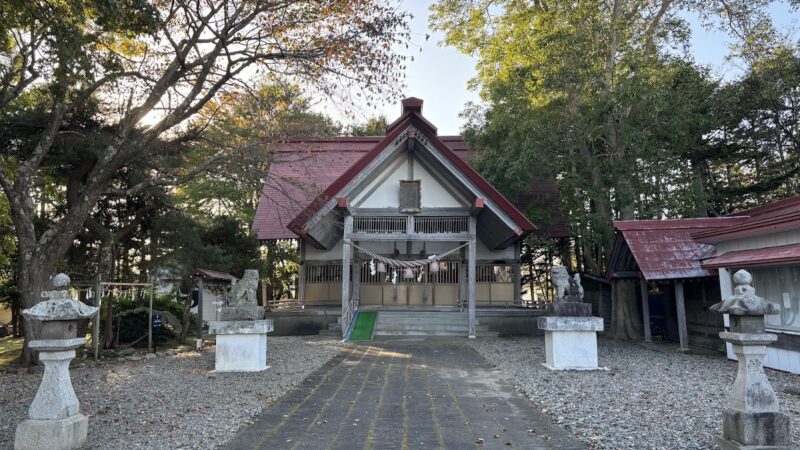
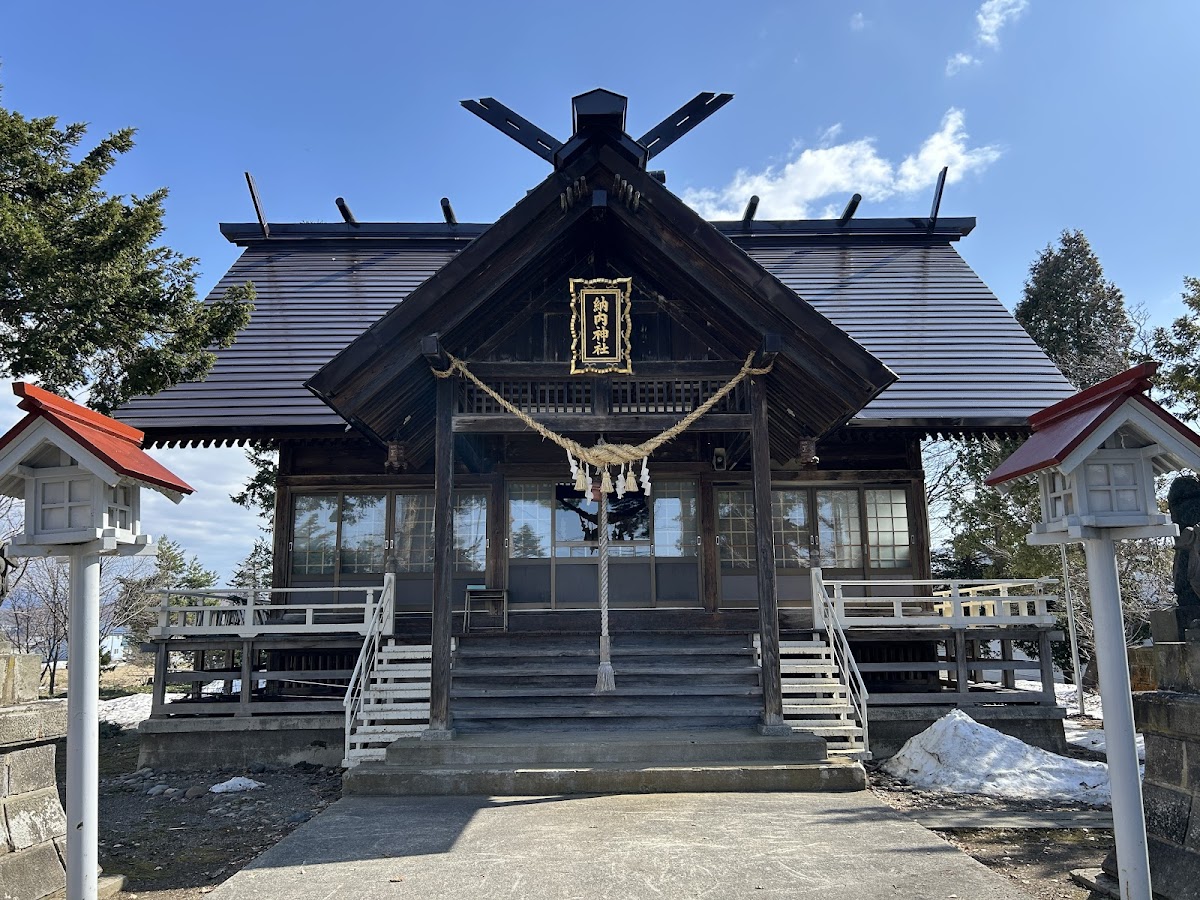
Osamunai Shrine is a shrine located in Osamunai-cho, Fukagawa City, Hokkaido. It is a historically significant shrine deeply connected to the history of settlement by Tondenhei during the Meiji era, and currently serves as a religious corporation and a center of local faith.
Among the shrines established during Hokkaido’s pioneering period, it boasts a history of being officially recognized as an unranked shrine in 1906 (Meiji 39), promoted to a village shrine in 1923 (Taisho 12), and elevated to a regional shrine in 1938 (Showa 13). It is known as a prestigious shrine belonging to the Hokkaido Shrine Association.
Located near Osamunai Station, close to the center of Fukagawa City, it is affectionately known as “Osamunai Shrine” by local residents. The shrine grounds contain numerous monuments and sacred trees that tell the story of the pioneering period, making it a valuable cultural heritage site that conveys the history of Hokkaido’s development to the present day.
Deities and Blessings of Nounai Shrine
Deities
The deity enshrined at Nounai Shrine is Amaterasu Omikami. Amaterasu Omikami is the supreme deity in Japanese mythology and is revered as the ancestral deity of the Imperial Family. As the deification of the sun, she presides over the source of life, national peace and security, and abundant harvests.
Benefits
At Nounai Shrine, which enshrines Amaterasu Omikami, the following benefits are expected:
- National Peace and Regional Prosperity: Peace and development of the region through the divine virtue of Amaterasu Omikami
- Abundant Harvest: Prosperity of industries, primarily agriculture
- Family Safety: Health and happiness of the family
- Good Fortune and Prosperity: Good fortune in new ventures and life milestones
- Protection from Misfortune: Protection from disasters and bad luck
As a shrine that has overcome the difficult history of pioneering by Tondenhei (frontier soldiers), many visitors come to pray for strength to face difficulties and success in new lands.
History of Nounai Shrine
Meiji Period: The Era of Pioneering and Shrine Founding
The history of Nounai Shrine is closely linked to the pioneering of Hokkaido during the Meiji era.
1895 (Meiji 28): Nounai Soldier Village was established. In this year, a “Pioneering Memorial Monument” was erected at the foot of Mt. Shobu, and May 15th, the day the village was established, was designated as a commemorative day.
1896 (Meiji 29): The village founding anniversary festival began. This festival became an important event for fostering unity and love for the homeland among the settlers amidst the harsh pioneering life.
1898 (Meiji 31): In connection with the anniversary festival, volunteers erected a small shrine on the slopes of Mt. Shobu and enshrined Amaterasu Omikami. This is the origin of Nōnai Shrine. As a spiritual anchor in the pioneering area, the existence of the shrine held great significance for the settlers.
1902 (Meiji 35): The Uryu Tondenhei (frontier soldiers) were incorporated into the reserve. Taking this opportunity, volunteers from Nōnai Village, including Shin-Ima Tamekichi, selected the current site, which had been common land for the soldiers’ settlement, as the site, erected a small shrine, and enshrined Amaterasu Omikami from Mt. Shobu. 1904 (Meiji 37): A plan for the construction of the shrine buildings was drawn up, and the main hall and worship hall were completed in August. This was also the year the Russo-Japanese War began, and the shrine’s importance increased as a place to pray for the continued good fortune of soldiers going off to war.
1906 (Meiji 39): To establish the shrine’s basic assets, the shrine petitioned the commander of the 7th Division and received 22 cho (approximately 22 hectares) of undeveloped land. On April 27th of the same year, it was officially recognized as the unranked Nōnai Shrine, beginning its journey as a formal shrine.
Taisho and Showa Periods: Promotion of Shrine Rank
1923 (Taisho 12): The shrine was designated a village shrine. This indicates the recognition of the shrine’s importance in the region.
1938 (Showa 13): The shrine was promoted to a regional shrine. The promotion from village shrine to regional shrine signifies the increasing status and influence of the shrine in the region. 1946 (Showa 21): Following the enactment of the Religious Corporations Law after the war, it became a religious corporation.
Modern Era: A Center of Local Faith
Even today, Nounai Shrine remains the tutelary shrine of the Nounai district in Fukagawa City, attracting the faith of local residents. Through annual events and festivals, it plays a vital role in supporting the unity of the local community.
Highlights of the Shrine Grounds
The Sacred Japanese Yew Tree
Within the shrine grounds stands a sacred Japanese yew tree (Onko), estimated to be over 100 years old. “Mizumatsu” is another name for the Japanese yew, and in Hokkaido, it is affectionately known as “Onko.” This sacred tree is a living witness that has watched over this land since the pioneering days, deeply impressing visitors.
The large Japanese yew is said to have existed on the shrine grounds since its founding, and its growth, enduring the harsh Hokkaido climate, seems to symbolize the indomitable spirit of the pioneers.
Historical Monuments
Within the grounds of Nounai Shrine, several valuable monuments stand, conveying the history of the pioneering era:
Monument to the Loyal Souls: This monument commemorates the spirits of those who lost their lives in wars, including the Russo-Japanese War. It celebrates the achievements of soldiers from the region and serves as a place to pray for peace.
Monument Commemorating the Founding of the Village: This monument commemorates the founding of the Nounai military settlement in 1895 (Meiji 28). Originally erected at the foot of Shobu Mountain, it has now been moved to the shrine grounds.
Monument Commemorating the Departure for the 1904 War: This monument commemorates the departure for the Russo-Japanese War in 1904 (Meiji 37). It reflects the harsh historical context of the time and the dedication of those who served their country.
These monuments are not merely historical relics; they also possess educational value, conveying the hardships of pioneering and the efforts of our predecessors to future generations.
Shrine Architecture
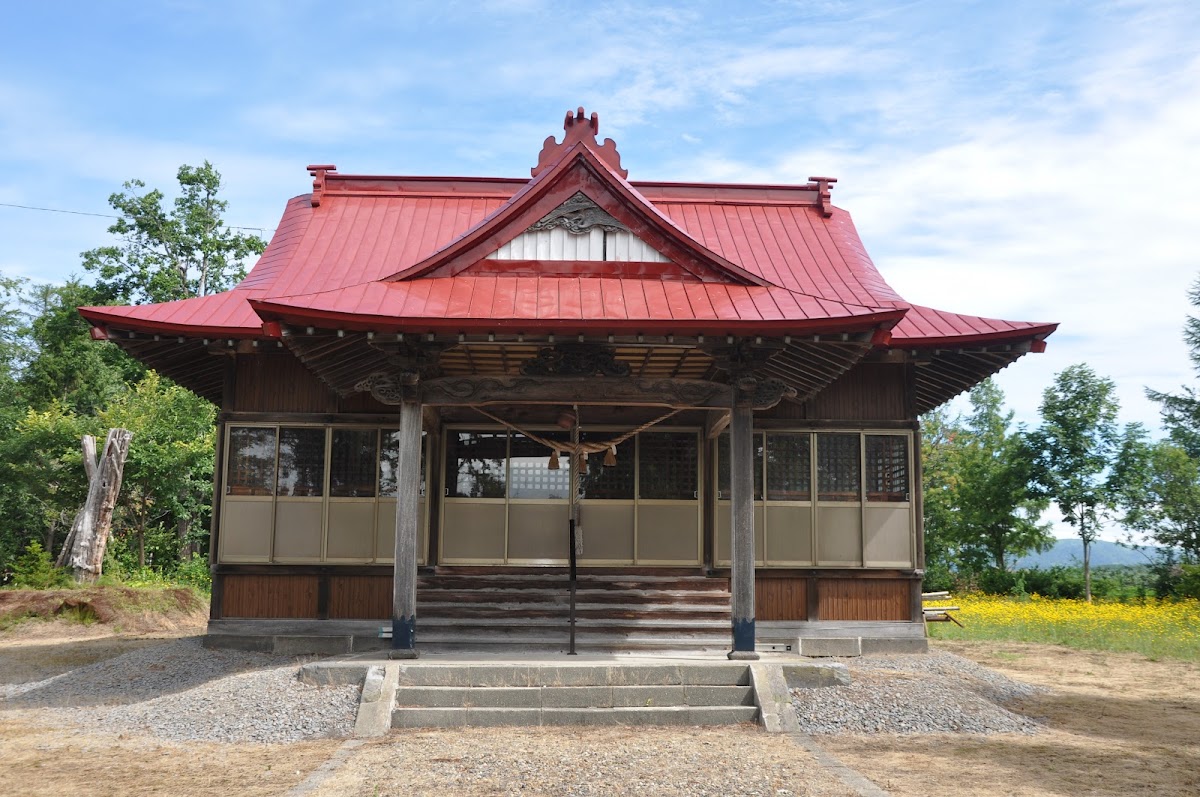
The main shrine and worship hall, built in 1904 (Meiji 37), retain the characteristics of shrine architecture from that era. Their simple yet dignified construction reflects the robust and practical spirit of the Tondenhei (frontier soldiers).
History of the Nōnai Military Village and the Tondenhei
What is the Tondenhei System?
The Tondenhei system was established during the Meiji era with the aim of simultaneously undertaking the development of Hokkaido and national defense. Soldiers and their families settled in Hokkaido, engaging in agriculture during peacetime and taking military action during times of emergency—a dual role.
Establishment of the Nōnai Military Village
In 1895 (Meiji 28), the Tondenhei village was established in Nōnai, Uryu District. Amidst the harsh natural environment, soldiers and their families cleared the wilderness and developed farmland.
May 15th, the day of their arrival, became an important day for Nōnai, marking the beginning of a new history, and was designated a commemorative day. The commemorative festival, which began the following year, Meiji 29 (1896), became an important event that strengthened the unity of the settlers and boosted their motivation for pioneering.
Shobu-yama Mountain and the Pioneer Memorial Monument
Simultaneously with the founding of the Nounai military settlement, the “Pioneer Memorial Monument” was erected at the foot of Shobu-yama Mountain. The name Shobu-yama itself represents the spirit of the Tondenhei (frontier soldiers) who respected martial arts.
This monument was erected to commemorate the determination to overcome the difficulties of the pioneering project and to record it for future generations. Currently, this monument has been moved to the shrine grounds, and it continues to convey the history of pioneering to this day.
Annual Events and Festivals
Various Shinto rituals and festivals are held at Nounai Shrine throughout the year.
Grand Festival
Every year, the Grand Festival, the most important festival for the shrine, is held. Local residents gather, and events such as the portable shrine procession and dedication ceremonies take place, making it an important opportunity to foster a sense of community.
Village Founding Anniversary Festival
Around May 15th, the anniversary of the village’s founding, commemorative events are sometimes held to remember the history of settlement. These are important events to remember the hardships of our ancestors and to renew our pride in our hometown.
New Year’s Visit and Exorcism
Many worshippers visit the shrine for their first shrine visit of the new year. Prayers for exorcism during unlucky years and Shichi-Go-San (a traditional Japanese rite of passage for children) are also accepted.
Access and Visiting Information
Location
Address: 3-chome, Nounai-cho, Fukagawa City, Hokkaido
Nounai Shrine is located in the heart of the Nounai district of Fukagawa City, close to Nounai Station. A post office and credit union are located across the street, making it a central location in the area.
Access
Access by Train:
- Approximately 5-10 minutes on foot from JR Hakodate Main Line “Nōnai Station”
- Approximately 5 minutes by train from Fukagawa Station to Nōnai Station
Access by Car:
- Approximately 10 minutes from Fukagawa city center via National Route 12
- Parking available (parking is possible on the shrine grounds or nearby)
Visiting Hours
Entry to the shrine grounds is generally free. For information regarding the shrine office’s operating hours, please inquire with the Hokkaido Shrine Association or a local tourist information center in advance.
Regarding Goshuin (Shrine Seals)
Regarding the issuance of Goshuin, it is recommended to check in advance, as a Shinto priest may not always be present. Inquiries can be made through the Hokkaido Shrine Association.
Nearby Attractions
Fukagawa City Tourist Spots
When visiting Nounai Shrine, it is recommended to also visit other tourist spots in Fukagawa City:
- Other Shrines in Fukagawa City: There are several historical shrines in the city, including Fukagawa Shrine.
- Agri Kobo Maabu: A facility where you can enjoy handmade soba noodles made with buckwheat flour from Fukagawa.
- Fukagawa City Pioneer Memorial Museum: A museum where you can learn about the history of Fukagawa’s pioneering.
Around Nounai Station
The area around Nounai Station is a quiet residential area, but some parts of the townscape retain the atmosphere of the former Tondenhei (frontier soldier) village. You can take a leisurely stroll and reflect on the history of the pioneering era.
Cultural Value of Nounai Shrine
A Living Witness to the History of Hokkaido’s Pioneering
Nounai Shrine is not merely a religious facility, but an important cultural heritage site that conveys the history of Hokkaido’s pioneering. The monuments and sacred trees on the shrine grounds tell the story of the hardships of pioneering in the Meiji era and the indomitable spirit of the pioneers who overcame them.
Historical Significance of the Tondenhei System
The Tondenhei system played a unique role in the development of Hokkaido. This system, which simultaneously pursued two objectives—military and development—made a significant contribution to Hokkaido’s growth. Nōnai Shrine is a valuable legacy that concretely demonstrates the history of this system.
Core of Regional Identity
Even today, Nōnai Shrine remains a core of the local residents’ identity. Through festivals and annual events, community bonds are strengthened, and pride in their hometown is nurtured.
Manners and Points for Visiting a Shrine
Basic Worship Etiquette
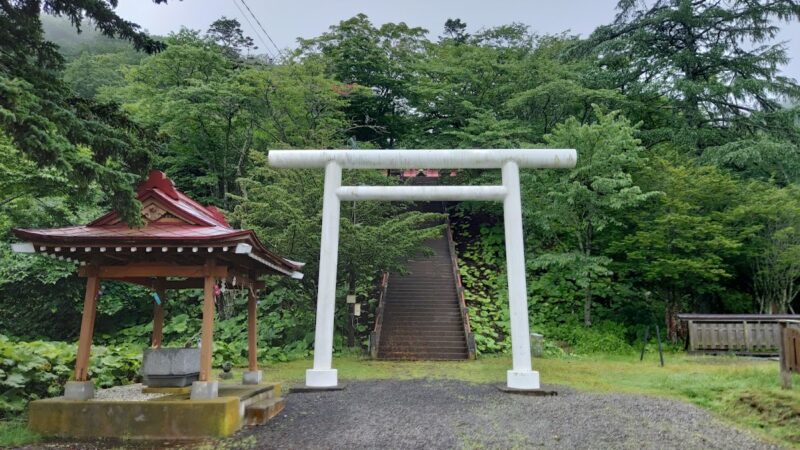
- Bow before passing through the torii gate: This is a courtesy before entering the sacred area.
- Purify yourself at the water basin: Purify your left hand, then your right hand, then your mouth.
- Avoid walking in the center of the path: The center is considered the path of the gods.
- Manners in front of the main hall: Two bows, two claps, and one bow are the basics.
Photography
Photography is generally permitted on the shrine grounds, but it is considered good manners to refrain from taking pictures inside the main hall or during Shinto rituals. Also, remember to be considerate of other worshippers.
Attire
There are no specific dress code regulations, but modest attire that reflects the sacred nature of the place is desirable.
Relationship with the Hokkaido Shrine Association
Nōnai Shrine belongs to the Hokkaido Shrine Association. The Hokkaido Shrine Association is an organization that oversees shrines throughout Hokkaido, responsible for their maintenance and operation, the training of Shinto priests, and the promotion of Shinto culture.
The Hokkaido Shrine Association’s website provides detailed information on shrines throughout Hokkaido, including Nōnai Shrine, which can be helpful when visiting.
Summary: The Significance of Visiting Nōnai Shrine
Nōnai Shrine, located in Nōnai-chō, Fukagawa City, Hokkaido, is a shrine deeply connected to the history of Meiji-era pioneering. It enshrines Amaterasu Ōmikami as its main deity and is a valuable cultural heritage site that conveys the history of pioneering by Tondenhei (frontier soldiers).
Historical monuments such as the sacred pine tree within the shrine grounds, the monument to the war dead, and the village founding monument tell the story of the hardships and achievements of the pioneers who survived the harsh pioneering period of the Meiji era. Its history of being promoted from an unranked shrine to a village shrine and then to a regional shrine demonstrates the increasing importance of the shrine in the region.
Its convenient location within walking distance of Nōnai Station is also an attractive feature, making it a must-visit spot when visiting Fukagawa City. By visiting the shrine while reflecting on the history of its pioneering, you can renew your gratitude to the pioneers who supported the development of Hokkaido.
Nōnai Shrine, which continues to be revered by local residents as the guardian shrine of the region, breathes with the grand history of Hokkaido’s development within its tranquil atmosphere.