Complete Guide to Kamui Shrine | Information on Goshuin (Shrine Seals), Access, and Festivals at a Historic Shrine in Asahikawa City, Hokkaido
Kamui Shrine, located in Kamioka, Kamui-cho, Asahikawa City, Hokkaido, is a historic shrine that has walked hand in hand with the history of development during the Meiji era. It is a rare and precious shrine, the only one of its kind in Japan, and has carved out a history of nearly 130 years as a spiritual center for the local people. This article thoroughly explains the detailed history of Kamui Shrine, information on goshuin (shrine seals), access methods, annual events, and other information you should know before visiting.
Basic Information on Kamui Shrine
Location and Access
Location: 331 Kamioka, Kamui-cho, Asahikawa City, Hokkaido
Kamui Shrine is located west of the center of Asahikawa City, surrounded by a rich natural environment. It can be accessed via Hokkaido Prefectural Road 90 (Asahikawa Ring Road) and Hokkaido Prefectural Road 72 (Asahikawa-Horokanai Line, formerly the Ban-Toyooka-Kamui Line).
Access by Public Transportation:
- Approximately 3.6 km from JR Asahikawa Station
- Approximately 7 minutes on foot from the “Kamui 7-jo 12-chome” bus stop on the Asahikawa Electric Railway Bus
Access by Car:
- Approximately 15 minutes by car from the center of Asahikawa City
- Parking available
Deities Enshrined
The following deities are enshrined at Kamui Shrine:
- Ōnamuchi-no-kami: Another name for Ōkuninushi-no-mikoto, known as the god of nation-building, matchmaking, agriculture, and commerce
- Sukunahikona-no-kami: A god who worked with Ōnamuchi-no-kami in nation-building, and the god of medicine, hot springs, and sake brewing
These two deities are said to have cooperated in developing the land and enriching people’s lives, as described in the Kojiki and Nihon Shoki. They are a fitting choice as the enshrined deities of Kamui Shrine, which has a history of developing Hokkaido.
Festival Date and Parishioner Information
- Festival Date: September 1st
- Number of Parishioner Households: Approximately 200 households
- Number of Worshippers: Numerous, mainly local residents
Every year on the festival day, the Kamui Shrine Grand Festival is held from 10:00 AM, and local people gather to celebrate grandly.
History and Origins of Kamui Shrine
Founding History (Meiji Era)
The history of Kamui Shrine begins in Meiji 27 (1894). In this year, pioneers who settled in Biei-cho, Kamui Village (present-day Kamui 2-jo 3-chome) with the ambition of developing Hokkaido built a small shrine seeking solace amidst the harsh pioneering life.
The settlers jointly held a festival, praying for the success of their development and the prosperity of the region. The site where this small shrine was built remains today as the “Kamui Shrine Remote Worship Site,” preserving the origins of Kamui Shrine.
Relocation and Development (Taisho Era)
In 1924 (Taisho 13), the shrine was relocated to its current location in Inozawa (Kamioka, Kamui-cho, Asahikawa City). This relocation allowed for the securing of a larger shrine grounds and the construction of a full-fledged shrine building. The shrine building was newly constructed in the traditional Shinmei-zukuri style, establishing its status as a center of local faith.
Formal Recognition as a Shrine (Early Showa Era)
On November 7, 1928 (Showa 3), the shrine received formal permission to establish itself through Ministry of Home Affairs Ordinance No. 20. This made Kamui Shrine a legally recognized shrine.
Furthermore, on August 29, 1929 (Showa 4), it was ranked as a village shrine**, establishing its status as an official shrine in the region. The designation as a village shrine signifies the official recognition of the shrine’s importance within the local community.
Post-War Development (Mid-Showa Era onward)
**In 1948 (Showa 23), following the enactment of the Religious Corporations Law after the war, Kamui Shrine was registered as a religious corporation and became affiliated with the Association of Shinto Shrines. This established a modern organizational structure for its operation.
In 1965 (Showa 40), the shrine building was renovated and the grounds were improved, enhancing the facilities.
Centennial Anniversary of the Shrine’s Founding (Heisei Era)
On September 1, 1993 (Heisei 5), a grand celebratory festival was held to commemorate the centennial of the shrine’s founding. As part of this commemorative project, large-scale renovations, including the repair of the shrine building’s roof, were carried out, strengthening the foundation of the shrine for the next century.
Information on Kamui Shrine’s Goshuin (Shrine Seal)
Location and Time of Goshuin Issuance
Kamui Shrine offers goshuin, but because there is no resident priest, the dates and times when they can be issued are limited.
Goshuin Issuance Dates:
- New Year’s Day (January 1st-3rd)
- Annual Grand Festival (September 1st)
- Other festival days
Issuance Locations:
- Main Shrine Office (Open only on festival days)
- Kamui Shrine Remote Worship Place (Kamui 2-jo 3-chome)
It is said that there are more opportunities to receive goshuin at the Kamui Shrine Remote Worship Place than at the main shrine. If you want to be sure to receive a goshuin, it is recommended to inquire in advance or visit on major festival days such as the Annual Grand Festival.
Characteristics of the Goshuin
Kamui Shrine’s goshuin has the shrine name and date of visit written in ink, and the shrine’s seal is stamped on it. As a valuable shrine with a history of Hokkaido’s development, its Goshuin (shrine stamp) is attracting attention among Goshuin collectors.
Amulets and Souvenirs
At Kamui Shrine, various amulets and souvenirs are distributed when the shrine office is open on festival days such as the annual festival and New Year’s Day.
Main souvenirs:
- Traffic safety amulet
- Family safety amulet
- Academic success amulet
- Health amulet
- Good fortune amulet
The amulets are meant to be received through the divine virtues of Ōkuninushi-no-kami and Sukunahikona-no-kami, and are used to pray for safety and prosperity in daily life.
About the Kamui Shrine Remote Worship Site
Historical Significance of the Remote Worship Site
The Kamui Shrine Remote Worship Site, located at Kamui 2-jo 3-chome, is the birthplace of Kamui Shrine, where the first small shrine was built in 1894 (Meiji 27). Even after the main shrine moved to its current location in 1924 (Taisho 13), this site was maintained as a remote worship site, preserving the historical origins of Kamui Shrine. ### The Role of the Remote Worship Place
The remote worship place is literally a place for worshipping the main shrine from afar. However, at the Kamui Shrine Remote Worship Place, it functions as:
- Issuance of Goshuin (stamped seals) (more frequently than at the main shrine)
- A place for daily worship
- A place of faith for local residents
Visiting both the main shrine and the remote worship place allows for a deeper understanding of Kamui Shrine’s 130-year history.
Annual Festivals and Events
Major Festivals
January 1st-3rd: New Year’s Festival
We welcome the new year and pray for safety and prosperity throughout the year. During this period, the shrine office is open and bustling with many first-time worshippers. Goshuin and amulets are also issued.
September 1st: Grand Festival
This is the most important annual event at Kamui Shrine. The Shinto ritual is performed from 10:00 AM, with local parishioners and devotees in attendance. The festival commemorating the founding of the shrine is held grandly every year.
Other Festivals
Besides the annual grand festival, the shrine may also hold seasonal festivals such as the spring festival and the autumn festival. Detailed schedules can be found on the shrine’s bulletin boards, local notice boards, and Asahikawa City’s public relations materials.
Highlights of the Shrine Grounds
Shrine Architecture
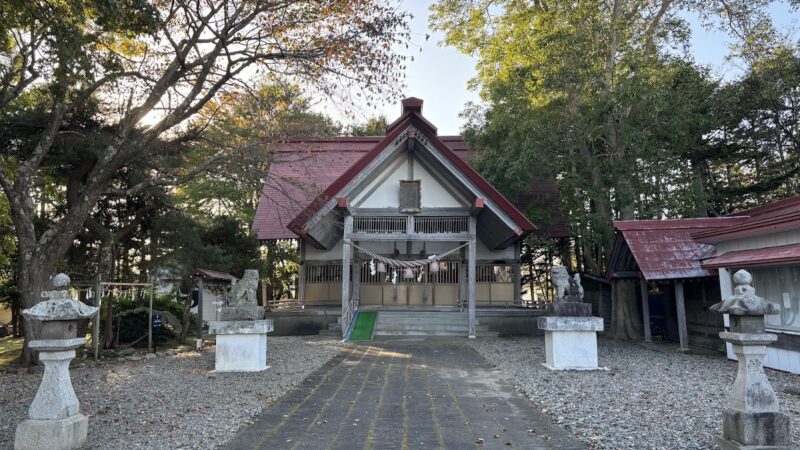
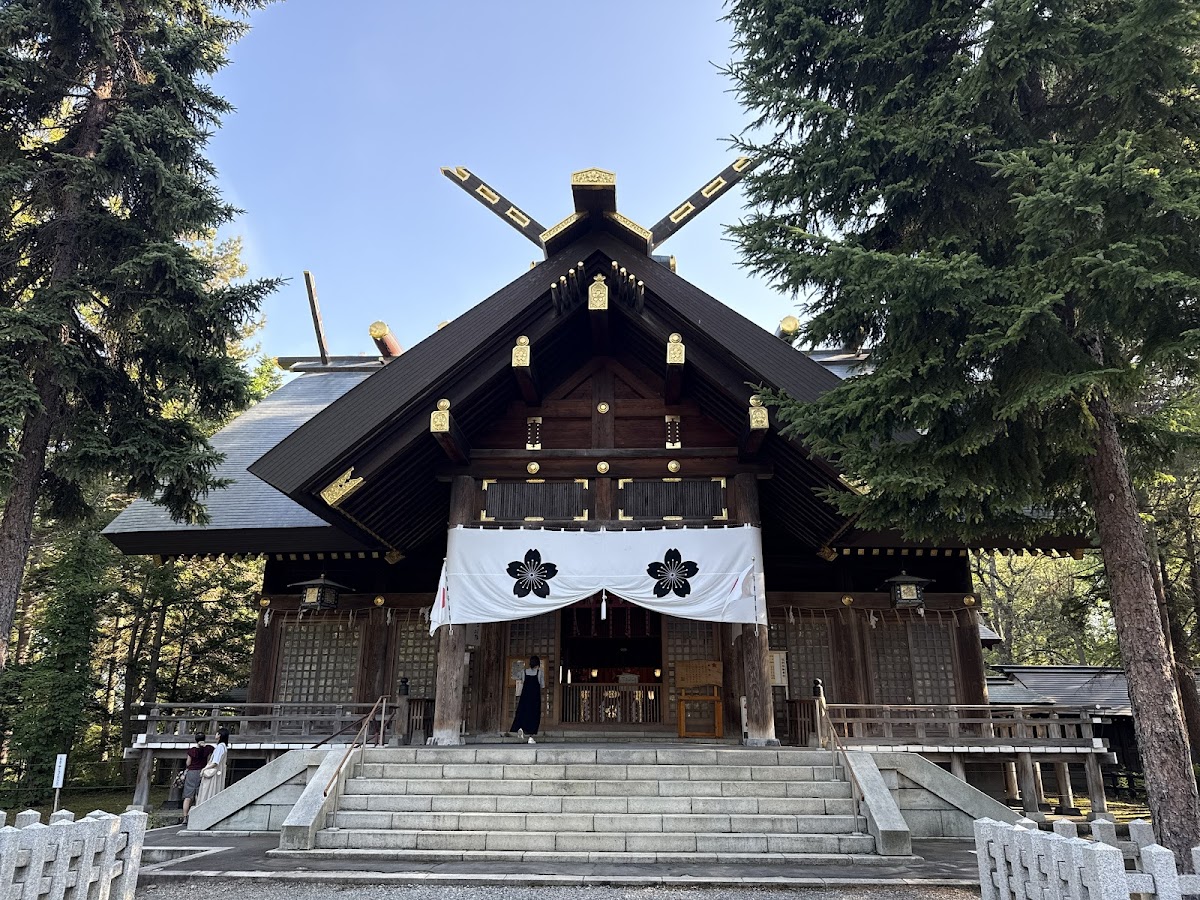
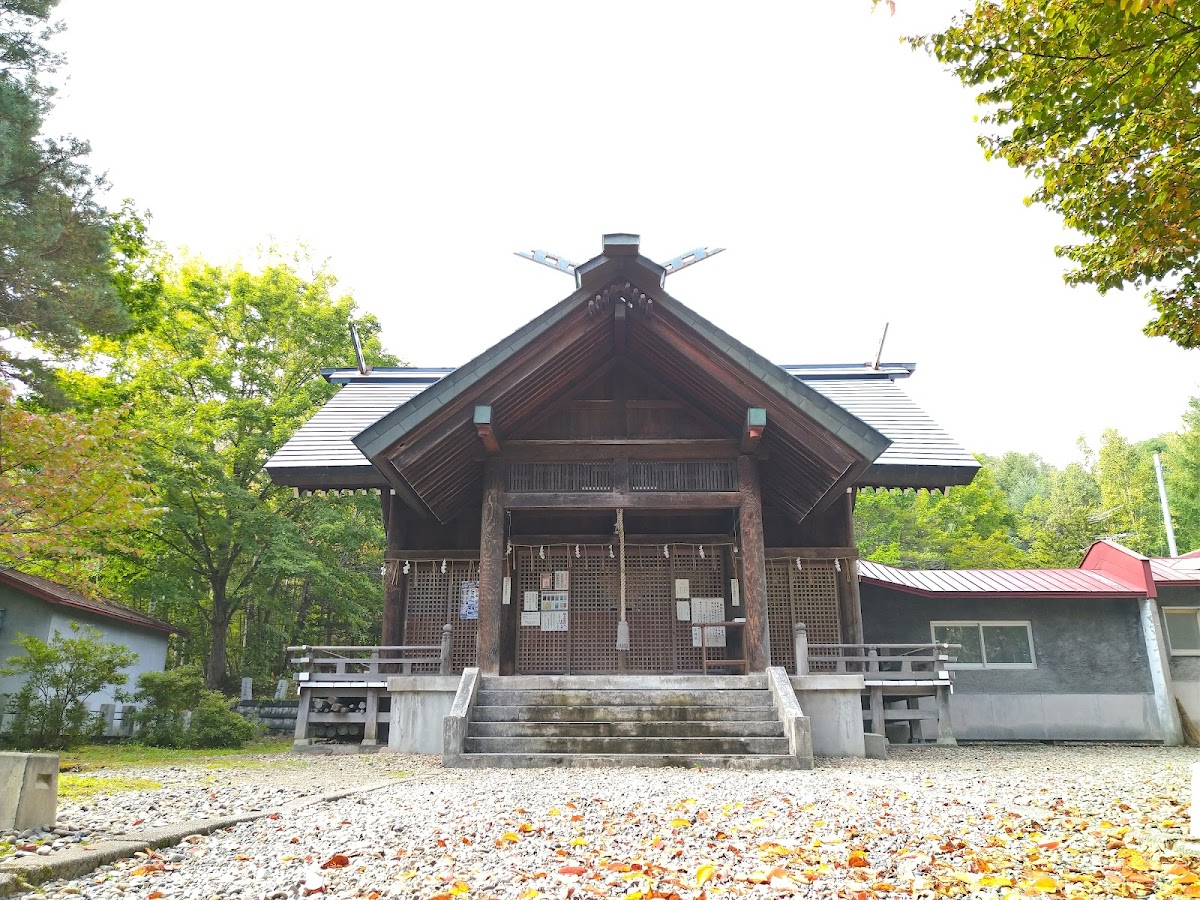
The shrine building of Kamui Shrine is constructed in the Shinmei-zukuri style. Shinmei-zukuri is one of the oldest shrine architectural styles in Japan, exemplified by Ise Grand Shrine, and is characterized by its simple and pure beauty.
The shrine building has been renovated in 1965 and its roof repaired in 1993, and is in excellent condition. The warmth and solemnity of the wooden architecture create a serene atmosphere for visitors.
Natural Environment of the Shrine Grounds
The grounds of Kamui Shrine are surrounded by abundant nature, and are particularly known for their beautiful cherry blossoms in spring. During cherry blossom season, the temple grounds are bathed in a soft pink hue, attracting many worshippers and flower viewers.
The temple grounds, where one can experience the changing seasons, are cherished by locals as a quiet place of prayer, far removed from the hustle and bustle of the city.
Approach and Torii Gate
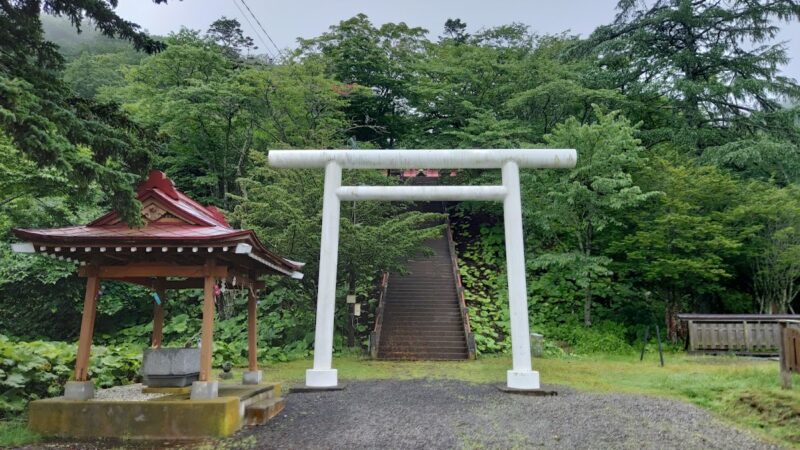
The approach to the temple grounds is well-maintained, and one passes through the torii gate to reach the main shrine building. Walking along the approach, one can compose oneself amidst the surrounding nature and tranquility, preparing oneself to approach the deity.
Divine Virtues and Faith at Kamui Shrine
Divine Virtues of Ōkuninushi-no-Mikoto
Ōkuninushi-no-Mikoto (Ōkuninushi-no-Mikoto) is known for the following divine virtues:
- Matchmaking: Connecting people with each other, with businesses, with land, and in all kinds of good relationships.
- Nation Building and Development: Guiding the success of new businesses and plans.
- Agricultural and Industrial Development: Abundant harvests and business prosperity.
- Family Safety: Harmony and prosperity within the family.
It is highly significant that the pioneers who undertook the monumental task of developing Hokkaido enshrined Ōkuninushi-no-Mikoto, the god of nation building.
Divine Virtues of Sukunahikona-no-Kami
Sukunahikona-no-Kami is worshipped for the following divine virtues:
- Medicine and Health: Healing from illness, longevity and good health
- Wisdom and Learning: Granting wisdom and assisting in academic success
- Sake Brewing and Production: Industrial development
- Hot Springs: Healing and health
In the harsh environment of the pioneering era, health and wisdom were paramount. The worship of Sukunahikona-no-Kami reflects the earnest wishes of the settlers.
Origin of the Place Name Kamui
The place name “Kamui” is believed to originate from the Ainu word “kamuy” (god). This region was a sacred place for the Ainu people, and its spirituality remains in the place name.
Several place names around Asahikawa, including Kamui Gorge, bear the name “Kamui,” conveying the ancient spirituality of this region to the present day. The name Kamui Shrine is also deeply connected to the sacredness of this land. ## Manners and Points for Visiting a Shrine
Basic Worship Etiquette
- Bow before passing through the torii gate: A courtesy before entering the sacred area.
- Avoid walking in the center of the path: The center is the path of the gods.
- Purify your body and mind at the water basin: Purify your left hand, right hand, and mouth in that order.
- Etiquette in front of the main hall: Two bows, two claps, one bow (the general etiquette of the Association of Shinto Shrines).
- Bow upon leaving: Turn around and bow before leaving the torii gate.
Points to Note When Visiting a Shrine
- When a Shinto priest is absent: Since there is no resident Shinto priest, pray quietly, place your offering in the offering box, and bow.
- If you wish to receive a Goshuin (shrine stamp): It is recommended to check the days when they are available in advance.
- Photography: Photography is generally permitted on the shrine grounds, but please refrain from taking pictures inside the shrine building or during Shinto rituals.
- Dress Code: For special ceremonies, formal or semi-formal attire is recommended.
Recommended Time to Visit
- Spring (Late April – Early May): The time when cherry blossoms are at their most beautiful.
- New Year’s Day (January 1st – 3rd): First shrine visit of the year; Goshuin (temple/shrine stamp) available.
- Annual Grand Festival (September 1st): The most important festival; Goshuin (temple/shrine stamp) available.
- Autumn (September – October): The time when autumn leaves are at their most beautiful.
Nearby Tourist Attractions
Kamui Kotan
A scenic spot located about 20 minutes by car from Kamui Shrine. Enjoy the beauty of the Ishikari River gorge and it is also known as a sacred site of Ainu culture. It is worth visiting in conjunction with a visit to Kamui Shrine, as it offers insight into the origins of the place name “Kamui.”
Tourist Attractions in Asahikawa City
- Asahiyama Zoo: Japan’s northernmost zoo, famous for its behavioral exhibits.
- Asahikawa Ramen Village: Enjoy Asahikawa ramen.
- Snow Museum: A museum themed around snow and ice.
- Otokoyama Sake Brewery Museum: Learn about Hokkaido’s sake culture.
Inquiries about Kamui Shrine
Since Kamui Shrine does not have a resident priest, direct inquiries may be difficult. For detailed information:
- Hokkaido Shrine Association: Provides information on shrines in Hokkaido, including Kamui Shrine.
- Asahikawa City Kamui Town Development Promotion Council: Provides local information.
- Kamui Shrine Official Instagram: Posts the latest information at @kamui.jinja.
You can check festival schedules and details about the issuance of Goshuin (shrine stamps) through these channels.
The Special Value of Kamui Shrine
The Only “Kamui Shrine” in Japan
Kamui Shrine is a rare shrine, the only one of its kind in Japan. Among the approximately 80,000 shrines nationwide, Kamui Shrine stands out as the 4,166th rarest shrine in Japan, making its rarity particularly noteworthy.
This uniqueness stems from the distinctive place name “Kamui” and its unique historical background of Hokkaido’s development.
A Living Witness to Hokkaido’s Development History
Since its founding in 1894 (Meiji 27), Kamui Shrine has walked hand in hand with the history of Hokkaido’s development. The hardships, hopes, and faith of the settlers, and the history of regional development, are etched into this shrine.
The prosperous lives we enjoy in Hokkaido today are a testament to the efforts of our predecessors. Visiting Kamui Shrine is an opportunity to express gratitude and respect for that history.
The Heart of the Local Community
For nearly 130 years, Kamui Shrine has remained a spiritual anchor for the local people. Centered around approximately 200 parishioners, it plays a vital role in strengthening the bonds of the local community.
In modern society, the role of shrines as places to maintain such community bonds is becoming increasingly important.
Summary
Kamui Shrine is a historic shrine founded in 1894, located in Kamioka, Kamui-cho, Asahikawa City, Hokkaido. It possesses many attractions, including its rarity as the only shrine of its kind in Japan, its history of Hokkaido’s development, the divine virtues of its enshrined deities, Ōkuninushi-no-kami and Sukunahikona-no-kami, and its grounds surrounded by beautiful natural surroundings.
While there are no resident priests, the shrine office is opened during New Year’s and the annual festival on September 1st, where you can receive Goshuin (shrine stamps) and amulets. Visiting the Kamui Shrine Remote Worship Site, the birthplace of the shrine, will allow you to gain a deeper understanding of its history.
With its seasonal beauty, from cherry blossoms in spring to autumn leaves, Kamui Shrine is a must-visit shrine when you come to Asahikawa. Why not spend some time in quiet prayer while reflecting on the history of Hokkaido’s development?