Amefun Shrine Complete Guide | The Charm and Visiting Information of a Historic Village Shrine in Asahikawa, Hokkaido
About Amefun Shrine
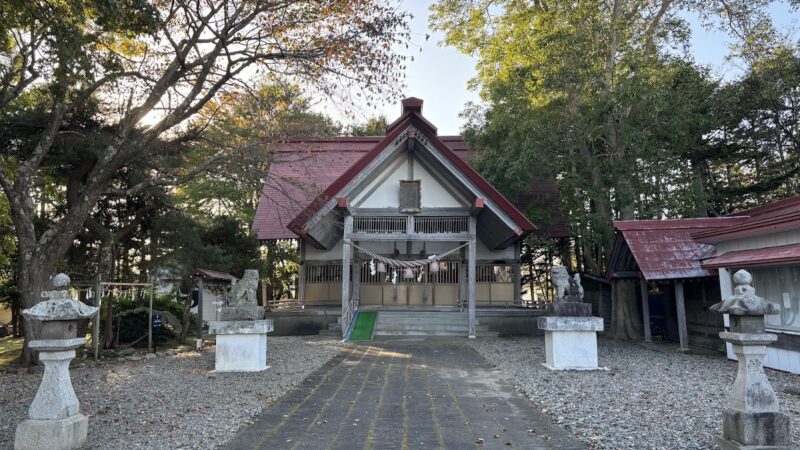
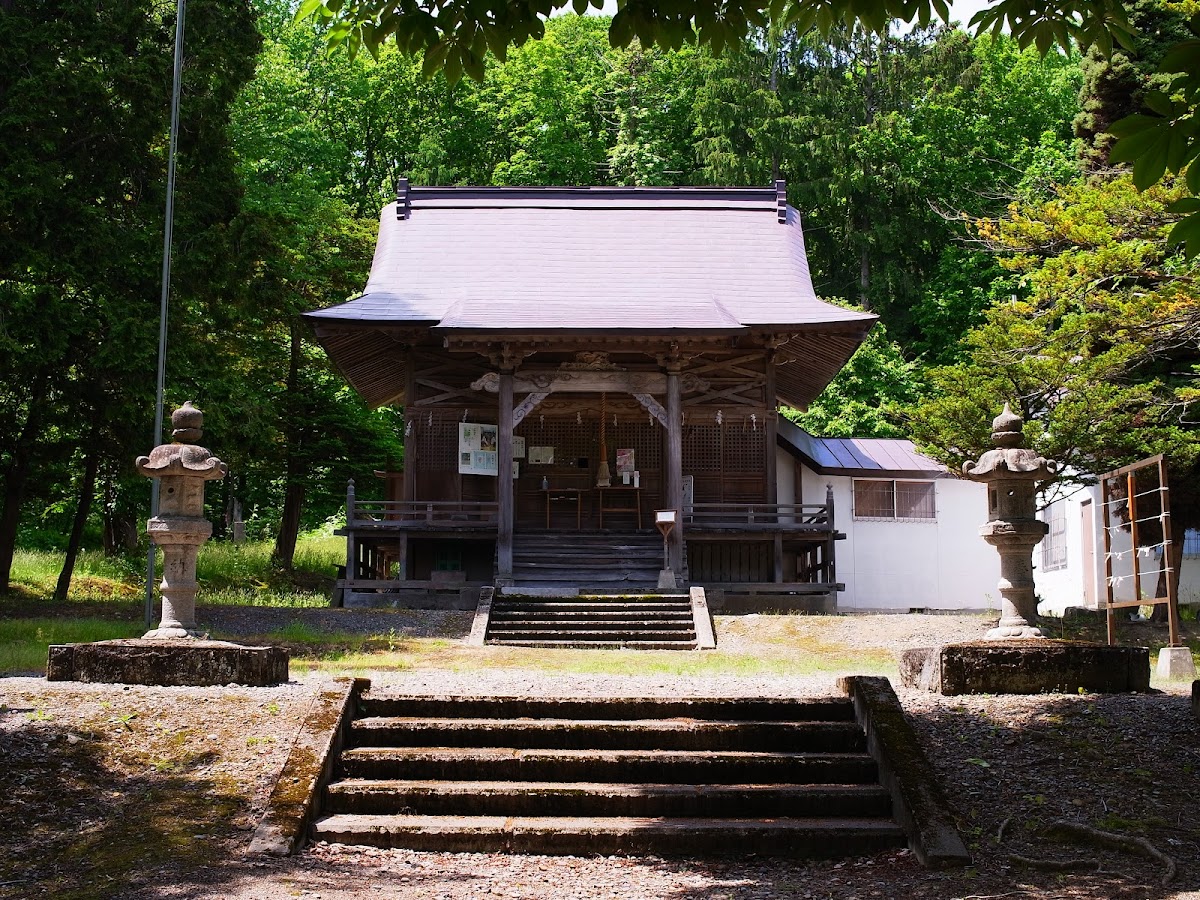
Amefun Shrine is a historic shrine located in Asahikawa City, Hokkaido. Belonging to the Hokkaido Shrine Association, it was formerly a village shrine and has been cherished by the local people. It enshrines Amaterasu Omikami as its main deity, along with Onamuchi no Okami and Sukunahikona no Okami, making it an important shrine that conveys the history of Hokkaido’s development.
Currently, it boasts 2,711 parishioner households and plays a central role in the local community. It features a traditional Shinmei-zukuri architectural style, with a grounds area of 500 tsubo (1,652 square meters) and a shrine building area of 37 tsubo.
History and Origin of Amefun Shrine
Founded During the Pioneer Era
The history of Amefun Shrine is closely intertwined with the history of Hokkaido’s pioneering. From the Meiji era to the Showa era, many settlers engaged in pioneering work in this region, and the shrine was founded as a spiritual haven for these pioneers.
Of particular note is the presence of those who settled from Tokyo in 1945 as part of an emergency pioneering group. They brought the culture and traditions of their hometowns to this new land, making a significant contribution to the formation of a unique local culture. Amefun Shrine has been preserved to this day as a crystallization of the hardships, hopes, and faith of these pioneers.
A Faith Rooted in the Community
In the harsh natural environment of Hokkaido, the shrine held meaning beyond mere religious facilities. Amefun Shrine played an important role as a place to pray for safety in agriculture and daily life, and as a place where local residents gathered to deepen their bonds.
Even today, various festivals are held throughout the year, contributing to the inheritance and development of the region’s traditional culture. Especially on August 31st, the day of the annual festival, many worshippers visit the shrine to pray for the prosperity of the region and the safety of their families.
About the Deity
Amaterasu Omikami
Amaterasu Omikami, the principal deity of Amefun Shrine, is the supreme deity in Japanese mythology and the goddess symbolizing the sun. Considered the ancestral deity of the Imperial family, she is the most revered deity in Japan, enshrined at the Inner Shrine of Ise Grand Shrine.
In the pioneering lands centered on agriculture, the blessings of the sun were the very source of life. By enshrining Amaterasu Omikami, they prayed for abundant harvests and the prosperity of the region. Furthermore, enshrining the ancestral deity of the Imperial family was also a manifestation of the pioneers’ strong will to continue preserving Japanese traditions and culture even in the distant northern lands.
Ōnamuchi-no-Ōkami
Ōnamuchi-no-Ōkami is another name for Ōkuninushi-no-Mikoto and is known as the god of nation-building. He has been widely worshipped as a god who protects all aspects of people’s lives, including medicine, agriculture, and commerce.
For the people who embarked on the challenge of nation-building through pioneering, the divine virtues of Ōnamuchi-no-Ōkami held special significance. They strongly sought the protection of this god in the process of clearing undeveloped land and transforming it into fertile land.
Sukunahikona-no-Ōkami
Sukunahikona-no-Ōkami is a god who worked alongside Ōnamuchi-no-Ōkami in nation-building and is known as the god of medicine, hot springs, and sake brewing. From myths of him exhibiting great power despite his small body, he is also worshipped as the god of wisdom and technology.
In the harsh climate of Hokkaido, maintaining health and curing illness was a matter of life and death. By enshrining Sukunahikona-no-Okami, the pioneers prayed for protection of health and medical care.
Architecture and Grounds of Amefun Shrine
Shinmei-zukuri Style Shrine Building
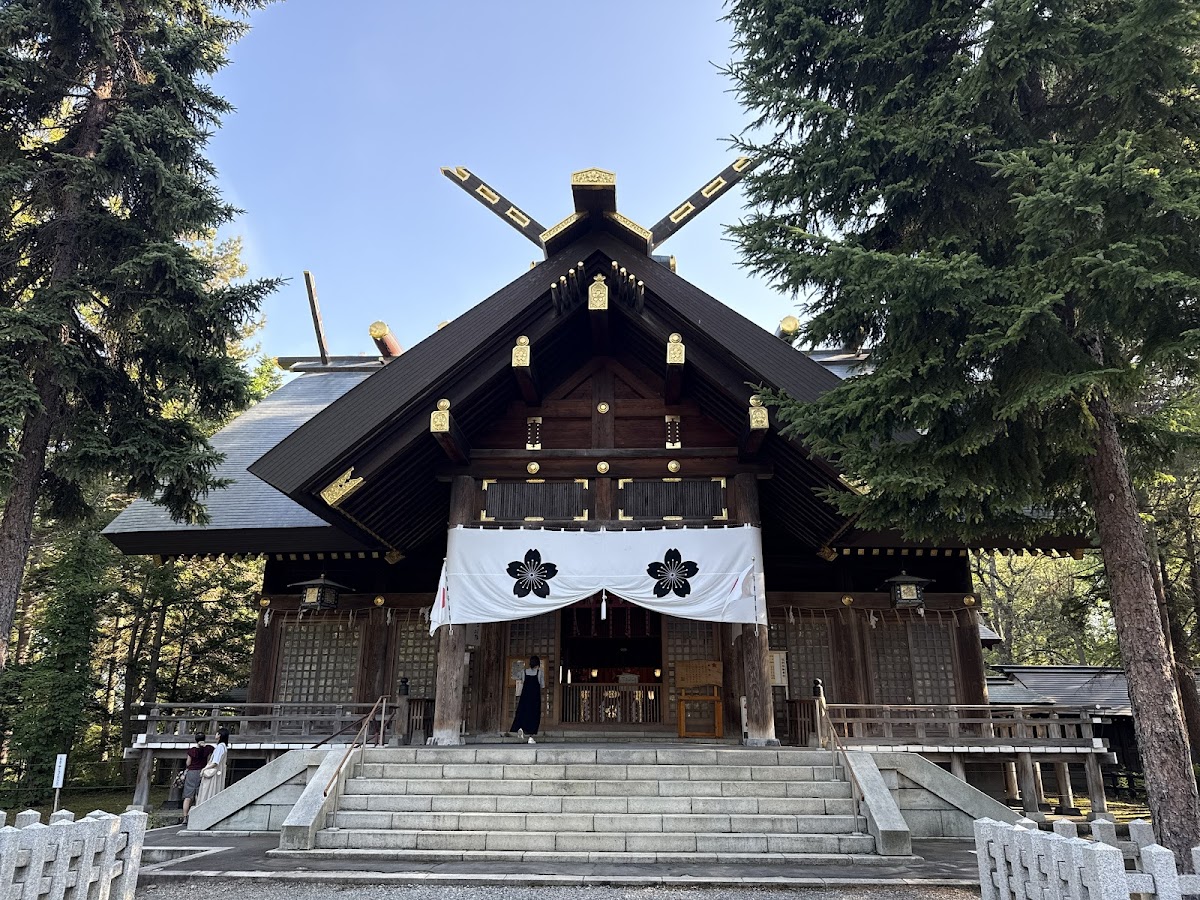
The shrine building of Amefun Shrine is built in the Shinmei-zukuri style. Shinmei-zukuri is one of the oldest shrine architectural styles, exemplified by Ise Grand Shrine, and is characterized by its gabled roof, flat entrance, and the placement of chigi and katsuogi (decorative roof elements) on the ridge.
While the shrine’s area of 37 tsubo (approximately 122 square meters) is standard for a village shrine, its construction embodies the pioneers’ faith and strong will to preserve the traditions of their homeland. The adoption of the Shinmei-zukuri style is deeply connected to the enshrinement of Amaterasu-Omikami as the principal deity, expressing reverence for Ise Grand Shrine.
Atmosphere of the Shrine Grounds
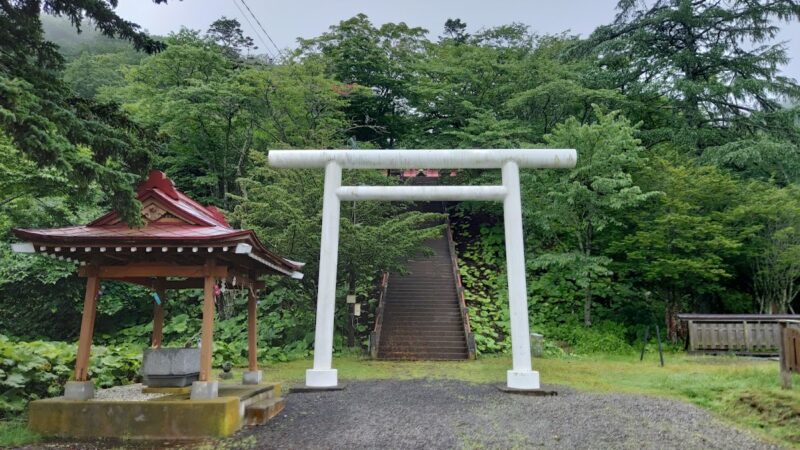
The shrine grounds, spanning 500 tsubo (1,652 square meters), are a tranquil space surrounded by Hokkaido’s natural beauty. The grounds, displaying different expressions throughout the seasons, offer peace of mind to visitors.
In spring, new greenery sprouts; in summer, lush trees provide shade; in autumn, the grounds are adorned with vibrant autumn leaves; and in winter, a sacred landscape covered in snow unfolds. Amidst Hokkaido’s uniquely harsh yet beautiful nature, the shrine continues to exist as a spiritual anchor for the community.
Local Performing Art: “Amefun Bayashi”
Origin of Amefun Bayashi
An essential element in discussing Amefun Shrine is the local performing art, “Amefun Bayashi.” The history of this traditional art dates back to the settlement of the emergency pioneering group in 1945.
Among the settlers who came from Tokyo, there was a man who had learned the festival music of Owada Village, Saitama Prefecture (present-day Niiza City). Life in this new land was extremely difficult, but he sought to maintain his identity and strengthen community bonds by passing on his hometown’s culture to the next generation.
Cultural Transmission
The Amefun-bayashi festival music has been passed down through generations, through children. Through practicing the music, children learn about local history and experience the importance of traditional culture. Furthermore, performances provide a valuable opportunity for local residents to gather together.
This local performing art is not merely music or dance; it is a cultural heritage imbued with the hardships, hopes, and longing for their hometown of the settlers. The fact that a traditional performing art from the Kanto region took root and developed uniquely in the new land of Hokkaido is a prime example of the diversity and adaptability of Japanese culture.
Significance in the Modern Era
Even in the modern era, Amefun-bayashi remains an important element in shaping the region’s identity. Through performances at the annual festival and other Shinto rituals, the region’s history and traditions are reliably passed down to future generations.
Furthermore, this local performing art attracts attention from outside the region and is a valuable cultural resource for learning about the history of Hokkaido’s development.
Annual Events and the Annual Festival
Annual Festival (August 31st)
The most important festival at Amefun Shrine is the annual festival held on August 31st each year. The annual festival is the most formal ceremony for the shrine, an important event for expressing gratitude to the enshrined deity and praying for the prosperity of the region.
On the day of the annual festival, many worshippers, including parishioners, gather at the shrine for a solemn Shinto ritual. Traditional ceremonies such as the recitation of prayers by Shinto priests and the offering of sacred branches are performed, and attendees pray for gratitude for the past year and for future peace and prosperity.
Other Annual Events
In addition to the annual festival, Amefun Shrine holds various Shinto rituals throughout the year. On New Year’s Day, the shrine welcomes visitors for their first shrine visit of the year, praying for happiness and safety in the coming year. Traditional Japanese annual events, such as the Setsubun Festival and the spring and autumn Kinensai festivals, are also carefully preserved.
These events serve as important opportunities to deepen community bonds, demonstrating that the shrine functions not merely as a religious institution, but as a cultural and social center of the region.
How to Visit and Access
Etiquette for Visiting
When visiting Amefun Shrine, follow the general etiquette for visiting a shrine. First, bow before passing through the torii gate, and walk along the path avoiding the center (the center is considered the path of the gods). Cleanse your hands and mouth at the temizuya (water basin) to purify your mind and body before proceeding to the main hall.
At the main hall, perform the two bows, two claps, and one bow ritual. Place your offering, ring the bell, bow deeply twice, clap your hands twice, and finally bow deeply once. This custom is common to many shrines throughout Japan.
Access Information
The most convenient way to access Amefun Shrine is by taking the Dohoku Bus Kami-Amefun Line. Get off at the Takahashi Shoten-mae bus stop, and the shrine is within walking distance.
If visiting by private car, you can access it from Asahikawa city center via national and prefectural roads. Parking is available for visitors on the shrine grounds, but congestion is expected during major events such as festivals, so it is recommended to visit with plenty of time to spare.
Contact Information
Inquiries regarding Amefun Shrine are handled at the office within Kamikawa Shrine. The phone number is 0166-65-3151. For questions regarding visiting hours, prayer requests, and other inquiries, please contact this number.
Hokkaido’s Shrine Culture and Amefun Shrine
Characteristics of Shrines in Hokkaido
Shrines in Hokkaido have a unique history and culture that differs from shrines south of Honshu. Many shrines were built during the Meiji era and subsequent pioneering efforts, and in numerous cases, the beliefs of the pioneers’ hometowns were brought over.
Amefuna Shrine is one such example, strongly reflecting the beliefs and culture of pioneers who migrated from the Kanto region. Because of this background, shrines in Hokkaido exhibit a unique character, a fusion of religious cultures from various parts of Japan.
Pioneering and Faith
The pioneering of Hokkaido was a battle against unimaginable difficulties. The pioneers faced numerous trials, including a harsh climate, undeveloped land, and shortages of supplies. In such circumstances, shrines were an indispensable source of spiritual support.
By enshrining the gods of their hometowns and performing traditional rituals, the pioneers found peace of mind and the courage to face difficulties. Amefuna Shrine is a valuable cultural heritage that conveys the faith of these pioneers and their hopes for life in a new land.
The Role of Amefuna Shrine in the Local Community
As a Center of the Community
Even today, Amefuna Shrine functions as an important center of the local community. With 2,711 parishioners, the annual festival and other events provide valuable opportunities for local residents to gather.
In today’s increasingly urbanized society, where community ties tend to weaken, the role of shrines has become more important than ever. As a place for intergenerational exchange and a place to learn about local history and traditions, Amefun Shrine continues to contribute to the local community.
Cultural Inheritance and Education
Amefuna Shrine plays an important role in local cultural education through the preservation of the local performing art, “Amefuna Bayashi.” By learning traditional performing arts, children are provided with opportunities to learn about local history and understand the importance of culture.
Furthermore, by participating in festivals and events at the shrine, children can learn manners and traditional values. This can be considered practical, community-based education that cannot be obtained solely through school education.
Benefits of Amefun Shrine
Main Benefits
At Amefun Shrine, various benefits can be received through the divine virtues of the enshrined deity. From the main deity Amaterasu Omikami, blessings are expected for national peace and security, family safety, and good fortune. From Ōkuninushi Ōkami, blessings are expected for business prosperity, abundant harvests, matchmaking, and healing from illness. From Sukunahikona Ōkami, blessings are expected for health and longevity, medical protection, and improvement in skills.
A Faith Unique to a Pioneer Land
As a shrine located in the pioneering land of Hokkaido, Amefun Shrine is particularly revered as a deity that watches over success in agriculture and business, and for taking on new challenges. Just as pioneers prayed for success in their new lands, people starting new ventures today visit the shrine.
People facing turning points in their lives, such as starting a business, changing jobs, or moving, can be seen visiting the shrine seeking the protection of the gods. It is believed that the shrine, with its history of pioneering, possesses a powerful divine virtue that supports those who take on challenges.
Nearby Tourist Attractions
The Charms of Asahikawa
Asahikawa City, where the Amefun Shrine is located, is Hokkaido’s second-largest city and a charming place where rich nature and urban functions harmonize. Asahiyama Zoo is a nationally renowned tourist spot, popular for its “behavioral exhibits” where visitors can observe animals’ natural behavior.
Asahikawa ramen is known as one of Hokkaido’s three major ramen varieties, alongside Sapporo and Hakodate ramen, characterized by its soy sauce-based broth and medium-thick, curly noodles. After visiting Amefun Shrine, enjoying these tourist spots and local cuisine is highly recommended.
The Nature of Hokkaido
Around Asahikawa, magnificent natural landscapes, including Daisetsuzan National Park, unfold. You can enjoy seasonal outdoor activities such as mountain climbing and trekking in the summer, and skiing and snowboarding in the winter.
Combining a shrine visit with enjoying Hokkaido’s unique nature will make for a fulfilling trip that refreshes both mind and body.
The Future of Amefun Shrine
Preserving Tradition
Amefun Shrine boasts a long history dating back to the pioneering days, and continues to preserve its traditions even today. Through the efforts of local residents, such as the preservation of the local performing art “Amefun Bayashi” and the maintenance of annual events, the shrine’s culture is being passed down to future generations.
Despite facing the challenges of modern society, such as a declining birthrate, an aging population, and urbanization, the strong dedication of parishioners and local residents ensures that the shrine will continue to exist as a spiritual pillar of the community.
A Shrine in a New Era
While preserving tradition, new initiatives adapted to the times are also expected. Efforts to meet modern needs are required, such as utilizing the internet and social media for information dissemination and planning events that are easily accessible to younger generations.
At the same time, its aspect as a tourist resource is also attracting attention. By welcoming visitors from outside the region as a place to learn about Hokkaido’s pioneering history and experience local performing arts, the shrine’s appeal can be widely conveyed.
Summary
Amefuna Shrine is a historic shrine located in Asahikawa City, Hokkaido. It is a former village shrine dedicated to three deities: Amaterasu Omikami, Onamuchi no Okami, and Sukunahikona no Okami. The local performing art, “Amefuna Bayashi,” introduced by settlers who arrived from Tokyo in 1945, is a major characteristic of this shrine and is still carefully preserved as a regional cultural heritage.
With its Shinto-style shrine building, 500-tsubo (approximately 1,650 square meters) grounds, and 2,711 parishioners, the shrine plays a central role in the local community through its annual events, including the annual festival on August 31st. It is a valuable cultural asset that conveys the history of Hokkaido’s development, and continues to function as a spiritual anchor for local residents even today.
Amefuna Shrine, imbued with the hardships and hopes of the pioneers and their longing for their homeland, is a special place that teaches visitors the weight of history and the importance of culture. When you visit Asahikawa, be sure to visit this historic shrine and experience the spirit of Hokkaido’s pioneering.