Nagayama Shrine Complete Guide | History, Deities, Goshuin (Shrine Seal), and Access Information for Kamikawa’s Oldest Shrine
Nagayama Shrine, located in the Nagayama district of Asahikawa City, Hokkaido, is known as the oldest shrine in the Kamikawa region. Founded alongside the Meiji-era settlement of Tondenhei (frontier soldiers), it is a valuable cultural heritage site that conveys the history of Hokkaido’s development. This article comprehensively introduces information you should know before visiting Nagayama Shrine, including its history, enshrined deities, blessings, goshuin (shrine seal), annual events, and access methods.
What is Nagayama Shrine? | The Oldest Shrine in the Kamikawa Region
Nagayama Shrine is the oldest shrine in the Kamikawa region, founded in 1891 (Meiji 24). Located in Nagayama 4-jo, Asahikawa City, Hokkaido, it is a prestigious shrine formerly known as a prefectural shrine, and has been cherished by the local people.
The Nagayama district was the first area in the Kamikawa wilderness to be settled, and Nagayama Shrine has walked hand in hand with that history of development. Even today, it is known as a historically significant shrine that attracts many worshippers not only from within Hokkaido but also from the Tohoku region.
History of Nagayama Shrine | 130 Years with the Tondenhei (frontier soldiers)
Founding in 1891 and the Settlement of Tondenhei
The history of Nagayama Shrine begins on July 1, 1891 (Meiji 24), when 400 households of Nagayama Tondenhei settled there. Among these settlers were Tondenhei from Okayama Prefecture, who received the divided spirits of Amaterasu Omikami and Okuninushi-no-Kami, the tutelary deities of their hometown.
In 1892 (Meiji 25), a shrine was built on a suitable site behind the current Nagayama Station (100 Nagayama-cho 10-chome), and this marked the beginning of Nagayama Shrine, where it was worshipped as a spiritual anchor. In the harsh environment of defending and pioneering the northern frontier, the shrine was an important source of spiritual support for the Tondenhei.
Construction of the Shrine and Promotion of Shrine Rank
In 1898 (Meiji 31), the shrine building was constructed, and permission was granted for the establishment of an unranked shrine. Subsequently, Nagayama Shrine gradually rose in rank as follows:
- 1914 (Taisho 3): Added to the rank of village shrine, designated as a shrine receiving offerings of sacred food and cloth.
- September 20, 1920 (Taisho 9): Permission granted for the enshrinement of General Nagayama Takeshiro, who was revered by the villagers as the ancestral deity of pioneering.
- August 16, 1922 (Taisho 11): Promoted to a regional shrine.
- April 30, 1945 (Showa 20): Promoted to a prefectural shrine.
This history of promotions illustrates the significant role that Nagayama Shrine has played in the local community.
Deep Connection with General Nagayama Takeshiro
When discussing Nagayama Shrine, the relationship with General Nagayama Takeshiro is indispensable. Nagayama Takeshiro was a key figure in the development of Hokkaido and played a vital role in establishing the Tondenhei (frontier soldier) system. In 1920 (Taisho 9), General Nagayama Takeshiro was enshrined as a deity, further strengthening Nagayama Shrine’s character as a shrine that conveys the history of development.
After passing the first torii gate, a bronze statue of Nagayama Takeshiro stands, welcoming visitors. This statue was erected to commemorate the anniversary of the Tondenhei’s arrival and serves as an important monument that conveys the history of development to the present day.
Deities and Benefits | Power Spot for Matchmaking, Financial Luck, and Good Fortune
Deities of Nagayama Shrine
Nagayama Shrine enshrines three deities.
Amaterasu Omikami
The supreme deity in Japanese mythology, the goddess who personifies the sun. Known as the ancestral deity of the Imperial Family, it is believed to bring blessings of national peace and security, good fortune, and protection from evil.
Okuninushi-no-kami
A deity also known as the principal deity of Izumo Taisha Shrine, worshipped as the god of matchmaking, business prosperity, abundant harvests, and medicine. Also famous for the myth of “The White Rabbit of Inaba.”
Nagayama Takeshiro-no-mikoto
This is the deified General Nagayama Takeshiro, a key figure in the development of Hokkaido. It is believed to bring blessings of pioneering spirit, local development, and business success.
Blessings of Nagayama Shrine
Nagayama Shrine is believed to offer the following blessings and is attracting attention as a power spot.
- Matchmaking: Achieving a good match through the divine virtues of Okuninushi-no-Kami
- Improved Financial Fortune: Business prosperity and success
- Good Fortune and Prosperity: Overall improvement of luck through Amaterasu-Omikami
- Exorcism: Protection from disasters during life’s turning points
- Local Development: Regional prosperity through Nagayama Takeshiro-no-Mikoto
Many visitors pray for matchmaking and improved financial fortune, and people from all over Japan come to pray for success in love and business.
Goshuin Information | Obtaining a Goshuin at Nagayama Shrine
Nagayama Shrine offers Goshuin (stamped seals). Goshuin are popular as proof of worship and as a tangible memento of one’s connection with the shrine.
How to Obtain a Goshuin
Goshuin are available at the shrine office. Reception hours are usually from 9:00 AM to 5:00 PM, but may change during religious ceremonies and events. We recommend confirming by phone in advance.
Inquiry Phone Number: 0166-48-1638
Regarding the issuance of Goshuin (temple/shrine stamps), we do not respond to inquiries via Instagram DMs or comments, so please be sure to inquire by phone.
Goshuin Design and Features
The Goshuin of Nagayama Shrine often bears the shrine’s name stamp, “Nagayama Shrine,” and the words “Kamikawa’s Oldest,” representing its historical value as the oldest shrine in the Kamikawa region. Limited edition Goshuin are sometimes issued depending on the season and events, so bringing your Goshuincho (stamp book) is recommended.
Annual Events and Festivals | Main Rituals of Nagayama Shrine
Nagayama Shrine holds various rituals and festivals throughout the year.
Main Annual Events
Grand Festival (September)
This is the most important festival at Nagayama Shrine. It also commemorates the enshrinement of General Nagayama Takeshiro, and attracts many worshippers.
New Year’s Visit (January 1st-3rd)
Many worshippers, including local residents, visit the shrine to pray for happiness in the new year.
Setsubun Festival (February 3rd)
Traditional events such as bean-throwing are held, and people visit to pray for protection from evil.
Shichi-Go-San (November)
The shrine is bustling with families receiving prayers for Shichi-Go-San, a celebration of children’s growth.
About Prayers
Prayers are accepted at any time, but it is recommended to make a reservation by phone in advance. We offer prayers for various occasions, including first shrine visits for newborns, Shichi-Go-San, exorcism, business prosperity, and traffic safety.
Highlights of the Shrine Grounds | Points to See When Visiting Nagayama Shrine
Statue of General Nagayama Takeshiro
After passing the first torii gate, you will see the bronze statue of General Nagayama Takeshiro. This bronze statue was erected to commemorate the anniversary of the arrival of the Tondenhei (frontier soldiers) and honors the achievements of the general who contributed to the region as the father of pioneering. It’s a must-see spot when visiting the shrine.
Atmosphere of the Shrine and Grounds
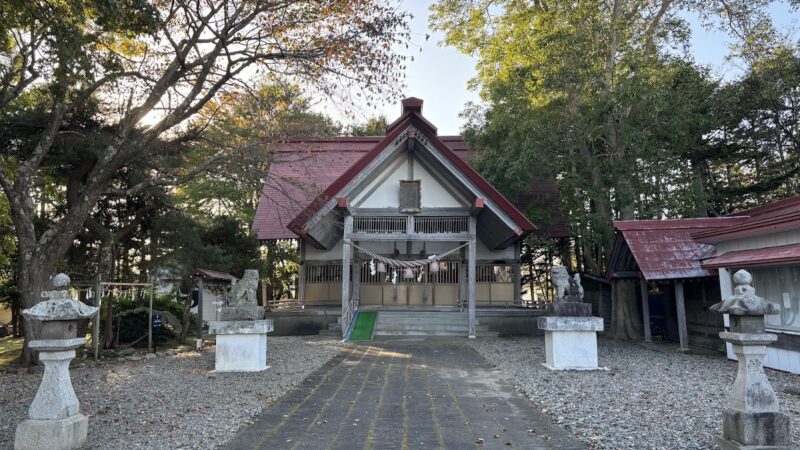
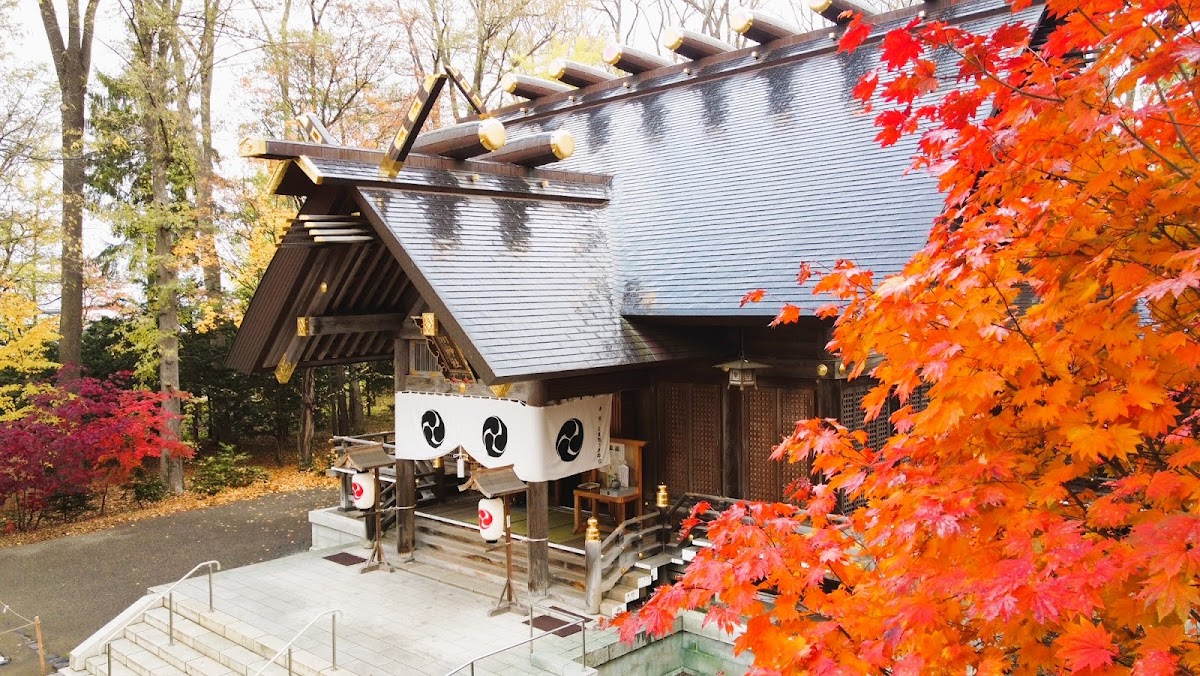
The shrine building of Nagayama Shrine retains the architectural style of the Meiji period, and has undergone several renovations to reach its current form. The grounds are enveloped in a tranquil atmosphere, providing a peaceful space for worship despite being in an urban area.
Nagayama Takeshiro Historical Museum
Adjacent to Nagayama Shrine is the “Nagayama Takeshiro Historical Museum.” This facility allows visitors to learn about the life of General Nagayama Takeshiro, the history of the Tondenhei, and the pioneering history of the Nagayama area. Visiting it in conjunction with a visit to Nagayama Shrine will allow for a deeper understanding of the history.
Access Information | How to Get to Nagayama Shrine
Location
Address: 2-13, Nagayama 4-jo 18-chome, Asahikawa City, Hokkaido
Access by Public Transportation
By JR
- Approximately 15 minutes on foot from JR Nagayama Station
- Approximately 30 minutes by bus from JR Asahikawa Station, get off at “Nagayama 4-jo 18-chome” bus stop, then approximately 3 minutes on foot
By Local Bus
Take a bus from Asahikawa Station and get off at “Nagayama 4-jo 18-chome” or “Nagayama Shrine.” It’s a few minutes’ walk from the bus stop. Please check the Asahikawa City public transportation website for bus schedules and times.
Access by Car
From Asahikawa City Center
Approximately 20 minutes via National Route 40. Enter the Nagayama area and follow the signs to reach Nagayama Shrine.
Parking
A parking lot for visitors is available on the shrine grounds. During peak seasons such as New Year’s Day and the annual festival, the parking lot can become full, so it’s recommended to visit with plenty of time to spare.
Visiting Hours
While entry to the shrine grounds is generally free, the shrine office is usually open from 9:00 AM to 5:00 PM. If you wish to receive a Goshuin (shrine stamp) or prayers, please visit within these hours.
Tourist Attractions Around Nagayama Shrine
Nagayama Takeshiro Historical Museum
As mentioned above, this museum is adjacent to Nagayama Shrine. It displays artifacts of General Nagayama Takeshiro and materials related to the Tondenhei (frontier soldiers), allowing visitors to learn about the history of Hokkaido’s development.
Sightseeing in Asahikawa City
Since Nagayama Shrine is located in Asahikawa City, it can be visited in combination with other Asahikawa tourist attractions. Asahikawa boasts numerous attractive tourist destinations, including Asahiyama Zoo, Asahikawa Ramen Village, and the Snow Museum.
Manners and Precautions for Visiting Nagayama Shrine
Basic Manners for Visiting
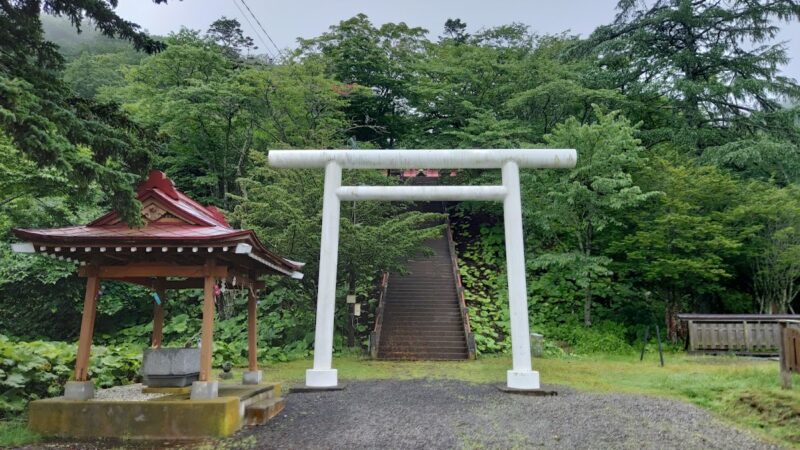
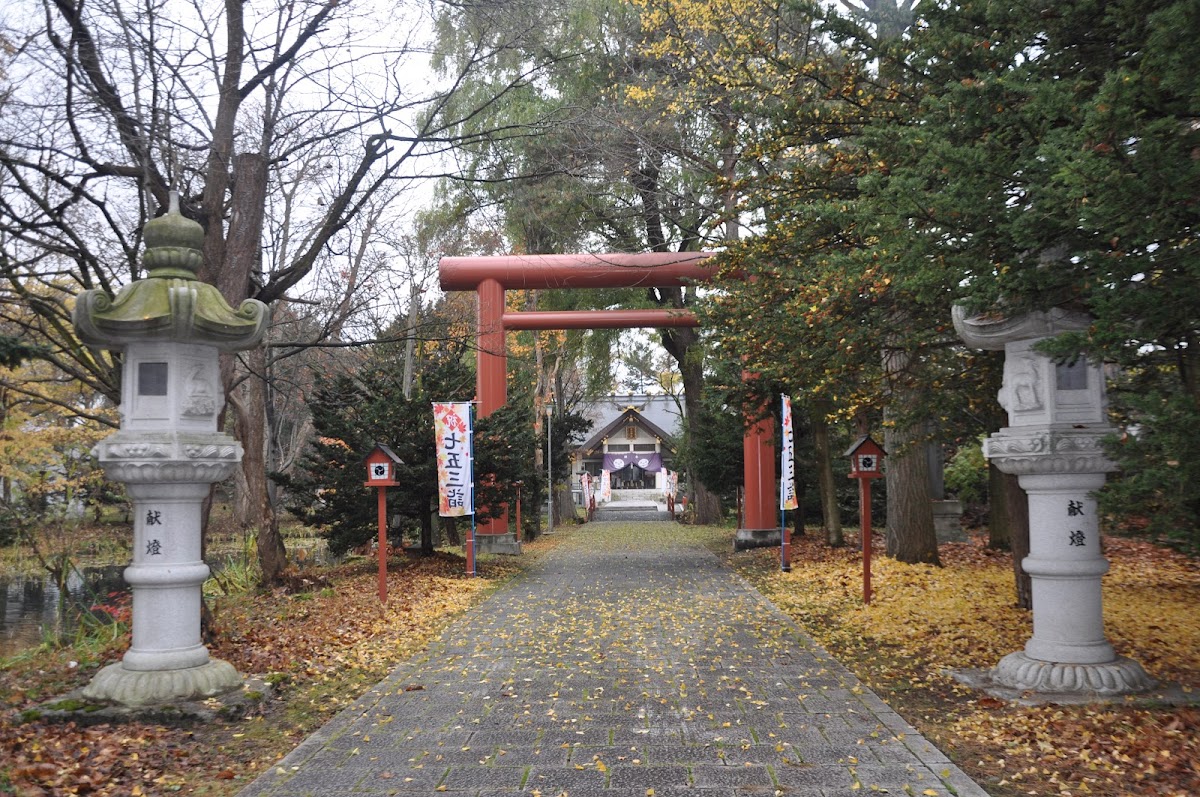
- How to Pass Through the Torii Gate: Bow before entering the torii gate.
- How to Walk Along the Path: The center of the path is considered the path of the gods, so walk along the sides.
- How to Wash Your Hands: Cleanse your hands and mouth at the water basin before praying.
- How to Bow: Two bows, two claps, and one bow is the basic method.
Photography
Photography is generally permitted on the shrine grounds, but consideration should be given to avoiding disturbing other visitors or during religious ceremonies. Photography inside the shrine buildings may require permission, so please check beforehand.
Attire
If receiving a prayer, it is advisable to wear attire that is not too casual. There are no specific dress code restrictions for regular visits, but please dress appropriately as it is a sacred place.
Nagayama Shrine’s Social Media and Official Information
Nagayama Shrine disseminates information through its official website and Instagram.
Official Website
The official website, “Kamikawa’s Oldest Nagayama Shrine,” contains information on the shrine’s history, annual events, and access. It is recommended to check the latest information before visiting.
The Instagram account (@nagayama.shrine) posts photos of the shrine grounds throughout the seasons and events. It has over 800 followers and is regularly updated.
However, inquiries cannot be handled via Instagram DMs or comments; please contact the shrine directly by phone (0166-48-1638).
Nagayama Shrine and the Hokkaido Shrine Association
Nagayama Shrine belongs to the Hokkaido Shrine Association, and detailed information is also available on the Hokkaido Shrine Association’s website. The Hokkaido Shrine Association is an organization that oversees shrines throughout Hokkaido, and you can learn about various aspects of shrines, including the basics of Shinto rituals and annual events.
One of the joys of visiting a shrine is the opportunity to experience the history of Hokkaido’s development and Shinto culture through a historic shrine like Nagayama Shrine.
Summary | Nagayama Shrine: A Valuable Shrine that Tells the History of Hokkaido’s Development
Nagayama Shrine, founded in 1891 (Meiji 24), is the oldest shrine in the Kamikawa region and has been a center of faith for the local people for over 130 years. It is a shrine with many attractions, including its history beginning with the settlement of Tondenhei (frontier soldiers), its deep connection with General Nagayama Takeshiro, and its blessings for matchmaking and financial prosperity.
When visiting Asahikawa City, we highly recommend visiting Nagayama Shrine and quietly offering prayers while reflecting on the history of Hokkaido’s development. Receiving a Goshuin (shrine stamp) or visiting the Nagayama Takeshiro Historical Museum will allow you to appreciate the charm of Nagayama Shrine even more deeply.
When visiting, please check the latest information on the official website or social media beforehand and enjoy a pleasant visit while observing proper etiquette.