Complete Guide to Furano Shrine | Thorough Explanation of History, Deities, Goshuin (Shrine Seals), and Access Information
Furano Shrine, located in the heart of Furano City, Hokkaido, is a historic shrine that conveys the history of the Meiji era’s pioneering efforts. Founded as a spiritual haven for the pioneers who settled Furano, it has been cherished by the local people for over 120 years. This article comprehensively introduces information you should know before visiting Furano Shrine, including its history, deities, annual events, goshuin (shrine seals), and access methods.
History and Origins of Furano Shrine
Founding and the Meiji Era
The history of Furano Shrine dates back to 1902 (Meiji 35). During the era of Hokkaido’s pioneering, the pioneers who settled Furano sought a spiritual haven and erected a small shrine on the eastern end of the Zunashigawa River embankment.
In the harsh environment of pioneering, a place of spiritual support was needed. The pioneers enshrined the three ancestral deities of land creation—Ōkunitama-no-kami, Ōnamuchi-no-kami, and Sukunahikona-no-kami—and prayed for the success of the pioneering project and the development of the region.
In 1907 (Meiji 40), the shrine was relocated to its current location in Wakamatsu-cho. This location is in the heart of Furano City and remains a prime location directly across from the Furano City Hall.
Development during the Taisho and Showa Periods
In 1919 (Taisho 8), Furano Shrine was elevated to the rank of a village shrine. This signified the official recognition of the shrine’s importance to the local community. At that time, Furano continued to develop as an agricultural region, and the shrine was a central presence in the local community.
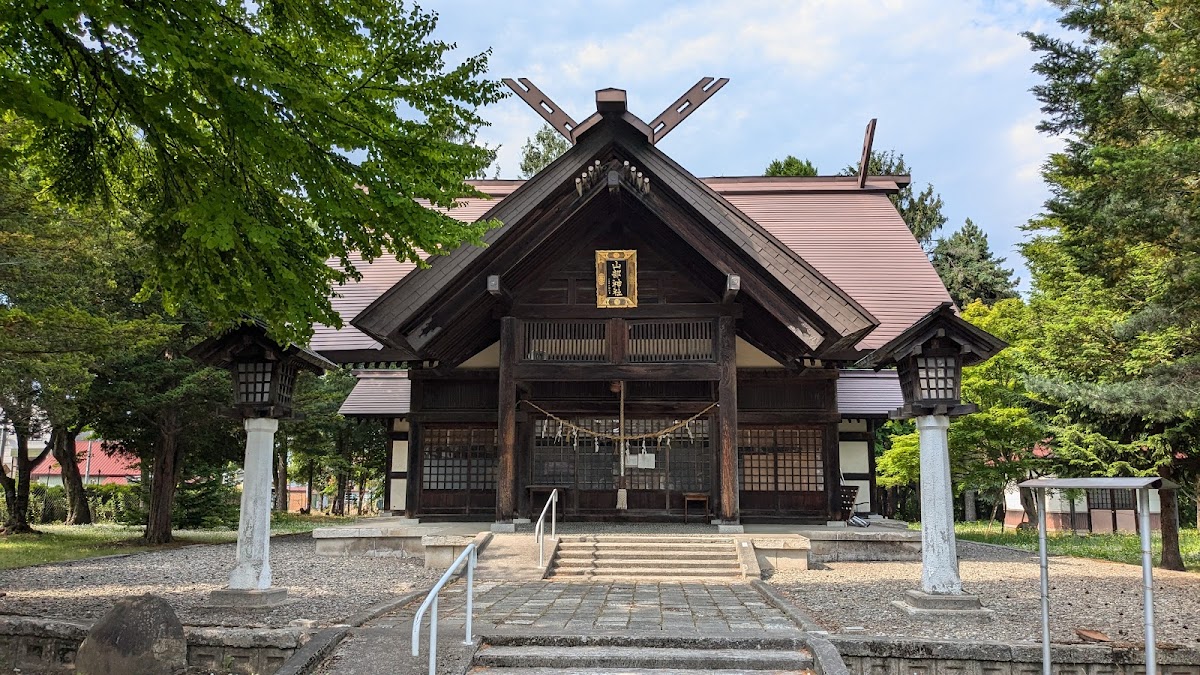
In 1936 (Showa 11), the current shrine building was constructed. This shrine was built with donations from the local people and is still carefully preserved as a symbol of Furano’s development. The solemn atmosphere of the shrine grounds is built upon the foundation laid during that era.
In 1940 (Showa 15), it was elevated to the status of a local shrine, further increasing its prestige as a shrine in the Furano region. Throughout the pre-war, wartime, and post-war periods, Furano Shrine has continued to function as a spiritual pillar of the community.
Furano Shrine in Modern Times
Currently, Furano Shrine belongs to the Hokkaido Shrine Association and welcomes many worshippers as a representative shrine of Furano City. It is a place of worship not only for local residents’ New Year’s visits, Shichi-Go-San (a traditional rite of passage for children), and exorcisms, but also for tourists visiting Furano.
In particular, many tourists visiting the Furano area, known as a filming location for the TV drama “Kita no Kuni kara” (From the North Country), visit Furano Shrine to experience the region’s history and culture.
Deities and Divine Virtues
About the Three Pioneer Gods
The three deities enshrined at Furano Shrine are the “Three Pioneer Gods,” a group of deities worshipped at many shrines throughout Hokkaido.
Okunitama-no-kami
Also known as the Great Land God, this deity is revered as the guardian deity of the land. They are believed to govern the earth and bestow blessings of abundant harvests and industrial development. In Hokkaido, a pioneering land, this deity is a crucial figure, bringing fertile land and bountiful harvests.
Onamuchi-no-kami
This deity is generally known as Okuninushi-no-mikoto. As the god of nation-building, they bestow a wide range of divine virtues, including pioneering, industry, matchmaking, and medicine. Known from the myth of “The White Rabbit of Inaba,” they are worshipped as a god who grants the strength to overcome difficulties.
Sukunahikona-no-kami
A deity who, along with Ōkuninushi-no-kami, helped build the nation, and is known as the god of medicine, hot springs, and sake brewing. Despite his small stature, he possessed great wisdom and skill, and is said to have bestowed various knowledge upon the people. In the harsh environment of the pioneering era, he played a crucial role as the guardian deity of health and medicine.
Divine Virtues at Furano Shrine
Through the divine virtues of these three deities, Furano Shrine is believed to offer the following blessings:
- Good Fortune and Prosperity: Improvement of luck in all aspects of life
- Family Safety: Health and peace of the family
- Business Prosperity: Development and prosperity of business
- Abundant Harvest: Abundant agricultural harvest
- Protection from Misfortune: Protection from disaster
- Matchmaking: Successful matchmaking
- Healing from Illness: Recovery of health
Highlights of the Shrine Grounds
Shrine Buildings and Structures
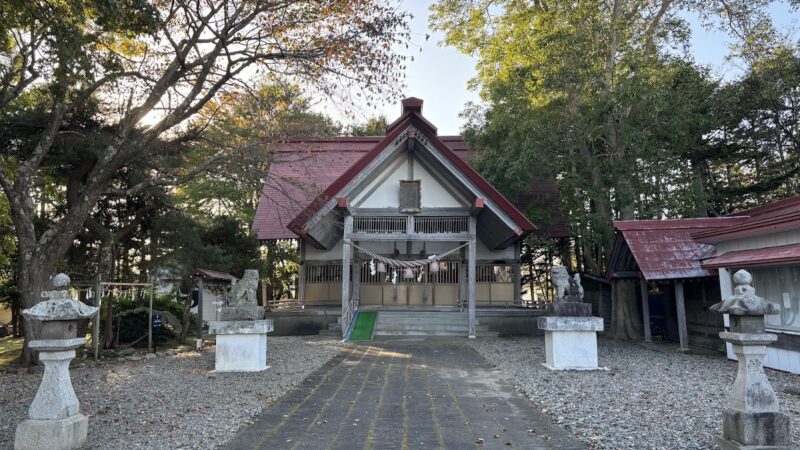
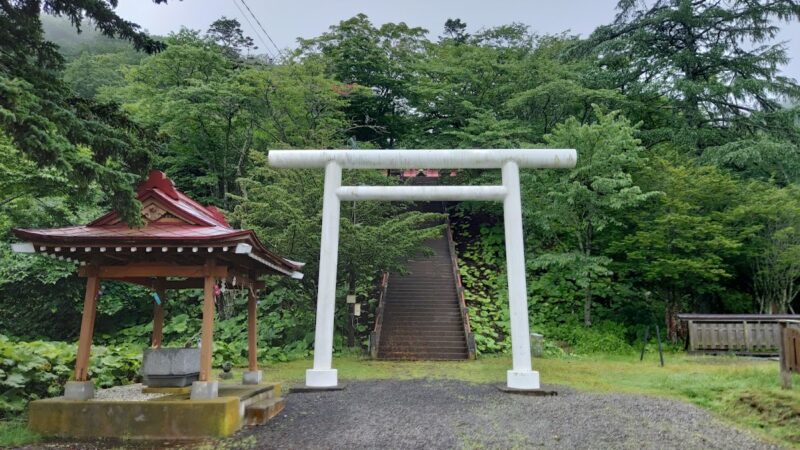
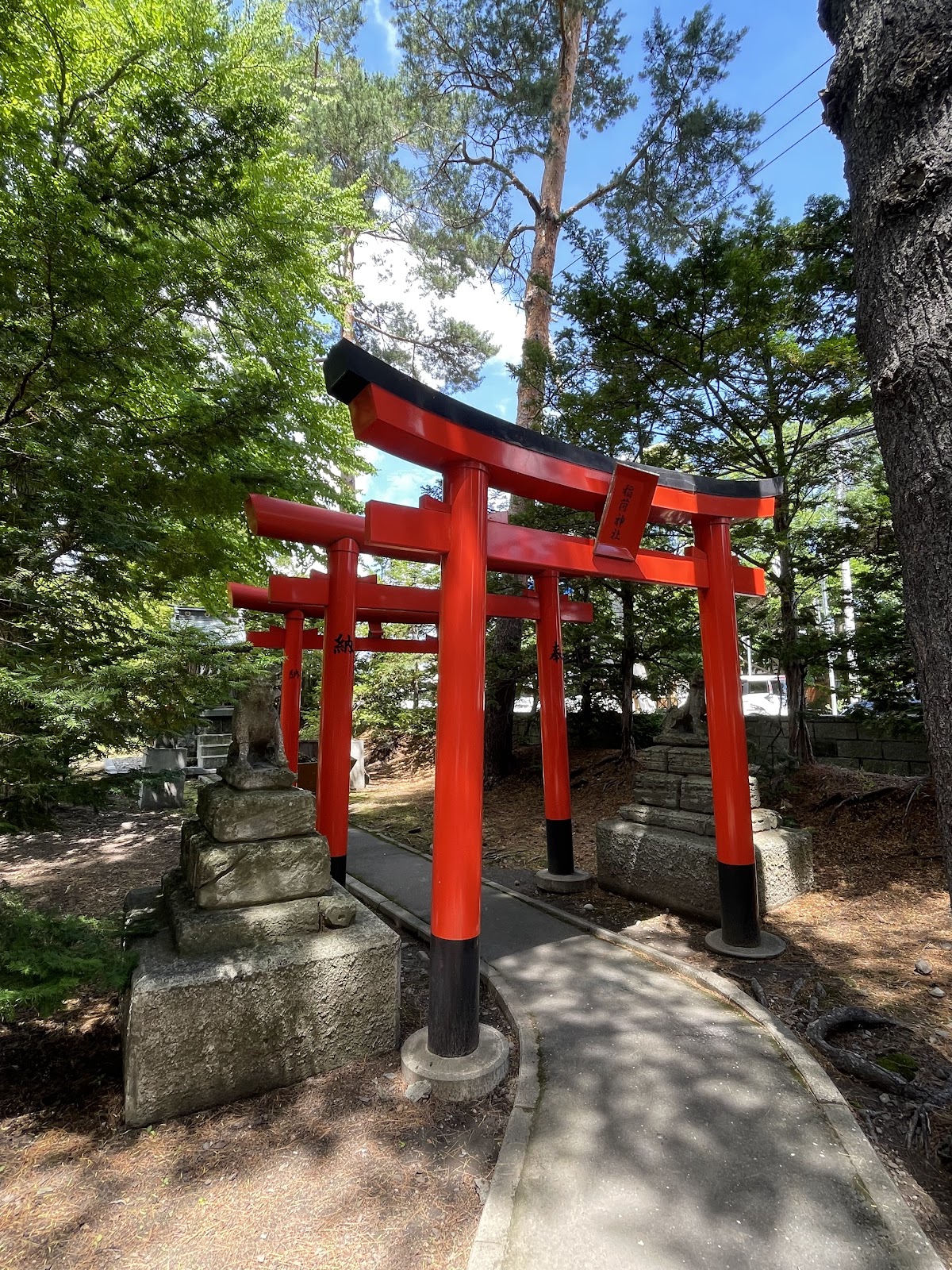
The grounds of Furano Shrine, while located in the heart of Furano City, are enveloped in a tranquil atmosphere. Passing through the torii gate located across the road from the city hall, the approach leads to the shrine buildings.
The shrine buildings, constructed in 1936 (Showa 11), exhibit traditional shrine architecture and present a solemn presence. In front of the shrine buildings is the worship hall, where worshippers offer their prayers.
The shrine grounds also house a shrine office where you can receive Goshuin (shrine stamps) and request various prayers. Though small in scale, the well-maintained grounds offer visitors a peaceful and tranquil experience.
Natural Environment of the Shrine Grounds
The grounds of Furano Shrine are planted with trees typical of Hokkaido, allowing visitors to enjoy the changing seasons. Spring brings fresh greenery, summer brings deep green, autumn brings vibrant foliage, and winter brings snowscapes, each season displaying a different kind of beauty.
Especially in winter, the snow-covered grounds create a magical atmosphere. Visiting the shrine while experiencing Hokkaido’s harsh winters offers an opportunity to reflect on the hardships endured by the pioneers of the pioneering era.
Annual Events and Festivals
Festival Dates and Major Events
Furano Shrine holds various Shinto rituals and festivals every year. The most important festival is the annual festival, which is held on a fixed date each year. During the annual festival, a solemn Shinto ritual is performed to express gratitude to the enshrined deity and to pray for peace and prosperity in the community.
Major Annual Events
January
- New Year’s Day Festival: Celebrating the New Year and praying for peace throughout the year.
- First Shrine Visit of the Year: Many worshippers visit shrines to offer their prayers for the New Year.
February
- Setsubun Festival: Traditional events such as bean-throwing.
- Kigensai Festival: A festival celebrating the founding of the nation.
Spring
- Spring Festival: Celebrating the arrival of spring and praying for a bountiful harvest.
Summer
- Summer Purification Ceremony: A Shinto ritual to cleanse away the sins and impurities accumulated over the past six months.
Autumn
- Autumn Festival: An important festival to express gratitude for the bountiful autumn harvest.
Winter
- Year-End Purification Ceremony: Cleansing away the sins and impurities of the past year and preparing for the New Year.
- Joya Festival: A Shinto ritual held on New Year’s Eve.
These events are important opportunities to preserve local traditions and deepen community bonds.
Prayers and Offerings
Various Prayers
At Furano Shrine, you can receive prayers tailored to various milestones in life and your wishes.
- First Shrine Visit: Praying for the healthy growth of your baby
- Shichi-Go-San: Celebrating your child’s growth and praying for their future health
- Exorcism: Praying for protection from misfortune during your unlucky year
- Safety Prayer: Praying for traffic safety, construction safety, etc.
- Family Safety: Praying for the peace and well-being of your family
- Business Prosperity: Praying for the development of your business
- Success in Exams: Praying for success in exams and qualification tests
- Recovery from Illness: Praying for recovery of health
If you wish to receive a prayer, we recommend contacting the shrine office in advance.
About Goshuin (Shrine Seals)
Furano Shrine offers Goshuin. A Goshuin is a stamp and calligraphy given at a shrine as proof of worship. In recent years, the practice of collecting Goshuin (“Goshuin pilgrimage”) has become increasingly popular.
Goshuin are given at the shrine office, but since priests may not always be present, it is recommended to contact the shrine in advance if you wish to be sure to receive one. You may need to bring your Goshuincho (stamp book), or they may be provided as a gift on the spot.
Other Items Available
Various items such as amulets, talismans, and votive tablets are also available. There are amulets for various wishes, including good fortune, traffic safety, academic success, and matchmaking.
Access and Visiting Information
Location
Address: 17-6 Wakamatsu-cho, Furano City, Hokkaido
Furano Shrine is located in the heart of Furano City, across from the city hall. Its central location makes it very convenient to access.
Access by Train
From JR Furano Station
- Approximately 15 minutes on foot (approx. 1 km)
- Approximately 5 minutes by taxi
JR Furano Station is served by express trains from Sapporo and local trains from Asahikawa. The walk from the station to the shrine is flat, allowing you to enjoy the scenery of Furano along the way.
Access by Car
From Sapporo
- Approximately 90 minutes from Mikasa IC on the Hokkaido Expressway via National Routes 452 and 38
- Approximately 70 minutes from Takikawa IC on the Hokkaido Expressway via National Route 38
From Asahikawa
- Approximately 60 minutes via National Route 237
From Obihiro
- Approximately 120 minutes via National Route 38
Parking
There is parking space for visitors on the shrine grounds. However, it can get crowded during events such as festivals, so you may want to consider using public transportation.
Visiting Hours
While visiting the shrine grounds is generally free, the shrine office has limited opening hours. If you wish to receive a Goshuin (shrine stamp) or request prayers, it is recommended to check in advance.
General Visiting Hours:
- Summer (April-October): 9:00 AM – 5:00 PM
- Winter (November-March): 9:00 AM – 4:00 PM
*Hours may differ during the New Year holidays and festivals.
Spots to Visit in Combination with Furano Sightseeing
Around Furano City Hall
Furano Shrine is located across from the city hall, making it an ideal base for sightseeing in the city. There are many restaurants and souvenir shops nearby, allowing you to enjoy Furano’s cuisine after your visit.
Filming Locations for “From the North Country”
Furano City is home to several filming locations from the popular drama “From the North Country.” When visiting Furano Shrine, you can also enjoy visiting these filming locations.
- Rokugo Forest
- Goro’s Stone House
- The House He Found
There are many must-see spots for drama fans.
Lavender Fields
Furano is famous for its lavender. The lavender fields, which are in full bloom from mid- to late July, are a highlight of Furano sightseeing.
- Farm Tomita
- Saika no Sato
- Flower Land Kamifurano
These lavender fields are located about 15-30 minutes by car from Furano Shrine.
Wineries
The area around Furano is also known as a wine-producing region.
- Furano Wine Factory: About 10 minutes by car from Furano city center
- Furano Cheese Factory: Adjacent to the wine factory
At these facilities, you can enjoy wine tastings and factory tours.
Manners and Points for Visiting a Shrine
Basic Shrine Visit Etiquette
How to Pass Through the Torii Gate
The torii gate is the entrance to the sacred area. Before passing through the torii gate, bow once. Since the center of the path (the main path) is considered the path of the gods, it is considered polite to walk along the side.
How to Wash Your Hands
If there is a water basin (temizuya), purify yourself using the following steps:
- Take the ladle with your right hand and wash your left hand.
- Switch the ladle to your left hand and wash your right hand.
- Switch the ladle back to your right hand, receive water in your left hand, and rinse your mouth.
- Wash your left hand once more.
- Hold the ladle upright, wash the handle, and return it to its original position.
Worship at the Main Hall
The basic etiquette is two bows, two claps, and one bow.
- Quietly place your offering in the offering box.
- If there is a bell, ring it.
- Bow deeply twice.
- Clap your hands twice at chest height.
- Pray with your hands clasped together.
- Finally, bow deeply once.
Regarding Attire
While everyday clothes are acceptable for worship, it’s best to avoid overly revealing or flashy clothing. Especially if you are receiving a prayer, somewhat formal attire is desirable.
If visiting in winter, warm clothing suitable for Hokkaido’s harsh cold is essential.
Regarding Photography
Photography is generally permitted on the shrine grounds, but there are places and situations where photography is prohibited, such as inside the main hall or during Shinto rituals. If unsure, it is recommended to check with the shrine office.
It is also important to be considerate of other worshippers.
The Four Seasons of Furano Shrine
Spring (April-June)
Spring arrives later in Hokkaido than in Honshu. From late April to May, the snow melts, and the breath of spring can be felt within the temple grounds. It’s a beautiful season of fresh greenery, and you can enjoy visiting the temple in the refreshing air.
The Golden Week period marks the beginning of the Furano tourist season, and the number of tourists begins to increase.
Summer (July-August)
This is the best season for Furano tourism. From mid-to-late July, the lavender is in full bloom, attracting many tourists.
Summer in Furano is relatively cool and pleasant. The greenery within the temple grounds deepens, allowing you to experience a refreshing Hokkaido summer.
Autumn (September-November)
Autumn is the season of autumn leaves. The trees within the temple grounds change color, offering a beautiful landscape. The best time to see the autumn leaves is from late September to October.
The Autumn Festival, a celebration of gratitude for the autumn harvest, is also an important event during this time.
Winter (December to March)
Winter in Furano is harsh, with heavy snowfall. The snow-covered shrine grounds present a fantastical beauty, and visiting in the tranquil silence will be a special experience.
The shrine is bustling with visitors during the New Year’s holiday. Be sure to dress warmly for your visit.
History and Development of Furano
History of Furano’s Development
The full-scale development of Furano began in the Meiji era. In 1897 (Meiji 30), a group of people migrated from Mie Prefecture, marking the beginning of Furano’s development.
Subsequently, settlers from all over Japan arrived, cultivating farmland while battling the harsh natural environment. The founding of Furano Shrine in 1902 (Meiji 35) was right in the middle of this development, highlighting the crucial role of the shrine as a spiritual pillar.
Settlement and Faith
In the settlement of Hokkaido, shrines held more significance than mere religious facilities. For settlers living in unfamiliar lands, facing the harsh natural environment, shrines were a source of spiritual support and the heart of the community.
Festivals and religious ceremonies served as important opportunities to remind them of their distant homeland and to foster a sense of solidarity in their new land. Furano Shrine also played such a role.
Relationship with Surrounding Shrines
Kamifurano Shrine
Next to Furano City, in Kamifurano Town, there is also Kamifurano Shrine. This shrine was also founded during the settlement era and, like Furano Shrine, enshrines the three deities of settlement.
Kamifurano is located at the foot of Mount Tokachi and is known for its magnificent mountain scenery and lavender fields. When visiting the Furano area, it would be worthwhile to visit both shrines.
Hokkaido’s Settlement Shrine Network
Hokkaido has numerous shrines founded during the settlement era. Many of these shrines belong to the Hokkaido Shrine Association and work together to preserve Hokkaido’s traditions and culture.
Furano Shrine, as a member of this Hokkaido shrine network, plays an important role in supporting the region’s spiritual culture.
Summary
Furano Shrine is a valuable cultural heritage site that conveys the history of the Meiji era’s pioneering efforts. Having watched over Furano for over 120 years, this shrine is not merely a tourist spot, but a place filled with the history of the region and the feelings of its people.
When you visit Furano, along with the lavender fields and the filming locations of “From the North Country,” be sure to visit Furano Shrine. By praying while reflecting on the hardships and faith of the pioneers who pioneered the area, you will gain a deeper understanding of Furano.
The time spent quietly praying in the shrine grounds, surrounded by the beautiful nature of each season, will surely remain in your heart as a travel memory. We hope that Furano Shrine will enrich your Furano sightseeing experience.