Complete Guide to Shimukappu Shrine | A Thorough Explanation of History, Deities, Goshuin (Shrine Seals), and Access Information
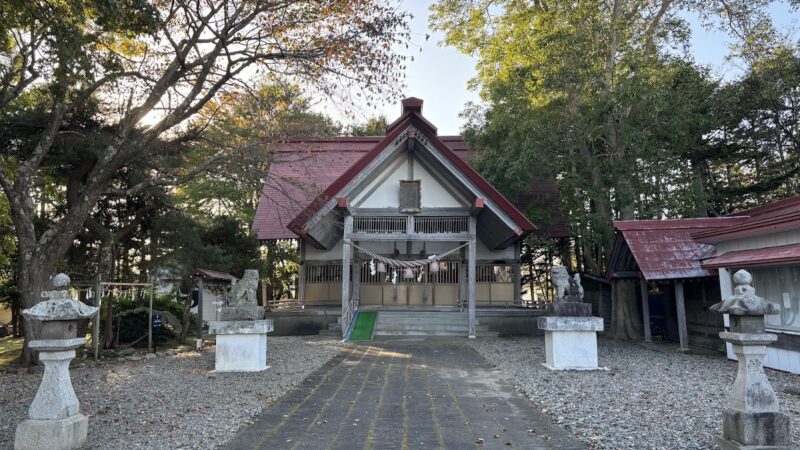
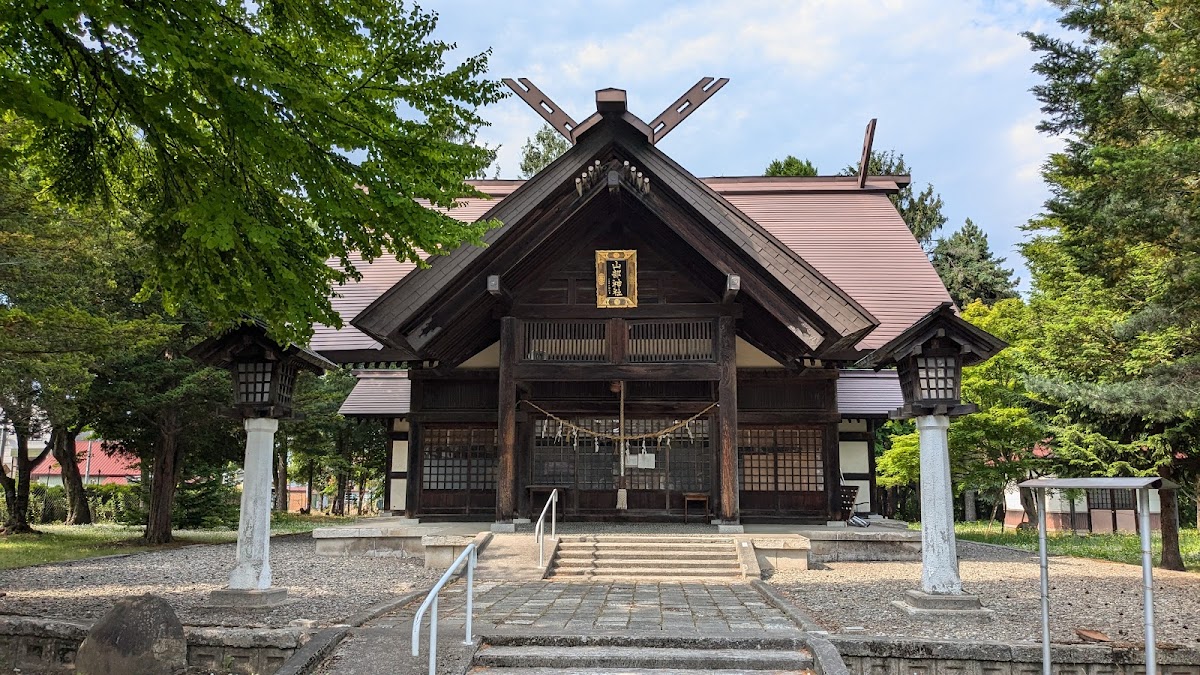
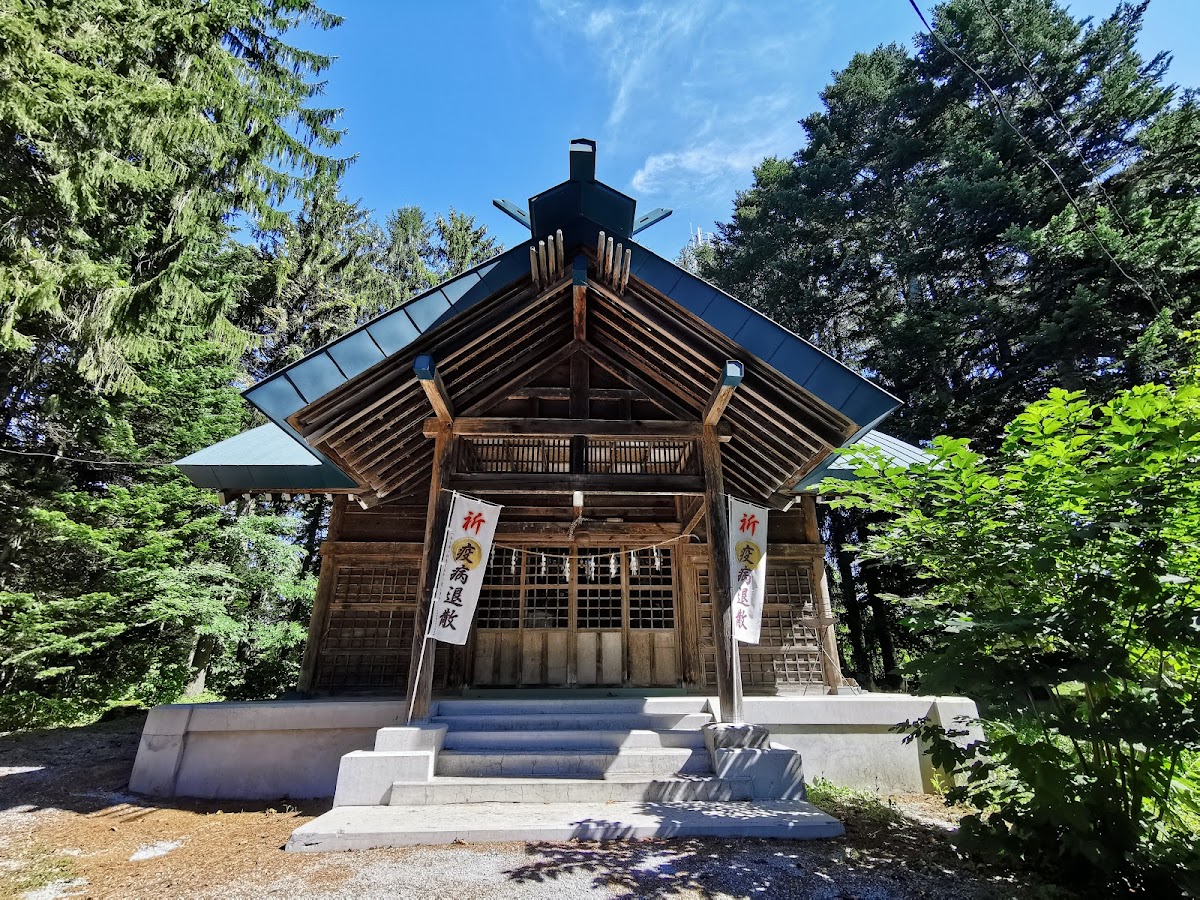
Shimukappu Shrine is a historic shrine located in Shimukappu Village, Yufutsu District, Hokkaido. Founded during the Meiji era alongside the development of the area, it has long been a center of faith for the local people. This article comprehensively explains everything you need to know before visiting Shimukappu Shrine, including its detailed history, enshrined deities, visiting information, and access methods.
Basic Information on Shimukappu Shrine
Shimukappu Shrine is located at 57 Shimukappu Genya, Shimukappu Village, Yufutsu District, Hokkaido. Its former shrine rank was Village Shrine. It belongs to the Hokkaido Shrine Association and is revered by local residents as the central shrine of Shimukappu Village.
Location: 57, Shimukappu Genya, Shimukappu Village, Yufutsu District, Hokkaido
Former Shrine Rank: Village Shrine
Deity Enshrined: Okunitama-no-kami
Annual Festival Date: September 15th (Autumn Festival)
Spring Festival: June 15th
The name of Shimukappu Village originates from the Ainu word “Shimokapu” (Shi-mo-kapu), meaning “a very quiet and peaceful upstream place.” As this name suggests, Shimukappu Shrine is situated in a tranquil environment surrounded by abundant nature.
History and Origin of Shimukappu Shrine
Circumstances of Founding
The history of Shimukappu Shrine dates back to the Hokkaido pioneering era. In April 1906 (Meiji 39), after the Shimukappu colony was established, in June 1907 (Meiji 40), the early settlers gathered and erected a small shrine on the current site. At this time, the enshrinement of a divided spirit from the Kanpei Taisha Sapporo Shrine (present-day Hokkaido Shrine) is considered the founding of Shimukappu Shrine. The enshrinement of a divided spirit from Sapporo Shrine is a characteristic seen in many shrines in Hokkaido, indicating that Sapporo Shrine was the center of faith in Hokkaido during the pioneering era.
History of Development
Since its founding, Shimukappu Shrine has developed as a center of local faith for over 30 years, with its spring festival held on June 15th and its autumn festival on September 15th each year. During this period, it has steadily improved, undergoing numerous changes such as the construction and renovation of the shrine buildings.
In Hokkaido during the pioneering era, shrines were a spiritual anchor and the center of the community for settlers living in a harsh natural environment. Shimukappu Shrine also has a history of walking hand in hand with the pioneering and development of Shimukappu Village.
Promotion to Village Shrine
Shimukappu Shrine was later elevated to the rank of a village shrine, establishing its status as an official shrine in Shimukappu Village. A village shrine is a position within the modern shrine ranking system, signifying a central shrine at the village level. This promotion is evidence of the important role Shimukappu Shrine played in the local community.
About the Enshrined Deity
Okunitama-no-kami
The enshrined deity of Shimukappu Shrine is Okunitama-no-kami. Okunitama-no-kami is sometimes considered another name for Okuninushi-no-kami and is widely worshipped as the god of land development, agriculture, and commerce.
The divine virtues of Okunitama-no-Kami include the following:
- Protection of Land Development and Reclamation: The power to open up and develop new lands
- Abundant Harvest: Bringing abundant harvests of crops
- Business Prosperity: Guiding success in commercial activities
- Matchmaking: The power to forge good relationships
- Protection from Evil: The power to protect from disasters
The fact that Okunitama-no-Kami is enshrined in shrines founded during the pioneering period of Hokkaido is thought to embody the settlers’ wish to develop undeveloped land and make it a fertile place.
Relationship with Sapporo Shrine
As mentioned above, Shimukappu Shrine received a divided spirit from the Kanpei Taisha Sapporo Shrine (now Hokkaido Jingu). Sapporo Shrine was founded in 1869 (Meiji 2) as the guardian deity of Hokkaido’s development, and enshrines the three pioneering deities: Ōkunitama-no-kami, Ōnamuchi-no-kami, and Sukunahikona-no-kami.
The fact that Shimukappu Shrine received a divided spirit from Sapporo Shrine signifies a spiritual connection between the two shrines, sharing the common mission of developing Hokkaido.
Annual Festival and Events
Autumn Grand Festival (September 15th)
Shimukappu Shrine’s annual festival is held on September 15th. The annual festival is the most important ritual at the shrine, where gratitude is offered to the enshrined deities and prayers are offered for the peace and prosperity of the region.
The Autumn Grand Festival, held during the harvest season, is a festival strongly associated with expressing gratitude for a bountiful harvest and praying for a good harvest the following year. It is common for local residents to gather, and events such as a portable shrine procession and offering ceremonies are held.
Spring Festival (June 15th)
The Spring Festival is held on June 15th. This festival takes place at the start of the agricultural season and is a ritual to pray for a bountiful harvest. In Hokkaido’s short agricultural season, the Spring Festival holds significant importance.
Other Annual Events
In addition to the annual festival and the Spring Festival, the following annual events are believed to be held at Shimukappu Shrine:
- New Year’s Day Festival (January 1st): Celebrating the New Year and praying for peace throughout the year
- Setsubun Festival (around February 3rd): Praying for protection from evil and for good fortune
- Shichi-Go-San Ceremony: Celebrating the growth of children
- Year-End Purification Ceremony (December 31st): Purifying oneself of the sins and impurities of the year
For specific details on these events, it is recommended to contact the Hokkaido Shrine Association or the Shimukappu Village Office.
Goshuin (Shrine Seal) Information
Regarding the Issuance of Goshuin
Shimukappu Shrine offers goshuin, but since there may not be a resident priest, prior confirmation is necessary. In small shrines in Hokkaido, priests from nearby shrines often manage the shrine as part of a combined service, and may not be present during your visit.
Those wishing to receive a goshuin are advised to confirm in advance using the following methods:
- Inquiry to the Hokkaido Shrine Association: Confirm the contact information of the priest managing Shimukappu Shrine.
- Inquiry to the Shimukappu Village Office: Obtain information regarding visits and goshuin.
- Advance Contact: Inform the date and time of your visit and confirm the priest’s presence.
Features of the Goshuin
The goshuin from Shimukappu Shrine includes the shrine name “Shimukappu Shrine” written in ink and stamped with the shrine’s seal. The date is also included, making it a cherished memento of your visit.
A goshuin is proof of your shrine visit, not a stamp rally. It is something you receive as proof after a sincere visit. When visiting the shrine, first perform the proper ritual of two bows, two claps, and one bow at the main hall, and then receive your Goshuin (shrine stamp).
Visiting Shrines in Shimukappu Village
Besides Shimukappu Shrine, several other shrines are located in Shimukappu Village. Visiting these shrines as well will allow you to experience the local history and culture more deeply.
Main Shrines in Shimukappu Village
There are said to be six shrines in Shimukappu Village. While Shimukappu Shrine is the central shrine of the village, each district has its own shrine, serving as a spiritual pillar of the local community.
These shrines were built by the settlers of each district during the pioneering era, and each has its own unique history and origins. Visiting these shrines will allow you to experience firsthand the pioneering history of Shimukappu Village.
Tips for Visiting Shrines
When visiting shrines in Shimukappu Village, please note the following:
- Gather information beforehand: Check the location and visiting hours of each shrine.
- Season and weather: Visiting shrines may be difficult due to snow in Hokkaido’s winter.
- Consideration for the community: Shrines are sometimes located in residential areas, so please visit quietly.
- Handling unmanned shrines: Many shrines do not have resident priests, so you may only be able to place offerings in the offering box.
Access Information
Location
Address: 57 Shimukappu Genya, Shimukappu Village, Yufutsu District, Hokkaido 079-2201
Access by Car
The most convenient way to access Shimukappu Shrine is by car.
From Sapporo:
- Take the Hokkaido Expressway and exit at Shimukappu IC (approx. 1 hour 30 minutes)
- Take National Route 237 to the center of Shimukappu Village
From Asahikawa:
- Take the Hokkaido Expressway and exit at Shimukappu IC (approx. 1 hour)
- Take National Route 237 to the center of Shimukappu Village
From Furano:
- Head south on National Route 237 (approx. 40 minutes)
Regarding parking availability, we recommend checking with the Shimukappu Village Office or the Hokkaido Shrine Association before your visit.
Access by Public Transportation
By JR:
- Get off at Shimukappu Station on the JR Sekisho Line
- Walk or take a taxi from the station to the shrine
Shimukappu Station is a stop for express trains, but the number of trains is limited, so please check the timetable in advance. Regarding the distance from the station to the shrine, we recommend checking with the Shimukappu Village Office.
If using the bus:
- Bus service varies seasonally, so prior confirmation is essential.
Nearby Facilities
Shimukappu Village has the following tourist facilities:
- Tomamu Resort: A large resort facility operated by Hoshino Resorts.
- **Shimukappu Roadside Station: Where you can obtain local specialties and information.
- Shimukappu Village Local History Museum: A facility where you can learn about the village’s history and culture.
Visiting these facilities in conjunction with visiting the shrine will allow you to experience the charm of Shimukappu Village more deeply.
Manners and Etiquette for Visiting a Shrine
Basic Etiquette for Visiting a Shrine
When visiting Shimukappu Shrine, please observe the following basic etiquette:
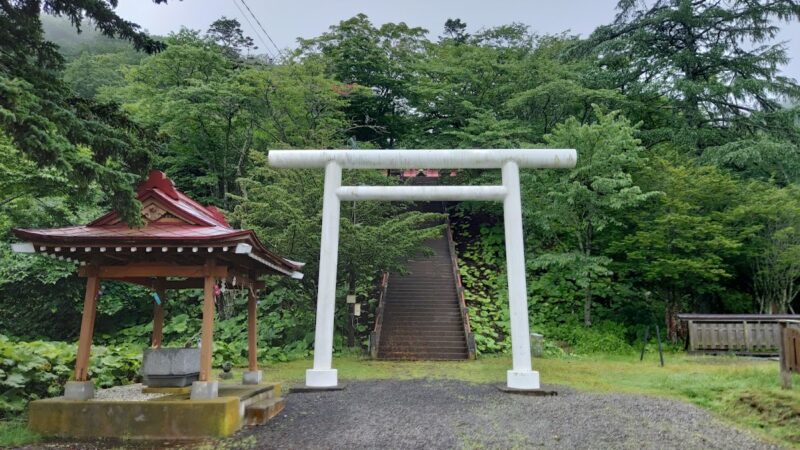
- Bow before passing through the torii gate: A courtesy before entering the sacred area.
- Avoid walking in the center of the path: The center of the path is considered the path of the gods.
- Purify yourself at the water basin: Cleanse your hands and mouth to purify your mind and body (may be unusable in winter due to freezing).
- Worship at the main shrine: Follow the two bows, two claps, and one bow ritual.
- Bow upon leaving: After leaving the torii gate, turn around and bow.
Two Bows, Two Claps, and One Bow Ritual
- Two Bows: Bow deeply twice.
- Two Claps: Clap your hands twice at chest height.
- One Bow: Bow deeply once.
This is a basic Shinto worship method and is common to many shrines throughout Japan.
Points to Note When Visiting Shrines in Hokkaido
When visiting shrines in Hokkaido, please pay particular attention to the following points:
- Winter Visits: The paths to the shrine can become slippery due to snow and ice, so wear appropriate footwear.
- Temperature Precautions: Winters are extremely cold, so take sufficient precautions against the cold.
- Wildlife: In Hokkaido, there is a possibility of encountering wild animals such as bears, so be especially careful in the early morning and evening.
- Insect Repellent: In summer, there are many insects such as mosquitoes and horseflies, so carry insect repellent spray.
The Charm of Shimukappu Village
Natural Environment
Shimukappu Village is located almost in the center of Hokkaido and is blessed with abundant nature. Approximately 90% of the village’s area is covered by forest, allowing visitors to enjoy the beautiful natural scenery of each season.
In summer, it’s a lush green forest; in autumn, the leaves change color; and in winter, it’s a world of silver snow, showing different faces depending on the season you visit. When you visit Shimukappu Shrine, please also enjoy this rich natural environment.
Origin of the Place Name and Ainu Culture
As mentioned above, the place name “Shimukappu” originates from the Ainu word “Shimokapu.” “Shi” means “large,” “mo” means “quiet,” and “kapu” means “upstream,” so it means “a very quiet and peaceful place upstream.”
This place name indicates that Shimukappu Village is located in the upper reaches of the Mukawa River and is blessed with a tranquil natural environment. The Ainu people deeply observed nature and gave place names that accurately expressed its characteristics. The name Shimukappu itself conveys the richness of the natural environment of this area.
History of Shimukappu Village
The development of Shimukappu Village began in the late Meiji era. In 1906 (Meiji 39), the area was designated as a colony, and settlers migrated from various parts of Honshu. The founding of Shimukappu Shrine (1907, Meiji 40) is closely linked to this history of development.
Amidst a harsh natural environment, the settlers overcame difficulties and developed the village. Today, Shimukappu Village, a village rich in nature with agriculture, forestry, and tourism as its core industries, carries on this history.
About the Hokkaido Association of Shinto Shrines
Shimukappu Shrine belongs to the Hokkaido Association of Shinto Shrines. The Hokkaido Association of Shinto Shrines is a religious corporation that encompasses shrines within Hokkaido and functions as a regional branch of the Association of Shinto Shrines.
The Role of the Hokkaido Association of Shinto Shrines
The Hokkaido Association of Shinto Shrines has the following roles:
- Support for the Management and Operation of Shrines: Supporting the proper management and operation of shrines within Hokkaido
- Training and Development of Shinto Priests: Conducting training to improve the qualifications of Shinto priests
- Dissemination of Shinto Culture: Activities to disseminate correct knowledge about Shinto
- Inheritance of Rituals: Inheritance and development of traditional rituals
- Contribution to Local Communities: Contributing to local communities through shrines
Characteristics of Shrines in Hokkaido
Shrines in Hokkaido have several characteristics compared to shrines south of Honshu:
- Recent Founding Period: Many were founded after the Meiji era
- Faith in the Three Deities of Development: Many shrines enshrine Okunitama-no-kami, Onamuchi-no-kami, and Sukunahikona-no-kami
- Invitation from Sapporo Shrine (Hokkaido Jingu): Many shrines invite a divided spirit from Sapporo Shrine
- Many Shrines are Managed by Multiple Shrines: One Shinto priest manages multiple shrines.
Shimukappu Shrine is a typical Hokkaido shrine, possessing these characteristics.
Summary
Shimukappu Shrine is a historic shrine that has walked hand in hand with the development of Hokkaido during the Meiji era. It enshrines Okunitama-no-kami as its main deity and has attracted the faith of the local people.
Nestled in Shimukappu Village, surrounded by abundant nature, Shimukappu Shrine is a valuable cultural heritage site that conveys the history of Hokkaido’s development. When visiting Shimukappu Village, be sure to pay your respects at Shimukappu Shrine and reflect on the aspirations of the pioneers and the history of Hokkaido.
When visiting, it is recommended to contact the Hokkaido Shrine Association or Shimukappu Village Office in advance to confirm the presence of Shinto priests and the availability of Goshuin (shrine stamps). Also, please prepare appropriate clothing and equipment for Hokkaido’s climate to ensure a safe visit.
We hope that your visit to Shimukappu Shrine will be a memorable and valuable experience.