Omori Shrine (Karo, Chigusa-cho, Shiso City, Hyogo Prefecture) | Complete Guide to History, Access, and Goshuin Information
Omori Shrine, located in Karo, Chigusa-cho, Shiso City, Hyogo Prefecture, is a historical shrine founded in 824 AD. This article provides a detailed introduction to Omori Shrine, including its history, its interesting relationship with the neighboring Karo Omori Shrine, how to worship, access information, and information on Goshuin (shrine stamps), incorporating local information.
Basic Information about Omori Shrine
Location and Contact Information
Address: 28 Karo, Chigusa-cho, Shiso City, Hyogo Prefecture 671-3231
Phone Number: Please contact the Hyogo Prefectural Shrine Association for details
Corporate Number: 8140005006970
Affiliation: Hyogo Prefectural Shrine Association
Deities Enshrined
Omori Shrine enshrines three deities.
- Ōyamatsumi-no-Mikoto: Known as the god of mountains, and the guardian deity of industry and agriculture.
- Ukanomitama-no-Mikoto: God of abundant harvests and business prosperity.
- Susanoo-no-Mikoto: God of protection against misfortune and disease.
These deities have long been revered as guardians of local agriculture and the lives of the people.
History and Origins of Ōmori Shrine
From Founding to Relocation to Current Location
The history of Ōmori Shrine dates back to the early Heian period.
It was first founded on September 9, 824 (Tenchō 1) in Kawaro-ji Myōjinno. This was during the reign of Emperor Saga, a time when Shinto worship in Japan was spreading throughout the country.
Later, as development progressed in the area, the shrine was relocated to Chigusa Nishidoi-ku for easier access for worshippers. This relocation is considered a natural progression accompanying the development of the region and the increase in population.
However, during the Koan era (1278-1287), in the late Kamakura period, the shrine grounds were damaged by a flood. Following this disaster, the shrine was relocated to its current location at 28 Kawaro, Chigusa-cho, where it remains today.
What Multiple Relocations Tell Us
The fact that Omori Shrine has experienced three relocations speaks to the changes in the natural environment of the region and the strong faith of the local residents who have continued to protect their beliefs while adapting to these changes. In particular, the history of overcoming the difficulty of the shrine grounds being destroyed by floods and rebuilding demonstrates the strong unity of the local community.
Relationship with the Adjacent Kawaro Omori Shrine
A Rare Landscape with Two Omori Shrines Side by Side
The most distinctive feature of Omori Shrine is that another shrine, “Karo Omori Shrine,” is located right next to it, back to back. This is an extremely rare arrangement nationwide, surprising visitors.
Historical Background of the Division
There is an interesting historical reason why the two shrines exist side by side.
Long ago, a dispute arose in the Kawaro settlement over the location of the shrine. Different groups within the settlement each argued that the shrine should be located in their own area. This dispute did not reach a resolution, and ultimately, each settlement rebuilt its shrine independently.
As a result, the two Omori Shrines now stand side by side. This arrangement conveys the historical conflict in the region and the people’s continued devotion to their faith despite the circumstances.
Current Relationship Between the Two Shrines
Currently, both shrines are respected as local guardian deities and are carefully maintained by their respective parishioners. Many visitors visit both shrines, creating a unique style of worship known as “two-shrine pilgrimage.”
Shrine Grounds and Highlights
Guardian Forest and Approach
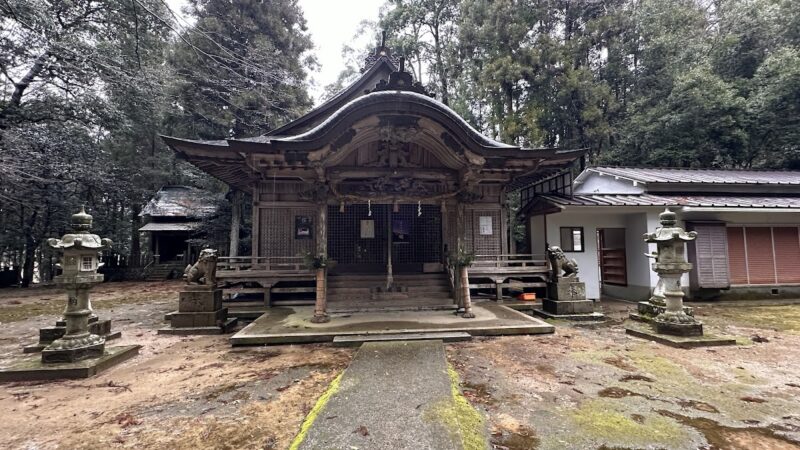
Omori Shrine is surrounded by a lush guardian forest. A long approach path leads to the main shrine, and walking through the forest allows you to experience a sacred space away from everyday life.
The approach path is surrounded by natural trees, displaying different expressions in each season. Spring brings fresh greenery, summer brings deep green, autumn brings vibrant foliage, and winter brings silence and snowscapes—each season offers its own unique beauty.
Shrine Gate and Main Hall
Within the shrine grounds is a magnificent shrine gate, conveying the dignity of the shrine. Passing through the gate, a stone staircase leading to the main hall appears.
These staircases are quite steep and numerous, so caution is advised when visiting. Especially for the elderly or those with mobility issues, it is recommended to climb slowly and carefully. Use the handrail and proceed at a comfortable pace.
Shrine Architecture
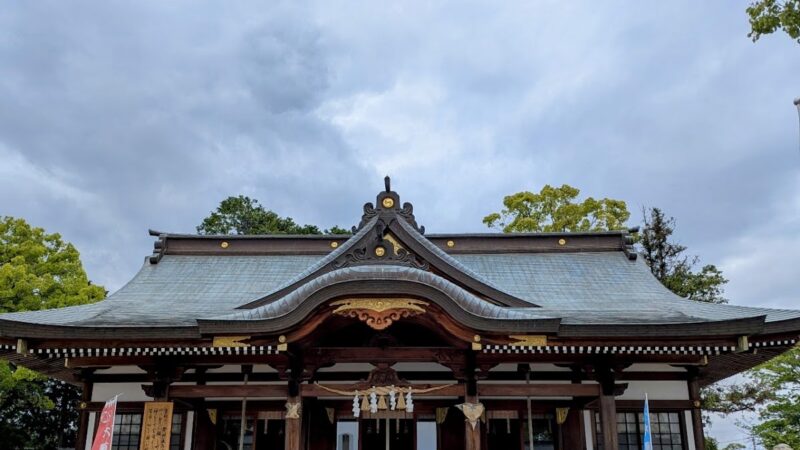
The main hall features a historical architectural style, preserving the characteristics of traditional shrine architecture in the region. The shrine is regularly maintained, reflecting the deep faith of the local people.
How to Visit and Etiquette
Basic Visiting Etiquette
- Bow at the Torii Gate: Before entering the shrine grounds, bow at the torii gate.
- Purify at the Water Basin: If there is a water basin, purify your hands and mouth.
- Walking Along the Path: The center of the path is considered the path of the gods, so walk along the sides.
- Etiquette at the Main Hall: The basic procedure is two bows, two claps, and one bow.
- When Leaving: After leaving the torii gate, turn around and bow.
Precautions When Climbing the Stairs
The stairs at Omori Shrine are steep, so please pay attention to the following points.
- Be especially careful of slippery surfaces during rainy or snowy weather.
- Wear comfortable clothing and non-slip shoes when visiting.
- Use handrails whenever available.
- Climb at your own pace without overexerting yourself.
Access Information
Access by Public Transportation
Nearest Bus Stop: Shinki Bus “Omorimae” bus stop
Travel Time from Bus Stop: Approximately 2 minutes on foot
If using Shinki Bus, it is recommended to check the timetable in advance. There may be fewer buses running, especially on holidays and during winter.
Nearest Station: JR Kishin Line “Senbon Station” or “Ishii Station”
Since it is a distance from the station, using a taxi or bus is convenient.
Access by Car
Approximately 30 minutes from the Chugoku Expressway “Yamazaki IC” via National Route 29.
Parking: Please check details on-site. As it is a small local shrine, dedicated parking may be limited. Please avoid street parking as it will inconvenience the neighbors.
Landmarks in the Surrounding Area
The Kawaro area is located in Chigusa-cho, in the northern part of Shiso City. The surrounding area is a quiet rural area with abundant nature in the mountains. When using a car navigation system, please enter the address “28 Kawaro, Chigusa-cho, Shiso City, Hyogo Prefecture”.
Goshuin (Shrine Seal) Information
Regarding the Issuance of Goshuin
Regarding the issuance of Goshuin at Omori Shrine, there may not be a permanent shrine office. If you wish to receive a Goshuin, please try the following methods:
- Inquiry to the Hyogo Prefectural Shrine Association: Contact them in advance to confirm whether they are able to issue Goshuin.
- Visiting the Priest’s Residence: If the shrine is managed by a local priest, please contact them in advance before visiting.
- Handling at a Nearby Shrine: The priest may also serve at another shrine in Shiso City.
Regarding Goshuincho (Shrine Seal Books)
Information regarding the distribution of original Goshuincho is limited. We recommend bringing a standard Goshuincho.
Annual Events and Festivals
Annual Festivals
As a local shrine, various festivals are likely held throughout the year.
- Spring Annual Festival: Prayers for a bountiful harvest
- Autumn Annual Festival: Thanksgiving for the harvest
- Monthly Festivals: Regular monthly festivals
For specific dates, please inquire with local parishioners or the Hyogo Prefectural Shrine Association.
Connection with the Community
Omori Shrine plays a central role in the local community as the tutelary shrine of the Kawaro district. Local residents gather for festivals, deepening community bonds through traditional events.
Recommended Nearby Spots
Tourist Spots in Chikusa Town
Chikusa Plateau: A plateau at an altitude of 900m, featuring a ski resort and campground. Enjoy skiing in winter and camping in summer, making it enjoyable throughout the seasons.
Chikusa Onsen: A hot spring facility to soothe fatigue. Perfect for relaxing after visiting the shrine.
Aegaiya Chikusa: A roadside station where you can buy local specialties and fresh vegetables.
Other Shrines in Shiso City
Tokura Omori Shrine: A shrine of the same name located in Tokura, Haga-cho, Shiso City. It’s also worth a visit.
Mikata Shrine: One of the representative shrines in Shiso City.
About Photography
Photography Etiquette
Photography is generally permitted at shrines, but please observe the following etiquette.
- Photography inside the main shrine: Do not take photos without permission.
- Consideration for other worshippers: Be careful not to disturb those worshipping.
- Use of tripods: Refrain from using tripods if the shrine grounds are narrow.
- Flash photography: Use flash sparingly in sacred places.
Recommended Photo Spots
- The approach to the shrine through the sacred forest: Beautiful sunlight filtering through the trees.
- The shrine gate and main hall: Expressing the solemnity of the shrine.
- The arrangement with the adjacent Kawaro Omori Shrine: A rare landscape of two shrines standing side by side.
Guidelines for Visiting Omori Shrine
Visiting in a Quiet Environment
Omori Shrine is a community-based shrine that has not been commercialized for tourism. Therefore, please keep the following points in mind when visiting.
- Silent Worship: Please refrain from loud conversations.
- Consideration for Local Residents: Please be mindful of parking and noise on residential streets.
- Take Your Trash Home: Please keep the temple grounds clean.
- Consideration for Photography: Please be considerate of privacy when taking photographs.
Seasonal Charms of Visiting the Temple
Spring (March-May): A beautiful season of fresh greenery. The trees along the approach to the temple are budding, allowing you to worship in refreshing air.
Summer (June-August): The temple grounds are enveloped in deep green. The cool forest is perfect for escaping the summer heat.
Autumn (September-November): A beautiful season of autumn leaves. The sacred forest is dyed in red and yellow.
Winter (December-February): The temple grounds are enveloped in silence. Worshiping amidst a snowy landscape is exceptional.
About Chigusa-cho, Shiso City
Regional Characteristics
Chigusa-cho is located in the northern part of Shiso City and is a particularly naturally rich area within Hyogo Prefecture. Although the population is small, it is an attractive region with abundant nature and preserved traditional culture.
Elevation: Located in a mountainous area, at a high elevation
Climate: Relatively cool summers, with snowfall in winter
Local Products: Mountain produce, rice grown in clear streams, etc.
Historical Background
Chigusa-cho has long been a region where forestry and agriculture thrived. The culture and beliefs unique to mountainous regions remain strong, and local shrines like Omori Shrine are closely intertwined with people’s lives.
Precautions for Visiting the Shrine
Clothing
- Comfortable clothing: Due to the steep stairs, pants are recommended over skirts.
- Non-slip shoes: Avoid heels and wear comfortable walking shoes such as sneakers.
- Seasonal clothing: Take precautions against the cold in winter and insects in summer.
Items to Bring
- Drinking water: Hydration is especially necessary in summer.
- Towel: You will sweat climbing the stairs.
- Insect repellent spray: As you are in a forest, insect repellent is necessary in summer.
- Rain gear: The weather can change quickly in this mountainous area.
Time of Day
Visiting the shrine during daylight hours is recommended. Especially for first-time visitors, daytime visits are safer. After sunset, visibility is poor, so be careful not to fall on the stairs.
Summary
Omori Shrine, located in Kawaro, Chigusa-cho, Shiso City, Hyogo Prefecture, is a historic shrine founded in 824 AD. Its unusual location, adjacent to Kawaro Omori Shrine, speaks to the region’s historical background.
Surrounded by a lush sacred forest, the shrine grounds, long approach, and the shrine building reached at the top of a steep staircase evoke a sense of tranquility and solemnity in visitors. In its unspoiled, unspoiled atmosphere, it’s a place where one can reflect on the true meaning of visiting a shrine.
While access by public transportation is somewhat inconvenient, this is precisely why the quiet environment has been preserved. When visiting Shiso City, be sure to visit this historic Omori Shrine and experience the region’s faith and history.
When visiting, remember to be considerate of the local residents, observe proper etiquette, and pray with a quiet heart. This will allow you to have a time for dialogue with the gods and with yourself.