Complete Guide to Tsukuba-san Shrine | A Detailed Explanation of its 3000-Year History and Blessings for Matchmaking
What is Tsukuba-san Shrine?
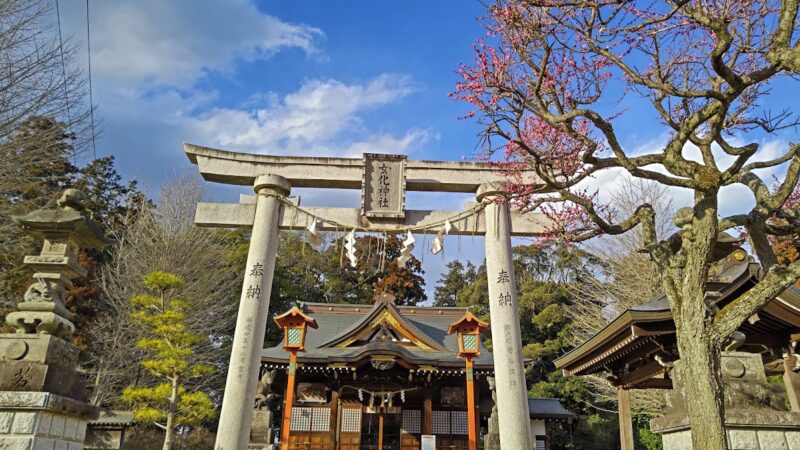
Tsukuba-san Shrine, located in Tsukuba, Tsukuba City, Ibaraki Prefecture, is one of Japan’s most prestigious and historic shrines. It reveres Mount Tsukuba itself (877m above sea level) as its sacred object, and its history of worship spans over 3000 years. The shrine grounds boast a vast area of approximately 370 hectares, encompassing the worship hall on the mountainside to the summit, and are known as a scenic spot offering panoramic views of the Kanto Plain.
The most distinctive feature of Tsukuba-san Shrine is that the main shrine is located at the summit. Izanagi-no-Mikoto is enshrined at the summit of the western peak (Mt. Nantai), and Izanami-no-Mikoto is enshrined at the summit of the eastern peak (Mt. Nyotai). The worship hall on the mountainside serves as a place for worshipping these two peaks from afar. Because it enshrines this divine couple, it is a sacred site of worship that attracts many visitors from all over Japan as a deity of matchmaking, marital harmony, and family safety.
It is listed in the Engishiki Jinmyocho (a list of shrines compiled in the Heian period) as a Shikinaisha (one Myojin Taisha and one Shosha), and its former rank was Prefectural Shrine. Currently, it is designated as a Beppyo Jinja (special shrine) by the Association of Shinto Shrines. As a representative shrine of Ibaraki Prefecture, it continues to be a center of local faith.
The History and Origins of Tsukuba-san Shrine
Ancient Beliefs
The history of Tsukuba-san Shrine dates back to the age of Japanese mythology. The Hitachi no Kuni Fudoki (a regional gazetteer) records that Mount Tsukuba was revered as a sacred mountain, and it has attracted people’s faith as a sacred mountain since the Manyo period. The Manyoshu (an ancient collection of Japanese poetry) contains 25 poems about Mount Tsukuba, indicating that it has been known as a poetic place name since ancient times.
The poem by Emperor Yōzei, included in the Ogura Hyakunin Isshu (One Hundred Poets, One Poem Each), “Like the clear stream flowing down from Mount Tsukuba, my love has accumulated and become a deep pool,” is a representative work that illustrates the cultural importance of Mount Tsukuba. This poem expresses the passion of love, like the clear stream flowing down from Mount Tsukuba, accumulating and becoming a deep pool.
Development from the Medieval to the Early Modern Period
During the Kamakura period, Mount Tsukuba was deeply revered by the samurai class, with many warlords praying for victory in battle and the safety of their territories. In particular, as a sacred mountain in the Kanto region, it attracted the faith of warriors from the Bandō region.
In the Edo period, Tokugawa Ieyasu considered Mount Tsukuba important as a sacred mountain protecting Edo Castle and established a place of prayer. It enjoyed the deep trust of the shogunate, and the third shogun, Tokugawa Iemitsu, even dedicated a sword to the mountain, demonstrating the patronage of the Tokugawa shogunate. The sword bearing the Yoshimune inscription, designated as a National Important Cultural Property, is a valuable cultural artifact demonstrating the deep connection with the shogunate during this period.
Developments Since the Modern Era
The Meiji-era separation of Shinto and Buddhism drastically altered the form of worship at Mount Tsukuba, which had previously been a syncretic blend of Shinto and Buddhism. Buddhist facilities were separated, and the shrine was formalized as a Shinto shrine. It was ranked as a prefectural shrine and positioned as a representative shrine of Ibaraki Prefecture.
Currently, as a special shrine of the Association of Shinto Shrines, it operates as an open shrine that preserves traditional rituals while also meeting the needs of modern worshippers.
Deities and Benefits
Main Deity
The main deity of Tsukuba-san Shrine is the couple of gods who created Japan in Japanese mythology.
Tsukuba-o-no-Okami – Izanagi-no-Mikoto
Enshrined in the main hall at the summit of the western peak (Mount Nantai). This is the male deity who created the land of Japan and many gods, a symbol of strength and creation.
Tsukuba-me no Okami (Izanami-no-Mikoto)
Enshrined in the main hall at the summit of the eastern peak (Mount Nyotai). She is the goddess who created the land alongside Izanagi, a symbol of life and fertility.
These two deities are known as the oldest married couple in Japan, and due to the myth of their cooperation in creating the land of Japan, they are deeply revered as gods of marital harmony and matchmaking.
Main Benefits
Tsukuba Shrine is believed to offer the following benefits:
Matchmaking and Romantic Success
Because it enshrines a married couple, it is constantly visited by people seeking good fortune in love. It is particularly popular among younger generations, and many couples visit.
Marital Harmony and Family Peace
Many visitors come to pray for improved marital relationships and family peace, thanks to the divine blessings of the harmonious married couple deities.
Traffic Safety
As a shrine of mountain worship, it is also revered as a deity that protects travelers safely.
Exorcism and Good Fortune
It is believed that the powerful divine energy of the sacred mountain wards off misfortune and brings good fortune.
Safe Childbirth and Fertility
As the shrine enshrines the deities who created life, many visitors come to pray for safe childbirth and fertility.
Highlights and Notable Places within the Shrine Grounds
Worship Hall (Mid-Mountain)
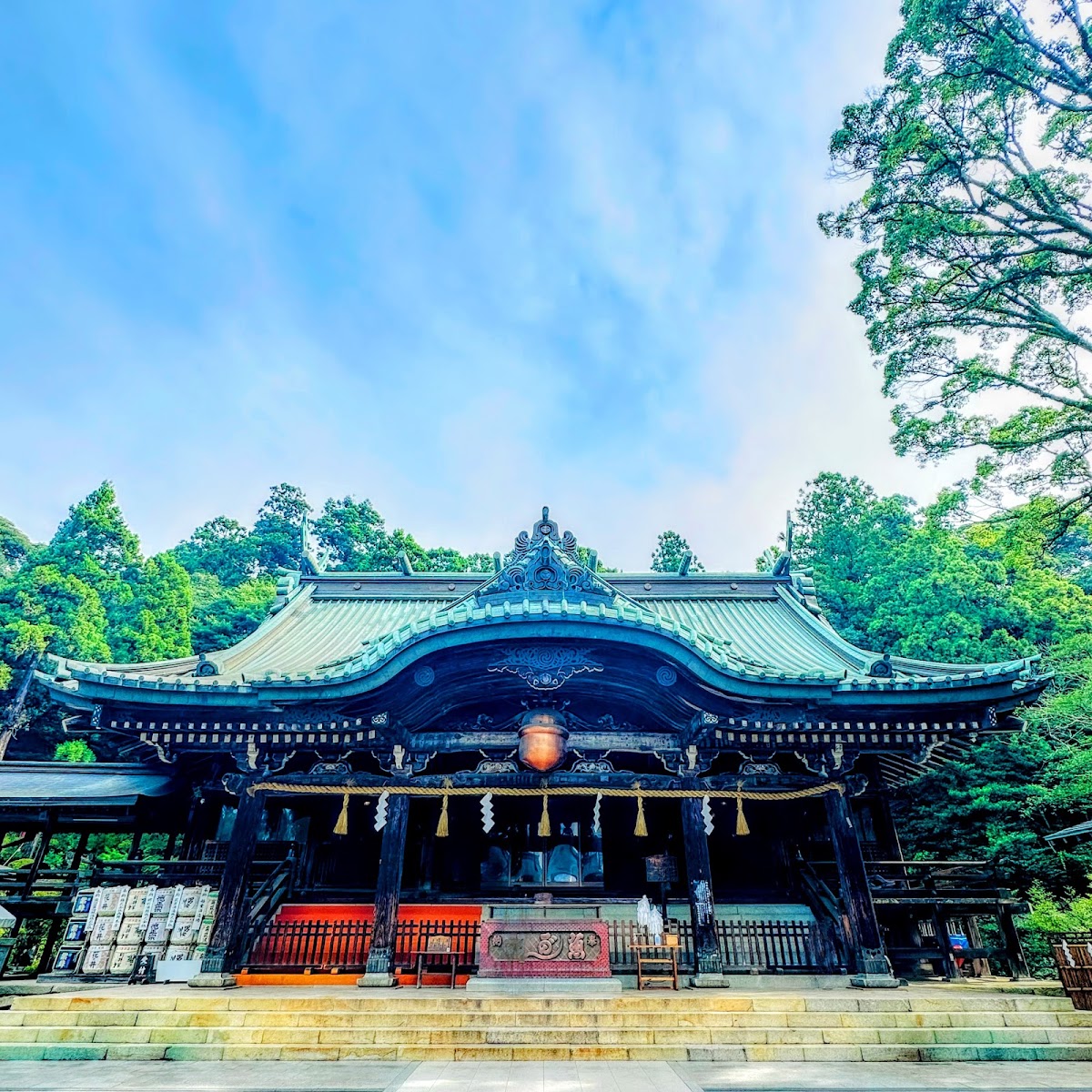
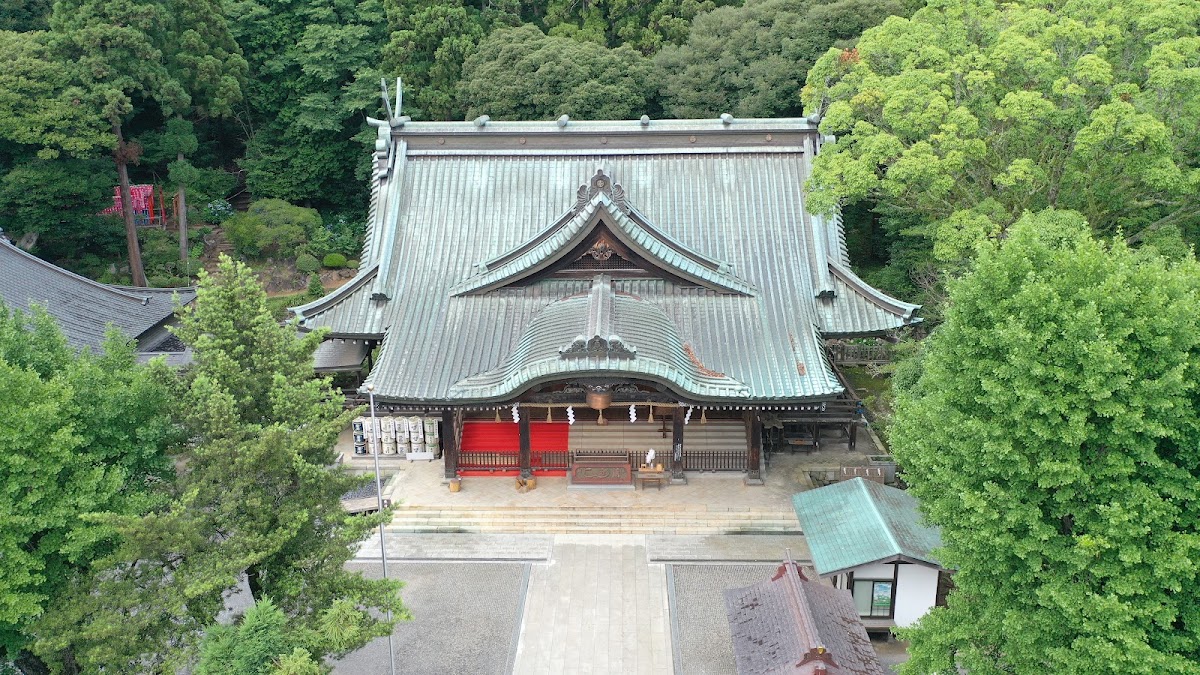
The worship hall of Tsukuba-san Shrine is located near Miyawaki Cable Car Station, mid-mountain at an altitude of approximately 270m. This worship hall serves as a place of worship for those who wish to pay homage to the two main shrines at the mountaintop, and many visitors offer their prayers here.
Around the main hall, you’ll find the Kagura Hall, the shrine office, and the amulet shop, where you can receive Goshuin (shrine stamps) and amulets. The grounds are home to many ancient trees, some hundreds of years old, creating a sacred atmosphere.
Approach and Zuishinmon Gate
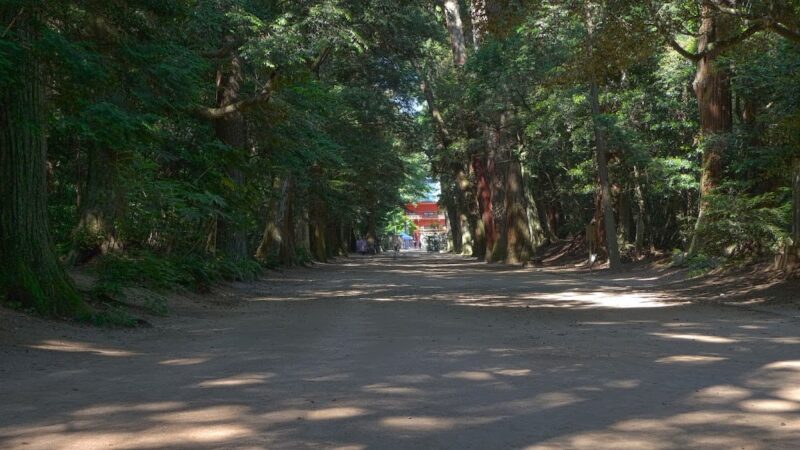
The approach to Tsukuba-san Shrine is a historic road leading from Tsukuba city. Souvenir shops and restaurants line the path, preserving the atmosphere of a temple town.
The Zuishinmon Gate is an important structure marking the entrance to the sacred area; passing through it envelops you in a sacred atmosphere. Statues of guardian deities are enshrined on either side of the gate, watching over worshippers.
Summit Main Shrines (Mt. Nantai and Mt. Nyotai)
There are main shrines on each of Mt. Tsukuba’s two peaks.
Mt. Nantai Summit Main Shrine (Elevation 871m)
This shrine, dedicated to Izanagi-no-Mikoto, offers a spectacular panoramic view of the Kanto Plain. On a clear day, you can see as far as Mount Fuji and Tokyo Skytree.
Mount Nyotai’s Summit Main Shrine (Elevation 877m)
This shrine, dedicated to Izanami-no-Mikoto, is located at the highest peak of Mount Tsukuba. Here too, you can enjoy a magnificent view and feel the sacred atmosphere of this holy mountain.
To reach the summit, you can use the cable car or ropeway, or hike up the mountain trails. There are multiple hiking routes, so you can choose one according to your fitness level and available time.
Other Highlights
The Great Cedar
Within the temple grounds is a sacred cedar tree said to be 800 years old, a popular power spot.
Itsukushima Shrine
Within the temple grounds is the Itsukushima Shrine, dedicated to Benzaiten, and is believed to bring good fortune in performing arts and wealth.
Kasuga Shrine
One of the shrines within the grounds, dedicated to Takemikazuchi-no-Mikoto, is believed to bring good fortune in victory and general good luck.
Annual Events and Festivals
Tsukuba-san Shrine holds various festivals and events throughout the year.
Oza-gawari Festival (Seat Change Festival)
This is the representative festival of Tsukuba-san Shrine, held twice a year in spring and autumn.
Spring Oza-gawari Festival (April 1st)
This is a Shinto ritual to move the sacred object of Nyotai-san, which had been enshrined in the main hall of Nantai-san during the winter, to the main hall of Nyotai-san.
Autumn Oza-gawari Festival (November 1st)
This is a Shinto ritual to enshrine the sacred object of Nyotai-san in the main hall of Nantai-san, symbolizing the married deities spending winter together.
This festival represents a unique form of belief in which the married deities change their residence according to the seasons, and is known as a rare festival nationwide.
New Year’s Eve Festival (February 10th and 11th)
This is a traditional festival held around the time of the New Year according to the lunar calendar. This festival celebrates the arrival of spring, marking the start of the agricultural season, and prays for a bountiful harvest. The all-night rituals are solemn and attract many worshippers.
Gama Festival (Early August)
This festival is named after the toads, a specialty of Mount Tsukuba, and features performances by toad oil vendors. It’s a rare opportunity to see traditional street performances that have continued since the Edo period. Many worshippers visit to pray for family safety and business prosperity.
Other Main Events
- Hatsumode (January 1st-3rd): The shrine is bustling with worshippers praying for happiness in the new year.
- Setsubun Festival (February 3rd): Bean-throwing ceremonies are held to ward off evil.
- Natsukoshi no Oharae (June 30th): A Shinto ritual to cleanse away the sins and impurities accumulated over the past six months.
- Annual Grand Festival (November 1st): This is the most important festival, held on the same day as the Autumn Imperial Guard Festival.
- New Year’s Eve Purification Ceremony (December 31st): This is a Shinto ritual to purify and cleanse away the sins and impurities of the past year.
About Prayers
Tsukuba-san Shrine accepts prayers for various wishes.
Main Types of Prayers
- Family Safety and Good Health
- Traffic Safety and Travel Safety
- Protection from Evil and Misfortune
- Business Prosperity and Success
- Success in Exams and Academic Achievement
- Safe Childbirth and First Shrine Visit
- Shichi-Go-San Ceremony
- Matchmaking and Good Relationships
- Recovery from Illness
Prayer Reception
Reservations are not required for prayers, and same-day registration is possible. However, group prayers and wedding ceremonies require advance reservations. For information regarding reception hours and offering fees, we recommend checking the official website or calling.
You can register at the main hall on the mountainside and receive a formal prayer from a Shinto priest. After the prayer, you will be given amulets and talismans.
About Weddings
Tsukuba-san Shrine is a popular venue for Shinto weddings, as it enshrines the god of matchmaking.
Features of Shinto Weddings
You can hold a traditional Shinto wedding ceremony in the sacred atmosphere of the majestic Mount Tsukuba. Exchanging vows of eternal love before the god of marital harmony will be a lifelong memory for the bride and groom.
The solemn atmosphere of the shrine grounds, harmoniously blended with the natural beauty of Mount Tsukuba, makes it ideal for weddings. You can also enjoy taking photos amidst the beautiful scenery of each season.
Applying for a Wedding Ceremony
If you wish to hold a wedding ceremony, you need to contact the shrine office in advance to discuss dates and details. They will carefully explain the flow of the ceremony, offering fees, and restrictions on the number of attendees.
Access and Visiting Information
Location
1 Tsukuba, Tsukuba City, Ibaraki Prefecture 300-4352
Access by Train and Bus
Using Tsukuba Express
- Approximately 40 minutes by Tsukuba-san Shuttle Bus from Tsukuba Station, then a 10-minute walk from “Tsukuba-san Shrine Entrance” bus stop.
Using JR Joban Line
- Approximately 40 minutes by Kanto Railway Bus from Tsuchiura Station, then a 10-minute walk from “Tsukuba-san Shrine Entrance” bus stop.
Access by Car
Joban Expressway
- Approximately 40 minutes from Tsuchiura-Kita IC
Kita-Kanto Expressway
- Approximately 40 minutes from Sakuragawa-Chikusei IC
- Approximately 40 minutes from Tsuchiura-Kita IC
Parking
There are several municipal and private parking lots around Tsukuba-san Shrine. However, parking can be particularly crowded on weekends and during festivals, so using public transportation is recommended.
Visiting Hours
While the shrine grounds are open 24 hours a day for worship, the reception hours for the shrine office and gift shop are generally from 9:00 AM to 5:00 PM. Please plan your visit considering the operating hours of the cable car and ropeway.
Cable Car and Ropeway
The Tsukuba Mountain Cable Car and Tsukuba Mountain Ropeway are convenient for reaching the summit.
Tsukuba Mountain Cable Car
Connects Miyawaki Station (mid-mountain) to Tsukuba Mountain Summit Station (Mt. Nantai) in approximately 8 minutes.
Tsukuba Mountain Ropeway
Connects Tsutsujigaoka Station to Nyotaiyama Station in approximately 6 minutes.
Both offer stunning views during your journey.
Points and Manners for Visiting the Shrine
Etiquette for Visiting the Shrine
- Bow before passing through the torii gate.
- Walk away from the center of the path (the center is the path of the gods).
- Purify your body and mind at the water basin.
- At the main hall, perform the ritual of two bows, two claps, and one bow.
- Visiting the main shrine at the mountaintop makes for a more respectful visit.
Attire
There are no specific dress code requirements for visiting the shrine, but it is desirable to wear clothing that reflects the sacred nature of the place. If climbing to the mountaintop, choose comfortable shoes and clothing that allows for easy movement.
Photography
Photography is generally permitted on the shrine grounds, but please refrain from taking pictures during prayers or Shinto rituals. Remember to be considerate of other visitors.
Amulets and Goshuin (Shrine Seals)
Popular Amulets
Tsukuba-san Shrine offers a variety of amulets.
- Matchmaking Charm: Popular with those seeking a good match
- Marital Harmony Charm: For those wishing for a harmonious marriage
- Traffic Safety Charm: For those praying for safety in cars and during travel
- Exorcism Charm: For those in their unlucky year or those wishing for protection from evil
- Academic Success Charm: Popular with students and those taking exams
Goshuin (Shrine Seal)
Goshuin at Tsukuba-san Shrine can be obtained at the reception area in the main hall. In addition to the regular goshuin, there are also seasonal goshuin and goshuin for special events. Goshuin notebooks are also sold, and the original designs of Tsukuba-san Shrine are popular.
Goshuin can also be obtained at the main shrine at the summit, so many visitors enjoy collecting goshuin while hiking.
Nearby Tourist Attractions
Mount Tsukuba
Mount Tsukuba itself, towering behind the shrine, is a representative tourist spot of Ibaraki Prefecture. You can enjoy various activities throughout the four seasons, such as mountain climbing, hiking, and nature observation.
Tsukuba Mountain Plum Grove
From late February to mid-March, approximately 1,000 plum trees bloom, making it a famous spot. It’s close to Tsukuba Shrine, and many tourists visit it in conjunction with a visit to the shrine.
Tsukuba Area
Tsukuba City has numerous facilities related to science, technology, and nature, such as the JAXA Tsukuba Space Center and the Tsukuba Botanical Garden. Visiting these facilities along with Tsukuba Shrine will allow for a more fulfilling sightseeing experience.
Summary
Tsukuba Shrine is a venerable shrine with a history of over 3,000 years, and a sacred site of mountain worship, with the sacred Mount Tsukuba as its object of deity. Because it enshrines the divine couple Izanagi and Izanami, it is known nationwide as a god of matchmaking and marital harmony, attracting many worshippers.
From the worship hall halfway up the mountain to the main shrine at the summit, the vast grounds offer many sights to see, and you can enjoy the natural beauty of the four seasons. Traditional festivals such as the Goza-gae Festival and the Toshikoshi Festival are valuable cultural heritage that convey ancient forms of faith to the present day.
The shrine also accepts prayers and wedding ceremonies, making it an ideal place to visit at important life events. With the opening of the Tsukuba Express, access from central Tokyo has improved, making day trips to the shrine entirely feasible.
With its breathtaking panoramic views of the Kanto Plain, sacred atmosphere, and warm blessings, Tsukuba Shrine will continue to be loved by many as a power spot where you can refresh both mind and body. Please visit this sacred mountain shrine and experience its sacred atmosphere for yourself.