Hachimangu Shrine (Hachimantai City, Iwate Prefecture) Complete Guide | History, Benefits, Access, and Visiting Information
Hachimangu Shrine, located in Hachimantai City, Iwate Prefecture, is a historic shrine that has been cherished by local residents for centuries. This article provides a detailed overview of Hachimangu Shrine, including its historical background, enshrined deities and benefits, highlights within the grounds, annual events, and access information necessary for visiting.
Overview and Basic Information of Hachimangu Shrine
Hachimangu Shrine is located in Hachimantai City, Iwate Prefecture, and has a long history as a center of local faith. Hachimantai City is located in the northern part of Iwate Prefecture, surrounded by magnificent nature.
Basic Data
- Location: Hachimantai City, Iwate Prefecture
- Deities Enshrined: Emperor Ōjin (Homudawake no Mikoto), Empress Jingū, Hime Ōkami
- Shrine Rank: Village Shrine (Former Shrine Rank)
- Annual Festival Date: Around September 15th
- Parking: Available
- Visiting Hours: Open all day (Please check with the shrine office)
History and Origins of Hachiman Shrine
Circumstances of Founding
While there are no clear records regarding the founding date of Hachiman Shrine, local traditions suggest it was established in an area where Hachiman worship had long been rooted. Hachiman worship was particularly revered in samurai society and spread throughout Japan as the tutelary deity of the Minamoto clan.
What is Hachiman Worship?
Hachiman worship is one of the representative Shinto beliefs in Japan, with Emperor Ōjin as its principal deity. The head shrine of the approximately 44,000 Hachiman shrines nationwide is Usa Shrine in Oita Prefecture, and along with Iwashimizu Hachimangu in Kyoto and Tsurugaoka Hachimangu in Kanagawa, it is known as one of the three great Hachiman shrines of Japan.
Connection to the Community
The Hachiman Shrine in Hachimantai City has grown alongside the development of local agriculture and industry. During the Edo period, as part of the Nanbu clan’s territory, it served as a spiritual pillar for the local residents, where prayers for bountiful harvests and family safety were offered. Even during the Meiji era’s shrine consolidation policy, it survived thanks to the strong faith of the local residents, and continues to exist today.
Deities and Divine Virtues
Main Deity: Emperor Ojin (Homudawake no Mikoto)
Emperor Ojin was the 15th Emperor and is worshipped as Hachiman-sama. He is known as the god of military fortune and victory, and is also revered as the god of culture and learning.
Enshrined Deities
Empress Jingu: Mother of Emperor Ojin, worshipped as the goddess of safe childbirth and child-rearing.
Hime-no-Okami: One of the three Munakata goddesses, known as the goddess of maritime safety and traffic safety.
Benefits of Hachiman Shrine
Hachiman Shrine is believed to offer the following benefits:
- Good Fortune and Victory: Due to its nature as a god of war, it is believed to bring good fortune in competitions such as exams and sports.
- Family Safety and Protection from Evil: It protects the health and peaceful life of the family.
- Safe Childbirth and Child-Rearing: Prayers for safe childbirth through the divine virtues of Empress Jingu.
- Abundant Harvest and Business Prosperity: It watches over the development of local industries.
- Traffic Safety: Prayers for safety through the divine virtues of Hime-no-Okami.
- Academic Achievement: As a god of culture, it protects learning.
Highlights of the Shrine Grounds
Main Hall and Worship Hall
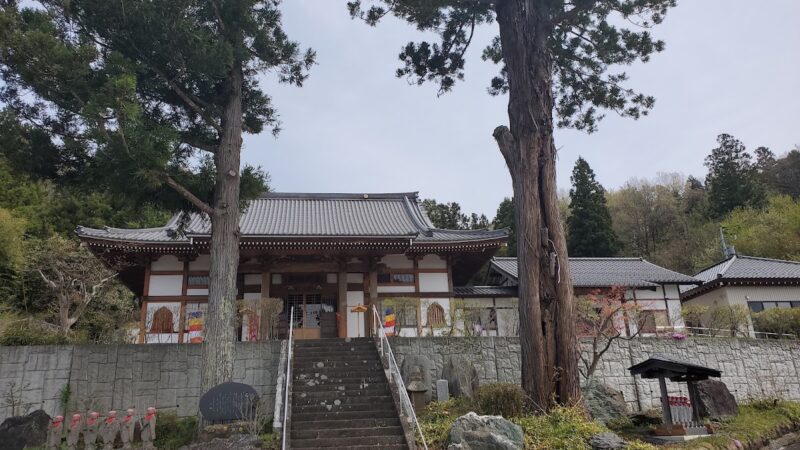
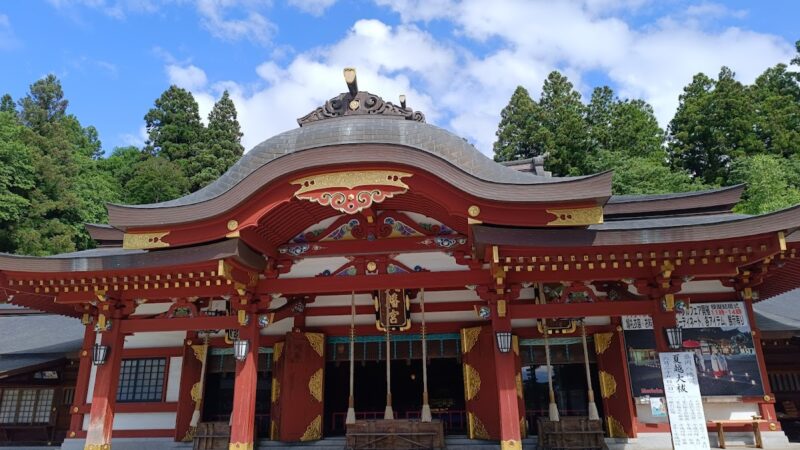
The main hall of Hachiman Shrine is built in the traditional style of shrine architecture, giving it an appearance that reflects the history of the region. Worship hall is visited daily by worshippers who quietly offer their prayers.
Shrine Precincts
Around the main shrine, several smaller shrines that attract local worshippers are located. Each possesses its own unique divine virtues, responding to the various wishes of worshippers.
Sacred Trees and Nature
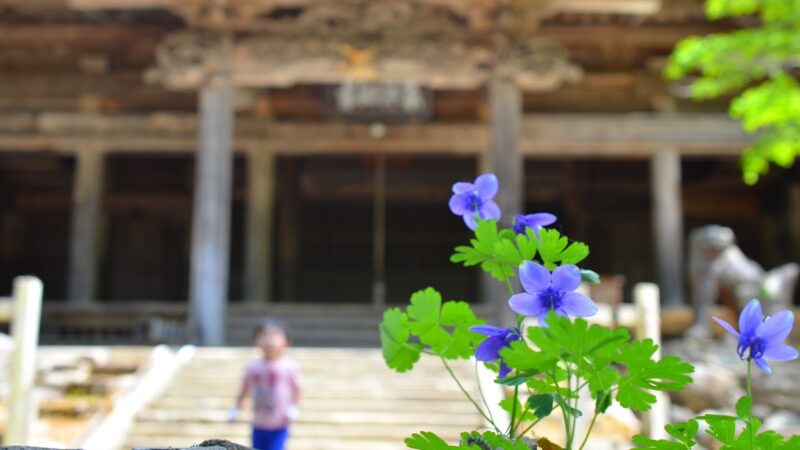
Within the shrine grounds stands a magnificent, ancient sacred tree, quietly watching over its long history. Surrounded by the rich nature of Hachimantai, the grounds display different expressions throughout the seasons, offering solace to visitors.
Water Basin
A water basin for purifying the body and mind before worship is also provided. Please purify yourself according to the correct etiquette before worshipping.
Annual Events and Festivals
Grand Festival (September)
The Grand Festival is the most important festival of Hachimangu Shrine. Held annually around September 15th, it is celebrated grandly with local residents gathering. A portable shrine procession and dedication ceremonies take place, making it an important opportunity to pass on the region’s traditional culture.
First Shrine Visit of the New Year (January)
Many worshippers visit shrines for their first shrine visit of the year, praying for good health and safety for their families throughout the year. From New Year’s Day to the third day of the year, it also serves as a place for local residents to exchange New Year’s greetings.
Shichi-Go-San Ceremony (November)
The Shichi-Go-San ceremony, celebrating children’s growth, is also held, attracting many families. Photography is also common, creating precious family memories.
Other Events
- Setsubun Festival (February): Events such as bean-throwing
- Spring Festival (April): Festival celebrating the arrival of spring
- Summer Purification Ceremony (June): Shinto ritual to purify oneself of the impurities accumulated over the past six months
- Autumn Festival (October): Festival to give thanks for the harvest
- Year-End Purification Ceremony (December): Shinto ritual to purify oneself of the impurities accumulated over the past year
Etiquette and Manners for Visiting a Shrine
Basic Etiquette for Visiting a Shrine
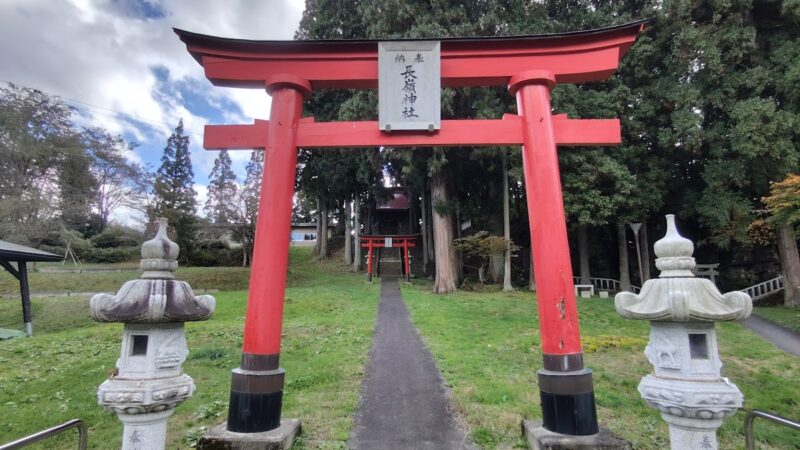
- Bow before passing through the torii gate: As a sign of respect before entering the sacred area
- Avoid walking in the center of the approach to the shrine: The center is considered the path of the gods
- Purify yourself at the water basin:
- Hold the ladle in your right hand and purify your left hand
- Switch the ladle to your left hand and purify your right hand
- Switch the ladle back to your right hand, receive water in your left hand, and rinse your mouth
- Finally, stand the ladle upright to cleanse the handle.
- Worship at the Main Hall:
- Bow lightly before placing your offering.
- Ring the bell if available.
- Worship using the two bows, two claps, and one bow ritual.
- Bow at the Torii Gate Upon Exit: As a courtesy when leaving the sacred grounds.
About Goshuin (Shrine Seals)
You can receive a Goshuin at Hachimangu Shrine. Please bring your Goshuincho (seal book) and politely request one during the shrine office’s opening hours. The offering fee is generally around 300 to 500 yen.
Photography Manners
Photography is generally permitted on the shrine grounds, but please refrain from taking pictures inside the main hall or during Shinto rituals. Also, please be considerate of other worshippers.
Access Information
Access by Car
Access from the Tohoku Expressway:
- Approximately 15-20 minutes from the Tohoku Expressway “Yashiro IC”
- Approximately 10-15 minutes from the Tohoku Expressway “Matsuo Hachimantai IC”
Access from General Roads:
- Accessible via National Route 282
- Approximately 10 minutes by car from the center of Hachimantai City
Access by Public Transportation
Using JR:
- Approximately 15 minutes by taxi or bus from JR Hanawa Line “Obuke Station”
- Approximately 10 minutes on foot or by taxi from JR Hanawa Line “Hiradate Station”
Using Buses:
- Route buses operated by Iwate Kenpoku Bus (limited number of buses, so advance confirmation is recommended)
- A few minutes’ walk from the nearest bus stop
Parking Information
There is parking for visitors on the temple grounds or nearby. During festivals such as the annual grand festival, congestion is expected, so consider using public transportation. ### Nearby Tourist Attractions
Nearby attractions to visit in conjunction with a visit to Hachimantai Shrine:
- Hachimantai Aspite Line: A scenic drive offering magnificent mountain views
- Hachimantai Onsenkyo: A relaxing area with numerous hot springs
- Iwate Prefectural Forest: Enjoy nature walks and camping
- Matsukawa Onsen: A hot spring resort known as a hidden gem
- Appi Kogen: Enjoy skiing in winter and golf and trekking in summer
About Hachimantai City
Overview of Hachimantai City
Hachimantai City was formed in 2005 through the merger of the former Anshiro Town, Nishine Town, and Matsuo Village. It is located in northern Iwate Prefecture, bordering Akita Prefecture.
Natural Environment
Hachimantai, the origin of the city’s name, is a volcano with an elevation of 1,613 meters and is designated as part of the Towada-Hachimantai National Park. Blessed with a rich natural environment, you can enjoy beautiful scenery throughout the four seasons.
Industries and Local Products
- Agriculture: Cultivation of highland vegetables is thriving.
- Livestock Farming: Raising of Japanese Shorthorn cattle.
- Forestry: Abundant forest resources.
- Tourism: Tourist facilities such as hot springs and ski resorts.
- Local Products: Apples, spinach, Japanese Shorthorn beef, local sake, etc.
Climate
The climate is inland, with relatively cool summers and harsh winters characterized by severe cold and heavy snowfall. Appropriate clothing and preparations are necessary when visiting the shrine.
Points to Note When Visiting the Shrine
Regarding Clothing
When visiting a shrine, clean and subdued attire is desirable. Especially when performing a formal worship service or receiving prayers, avoid overly casual clothing.
Seasonal Precautions
Spring/Summer:
- Insect repellent is recommended.
- Wear a hat and sunscreen on sunny days.
- Carrying rain gear is also recommended.
Autumn:
- Be aware of cold mornings and evenings.
- May be crowded during the autumn foliage season.
Winter:
- Take sufficient precautions against snow and ice.
- Dress warmly.
- Studded tires or snow chains are essential.
- Wear non-slip shoes as the approach to the shrine can be slippery.
Shrine Office Reception Hours
The reception hours for receiving Goshuin (shrine stamps) and amulets, and for prayers may be limited. It is recommended to call ahead to confirm before visiting.
Amulets and Lucky Charms Offered at Hachiman Shrine
Main Amulets
- Exorcism Amulet: For those in their unlucky year or those seeking protection from misfortune.
- Traffic Safety Amulet: For safe driving and cycling.
- Academic Success Amulet: Popular among students and those preparing for exams.
- Safe Childbirth Amulet: For pregnant women and those expecting a baby.
- Health Amulet: For recovery from illness and maintaining good health.
- Business Prosperity Amulet: For business development.
Ema (Votive Tablets) and Wishing
There is an ema hanging area on the shrine grounds, where ema inscribed with various wishes are offered. By writing your wish on an ema and offering it, you can convey your wish to the gods.
Hama-ya (Demon-Repelling Arrows) and Kumade (Rakes)
During New Year’s and the annual festival, lucky charms such as Hama-ya (demon-repelling arrows) and Kumade (rakes) are also offered. These are popular as lucky charms for family safety and business prosperity.
Hachiman Shrine and the Local Community
Parishioner Organization
Hachiman Shrine has a local parishioner organization that is involved in the maintenance and management of the shrine and the operation of festivals. The shrine’s traditions are preserved through the dedicated activities of the parishioners.
Involvement in Local Events
The shrine is central to various local events, serving as a place to deepen the bonds among local residents through festivals and seasonal events.
Protection of Cultural Properties
Hachiman Shrine may house cultural properties of historical value, playing an important role in conveying the history of the region.
How to Enjoy Visiting Hachimangu Shrine
Seasonal Scenery
Spring: The cherry blossoms and fresh greenery in the shrine grounds are beautiful, allowing you to feel the breath of life.
Summer: The shrine grounds, enveloped in deep green, are cool and refreshing, making it ideal for escaping the summer heat.
Autumn: The autumn leaves color the shrine grounds, making it one of the most beautiful seasons.
Winter: The snow-covered shrine grounds are fantastical, creating a sacred atmosphere enveloped in silence.
As Part of a Goshuin Pilgrimage
Visiting Hachimangu Shrine is also recommended as part of a Goshuin pilgrimage, where you visit shrines and temples in Iwate Prefecture and the Tohoku region. There’s the enjoyment of collecting the unique Goshuin stamps of each shrine.
As a Power Spot
Hachimangu Shrine has attracted the faith of many people throughout its long history and is also attracting attention as a power spot where you can feel spiritual energy.
Summary: Points to Consider When Visiting Hachimangu Shrine
Hachimangu Shrine in Hachimantai City, Iwate Prefecture, is a historical shrine deeply rooted in the community and beloved by many people. The shrine enshrines Emperor Ōjin, the god of military fortune, and is believed to offer various blessings, including victory, family safety, and safe childbirth.
When visiting, please observe basic shrine etiquette and offer your prayers quietly. During festivals such as the annual grand festival, you can experience local traditional culture and have a deeper experience.
The shrine grounds, surrounded by the rich nature of Hachimantai, offer beautiful scenery throughout the seasons. Visiting in conjunction with nearby tourist spots will allow you to fully appreciate the charm of Hachimantai.
While access by car is convenient, be aware of snow in winter. It is recommended to check the weather and road conditions beforehand.
We hope that through your visit to Hachimangu Shrine, you will gain peace of mind and renewed vitality by experiencing Japanese traditional culture and local history. Please visit Hachimangu Shrine in Hachimantai City at least once.