Komagata Shrine (Hachimantai City, Iwate Prefecture) Complete Guide | History and Visiting Information for the Ichinomiya of Rikuchu Province
Komagata Shrine, located in Hachimantai City, Iwate Prefecture, is a prestigious shrine boasting a history of over 1500 years as the Ichinomiya (first-ranked shrine) of Rikuchu Province. Known as the guardian deity of horses, it attracts many visitors seeking blessings for traffic safety and victory. This article provides detailed information on Komagata Shrine, including its history, enshrined deities, visiting information, and access methods.
Overview and Basic Information of Komagata Shrine
While there are several related shrines within Iwate Prefecture, the Komagata Shrine located in Hiradate, Hachimantai City, is an important shrine that attracts local faith. The main shrine of Komagata Shrine, which holds the rank of Ichinomiya of Rikuchu Province, is located in Mizusawa Ward, Oshu City, but the Komagata Shrine in Hachimantai City is also revered as a guardian deity of the region.
Basic Data
- Location: 78, 24th Ward, Hiradate, Hachimantai City, Iwate Prefecture
- Deity Enshrined: Komagata-no-Okami
- Shrine Rank: Ichinomiya (Main Shrine) of Mutsu Province, Engishiki-listed Shrine
- Nearest Station: Approximately 14 minutes on foot from Hiradate Station (1.1 km)
- Visiting Hours: Open all day (Please check the shrine office hours)
History and Origins of Komagata Shrine
Origin of Founding
The history of Komagata Shrine dates back approximately 1500 years. It is said to have begun during the reign of Emperor Yuryaku (around 456 AD), when Kamitsukeno Izawa-no-Kimi, a descendant of Emperor Sujin (the tenth emperor), enshrined Komagata-no-Okami on the summit of Mount Komagatake (present-day Mount Dainichi) in the Yakeishi mountain range.
The unique form of worship, which combines mountain worship and horse culture, reflects the nature worship and livestock culture of the Tohoku region. Horses have played a crucial role in agriculture, military affairs, and transportation since ancient times, and the worship of Komagata-no-Okami as their guardian deity spread widely.
Listed as an Engishiki Shrine
Komagata Shrine is listed as an Engishiki Shrine in Izawa District, Mutsu Province, in the Engishiki Jinmyocho, a list of shrines compiled during the Heian period. This indicates that it was a highly prestigious shrine officially recognized by the imperial court, and speaks to the depth of faith from ancient times.
Relocation in the Meiji Era
In 1903 (Meiji 36), Komagata Shrine was relocated from the mountaintop to its current location. This decision was made with the convenience of worship in mind, creating an environment where more people could easily visit. Even today, the inner shrine remains on the summit of Mount Komagatake, and the Inner Shrine Climbing Festival is held annually.
Relationship with Hiraizumi Culture
During the late Heian period, when the Oshu Fujiwara clan flourished with Hiraizumi as their base, Komagata Shrine received the reverence of the Fujiwara clan. Within the Hiraizumi cultural sphere, Komagata Shrine was positioned as an important religious facility, and it is said that many donations and construction projects were undertaken.
During the process of spreading Buddhism to the Tohoku region by Jikaku Daishi Ennin, Komagata Shrine became an object of syncretism between Shinto and Buddhism, contributing to the construction of shrine buildings and the expansion of faith.
Deity and Divine Virtues
About Komagata Okami
The deity enshrined at Komagata Shrine is Komagata Okami. Revered as a god in the form of a horse, or a god who protects horses, this deity has attracted special devotion in the Tohoku region, which has been a horse-breeding area since ancient times.
Komagata Okami is said to be either a child of Amaterasu Omikami or an independent mountain god, and there are various theories regarding its divine nature. However, what is common is that it is a god symbolizing vitality, energy, and the power to move forward.
Main Divine Virtues
Komagata Shrine is believed to offer the following divine virtues:
- Traffic Safety: As horses were a major means of transportation in ancient times, many people visit the shrine today to pray for traffic safety, including safe travel by car and motorcycle.
- Prayer for Victory: Drawing on the strength and agility of horses, people pray for victory in sports, exams, business, and other endeavors.
- Industrial Development: Prayers are offered for the development of local industries and the prosperity of businesses.
- Protection from Bad Directions: The shrine wards off misfortune from unfavorable directions and attracts good fortune.
- Good Fortune and Prosperity: The shrine bestows the strength to forge one’s own destiny and forge a new path.
Highlights of the Shrine Grounds
Shrine Buildings
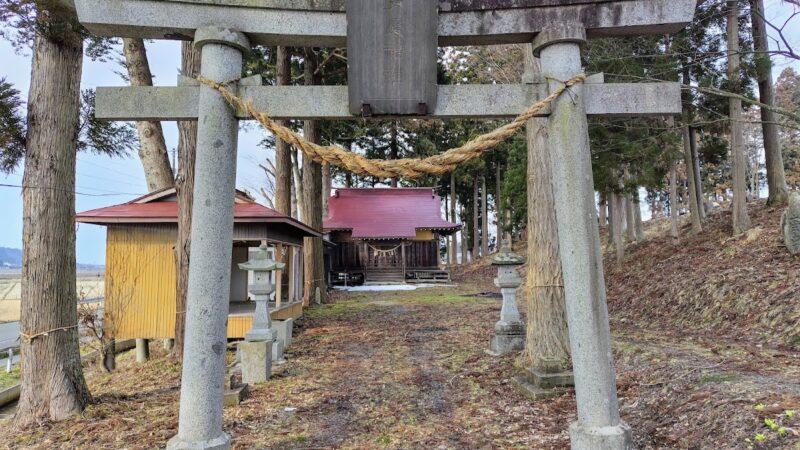
The shrine buildings, relocated to their current location, maintain the traditional style of shrine architecture while creating a warm and welcoming atmosphere for visitors. Both the main hall and the worship hall are meticulously maintained, creating a beautiful landscape in harmony with the changing seasons.
Shrines within the Precincts
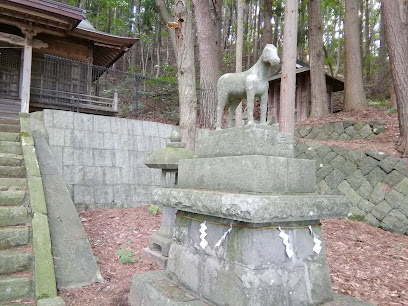
Komagata Shrine has several smaller shrines within its grounds. Each possesses its own unique divine virtues, responding to the diverse wishes of worshippers. The main shrines within the precincts include:
- Shiogama Shrine: Worshipped as the god of safe childbirth and child-rearing
- Yama Shrine: Protecting the blessings and safety of the mountains
- Mizusawa Shokonsha: A facility commemorating those who died in war
By visiting these shrines as well, one can receive a more comprehensive divine blessing.
Natural Environment
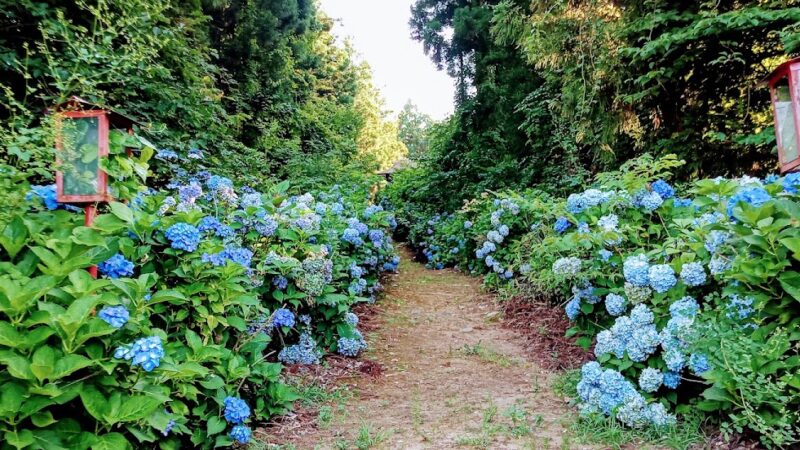
Komagata Shrine is surrounded by abundant nature, and is particularly beautiful during the fresh greenery of spring and the vibrant autumn foliage. Many of the trees within the grounds are ancient and ancient, creating a sacred atmosphere.
Annual Events and Festivals
Major Festivals
Komagata Shrine holds various festivals throughout the year. Here are some of the most important events.
Annual Grand Festival
The annual grand festival, held every May, is the most important festival of Komagata Shrine. During this time, a procession of children on horseback takes place, preserving the traditional culture of this region where horses are considered guardian deities. The sight of children in brightly colored warrior costumes riding horses and parading through the community is truly impressive.
Inner Shrine Pilgrimage Festival
In the summer, a pilgrimage festival to the inner shrine at the summit of Mount Komagatake is held. Visiting the inner shrine at the summit, the origin of the faith, allows for a deeper religious experience. While preparation and physical stamina are required for the climb, the view from the summit and the sacred atmosphere are exceptional.
New Year’s Visit
Many worshippers visit the shrine for their first visit of the new year. It is bustling with people praying for traffic safety, family safety, business prosperity, and other blessings for the new year.
Prayers and Sorrows
Komagata Shrine accepts various prayers and blessings:
- Prayer for Traffic Safety
- Family Safety
- Business Prosperity
- Prayer for Victory
- Prayer for Success in Exams
- Protection from Evil Spirits
- Protection from Unfavorable Directions
- Prayer for Safe Childbirth
If you wish to have a prayer or blessing, we recommend contacting the shrine in advance to confirm the date and time.
Shinto Wedding Ceremonies
Komagata Shrine also holds Shinto wedding ceremonies. A wedding ceremony at this historic shrine offers a solemn yet warm atmosphere to celebrate the beginning of a new life together. For details, please contact the shrine directly.
Goshuin (Shrine Seals) and Gifts
Goshuin (Shrine Seals)
Komagata Shrine offers Goshuin (shrine seals). Many people receive them as a memento of their visit or as part of their Goshuincho (seal book) collection. Since the shrine priests carefully write each Goshuin individually, we recommend visiting with ample time to spare.
Amulets and Souvenirs
Komagata Shrine offers a variety of amulets and souvenirs:
- Traffic Safety Amulet: Prayers for safety in cars and bicycles
- Victory Amulet: Prayers for victory in sports and exams
- Good Fortune Amulet: Prayers for improved luck
- Two-Sword Style Amulet: A popular souvenir at the main shrine (Oshu City)
- Ema (votive tablet): Write your wish and dedicate it
Access Information
Access by Public Transportation
Using the JR Hanawa Line
- Get off at Hiradate Station, approximately 14 minutes on foot (1.1 km)
- Taxis are also available from the station (approximately 3 minutes)
Access from Morioka Station
- Approximately 30 minutes on the JR Tohoku Main Line to Koma Station
- Transfer to the JR Hanawa Line at Koma Station, approximately 40 minutes to Hiradate Station
- Total travel time: Approximately 1 hour 10 minutes to 1 hour 30 minutes
Access by Car
Using the Tohoku Expressway
- Approximately 15km from Nishine Interchange, about 20 minutes by car
- Approximately 10km from Matsuo Hachimantai Interchange, about 15 minutes by car
From Morioka City
- Approximately 40km via National Route 4 and prefectural roads, about 50 minutes by car
Parking
There is parking space around the shrine, but congestion is expected during events such as the annual festival. Please consider using public transportation.
Nearby Tourist Attractions
Highlights of Hachimantai City
When visiting Komagata Shrine, we recommend also visiting other tourist attractions in Hachimantai City.
Hachimantai
Hachimantai, the origin of the name of Hachimantai City, is a mountain with an elevation of 1,613m and is part of the Towada-Hachimantai National Park. During the spring snowmelt season, a mystical phenomenon called “Dragon Eye” can be seen, attracting many tourists.
Matsukawa Onsenkyo
This hot spring resort area, nestled at the foot of Mount Hachimantai, offers a variety of therapeutic sulfur springs. After visiting Komagata Shrine, a relaxing soak in the hot springs is highly recommended.
Appi Kogen
This year-round resort offers skiing in winter and golf and trekking in summer. A wide range of activities are available throughout the seasons.
Komagata Shrine Main Branch (Oshu City)
If you have time, consider visiting the main branch of Komagata Shrine in Mizusawa Ward, Oshu City. Located within Mizusawa Park, it boasts a larger shrine building and more extensive grounds.
Main Branch Information
- Location: 1-83 Nakagami-cho, Mizusawa Ward, Oshu City, Iwate Prefecture
- Access: Approximately 10 minutes on foot from JR Mizusawa Station
- Visiting Hours: 8:30 AM – 5:30 PM
The main branch offers excellent service at its office, allowing for smooth processing of requests for Goshuin (shrine stamps), various amulets, and prayers.
Manners and Etiquette for Visiting a Shrine
Basic Etiquette for Visiting a Shrine
There are basic manners to observe when visiting a shrine. Please pay attention to the following points when visiting Komagata Shrine.
- Bow before the Torii Gate: Bow before entering the sacred area to compose yourself.
- Walking the Path: The center of the path is considered the path of the gods, so walk along the sides.
- Purification at the Water Basin: Purify your left hand, right hand, and mouth in that order, and finally purify the handle of the ladle.
- Worship at the Main Hall: Two bows, two claps, and one bow is the basic procedure.
- When Leaving: After leaving the Torii gate, turn around and bow.
Photography
Photography is generally permitted on the shrine grounds, but please note the following:
- Refrain from taking photos inside the main hall or during Shinto rituals.
- Be considerate of other worshippers.
- You may need to check in advance before using a tripod.
- When posting on social media, be mindful of respectful language.
Attire
While casual attire is acceptable, please consider the following:
- Dress neatly and cleanly.
- Formal attire is preferred when receiving prayers.
- Avoid revealing clothing.
- Take adequate precautions against the cold during winter.
Komagata Shrine and Local Culture
Connection to Horse Culture
Iwate Prefecture, particularly the region stretching from the Kitakami Mountains to Hachimantai, has long been known as a horse-breeding area. The excellent horses known as Nanbu horses were highly valued as both warhorses and farm horses, and were an important pillar of the local economy.
Komagata Shrine has functioned as a spiritual pillar of this horse culture. The faith of people praying for the health and safety of horses and for the development of horse breeding has supported the shrine.
Faith in Modern Times
Although horses have become less common in daily life today, the faith of Komagata Shrine continues in a different form. The role of “transportation” and “transportation” that horses once played has been taken over by automobiles, and the shrine now attracts many worshippers as a place to pray for traffic safety.
Furthermore, the strength, speed, and competitive spirit of horses are interpreted in a modern way as a prayer for success in sports, exams, and business, and are supported by a wide range of generations.
Center of the Local Community
Komagata Shrine is not only a religious facility but also plays a central role in the local community. The annual festival and various events provide opportunities for local residents to gather together, creating a place for intergenerational exchange.
Traditional events such as the children’s mounted warrior procession are also important educational opportunities for passing on the region’s history and culture to the next generation.
Komagata Shrine in Every Season
Spring (March-May)
As the snow melts, the trees in the shrine grounds begin to bud, and it is a beautiful season of fresh greenery. The annual festival in May is the busiest time, with the children’s mounted warrior procession taking place in a spectacular display. During the cherry blossom season, the shrine grounds are adorned in a soft pink hue.
Summer (June-August)
The greenery deepens, and the shrine grounds are enveloped in a cool, refreshing atmosphere. The Okumiya Climbing Festival takes place during this time, with devout worshippers aiming for the mountaintop. The Hachimantai plateau is a comfortable summer resort, making it the perfect season to combine worship with sightseeing.
Autumn (September-November)
The trees in the shrine grounds change color, creating a magnificent display of autumn foliage. The best time to see the leaves is especially from late October to early November, when the grounds, dyed in crimson and yellow, are exceptionally beautiful. Visiting the shrine in the crisp autumn air is a truly refreshing experience.
Winter (December-February)
The snow-covered shrine grounds are enveloped in silence, creating a solemn atmosphere. While it gets crowded with worshippers during the New Year’s period, it’s a peaceful place to visit at other times. Be sure to dress warmly. The shrine buildings amidst the snowscape are breathtakingly beautiful.
Frequently Asked Questions
Q: How long does it take to visit Komagata Shrine? **
A: A basic visit to the shrine takes about 30 minutes. If you wish to receive a Goshuin (shrine stamp) or stroll around the grounds, it’s best to allow about an hour. Receiving a prayer service requires advance reservation and additional time.
Q: Are Komagata Shrine in Hachimantai City and the main shrine in Oshu City the same shrine?
A: Komagata Shrine, as the Ichinomiya (first-ranked shrine) of Rikuchu Province, has its main shrine in Mizusawa Ward, Oshu City. Komagata Shrine in Hachimantai City is considered a related or branch shrine. Both shrines enshrine Komagata Okami and are revered by the local community.
Q: Is it guaranteed that I will receive a Goshuin?
A: Goshuin may not be available if the priest is absent or during religious ceremonies. If you wish to be sure to receive one, we recommend calling ahead to confirm.
Q: Is it possible to visit with a pet?
A: Generally, it is discouraged to bring pets onto the shrine grounds. We recommend checking with the shrine beforehand.
Q: Is it possible to visit with a pet?
A: Generally, it is discouraged to bring pets onto the shrine grounds. Q: Can I visit the shrine during the winter?
A: You can visit the shrine all day, but please be very careful of your footing when there is snow. Also, the hours of the shrine office may change, so if you wish to receive a Goshuin (shrine stamp) or other items, please check in advance.
Q: Is it possible to visit the shrine in a wheelchair?
A: It depends on the condition of the shrine grounds, but there may be steps. We recommend contacting the shrine in advance to check on accessibility.
Summary
Komagata Shrine (Hachimantai City, Iwate Prefecture) is a historic shrine with a history of over 1500 years, serving as the Ichinomiya (first-ranked shrine) of Rikuchu Province, and enshrines Komagata Okami, the guardian deity of horses. It offers various divine blessings, including traffic safety, victory prayers, and industrial development, and continues to attract many visitors today.
The shrine grounds, surrounded by abundant nature, showcase beauty in every season, and a spectacular procession of children on horseback takes place during the annual festival in May. Visiting Komagata Shrine in conjunction with sightseeing in Hachimantai will allow you to experience the history, culture, and nature of Iwate Prefecture comprehensively.
Its convenient location, within walking distance of Hiradate Station on the JR Hanawa Line, is also a major attraction. When visiting Iwate Prefecture, be sure to include a visit to Komagata Shrine in your itinerary. As the guardian deity of horses and the local community, this shrine offers strength and peace to visitors.
When visiting, please observe basic shrine etiquette and approach the deities with respect. If you wish to receive a Goshuin (shrine stamp) or other items, contacting the shrine in advance to confirm their operating hours will ensure a smooth visit.
May your visit to Komagata Shrine be a memorable experience.