Complete Guide to Matsunagamine Shrine (Iwate Prefecture): History, Benefits, and Access Information
Matsunagamine Shrine, located in Iwate Prefecture, is a historic shrine that has long been revered by the local community. This article provides a detailed explanation of everything you need to know before visiting, including the shrine’s historical background, the deities enshrined there, its benefits, annual events, and access methods.
What is Matsunagamine Shrine?
Matsunagamine Shrine is a shrine located in Iwate Prefecture and has been revered as a guardian deity of the region since ancient times. The name “Matsunagamine” is thought to originate from the fact that the shrine is located on a peak (mine) covered with pine trees.
The shrine plays a central role in the local community and serves as a spiritual anchor for local residents. The shrine buildings, nestled in a tranquil environment, offer peace of mind to visitors.
History and Origins of Matsunagamine Shrine
Founding History
The founding date of Matsunagamine Shrine is estimated from local oral traditions and records. Like many local shrines, it has long functioned as a place to pray for the safety and prosperity of the community.
Iwate Prefecture has formed its own unique cultural sphere since ancient times, and was a place where the cultures of the Emishi (indigenous people) and the Yamato court intersected. It is believed that Matsunagamine Shrine, within this historical context, has attracted the faith of local residents.
Changes Through the Ages
During the Edo period, it was closely intertwined with the lives of villagers as the local tutelary deity. Despite being affected by the Meiji-era separation of Shinto and Buddhism and the shrine consolidation policy, it has been preserved to this day through the efforts of local people.
Even during the post-war reconstruction period, it played an important role as a source of spiritual support for local residents, and through festivals and annual events, it has strengthened community bonds.
Deities and Benefits
Main Deities
The deities enshrined at Matsunagamine Shrine are gods who serve as guardian deities of the region. In many local shrines, it is common to enshrine representative deities such as Amaterasu Omikami, Susanoo-no-Mikoto, and Okuninushi-no-Mikoto.
Expected Benefits
The main benefits you can expect from visiting Matsunagamine Shrine include the following:
- Family Safety: Protection of the health and peaceful life of all family members
- Abundant Harvest: Praying for a bountiful harvest
- Business Prosperity: Wishing for success and prosperity in business
- Protection from Misfortune and Disaster: Protection from various calamities
- Community Safety: Praying for peace and tranquility throughout the community
- Traffic Safety: Praying for safe travels and safe daily movements
As the local guardian deity, this shrine is visited at various milestones in life, from birth to death.
Highlights of the Shrine Grounds
Shrine Buildings and Architectural Style
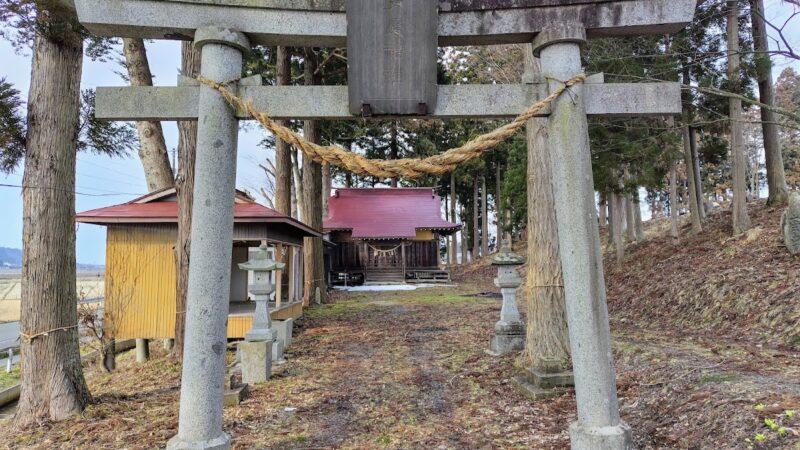
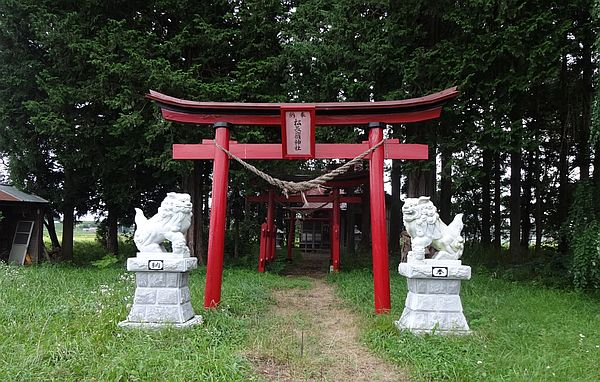
The shrine buildings of Matsunagamine Shrine exhibit characteristics of traditional shrine architecture in the Tohoku region. Basic shrine facilities such as the main hall, worship hall, and torii gate are complete, creating an atmosphere that evokes the history of the region.
Sacred Trees and the Natural Environment
The pine tree, which is also included in the shrine’s name, is a distinctive tree found within and around the shrine grounds. Since ancient times, pine trees have been considered sacred and cherished as auspicious trees symbolizing longevity and permanence.
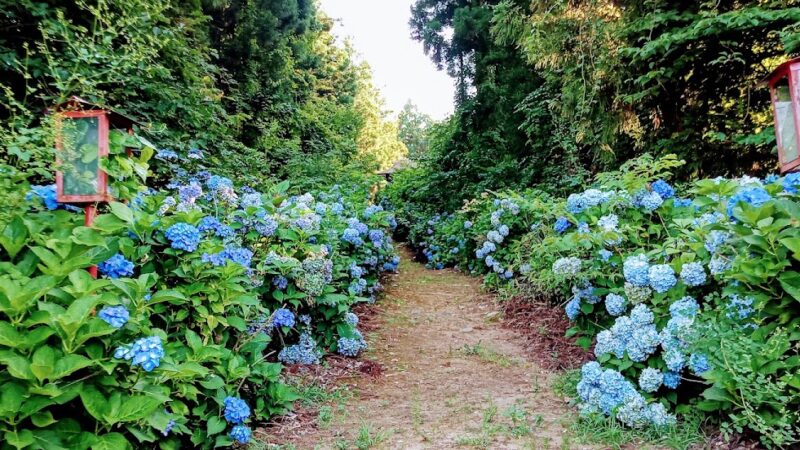
The shrine grounds offer different natural landscapes with each season, allowing visitors to enjoy the beauty of the four seasons: fresh greenery in spring, deep green in summer, vibrant autumn leaves, and snowscapes in winter.
Stone Monuments and Memorials
Within the shrine grounds, there are sometimes stone monuments and memorials commemorating the history of the shrine and local events. These are valuable resources for understanding the shrine’s history.
Annual Events and the Grand Festival
Main Annual Events
At Matsunagamine Shrine, various Shinto rituals are performed throughout the year:
New Year’s Day Festival (January 1st)
This is a Shinto ritual to welcome the new year and pray for peace and prosperity throughout the year. Many worshippers visit for their first shrine visit of the year.
Spring Grand Festival
This is an important festival celebrating the arrival of spring and praying for a bountiful harvest. Local residents gather, and sometimes Kagura (sacred dance) and other dedication ceremonies are held.
Summer Purification Ceremony (around June 30th)
This is a Shinto ritual to purify oneself of the impurities accumulated over the past six months and pray for good health for the remaining half of the year. Sometimes, a ritual of passing through a ring of reeds is performed.
Autumn Grand Festival
This is one of the most important festivals, offering thanks for the harvest. In some regions, a portable shrine procession and dedication performances are held, making it the largest event in the area.
Year-End Purification Ceremony (December 31st)
This is a Shinto ritual to purify oneself of the impurities accumulated over the past year and prepare for the new year.
Characteristics of the Grand Festival
The Grand Festival is the most important festival for a shrine, and at Matsunagamine Shrine, a grand festival involving the entire community is held. The festival, featuring a portable shrine procession, Kagura (sacred dance) performances, and street stalls, is a rich reflection of local traditional culture.
Participating across generations, from children to the elderly, the annual festival is an important opportunity to deepen community bonds.
Etiquette and Manners for Worship
Basic Worship Etiquette
Here are the basic manners for visiting Matsunagamine Shrine:
- How to Pass Through the Torii Gate: Bow before passing through the torii gate. Since the center of the path is considered the path of the gods, it is considered best to walk along the sides.
- Purification at the Water Basin: If there is a water basin, purify your left hand, then your right hand, and then your mouth.
- Worship at the Main Hall:
- Quietly place your offering.
- Ring the bell if available.
- Bow twice, clap twice, bow once.
- When Leaving: After exiting the torii gate, turn around and bow once.
Attire and Manners for Visiting the Shrine
While casual attire is acceptable, clean and subdued clothing is preferred. Formal attire is recommended when attending special Shinto rituals such as the annual festival.
Please be quiet within the shrine grounds, and only take photographs where permitted. Always follow instructions in areas where photography is prohibited, such as inside the main hall.
Access Information
Location
Matsunagamine Shrine is located in Iwate Prefecture. It is recommended to confirm the specific address in advance.
Transportation Access
If using public transportation
Access is by foot from the nearest train station or bus stop, or by taxi. Public transportation within Iwate Prefecture may have limited service, so it is recommended to check the timetable in advance.
If traveling by car:
The shrine is accessible from major roads within Iwate Prefecture. You can visit by entering the shrine’s name or address into your car’s navigation system.
Parking
The availability and capacity of parking vary depending on the size and location of the shrine. Temporary parking may be provided during events such as the annual festival.
Visiting Hours
While entry to the shrine grounds is generally free, the opening hours of the shrine office and the hours for receiving Goshuin (shrine stamps) may be limited. If you want to be sure to receive a Goshuin, it is recommended to inquire in advance.
Goshuin and Amulets
About Goshuin
At Matsunagamine Shrine, you may be able to receive a Goshuin as proof of your visit. Goshuin designs and calligraphy vary by shrine, making them a memorable keepsake.
When receiving a Goshuin (temple/shrine stamp), please note the following:
- Receive the Goshuin after completing your prayers.
- Prepare a Goshuincho (stamp book) (if you don’t have one, you may be able to purchase one at the shrine).
- Prepare a Hatsuho-ryo (offering fee) (typically around 300-500 yen).
- Visit during the shrine office’s opening hours.
Amulets and Gifts
Shrines offer various amulets and lucky charms:
- Traffic Safety Amulet: Protects the safety of cars and bicycles.
- Family Safety Amulet: Protects the health and peace of the family.
- Academic Success Amulet: Wishes for academic improvement.
- Exorcism Amulet: Avoids misfortune.
- Health Amulet: Maintains physical and mental health.
It is common to replace amulets with new ones every year. Return old amulets to the shrine and have them burned in a ceremonial burning.
Nearby Tourist Attractions
The Charms of Iwate Prefecture
When visiting Matsunagamine Shrine, combining your visit with other tourist attractions in Iwate Prefecture will make your trip even more fulfilling.
Historical and Cultural Facilities
Iwate Prefecture boasts numerous historical buildings and cultural facilities, including World Heritage Sites such as Chusonji Temple and Motsuji Temple. The cultural heritage sites of Hiraizumi are particularly famous, conveying the splendor of the Oshu Fujiwara clan.
Natural Landscapes
Iwate Prefecture is blessed with abundant nature, allowing visitors to enjoy beautiful scenery throughout the seasons, including Hachimantai, Mount Iwate, and the Sanriku Coast.
Hot Spring Resorts
Iwate Prefecture has many hot spring resorts, such as Hanamaki Onsenkyo, Tsunagi Onsen, and Oushuku Onsen. Relaxing in a hot spring after visiting the shrine is highly recommended.
Local Specialties and Gourmet Food
Iwate Prefecture is a treasure trove of food:
- Wanko Soba: A famous dish from Morioka
- Maesawa Beef: A nationally renowned brand of beef
- Nanbu Senbei: A traditional local confectionery
- Seafood: Fresh seafood from the Sanriku coast
- Apples: Fruit cultivated throughout the prefecture
How to Enjoy Visiting Matsunagamine Shrine
Seasonal Highlights
Spring (March-May)
Spring, arriving with the melting snow, is a beautiful season of fresh greenery. The trees in the shrine grounds bud, and you can feel the breath of new life. This is also the time of the Spring Grand Festival.
Summer (June-August)
The shrine grounds, enveloped in deep green, exude a cool and refreshing atmosphere. Cleanse your mind and body at the Summer Purification Ceremony and gain the strength to overcome the hot summer.
Autumn (September-November)
This is a beautiful season for autumn leaves, with the shrine grounds painted in shades of red and yellow. The Autumn Grand Festival is held to express gratitude for the harvest. It’s a season that evokes a sense of abundance, befitting the bountiful season.
Winter (December-February)
The shrine grounds, covered in snow, are enveloped in a mystical atmosphere. Visiting in the silence provides a good opportunity for calming the mind and introspection. The shrine is bustling with many visitors during the New Year period.
Photography Tips
When taking photos to commemorate your visit to Matsunagamine Shrine, keep the following points in mind to take great pictures:
- Combining the torii gate and the shrine building
- Contrast between seasonal plants and the building
- Utilize the soft light of early morning or evening
- Capture seasonal features such as snowscapes and autumn leaves
However, it is important to observe proper etiquette, such as refraining from taking photos in prohibited areas or during religious ceremonies.
Engagement with the Community
As a Center of the Local Community
Matsunagamine Shrine is not merely a religious facility; it plays a central role in the local community. Through festivals and cleaning activities, it serves as a place for local residents to interact.
Preservation of Traditional Culture
The Kagura (sacred dance) and festivals held at the shrine are important opportunities to pass on the region’s traditional culture to the next generation. Children’s participation in festivals deepens their attachment to the community and their understanding of traditions.
Environmental Conservation Activities
Local residents also engage in environmental conservation activities, such as cleaning the shrine grounds and managing the trees. The shrine’s forest is a valuable green space for the community and contributes to the preservation of the ecosystem.
Preparations and Checkpoints Before Visiting the Shrine
Pre-Visit Checklist
Things to check before visiting Matsunagamine Shrine:
- Opening Hours: Time when you can enter the shrine grounds
- Shrine Office Hours: If you want to receive a Goshuin (shrine stamp) or amulet
- Annual Festival Dates: If you want to participate in special events
- Access Methods: Public transportation timetables and parking availability
- Weather: Especially in winter, snow precautions are necessary
Packing List
Useful items to bring when visiting the shrine:
- Goshuincho (stamp book): If you want to receive a Goshuin
- Small change: For offerings and first fruits offerings
- Camera: For commemorative photos (please observe photography etiquette)
- Warm clothing/rain gear: Depending on the season and weather
- Comfortable walking shoes: If you plan to walk around the shrine grounds and surrounding area
Summary of the Charms of Matsunagamine Shrine
Matsunagamine Shrine is a peaceful shrine where the rich nature and history of Iwate Prefecture blend seamlessly. The traditions preserved by the local people and the beautiful scenery of the four seasons captivate visitors.
The time spent calming the mind in the quiet grounds, away from the hustle and bustle of everyday life, will be a valuable experience for modern people. Whether you visit to pray for various blessings such as family safety, abundant harvests, and business prosperity, or as part of a trip to enjoy the nature and culture of Iwate Prefecture, there are ways to enjoy it according to your purpose.
Mindset When Visiting
Visiting a shrine is not merely sightseeing; it is also an opportunity to show respect to the gods and to reflect on yourself. Visit with gratitude and use it as an opportunity to re-examine your daily life.
Continuous Engagement
Instead of a one-time visit, you can enjoy the different facets of the shrine by visiting multiple times in different seasons. Participating in local festivals will also allow you to gain a deeper understanding of the shrine and the local culture.
In Conclusion
Matsunagamine Shrine is a precious place where you can experience the history and culture of Iwate Prefecture. Visiting this shrine, which has been preserved through the faith and efforts of the local people, will surely allow you to rediscover the beauty of traditional Japanese culture.
When you visit, please take your time to reflect on the history of the shrine and the local culture. Leaving the hustle and bustle of the city and calming your mind in this peaceful, natural environment will surely give you renewed energy.
If you have the opportunity to visit Iwate Prefecture, please be sure to visit Matsunagamine Shrine. It will surely be a wonderful and memorable experience.