Complete Guide to Kōshōji Temple (Kanonji City, Kagawa Prefecture) | Ichiyōan Hermitage Associated with Yamazaki Sōkan, History, and Access Information
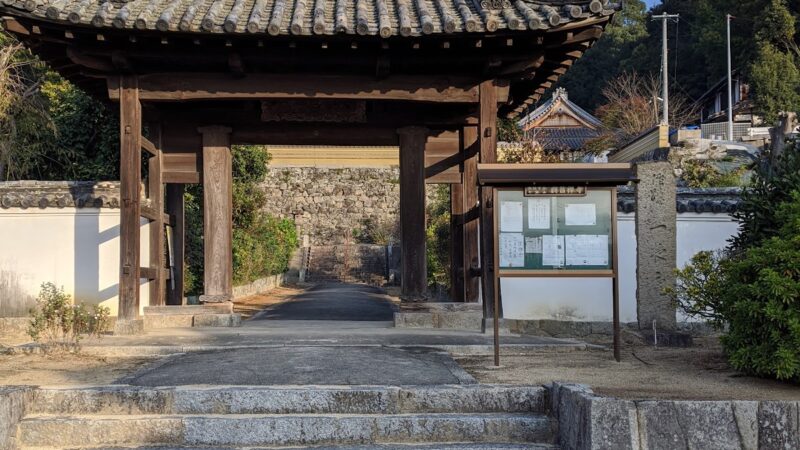
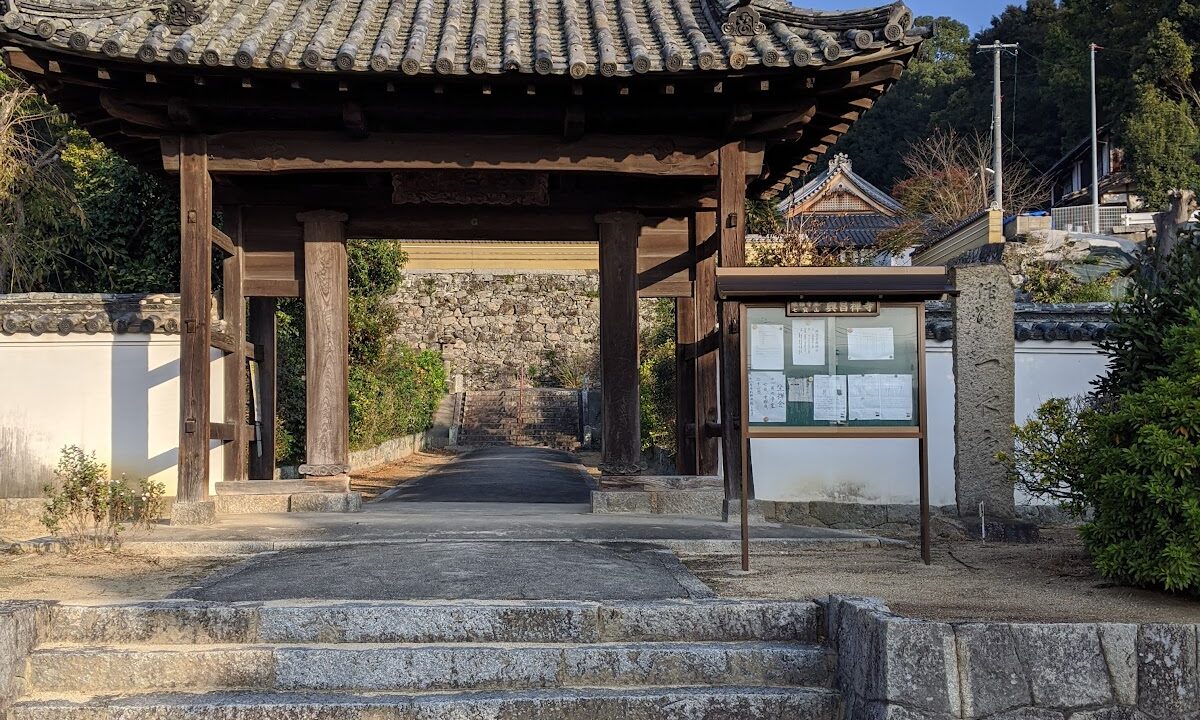
Kōshōji Temple, located in Hachiman-chō, Kanonji City, Kagawa Prefecture, is a historic temple belonging to the Tōfuku-ji branch of the Rinzai school of Zen Buddhism. This temple, where Yamazaki Sōkan, known as the founder of haikai poetry, spent his later years and passed away, houses the “Ichiyōan Hermitage,” considered the oldest haikai site in Japan, and has been visited by many haiku poets since the Edo period. This article provides a detailed introduction to Kōshōji Temple, from its historical background to its highlights and access information.
Basic Information on Kōshōji Temple
Kōshōji Temple is located in the heart of Kanonji City and is an important temple that attracts the faith of the local community.
Temple Name: Kōshōji Temple
Sect: Rinzai Zen, Tōfukuji School
Address: 2-7-2 Yawata-chō, Kanonji City, Kagawa Prefecture
Phone Number: 0875-25-2672
Chief Priest: Keisō Yonetani
Founder: Kōbō Daishi (tradition)
Kōshōji Temple is a Buddhist temple that conducts religious activities such as memorial services and ceremonies, and serves as a spiritual center for the local residents.
History and Origins of Kōshōji Temple
Founder and Origins as a Shingon Esoteric Buddhism Training Center
Kōshōji Temple is said to have been founded by Kōbō Daishi (Kūkai). In ancient times, it flourished as a training center for Shingon Esoteric Buddhism and played an important role as a place for esoteric Buddhist practice. As one of the temples founded by Kōbō Daishi throughout Shikoku, it was a central figure in the region’s Buddhist culture.
Conversion to the Rinzai Zen Tofuku-ji School
With the changing times, Koshō-ji Temple changed its sect from Shingon Buddhism to the Rinzai Zen Tofuku-ji School. The Rinzai Zen school is a branch of Zen Buddhism introduced from China during the Kamakura period, and the Tofuku-ji school has Tofuku-ji Temple in Kyoto as its head temple. This conversion led to Koshō-ji Temple taking on the character of a Zen training center, a role it maintains to this day.
The Relationship Between Yamazaki Sōkan and Koshō-ji Temple
Kōshō-ji Temple holds particular historical significance due to its deep connection with Yamazaki Sōkan (c. 1465–c. 1553), considered the founder of haikai poetry. Sōkan was a renga and haikai poet who was active from the late Muromachi period to the Sengoku period, and is known for perfecting haikai renga.
Sōkan spent his later years at Koshō-ji Temple and passed away there. The hermitage he built within the grounds of Kōshōji Temple is called “Ichiyān” (One-Night Hermitage). This Ichiyān is considered an extremely valuable building in cultural history, both as a tea room predating the tea ceremony established by Sen no Rikyū, and as the oldest haiku site in Japan.
The Charm and Characteristics of Ichiyān
The Oldest Haiku Site in Japan
Ichiyān is a hermitage located within the grounds of Kōshōji Temple, built by Yamazaki Sōkan. There are several theories about the origin of the name “Ichiyān,” but it is believed to evoke a legend that Sōkan built it in one night, or to represent a hermitage where travelers would seek lodging for the night.
This hermitage is considered the oldest haiku site in Japan and occupies an extremely important position in the history of haiku literature. Sōkan composed many haiku here, instructed his disciples, and worked to popularize haiku.
Value as a Tea Room Before Rikyu
Ichiyōan is known as a tea room that existed before Sen no Rikyu established the tea ceremony, and is a valuable resource in the study of the history of the tea ceremony. As an architectural structure that conveys the style of the tea ceremony of that time, its cultural value is highly regarded.
The tea ceremony of the Muromachi period differed from the modern wabi-cha (simple, rustic tea ceremony), and is said to have had stronger elements of freedom and playfulness. Ichiyōan, as a space embodying the tea culture of that era, attracts attention from researchers and cultural enthusiasts.
A Pilgrimage Site for Haiku Poets from the Edo Period Onward
In the Edo period, many haiku poets, including Matsuo Bashō, began visiting Kōshōji Temple to pay their respects to Yamazaki Sōkan, the founder of haikai poetry. They held haiku gatherings at Ichiyōan and left behind many haiku in memory of Sōkan.
Thanks to the footsteps of these haiku poets, Kōshōji Temple established its position as a sacred site of haikai culture and remains a pilgrimage site for haiku enthusiasts today. The temple grounds are dotted with haiku monuments inscribed with poems by successive generations of haiku poets, allowing visitors to enjoy a literary stroll.
How to Visit Ichiyōan
Ichiyōan is usually only open to visitors from the outside, but it is possible to visit the interior with a prior reservation. Those wishing to visit the interior are advised to contact Kōshōji Temple directly to make a reservation.
The interior houses items related to Sōkan and the calligraphy of successive generations of haiku poets, allowing visitors to experience the history of haiku culture firsthand.
Grave and Commemoration of Yamazaki Sōkan
Sōkan’s Grave Site
Within the grounds of Kōshōji Temple lies the grave site of Yamazaki Sōkan. This grave site is an important historical site marking the place where Sōkan died, and is visited by many haiku enthusiasts and researchers.
The grave site is located in a quiet corner of the temple grounds, and a stone monument and explanatory plaque commemorating Sōkan’s achievements are erected there. Visitors pay their respects to Sōkan’s great achievements by composing haiku and offering flowers. ### The Achievements and Influence of Yamazaki Sōkan
Yamazaki Sōkan holds a significant place in the history of Japanese literature as the figure who perfected haikai renga (linked verse). While adhering to the form of renga, he incorporated more free and humorous expressions, laying the foundation for later haikai.
Sōkan’s style was popular and approachable, setting him apart from traditional renga that required complex classical knowledge. This innovative approach greatly influenced later haiku poets such as Matsuo Bashō and Yosa Buson, leading to the development of haiku as a literary form.
The Kōshōji Mountain Eighty-Eight Pilgrimage
Within the grounds of Kōshōji Temple and its surroundings, there is a pilgrimage route called the “Kōshōji Mountain Eighty-Eight Pilgrimage.” This is a miniature pilgrimage route modeled after the Shikoku Eighty-Eight Temple Pilgrimage and is a beloved place of worship in the region.
The Significance of the 88 Temple Pilgrimage
The Shikoku 88 Temple Pilgrimage is a representative pilgrimage route in Japan, visiting temples associated with Kobo Daishi. The Koshōji-yama 88 Temple Pilgrimage is a smaller-scale replica of the Shikoku pilgrimage, providing a familiar place of worship for local residents and the elderly who cannot travel the long distance.
Each temple has a stone Buddha or shrine, and pilgrims visit them in order, praying for peace of mind and the fulfillment of their wishes.
Pilgrimage Method and Time Required
The Koshōji-yama 88 Temple Pilgrimage starts at Koshōji Temple and involves walking along mountain paths to visit each temple. The entire route is relatively short, and can be completed in a few hours even at a leisurely pace.
The route is surrounded by a rich natural environment, allowing pilgrims to enjoy the scenery of each season. The cherry blossoms in spring and the autumn leaves are particularly beautiful, attracting many visitors.
How to Access Kōshōji Temple
Access by Train
Nearest Station: JR Yosan Line “Kanonji Station”
Distance from Station: Approximately 1.4km
Walking Distance: Approximately 18 minutes on foot from Kannonji Station
Kanonji Station is a major station in western Kagawa Prefecture, offering convenient access from Takamatsu and Matsuyama. The route from the station to Kōshōji Temple is flat and passes through the city center, making it unlikely you’ll get lost.
By Taxi
Taking a taxi from Kannonji Station takes approximately 5 minutes. The fare is around the initial fare, making it convenient if you have a lot of luggage or if the weather is bad.
Access by Car
Expressway: Approximately 15 minutes from Takamatsu Expressway “Ōnohara IC”
If traveling by car, you can access the temple via National Route 11 from Ōnohara IC. Kōshōji Temple has parking space for visitors, but it is not large, so it is recommended to contact them in advance if you are visiting with a large vehicle or group.
Combining with Nearby Tourist Attractions
Besides Kōshōji Temple, Kannonji City has many other points of interest.
- Kannonji Temple: The 69th temple of the Shikoku 88 Temple Pilgrimage
- Jinkeiin Temple: Also the 68th temple, a rare pilgrimage site located within the same grounds as Kannonji Temple
- Kotohiki Park: A scenic spot famous for its Zenigata sand painting
- Ichiyōan Park: A park near Kōshōji Temple
Visiting these tourist spots in combination will allow you to experience the charm of Kannonji City more deeply.
Annual Events and Memorial Services at Kōshōji Temple
Kōshōji Temple holds various Buddhist events and memorial services throughout the year.
Main Annual Events
- First Three Days of the New Year: New Year’s visits and prayers
- Spring Equinox Service: Memorial service for ancestors
- Obon Service: Obon Festival
- Autumn Equinox Service: Autumn memorial service for ancestors
- Sokan Memorial Service: Memorial service for Yamazaki Sokan (sometimes includes haiku gatherings)
Participating in these events allows you to experience the local religious culture. The Sokan Memorial Service, in particular, is an important event for haiku enthusiasts, sometimes attracting poets from all over the country.
Attractions Around Koshōji Temple
History and Culture of Kanonji City
Kanonji City is located at the westernmost tip of Kagawa Prefecture and has flourished as a transportation hub since ancient times. Kannonji Temple (Kamiein), from which the city derives its name, is a pilgrimage site of the Shikoku Pilgrimage and is visited by many pilgrims.
Zenigata Sand Painting and Kotohiki Park
The Zenigata sand painting in Kotohiki Park is a representative tourist attraction of Kanonji City. This giant sand painting, modeled after the Kan’ei Tsūhō coin, is said to bring good health, longevity, and financial prosperity to those who view it. From the observation deck in Kotohiki Park, you can also enjoy the beautiful scenery of the Seto Inland Sea.
Ichiyōan Park
Near Kōshōji Temple is Ichiyōan Park, which features facilities and a haiku monument honoring Yamazaki Sōkan. It’s an ideal place for composing haiku in a quiet environment or enjoying a literary stroll.
Jionji Temple (Kiyomasa-kōji Temple)
There are other historical temples scattered throughout Kanonji City. Jionji Temple is known as a temple dedicated to Katō Kiyomasa and is a center of local faith.
Manners and Precautions for Visiting Kōshōji Temple
Basic Manners for Visiting Temples
When visiting temples, please observe the following basic manners.
- A Bow at the Temple Gate: Bow before entering the temple grounds to compose yourself.
- Respectful Attitude: Refrain from loud conversations and noisy behavior.
- Photography: Photography is restricted in some areas, such as inside the main hall and the Ichiyōan hermitage. Please check in advance.
- Offering: When praying at the main hall, offer a monetary donation.
- Praying with Clasped Hands: Clasp your hands together in prayer towards the Buddha and offer a quiet prayer.
Regarding Attire
There are no specific dress code requirements, but it is desirable to dress appropriately, keeping in mind that this is a sacred place like a temple. Avoid overly revealing or flashy clothing.
Reservation for Ichiyōan Hermitage Tour
If you wish to tour the interior of Ichiyōan Hermitage, please make a reservation by phone in advance. Tours may not be available on certain days depending on the schedule of the head priest and temple staff.
Kōshōji Temple and Haiku Culture
Haiku Activities in the Modern Age
Kōshōji Temple continues to function as a center of haiku culture. Local haiku circles and haiku poets from all over Japan regularly visit, holding haiku gatherings and composing haiku in memory of Sōkan.
Haiku Submissions and Haiku Monuments
Many haiku monuments have been erected on the temple grounds, inscribed with the works of visiting haiku poets. By visiting these monuments, you can relive the feelings each poet experienced at Kōshōji Temple.
Recommendations for Haiku Beginners
When visiting Kōshōji Temple, we recommend trying to compose a haiku. Even without knowledge of haiku, you may discover something new by weaving words into the 5-7-5 rhythm while feeling the nature and history.
There are plenty of subjects for haiku, such as the Ichiyōan hermitage, the scenery of the temple grounds, and the seasonal flowers. Record your haiku in a notebook or share them on social media to enjoy haiku culture.
Accommodation and Dining Information in Kanonji City
Accommodation
There are various types of accommodation in Kanonji City.
- Business Hotels: Several business hotels are located around Kanonji Station, offering affordable lodging.
- Ryokan (Japanese Inns): Some ryokan offer cuisine made with local ingredients.
- Minshuku (Guesthouses): These guesthouses have a homey atmosphere, allowing you to interact with local people.
There are also many temple lodgings and guesthouses catering to pilgrims on the Shikoku Pilgrimage, allowing you to experience pilgrimage culture.
Restaurants
Kanonji City is located in Kagawa Prefecture, the home of Sanuki udon noodles, and there are many udon restaurants in the city. Visit popular local restaurants and savor authentic Sanuki udon.
Furthermore, as it faces the Seto Inland Sea, you can also enjoy dishes made with fresh seafood. There are also restaurants offering local cuisine using local ingredients, allowing you to fully experience Kanonji’s food culture.
Best Season to Visit Kōshōji Temple
Spring (March-May)
In spring, the cherry blossoms in the temple grounds are in full bloom, attracting many visitors. The cherry blossom season is typically from late March to early April, allowing visitors to enjoy cherry blossom viewing while praying.
Summer (June-August)
In summer, the greenery is lush, and the temple grounds are enveloped in a cool atmosphere. During the rainy season, the hydrangeas are beautiful, and the temple grounds, wet with rain, also have a charming atmosphere.
Autumn (September-November)
Autumn is the season of autumn leaves, and the trees in the temple grounds turn red and yellow. Mid-to-late November is especially beautiful, making it the perfect season for composing haiku against a backdrop of stunning autumn foliage.
Winter (December-February)
In winter, there are fewer visitors, allowing for a peaceful and tranquil visit. The temple is bustling with visitors during the first three days of the New Year for Hatsumode (first shrine visit of the year).
Cultural Value of Kōshōji Temple
Architectural Style Characteristics
The main hall of Kōshōji Temple exhibits the typical style of a Rinzai Zen temple, preserving the characteristics of Zen architecture to this day. The simple yet solemn atmosphere of the architecture embodies the spirit of Zen.
Cultural Property Designation of Ichiyōan
Ichiyōan is a culturally and historically important building as the oldest haiku site in Japan, and is expected to be designated a cultural property in the future. It is currently preserved in good condition and undergoes regular repairs.
Preservation Activities and Local Initiatives
To pass on the historical value of Kōshōji Temple to future generations, local residents, the government, and cultural organizations are cooperating in preservation activities. Various initiatives are underway, including the transmission of haiku culture and the maintenance of Ichiyōan.
Summary: The Significance of Visiting Kōshōji Temple
Kōshōji Temple, located in Kanonji City, Kagawa Prefecture, is a Rinzai Zen temple of the Tōfukuji branch, a special place with a long history and rich culture. Ichiyōan, associated with Yamazaki Sōkan, the founder of haikai poetry, is considered the oldest haikai site in Japan and a sacred place for haiku culture.
Kōshōji Temple possesses a multifaceted appeal, encompassing its history as an ancient temple said to have been founded by Kōbō Daishi, its religious historical transformation from Shingon Esoteric Buddhism to Rinzai Zen Buddhism, and its deep connection to Yamazaki Sōkan.
Its convenient access, approximately 18 minutes on foot from Kannonji Station, is also a major draw, making it easy to combine a visit with a Shikoku pilgrimage or sightseeing in Kannonji City. Highlights include the Kōshōji-yama 88-temple pilgrimage within the temple grounds and the ever-changing natural beauty of the area throughout the seasons.
Kōshōji Temple is a temple well worth visiting for haiku enthusiasts, those interested in history and culture, and anyone seeking a peaceful environment to calm their mind. Reflecting on the history of haikai at Ichiyōan, commemorating the great figure at Sōkan’s grave, and composing haiku while strolling through the temple grounds—Kōshōji Temple offers a truly enriching cultural experience.
When you visit Kanonji City, be sure to stop by Kōshōji Temple. In its unique atmosphere, where haiku culture and the spirit of Zen are fused, you can feel the depth of traditional Japanese culture.