Complete Guide to Kannonji: History, Tourist Spots, and Access Information
Kanonji is a charming city located in western Kagawa Prefecture. The name “Kanonji” originates from a historic temple within the city, and it has flourished as a center of faith and culture since ancient times. This article provides detailed information useful for visitors, including the history of Kannonji City, major tourist spots, gourmet information, and access methods.
What is Kannonji?: Geographical and Historical Overview
Geographical Characteristics of Kannonji City
Kanonji City is located at the westernmost tip of Kagawa Prefecture and is characterized by a mild climate facing the Seto Inland Sea. The city covers an area of approximately 117.46 square kilometers and has a population of approximately 60,000. It borders Mitoyo City to the east and Tokushima Prefecture to the south, and has developed as a transportation hub since ancient times.
The northern part of the city faces the Seto Inland Sea, boasting a beautiful coastline. Part of the Sanuki Mountains stretches across the southern part, providing a rich natural environment. The Tadagawa River flows through the city, and agriculture thrives in the fertile plains.
Origin and History of the Name Kannonji
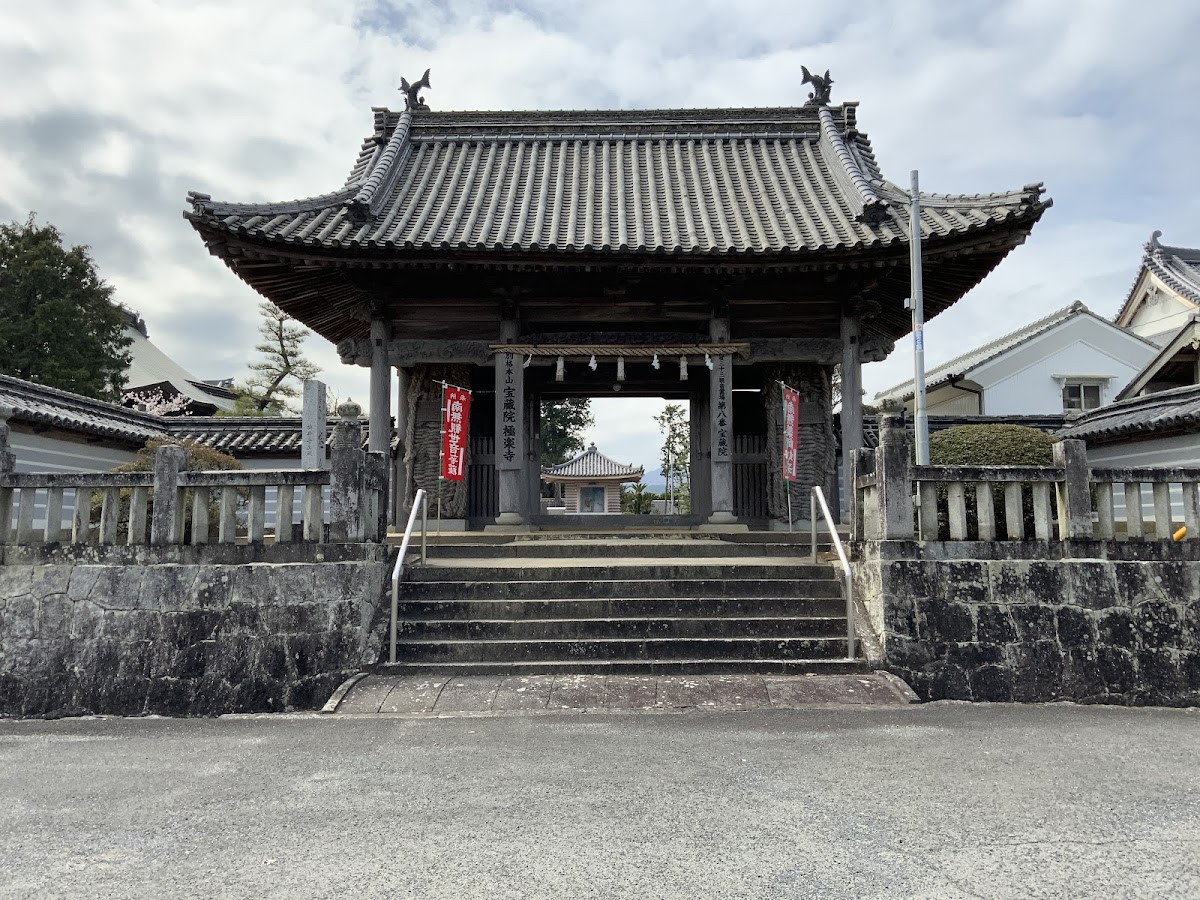
The place name Kannonji originates from the temple “Kannonji” located within the city. This temple is known as the 69th temple of the Shikoku 88 Temple Pilgrimage and has been visited by many pilgrims since ancient times. The temple’s official name is “Shichihōzan Kannonji,” and it is said to have been founded in 703 AD (Taihō 3).
During the Edo period, Kannonji flourished as a commercial center in western Sanuki Province. Located along the road to Konpira Shrine, it saw a large influx of travelers and developed as a post town. Since the Meiji era, it has grown into an industrial city centered on the textile industry.
Major Tourist Attractions in Kanonji City
Kanonji Temple (Shippozan Kanonji Temple)
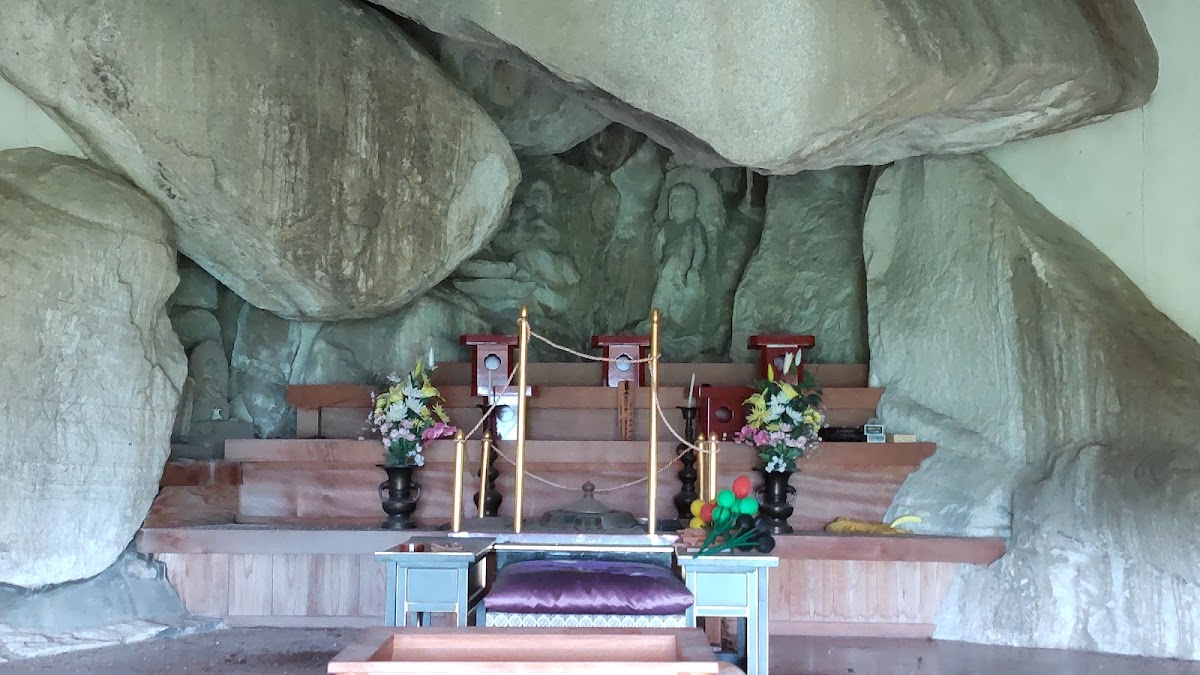
Kanonji Temple, the 69th temple of the Shikoku 88 Temple Pilgrimage, is a representative temple of the city. Its principal image is the Holy Kannon Bodhisattva, believed to offer protection against misfortune and ensure family safety.
Within the temple grounds are the main hall and the Daishi Hall, both designated as Important Cultural Properties, showcasing historically valuable architecture. The main hall, in particular, is a precious relic that preserves the architectural style of the Muromachi period. Beautiful cherry blossoms in spring and autumn leaves in fall allow visitors to enjoy the scenery throughout the seasons.
Visiting hours are usually from 7:00 AM to 5:00 PM. Temple stamps (Goshuin) can be obtained at the temple office, and it is visited by many pilgrims as well as general tourists.
Kotohiki Park and Zenigata Sand Painting
Kotohiki Park is a representative tourist attraction of Kanonji City. Part of the Setonaikai National Park, this park boasts a beautiful coastline and pine forest landscape.
The park’s main attraction is the “Zenigata Sand Painting.” This gigantic sand painting, modeled after the Kan’ei Tsūhō coin, boasts a magnificent scale, measuring 122 meters east-west and 90 meters north-south. Legend says it was created overnight in 1633 to welcome the feudal lord.
The Zenigata Sand Painting is popular as a power spot for financial luck, with the legend that “those who see this Zenigata will enjoy good health, longevity, and financial prosperity.” The entire sand painting can be viewed from the observation deck, and it is especially enchanting at night when illuminated.
Ichiyaan (One-Night Hermitage)
Ichiyaan is a restored hermitage where the haiku poet Yamazaki Sōkan spent his later years. Sōkan was an important literary figure, considered the founder of haikai poetry, and composed many haiku here.
A tranquil garden surrounds the hermitage, where seasonal flowers soothe the hearts of visitors. This spot holds special significance for literature lovers and those interested in haiku. A haiku competition commemorating Sokan is held here every year.
Hōnenike Dam
The Hōnenike Dam is a stone-built multiple-arch dam completed in 1929. Its beautiful scenery has earned it the nickname “Japan’s Machu Picchu,” and it has attracted considerable attention in recent years.
The dam is designated a National Important Cultural Property and is highly regarded as a civil engineering heritage site. Its unique structure, with its five interconnected arches, evokes a majestic atmosphere reminiscent of an ancient European castle.
Every July, a water release event called “Yurunuki” takes place, offering a spectacular view of the water’s powerful flow. Many tourists and photographers visit during this time to capture the magnificent scenery.
Unpenji Temple
Located at the summit of Mount Unpenji, at an altitude of 927 meters, Unpenji Temple is the 66th temple of the Shikoku 88 Temple Pilgrimage. Also known as “Shikoku Koyasan,” it is the highest-altitude temple among the pilgrimage sites.
The temple grounds are lined with 500 stone statues of Arhats, creating a mystical atmosphere. On a clear day, the summit offers a spectacular panoramic view of the Seto Inland Sea islands and the Sanuki Plain.
Using the Unpenji Ropeway, you can reach the summit in about 7 minutes from the base of the mountain. The views from the ropeway are also magnificent, allowing you to enjoy the mountain scenery in all four seasons.
Kannonji’s Gourmet Food and Local Products
Kannonji Manju
Kannonji’s representative confection is “Kannonji Manju.” Characterized by its refined sweetness from the white bean paste, it is a popular souvenir. In the city’s traditional Japanese confectionery shops, you can purchase Kanonji manju (steamed buns) made using traditional methods.
Sanuki Udon
Kagawa Prefecture is famous for its Sanuki udon, and Kanonji City boasts numerous renowned restaurants. Characterized by its firm noodles and flavorful broth, it’s beloved by both locals and tourists.
The city offers a variety of udon restaurants, from long-established establishments to newer styles. Self-service restaurants offer authentic Sanuki udon at reasonable prices.
Ibuki Iriko (Dried Sardines)
Ibuki Island, located off the coast of Kanonji City, is nationally known as a producer of high-quality iriko (dried sardines). Ibuki iriko is made using fresh anchovies and a unique method, resulting in a refined taste and rich aroma.
It’s considered a top-grade product for making broth and is used in high-end restaurants. Various sizes of Ibuki iriko can be purchased at souvenir shops and roadside stations in the city. ### Yellowtail Farming
Yellowtail farming is thriving in the waters surrounding Kanonji City. Fresh yellowtail is served in various dishes such as sashimi and teriyaki at restaurants in the city, allowing you to enjoy its rich, fatty flavor.
Access to Kanonji City
Access by Train
The central station of Kanonji City is Kanonji Station on the JR Yosan Line. Access from major cities is as follows:
From Okayama:
Approximately 1 hour 30 minutes via the JR Seto-Ohashi Line and Yosan Line. Using the Rapid Marine Liner and Limited Express trains is convenient.
From Takamatsu:
Approximately 1 hour via the JR Yosan Line. Access is approximately 40 minutes using the Limited Express “Shiokaze”.
From Matsuyama:
Approximately 1 hour 30 minutes via the JR Yosan Line Limited Express “Shiokaze”.
Kanonji Station is located in the city center, with convenient bus and taxi connections to major tourist attractions.
Access by Car
When using expressways, the nearest interchanges are as follows:
From Takamatsu:
Approximately 30 minutes from Sanuki-Toyonaka IC on the Takamatsu Expressway via National Route 11.
From Matsuyama/Imabari:
Approximately 40 minutes from Mishima-Kawanoe IC on the Matsuyama Expressway via National Route 11.
From Kobe/Osaka:
Approximately 2 hours 30 minutes via the Kobe-Awaji-Naruto Expressway and Takamatsu Expressway.
There are multiple parking lots within the city, and dedicated parking is available at major tourist attractions.
Access by Airplane
The nearest airport is Takamatsu Airport. From the airport to Kanonji City, it takes approximately 1 hour 30 minutes by limousine bus and JR train. It can be reached in approximately 1 hour by rental car.
Accommodation in Kanonji City
Hotels & Business Hotels
There are several business hotels and city hotels around Kanonji Station. They are conveniently located within walking distance of the station, making them ideal for sightseeing and business trips. Rates typically range from 5,000 to 10,000 yen per night.
Most hotels offer amenities such as free Wi-Fi, breakfast service, and parking, ensuring a comfortable stay.
Ryokans & Guesthouses
The city and surrounding areas also boast ryokans (traditional Japanese inns) and guesthouses offering warm hospitality. Guests can enjoy dishes made with local ingredients and experience local culture.
In particular, accommodations along the coast pride themselves on dishes made with fresh seafood. Dining while overlooking the Seto Inland Sea is a special experience.
Hot Spring Facilities
There are also day-trip hot spring facilities around Kanonji City, perfect for relaxing after sightseeing. Facilities using natural hot springs offer a truly tranquil experience.
Events and Festivals in Kanonji City
Chosa Festival
The Chosa Festival is a quintessential autumn event in Kanonji City. “Chosa” refers to taiko drum floats, and these elaborately decorated floats, weighing approximately 2 tons, are carried and paraded through the streets.
The festival is held every October, and the “Kakikurabe” (float competition), where chosa from each district gather, is a spectacular sight as the floats are lifted amidst powerful shouts. At night, the chosa, adorned with lanterns, create a magical atmosphere.
Kanonji Citizens’ Festival
Held in summer, the Kanonji Citizens’ Festival is a fun event with participation from all citizens. Various events are held, including parades, stage performances, and food stalls. The festival culminates in a fireworks display, where beautiful fireworks light up the night sky over the Seto Inland Sea.
Ichiyōan Haiku Competition
This haiku competition is held annually in memory of the haiku poet Yamazaki Sōkan. Many haiku enthusiasts from all over Japan participate, and outstanding works are awarded. It’s a valuable opportunity to experience the world of haiku in a culturally rich atmosphere.
Tourist Spots Around Kanonji City
Ibuki Island
Located about 25 minutes by boat from Kanonji Port, Ibuki Island is a remote island famous for its dried sardine production. Although a small island with a population of about 500, it boasts a unique landscape and culture.
Narrow alleys wind like a maze on the island, retaining the atmosphere of a traditional fishing village. It has also been used as a filming location for movies and dramas, and in recent years has become known as “Cat Island.”
Tourist Spots in Mitoyo City
In the neighboring city of Mitoyo, there is a scenic spot called “Chichibugahama.” The water surface, which appears like a mirror at low tide, is popular for taking photos reminiscent of the Uyuni Salt Flats in South America.
Located about 20 minutes by car from Kanonji City, it’s ideal for a day trip.
Industry and Economy of Kanonji City
Textile Industry
Kanonji City has a long history as a thriving textile industry. Its glove production, in particular, is nationally renowned, boasting high quality as “Kagawa gloves.” Many textile-related companies are located within the city, supporting the local economy.
In recent years, product development has progressed, incorporating new materials and designs while utilizing traditional techniques.
Agriculture
Agriculture, primarily rice cultivation, is practiced in the fertile plains of the Tadagawa River basin. Vegetable cultivation is also thriving, taking advantage of the warm climate, with onion and garlic production being particularly well-known.
Fisheries
Taking advantage of its location facing the Seto Inland Sea, fishing and aquaculture are also important industries. In addition to the aforementioned Ibuki anchovy and yellowtail aquaculture, sea bream and flounder are also farmed.
Culture and Education in Kanonji City
Cultural Facilities
Kanonji City has well-developed cultural facilities, including a community center and a library. The community center hosts various cultural events such as concerts, plays, and lectures, serving as a hub for citizens’ cultural activities.
Kanonji City Library boasts a rich collection of books and comfortable reading spaces, making it a popular place for citizens to study and read.
Educational Institutions
The city has multiple elementary, junior high, and high schools, providing a well-established educational environment. Furthermore, there are abundant opportunities for lifelong learning, with various courses offered at community centers and other venues.
Living Environment in Kanonji City
Medical Care and Welfare
Kanonji City has multiple general hospitals and clinics, ensuring a well-developed medical system. Emergency medical care is also available, creating a safe and secure living environment.
Welfare facilities catering to an aging society are also abundant, with care services and facilities for the elderly available.
Childcare Support
The city is committed to childcare support, with a wide range of facilities including nurseries, kindergartens, and children’s centers. Consultation services and support programs for parents are also available, creating a safe and secure environment for raising children.
Shopping and Commercial Facilities
The city has supermarkets, shopping centers, and shopping streets, so daily shopping is convenient. Traditional shopping streets offer local specialties and fresh produce.
Model Itinerary for Kannonji Sightseeing
Day Trip Course
Morning:
- 9:00 Arrive at Kannonji Station
- 9:30 Visit Kannonji Temple (Shippozan Kannonji) (approx. 1 hour)
- 10:45 Visit Kotohiki Park and Zenigata Sand Painting (approx. 1 hour)
Lunch:
- 12:00 Sanuki Udon Lunch in the City
Afternoon:
- 13:30 Visit Ichiyaan (approx. 30 minutes)
- 14:30 Visit Hōnenike Dam (approx. 1 hour)
- 16:00 Purchase Souvenirs around Kannonji Station
- 17:00 Depart from Kannonji Station
2-Day/1-Night Course
Day 1:
- Morning: Arrive at Kannonji Temple, Visit Kannonji Temple
- Lunch: Sanuki Udon
- Afternoon: Visit Kotohiki Park, Zenigata Sand Painting, and Ichiyaan.
- Evening: Check into a city hotel.
- Night: Seafood dinner in the city.
Day 2:
- Morning: Visit Unpenji Temple via Unpenji Ropeway.
- Lunch: Lunch at a local restaurant.
- Afternoon: Visit Hōnenike Dam, day trip to Ibukijima Island (if time permits).
- Evening: Purchase souvenirs, depart from Kannonji.
Points to Note and Advice for Kannonji Sightseeing
Climate and Clothing
Kanonji City has a Seto Inland Sea climate, which is relatively mild throughout the year. Summers are hot and humid, so hats, sunscreen, and hydration are necessary. Winters are relatively mild, but can get cold in mountainous areas, so layered clothing is recommended.
Transportation
Major tourist spots in the city are scattered, so renting a car or taking a taxi is convenient. There are also local buses, but the number of services is limited, so it is recommended to check the timetable in advance.
Around Kannonji Station, you can rent bicycles and enjoy sightseeing by bike on sunny days.
Tourist Season
Kannonji is a tourist destination year-round, but the following times are especially recommended:
- Spring (March-May): Cherry blossom season, Kannonji Temple and Kotohiki Park are beautiful. The weather is pleasant and ideal for sightseeing.
- Autumn (October-November): Beautiful autumn foliage, and the Chosa Festival is held.
- Summer (July): You can see the “release of water” from the Hōnenike Dam. However, be sure to take precautions against the heat.
Communication with Locals
The people of Kannonji are warm and friendly, and will treat tourists kindly. If you get lost or want to know about recommended places to eat, feel free to ask a local. You might be told about unexpected hidden gems or delicious restaurants.
Summary: Enjoy the Charms of Kannonji
Kanonji City is a charming tourist destination where historical temples, beautiful natural scenery, and a rich food culture harmoniously coexist. Its religious significance as a pilgrimage site of the 88 temples of Shikoku, unique tourist spots such as the Zenigata sand painting and the Hōnenike Dam, delicious cuisine including fresh seafood and Sanuki udon noodles, and the warm hospitality of the local people—all of these contribute to the charm of Kannonji.
Whether you’re visiting for a day trip or an overnight stay, Kannonji can be enjoyed in a style that suits you. When you visit Shikoku, be sure to extend your trip to Kannonji City. You’re sure to create lasting memories.
With excellent transportation access, it’s within day-trip distance from Takamatsu and Matsuyama. Kannonji City is attractive both as a base for a Shikoku trip and as a standalone destination. Why not choose Kannonji as your next travel destination?