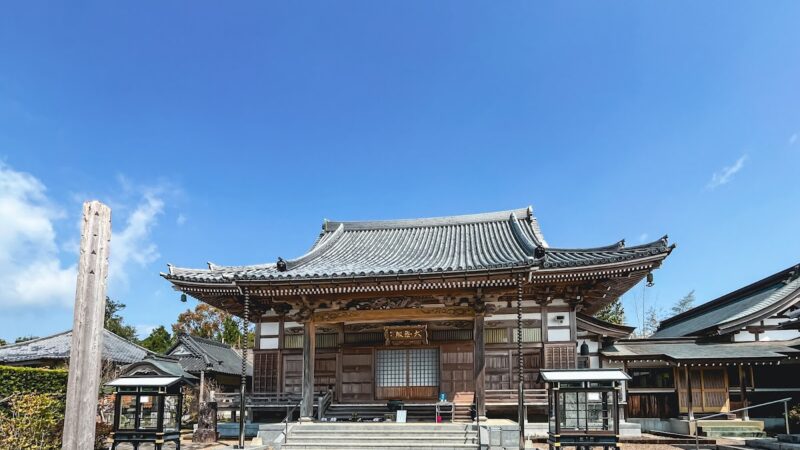
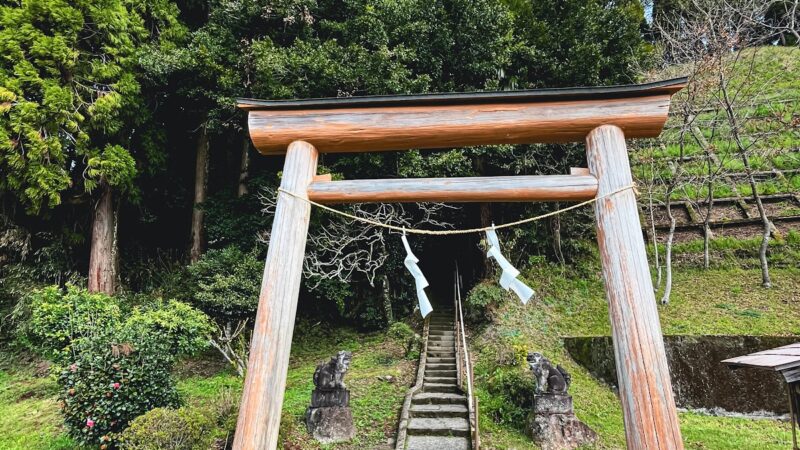
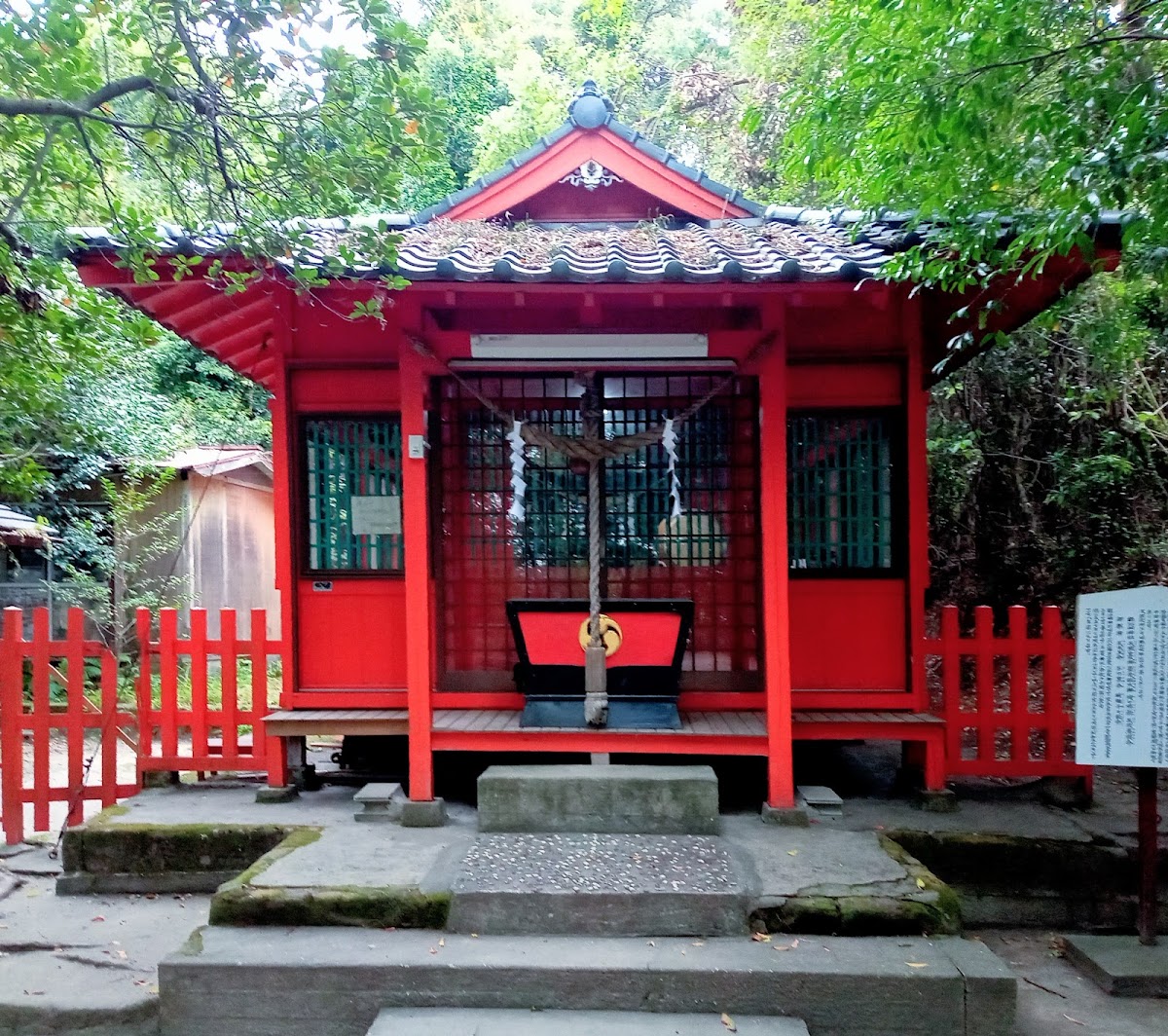
Complete Guide to Kenshinji Temple | Temple Information, Access, and History in Zushi City, Kanagawa Prefecture and Kagoshima City
There are several temples named Kenshinji in Japan. This article provides detailed information on the characteristics, history, access methods, and services offered by Kenshinji Temple, a Honmon Butsuryu-shu temple in Zushi City, Kanagawa Prefecture, and Kenshinji Temple, a Jodo Shinshu Kosei-ha temple in Yoshino-cho, Kagoshima City, which are frequently searched for.
Kenshinji Temple (Honmon Butsuryu-shu) in Zushi City, Kanagawa Prefecture
Basic Information and Overview
Kenshinji Temple, located in Zushi City, Kanagawa Prefecture, belongs to the Honmon Butsuryu-shu sect. The Honmon Butsuryu-shu sect is one of the Buddhist sects that inherits the teachings of Nichiren Shonin and is characterized by its emphasis on the practice of faith in daily life.
Kenshinji Temple belongs to the Kanagawa Missionary District of the 4th Branch Office and conducts faith activities rooted in the local community. The head priest is Reverend Shin’ei Kawamoto, and the temple is known as an open place for people seeking advice not only from parishioners but also from those facing various challenges in life.
Address and Contact Information
Address: 5-7-21 Zushi, Zushi City, Kanagawa Prefecture 249-0006
Phone Number: 046-871-1804
FAX: 046-871-1804
Located in the heart of Zushi City, the temple boasts excellent transportation access. Surrounded by residential areas, it serves as a familiar place of worship for local residents.
Access Method
Public transportation is the most convenient way to access Kenshinji Temple.
From JR Yokosuka Line “Zushi Station”:
- Approximately 5 minutes on foot
- Exit the East Exit and proceed towards Zushi Ginza Shopping Street.
From Keikyu Railway “Shin-Zushi Station”:
- Approximately 1 minute on foot
- Closest to the station, extremely convenient access.
Both stations offer good access from central Tokyo; approximately 30 minutes from Yokohama Station and approximately 50 minutes from Shinagawa Station. If you are coming by car, it is recommended to check with the temple in advance regarding parking availability.
Introduction of the Chief Priest: Reverend Shin’ei Kawamoto
Reverend Shin’ei Kawamoto, the chief priest of Kenshinji Temple, has been engaged in missionary work for many years as a monk of the Honmon Butsuryu sect. He is known for his sincere approach to various life problems and consultations, as well as for performing memorial services and offering prayers for parishioners.
Chief Priest Kawamoto dedicates himself to clearly explaining how Buddhist teachings can be applied to daily life in modern society, striving to create a temple that is accessible to younger generations.
About Honmon Butsuryu-shu
Honmon Butsuryu-shu is a branch of Nichiren Buddhism, originating from the teachings of Nichiren Shonin. Its characteristics include:
- Daily Chanting Practice: A faith practice centered on chanting the title “Nam Myoho Renge Kyo”
- Worldly Benefits: Emphasis on teachings for living a better life in the present
- Family Faith: Values daily faith practice not only at the temple but also in each household
- Open Propagation: A proactive stance on spreading the teachings
At Kenshinji Temple, services and events based on these doctrines of Honmon Butsuryu-shu are also held.
Main Memorial Services and Services Offered
Kenshinji Temple offers the following memorial services and services:
Annual Events:
- New Year’s Day Visit
- Spring Equinox Service
- Obon Festival (Buddhist memorial service)
- Autumn Equinox Service
- Oeshiki (Memorial service for the anniversary of Nichiren Shonin’s death)
Individual Memorial Services:
- Funeral/Memorial Service
- Annual Memorial Services (First anniversary, third anniversary, etc.)
- Ancestor Memorial Service
- Memorial Service for Stillborn Children
- Eye-Opening Ceremony
Life Counseling:
Consultations with the head priest are accepted at any time, and you can receive advice from a Buddhist perspective on life’s worries and uncertainties. Those wishing to consult are advised to make a reservation by phone in advance.
For Those Wishing to Hold a Funeral
If you wish to hold a funeral at Kenshinji Temple, you should not contact the temple directly, but rather request a funeral home in your area to “hold the funeral at Kenshinji Temple.” The funeral home will coordinate with the temple to determine the date and order of the service.
There are several funeral homes in Zushi City; choosing one with experience at Kenshinji Temple will ensure a smoother process. Pre-consultations are also available, so gathering information in advance is beneficial for future planning.
Kenshinji Temple (Jodo Shinshu Kōshōha) in Kagoshima City
Basic Information and Overview
Kenshinji Temple, located in Yoshino-cho, Kagoshima City, Kagoshima Prefecture, belongs to the Jodo Shinshu Kōshōha sect. Its mountain name is “Shizenzan,” and it engages in activities deeply rooted in the local community.
Kenshinji Temple not only performs memorial services and celebratory ceremonies, but also serves as a community center, offering programs such as children’s temple schools and sutra copying classes. It also has a columbarium and caters to those who desire perpetual memorial services.
Address and Contact Information
Address: Yoshino-cho, Kagoshima City, Kagoshima Prefecture
For detailed address and contact information, please check the official website (http://kenshinji.or.jp/).
Access Methods
Yoshino-cho, Kagoshima City, is located northeast of the city center.
Public Transportation:
- Accessible by Kagoshima City Tram and local buses.
- It is recommended to check detailed bus stops and travel times in advance.
By Car:
- Approximately 15-20 minutes from the city center of Kagoshima City via national highway.
- Convenient access by car as parking is available.
About the Jodo Shinshu Kōshō-ha
The Jodo Shinshu Kōshō-ha is a branch of Jodo Shinshu Buddhism, with Shinran Shonin as its founder. The main characteristics are as follows:
- Reliance on Other Power: Belief in salvation through the vow of Amida Buddha
- The Teaching of Nembutsu: Centered on chanting “Namu Amida Butsu”
- Lay Buddhism: Monks marry and live the same lives as ordinary people
- Equality Doctrine: The teaching that all people are equally saved
Kenshinji Temple holds Buddhist services and events based on these teachings of Jodo Shinshu Buddhism.
Main Activities and Events
Kenshinji Temple in Kagoshima City engages in various community-oriented activities in addition to traditional Buddhist services.
Annual Events:
- Shushō-e (New Year’s Day service)
- Spring and Autumn Equinox Services
- Hana Matsuri (Buddha’s birthday)
- Urabon-e (Buddha’s Obon festival)
- Hōon-kō (Memorial service for Shinran Shōnin)
- Bon Odori Summer Festival: A major local event held every July. A variety of programs are offered, including Bon Odori dance, kids’ dance, children’s drumming competition, Hawaiian band and jazz band concerts, dance performances, and a grand raffle.
Educational and Cultural Activities:
- Children’s Temple School: Providing children with opportunities to learn Buddhist teachings and morals.
- Sutra Copying Class: An experience of calmly copying Buddhist scriptures.
- Dharma Talks: Held regularly, offering opportunities to learn Buddhist teachings.
Many of these activities are open to non-parishioners, demonstrating the temple’s openness to the community.
Columbarium and Perpetual Memorial Service
Kenshinji Temple in Kagoshima City has a fully equipped columbarium and offers the following types of memorial services:
Perpetual Memorial Grave:
- Suitable for those without successors or those who do not wish to burden their descendants.
- The temple takes responsibility for continuing memorial services perpetually.
Individual Grave:
- For those who wish to individually enshrine remains for a certain period.
- After the period ends, the remains are generally moved to a communal grave.
Columbarium:
- An indoor columbarium facility, allowing visits regardless of weather.
- Barrier-free design, making it accessible for the elderly.
For costs and details, please contact the temple directly to receive a proposal tailored to your individual circumstances.
Other Kenshinji Temples
Kenshinji Temple in Saitama City
There is also a temple named Kenshinji in Saitama City. The nearest station is Naka-Urawa Station, and it serves as a local center of faith. For detailed information, please contact the temple directly.
Points to Note and Manners When Visiting Kenshinji Temple
Regarding Attire
- Regular Visits: Everyday clothes are acceptable as long as they are clean and presentable.
- Attending Memorial Services: Semi-formal attire or clothing in subdued colors is preferable.
- Funerals: Mourning attire is the standard.
Etiquette for Visiting
While etiquette varies by sect, basic manners are common:
- Bow at the temple gate before entering the grounds.
- Cleanse your hands at the water basin if available.
- Join your hands in prayer and bow at the main hall.
- Refrain from talking and maintain silence.
- Obtain permission before taking photographs.
For First-Time Visitors
First-time visitors to Kenshinji Temple should keep the following points in mind:
- It is polite to inform the temple of your visit by phone in advance (especially if you wish to meet with the head priest).
- Depending on the nature of the memorial service or consultation, reservations may be required.
- It’s best to confirm the amount of offerings and donations in advance.
Temple Consultation Services
Kenshinji Temple offers consultations on various aspects of life.
Topics You Can Consult On
- Life Concerns: Questions about the meaning and purpose of life
- Family Relationships: Concerns about parent-child relationships, marital relationships, etc.
- Memorial Services: Methods of ancestor worship and memorial services for stillborn babies
- End-of-Life Planning Consultation: Preparations for your own funeral and burial plot
- General Buddhist Rituals: How to conduct memorial services, matters concerning Buddhist altars, etc.
Consultation Process
- Make a reservation by phone
- Visit the temple at the designated date and time
- Consult with the head priest face-to-face (approximately 30 minutes to 1 hour)
- Offer a donation if necessary
Consultations are conducted with strict confidentiality, so you can confide your concerns with peace of mind.
The Role of Temples in Modern Society
Local temples like Kenshinji Temple play diverse roles in modern society, not merely as religious institutions.
As a Community Center
- A place for interaction among local residents
- A base for the transmission of traditional culture
- A space for finding peace of mind
- A place for ceremonies at life’s milestones
Social Functions
- Educational Function: Providing learning through temple schools and courses
- Welfare Function: Supporting people suffering from loneliness and worries
- Cultural Preservation: Protecting local history and cultural assets
- Environmental Conservation: Contributing to the environment by maintaining green spaces within the temple grounds
Summary
Temples named Kenshinji are particularly well-known, including a Honmon Butsuryu-shu temple in Zushi City, Kanagawa Prefecture, and a Jodo Shinshu Kosei-ha temple in Yoshino-cho, Kagoshima City. While belonging to different sects and engaging in unique activities, they share a common characteristic: they are places of faith rooted in the community, open not only to parishioners but also to the general public.
Kenshinji Temple in Zushi, under the leadership of Chief Priest Masanori Kawamoto, boasts excellent accessibility, being just a 1-5 minute walk from the station, and functions as a readily accessible center of faith in an urban area. Meanwhile, Kenshinji Temple in Kagoshima caters to modern needs such as columbariums and perpetual memorial services, while also playing a role in strengthening community bonds through local events like Bon Odori and summer festivals.
At various stages of life, temples can be a reliable source of solace and guidance. Visiting Kenshinji Temple may allow you to connect with Buddhist teachings and find inner peace. Even if it’s your first time, why not stop by?