Nanshu Shrine (Kagoshima Prefecture, Kagoshima City) Complete Guide | History and Visiting Information for the Sacred Site of Saigo Takamori
What is Nanshu Shrine?
Nanshu Shrine is a shrine located at 2-1 Kamitatsuo-cho, Kagoshima City, Kagoshima Prefecture. It enshrines Saigo Takamori-no-Mikoto, one of the three great figures of the Meiji Restoration, as its main deity, and also enshrines the 6,800 soldiers of the Satsuma army who died in the Satsuma Rebellion.
Although its former shrine rank was unranked, “Saigo-don” remains a beloved hero to the people of Kagoshima Prefecture, and Nanshu Shrine has become a must-visit sacred site for Saigo Takamori fans and history enthusiasts. The adjacent Nanshu Cemetery contains the burial of Saigo Takamori and other heroes of the Satsuma Rebellion, and the entire Nanshu Park is maintained as a historically significant site.
The shrine’s crest is a three-leaf chrysanthemum, which is the family crest of the Saigo family. The annual festival is held on September 24th, the anniversary of Saigo Takamori’s death. Every year, a grand festival is held, attracting many worshippers.
History and Origins of Nanshu Shrine
Circumstances of its Founding
The history of Nanshu Shrine dates back to the Satsuma Rebellion of 1877 (Meiji 10). The Satsuma army, led by Saigo Takamori, fought against the Meiji government forces, and on September 24th of that year, Saigo Takamori committed suicide at Shiroyama. Because the Satsuma soldiers who lost their lives in the Satsuma Rebellion were initially treated as rebels, government burial was not permitted.
However, the people of Kagoshima, who admired Saigo Takamori, secretly recovered his body and buried it at the site of the present-day Nanshu Cemetery. This cemetery is the resting place of Saigo Takamori, Kirino Toshiaki no Mikoto, and other Satsuma soldiers who died in the Satsuma Rebellion.
Founding of Nanshu Shrine
On June 28, 1922 (Taisho 11), the existing worship hall (shrine) was formally established as Nanshu Shrine by people who revered Saigo Takamori. This was a result of the progress in restoring Saigo Takamori’s honor and the re-evaluation of his achievements.
Changes in the Shrine Building
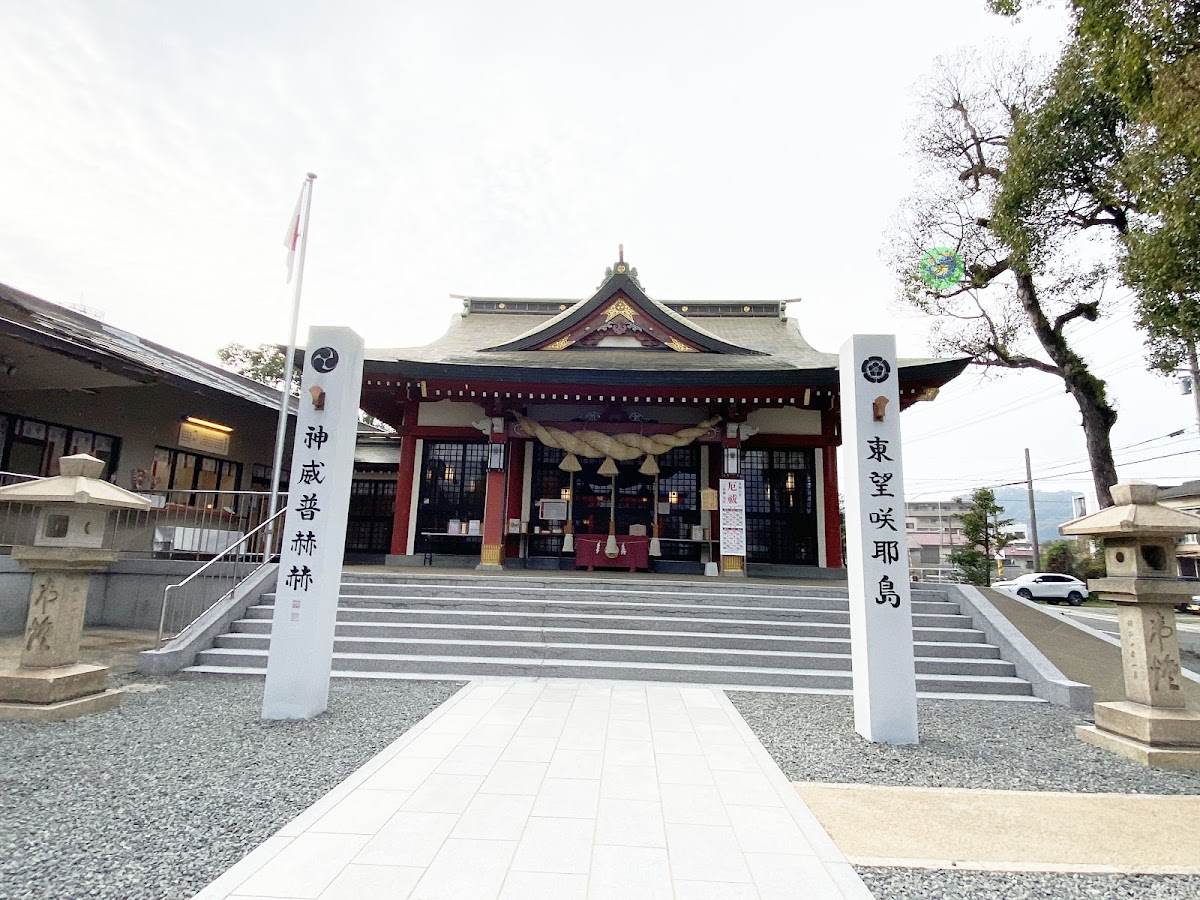
The original shrine building was a simple wooden structure. However, in 1977 (Showa 52), to commemorate the 100th anniversary of the Satsuma Rebellion, the current magnificent reinforced concrete shrine building was completed. This reconstruction gave Nanshu Shrine its current appearance, and it is now ready to welcome many worshippers.
The worship hall has a solemn atmosphere, and the grounds are enveloped in a tranquil ambiance. Respect for Saigo Takamori and the heroes of Satsuma can be felt in every corner of the grounds.
Guide to the Grounds of Nanshu Shrine
Worship Hall and Main Shrine
The worship hall of Nanshu Shrine is a magnificent reinforced concrete building completed in 1977. Inside the worship hall, a portrait of Saigo Takamori and related materials are displayed, allowing visitors to quietly offer their prayers while reflecting on Saigo Takamori’s achievements.
A wide approach leads to the main shrine, allowing visitors to pray at their own pace and with peace of mind. The grounds are kept clean, reflecting the deep reverence and respect the local people have for Saigo Takamori.
Nanshu Cemetery
Adjacent to Nanshu Shrine is Nanshu Cemetery, the burial place of 6,800 soldiers of the Satsuma army who died in the Satsuma Rebellion, including Saigo Takamori. Saigo Takamori’s grave is in the center of the cemetery, surrounded by the graves of other Satsuma soldiers.
The cemetery is neatly maintained, leaving a deep impression on visitors. In particular, there are many graves of famous figures who fought alongside Saigo Takamori, such as Kirino Toshiaki, making it a place of great interest for history buffs.
From Nanshu Cemetery, you can see Sakurajima volcano across Kagoshima city, and this spectacular view is one of the major attractions of Nanshu Park.
Saigo Nanshu Memorial Hall
Within the grounds of Nanshu Shrine is the Saigo Nanshu Memorial Hall, a museum. Here, valuable materials related to Saigo Takamori’s life and the Satsuma Rebellion are displayed, allowing visitors to learn more about him.
The exhibits include Saigo Takamori’s belongings, letters, photographs, and materials related to the Satsuma Rebellion, making it a collection of high historical value. When visiting Nanshu Shrine, we highly recommend stopping by the Saigo Nanshu Memorial Hall.
Modern Streetlights and Highlights of the Shrine Grounds
The shrine grounds feature modern streetlights from the time when electricity was first introduced to Kagoshima, creating a unique landscape that harmonizes historical atmosphere with symbols of modernization.
Furthermore, there is a Japanese-style cafe on the shrine grounds, where you can relax after your visit. It’s the perfect place to take a break during your historical stroll.
Nanshu Shrine’s Annual Festival and Events
Annual Festival (September 24th)
The annual festival of Nanshu Shrine is held on September 24th, the anniversary of Saigo Takamori’s death. Every year on this day, many Saigo Takamori fans and devotees gather from all over the country for a grand celebration.
During the festival, Shinto priests solemnly perform rituals, and attendees pay their respects to Saigo Takamori and the heroes of Satsuma. For the people of Kagoshima, this festival is an important event that renews their gratitude and respect for Saigo Takamori.
Nanshu Shrine Rokugatsu-to Festival
The Nanshu Shrine Rokugatsu-to Festival, one of Kagoshima’s three major Rokugatsu-to festivals, is a traditional event held every July. The lanterns lining the 155 long stone steps create a breathtaking sight, enveloping the area in a magical atmosphere from dusk till night.
During the Rokugatsu-to festival, dances and songs are performed on the shrine’s stage, and various events such as flower arrangement exhibitions are held, attracting many worshippers and tourists. It’s a beloved summer tradition in Kagoshima, cherished by locals.
Goshuin and Amulets
About Goshuin
Nanshu Shrine offers goshuin (shrine stamps) to worshippers. These are available at the shrine office, and many worshippers have them inscribed in their goshuin notebooks as a memento of their visit.
The Nanshu Shrine goshuin features the shrine’s name along with a seal symbolizing Saigo Takamori, giving it a historically significant design. It will be a valuable item for Saigo Takamori fans and goshuin collectors.
Amulets and Souvenirs
The shrine office also sells amulets, votive tablets, and other souvenirs. There are special amulets related to Saigo Takamori, which are popular as souvenirs of your visit or as gifts for loved ones.
Access Information
Location
2-1 Kamitatsuomachi, Kagoshima City, Kagoshima Prefecture 892-0851
Access by Public Transportation
Using the Tram and Bus
- Take the tram from JR Kagoshima-Chuo Station and get off at the “Takenobashi” tram stop, then walk for approximately 15 minutes.
- Take the city bus or Nangoku Kotsu bus and get off at the “Nanshu Park Entrance” bus stop, then walk for approximately 5 minutes.
The shrine is easily accessible from the city center and conveniently located for a visit as part of Kagoshima sightseeing.
Access by Car
From Kagoshima-Chuo Station
- Approximately 10 minutes by car
From Kagoshima Airport
- Approximately 40 minutes by car
Parking
Nanshu Park has a free parking lot. There is space for approximately 50 regular cars, so visitors can visit by car with peace of mind. However, congestion is expected during events such as the annual festival and the Rokugatsu-to festival, so we recommend considering using public transportation.
Notes and Manners for Visiting
Visiting Hours
The grounds of Nanshu Shrine are generally open all day, but the shrine office is usually open from 9:00 to 17:00. Those wishing to receive a Goshuin (shrine stamp) or amulet are advised to visit during these hours.
Dress Code and Visiting Manners
Nanshu Shrine is a sacred place dedicated to Saigo Takamori and the heroes of the Satsuma Rebellion. Please observe the following manners when visiting.
- Please remove your hat when entering the main hall.
- Please refrain from loud conversations.
- Photography is permitted, but please be considerate of other visitors.
- Please be especially quiet at Nanshu Cemetery.
Use of the Saigo Nanshu Memorial Hall
The Saigo Nanshu Memorial Hall is a paid facility (200 yen for adults, 100 yen for elementary and junior high school students). Opening hours are 9:00 AM to 5:00 PM, and it is closed on Mondays (or the following day if Monday is a public holiday). For detailed information on exhibits and special exhibitions, we recommend checking the official website beforehand.
Nearby Tourist Attractions
Shiroyama (Shiroyama Observatory)
Shiroyama, located about 10 minutes by car from Nanshu Shrine, is a historical site where Saigo Takamori met his end. From the Shiroyama Observatory, you can enjoy a magnificent panoramic view of Kagoshima city and Sakurajima, making it a classic Kagoshima tourist spot.
Many tourists visit Nanshu Shrine and Shiroyama together as part of a historical walk exploring places associated with Saigo Takamori.
Kagoshima City Museum of Art
Located in downtown Kagoshima, the Kagoshima City Museum of Art exhibits works by artists associated with Kagoshima, as well as materials related to Saigo Takamori. It offers a cultural perspective on Kagoshima’s history.
Sengan-en Garden (Iso Garden)
Sengan-en Garden, formerly a villa of the Shimazu family, is a beautiful Japanese garden that incorporates Sakurajima as a borrowed landscape. It’s a facility where you can learn about the history of the Satsuma Domain from the end of the Edo period to the Meiji Restoration. Visiting it together with Nanshu Shrine allows for a deeper understanding of Kagoshima’s history.
Sakurajima
Sakurajima, a symbol of Kagoshima, is accessible by ferry in about 15 minutes. The majestic figure of Sakurajima, an active volcano, can be seen from Nanshu Park, making it an essential part of Kagoshima sightseeing.
The Charm and Significance of Visiting Nanshu Shrine
A Holy Site for Saigo Takamori Fans
Nanshu Shrine is a must-visit holy site for Saigo Takamori fans. It’s a precious place where you can trace the footsteps of Saigo Takamori, who lived through the turbulent Meiji Restoration and made significant contributions to Japan’s modernization.
Saigo Takamori’s character, leadership, and the samurai spirit he upheld to the very end offer many lessons for us living today. Visiting Nanshu Shrine provides an opportunity to reflect on one’s own life through a dialogue with this historical figure.
As a Place for Historical Learning
Nanshu Park, encompassing Nanshu Shrine, Nanshu Cemetery, and the Saigo Nanshu Memorial Hall, is an excellent educational site for learning about the Satsuma Rebellion and the Meiji Restoration. Standing at the raw historical site, something you can’t learn from textbooks, allows for a deeper understanding and emotional impact.
Especially for students and history enthusiasts, Nanshu Shrine is a valuable spot to experience modern Japanese history firsthand.
Pride of Kagoshima Prefecture
For the people of Kagoshima Prefecture, Saigo Takamori is a source of local pride and is still affectionately known as “Saigo-don.” Nanshu Shrine is a place where the reverence and affection of the local people converge, and it can be said to be a shrine that symbolizes Kagoshima’s identity.
Even as a tourist, you can feel the deep respect the local people have for Saigo Takamori.
Nanshu Park in Every Season
Spring Cherry Blossoms
Cherry trees are planted around Nanshu Park, and in spring, beautiful cherry blossoms bloom. The cherry blossoms blooming with Sakurajima in the background are a spectacular sight, attracting many visitors for cherry blossom viewing.
Summer Greenery and the Rokugatsu-to Lantern Festival
In summer, the shrine grounds are enveloped in greenery, creating a cool and refreshing atmosphere. Especially during the Rokugatsu-to Lantern Festival, the fantastical lights of the night illuminate the grounds, captivating many people as a summer tradition in Kagoshima.
Autumn Festival
The annual festival on September 24th is the most important event at Nanshu Shrine. Held solemnly amidst the crisp autumn air, the ceremony deeply moves the hearts of those in attendance.
Winter Silence
In winter, Nanshu Shrine is enveloped in a solemn atmosphere of silence. With relatively few visitors, it’s a season for a peaceful visit. On clear winter days, you can even see Sakurajima covered in snow.
Summary: A Recommendation for Visiting Nanshu Shrine
Nanshu Shrine is a historically significant shrine dedicated to Saigo Takamori and the 6,800 soldiers of the Satsuma army who died in the Satsuma Rebellion. Located in Kamitatsuo-cho, Kagoshima City, it forms Nanshu Park together with the Nanshu Cemetery and the Saigo Nanshu Memorial Hall.
Nanshu Shrine, where you can commemorate the achievements of Saigo Takamori, a hero of the Meiji Restoration, and experience his spirit, is a place worth visiting not only for Saigo fans but for all those interested in Japanese history. When you visit Kagoshima, be sure to pay your respects at Nanshu Shrine and reflect on Saigo Takamori and the heroic spirits of Satsuma. Along with the magnificent view of Sakurajima from the shrine grounds, you will feel the weight of history and the warm hearts of the people of Kagoshima.
Quiet prayer in the main hall, silent observation at Nanshu Cemetery, and learning at the Saigo Nanshu Memorial Hall—your time at Nanshu Shrine will surely be a special experience deeply etched in your heart.