Arata Hachimangu Shrine (Kagoshima Prefecture) Complete Guide: History, Benefits, and Visiting Information Explained in Detail
Arata Hachimangu Shrine is a historic shrine located in Shimoarata 2-chome, Kagoshima City, Kagoshima Prefecture. It was once revered as the principal shrine of Kagoshima and is still affectionately known as “Hachiman-sama” by locals. This article provides a detailed explanation of Arata Hachimangu Shrine’s history, benefits, visiting information, and access methods.
Arata Hachimangu Shrine ## Basic Information on Arata Hachimangu Shrine
Location: 2-7-21 Shimoarata, Kagoshima City, Kagoshima Prefecture 890-0056
Phone Number: 099-252-6744
Former Shrine Rank: Village Shrine
Annual Festival Date: October 23rd
Shrine Office Hours: 9:00 AM – 4:00 PM
Common Name: Hachiman-sama (Hammansaa)
Arata Hachimangu Shrine is located a short walk from the Arata Hachimanmae tram stop on the Kagoshima City Tram line, and is easily identifiable by its large torii gate. Despite being in the city center, it boasts a tranquil precinct and remains a cherished center of faith for the local community.
Deities and Benefits
Deities Enshrined
Arata Hachimangu Shrine enshrines three deities.
Emperor Ōjin
The 15th Emperor of Japan, he is enshrined as Hachiman-sama in Hachiman shrines throughout Japan. Known as the god of military success and national protection, he is believed to bring good fortune and prosperity in competitions.
Empress Jingū
The mother of Emperor Ōjin, she is worshipped as the goddess of safe childbirth and child-rearing. Legend says that she successfully led the Three Kingdoms campaign while pregnant, which is why many worshippers visit her shrine to pray for safe childbirth.
Tamayorihime-no-Mikoto
A goddess known as the goddess of the sea and water, she is believed to bring good fortune in matchmaking, family safety, and maritime safety.
Main Benefits of Arata Hachimangu Shrine
- Prayers for Safe Childbirth and Conception: Due to the divine virtues of Empress Jingu, many pregnant women visit the shrine as a deity of safe childbirth.
- Business Prosperity: The shrine is revered as a guardian deity of local commercial development.
- Good Fortune and Prosperity: Increased luck due to the divine virtues of Emperor Ojin.
- Matchmaking: Successful matchmaking through Tamayorihime-no-Mikoto.
- Increased Financial Fortune: Benefits of increased financial fortune along with business prosperity.
- Protection from Vipers: A unique belief is the custom of using sand from beneath the shrine as a protective amulet.
History and Origins of Arata Hachimangu Shrine
History of Founding
There are various theories regarding the founding of Arata Hachimangu Shrine, but the oldest records suggest its origins date back to around the time of the Sakurajima eruption during the Wado era (708-715). However, the only reliable record is that it was built in the late Heian period as a branch shrine of Kagoshima Jingu in Hayato-cho, Kirishima City.
The Satsuma Province Land Register from 1197 (Kenkyu 8) contains the entry “Osumi Sho Hachimangu Shrine territory, Arata Manor, Kagoshima County, 80 cho,” indicating that a vast estate (sacred territory) of Kagoshima Jingu extended across this area. Arata Hachimangu Shrine played a crucial role as the central shrine of this estate, overseeing local religious ceremonies.
Role as the Chief Shrine of Kagoshima
From the medieval to the early modern period, Arata Hachimangu Shrine was positioned as the Chief Shrine of Kagoshima, serving as the center of faith for the entire region. “Chief Shrine” refers to the most important shrine in a given area, indicating that Arata Hachimangu Shrine was a center of faith in the Kagoshima city area.
During the Shimazu clan’s era, it received reverence from the feudal lord and samurai class, and many offerings and sacred treasures were donated. Even today, the shrine grounds retain historical stone monuments and lanterns, allowing visitors to feel the weight of its long history.
Arata Hachimangu Shrine in the Modern Era
Due to the reform of the shrine system during the Meiji era, Arata Hachimangu Shrine was ranked as a village shrine. Even after World War II, it continued to be worshipped as the local guardian deity, and remains a spiritual center for the citizens of Kagoshima to this day.
In recent years, despite urban development, the shrine grounds have been preserved, and it is cherished as an oasis in the city. Many worshippers visit the annual festival (Goshinkosai) on October 23rd, where traditional rituals are performed.
Highlights of the Shrine Grounds
The Grand Torii Gate and Approach
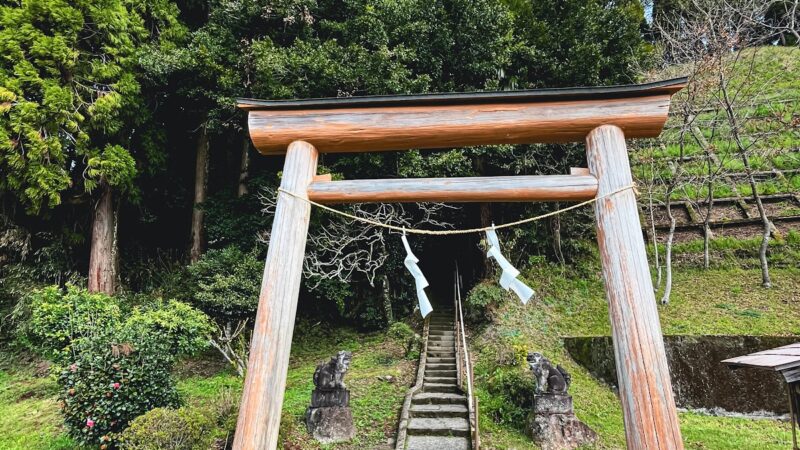
The grand torii gate, visible from the tram line, is a symbolic presence of Arata Hachimangu Shrine. Passing through the gate, a quiet space unfolds, far removed from the hustle and bustle of the city. The approach is well-maintained, allowing visitors to stroll slowly and prepare themselves for worship.
The Main Shrine
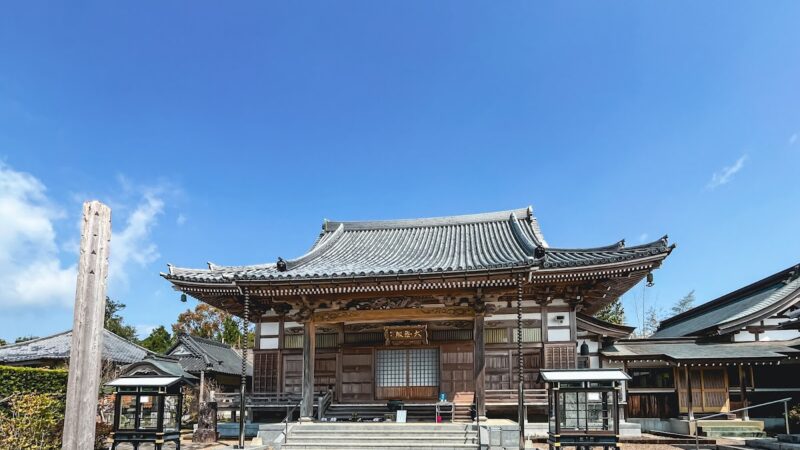
The current shrine building is constructed in the traditional style of Shinto shrine architecture, creating a tranquil atmosphere. At the worship hall, you can respectfully offer your prayers and make your wishes.
The Sacred Camphor Tree
A large camphor tree, estimated to be several hundred years old, stands tall within the shrine grounds. This sacred tree has watched over the long history of Arata Hachimangu Shrine and is known as a power spot. Standing before the tree, you can feel the power of nature and a sacred atmosphere.
The Guardian Deity Shrine
The guardian deity shrine (Zuishinshi) is also located within the grounds, enshrining the deities who protect the shrine. Visiting these subsidiary shrines in addition to the main shrine makes for a more respectful pilgrimage.
Sand for Repelling Vipers
As a unique belief at Arata Hachimangu Shrine, there is a custom of using the sand beneath the shrine building as a protective amulet. This sand is believed to be effective in warding off venomous snakes (mamushi), and has been revered by the local people since ancient times. For those engaged in farming and mountain work, venomous snakes were a constant threat, and this belief reflects a common, everyday wish.
Annual Festival and Regular Events
Annual Festival (Divine Procession)
The annual festival is held every year on October 23rd. This is the most important festival of Arata Hachimangu Shrine, and it is a traditional event where the portable shrine (mikoshi) is carried through the community as part of the Divine Procession. The entire community participates in the festival, making it an important event to express gratitude to the gods.
Other Annual Events
- New Year’s Visit: The shrine is bustling with many worshippers during the first three days of the New Year.
- Setsubun Festival: Bean-throwing ceremonies are held on Setsubun in February.
- Shichi-Go-San Festival: Many families visit in November to pray for the healthy growth of their children.
- Monthly Festival: Regular Shinto rituals are held every month.
Goshuin (Shrine Seal) Information
Arata Hachimangu Shrine offers Goshuin.
Issuance Hours: During shrine office hours (9:00 AM – 4:00 PM)
Offering Fee: In line with the general market price for Goshuin.
The Goshuin features the calligraphy of “Arata Hachimangu” and the shrine’s seal, serving as a memento of your visit. You can bring your Goshuincho (seal book) or receive a pre-printed Goshuin. Since the shrine office may be unattended, it is recommended to call ahead to confirm availability.
Access and Parking Information
Access by Public Transportation
Using the Kagoshima City Tram
Nearest stop: Arata Hachiman-mae tram stop
After alighting: Approximately 1 minute walk
The Kagoshima City Tram is a major mode of transportation in Kagoshima City and is easily accessible for tourists. Upon alighting at the Arata Hachiman-mae tram stop, the large torii gate is immediately visible, making it easy to find your way.
From JR Kagoshima-Chuo Station
- Tram: Take the tram from in front of Kagoshima-Chuo Station; approximately 10 minutes to Arata Hachiman-mae tram stop
- Taxi: Approximately 5-10 minutes
- Walking: Approximately 20 minutes
Access by Car
From the Kyushu Expressway
Approximately 15 minutes from Kagoshima IC
Parking
There is parking space for visitors on the temple grounds, but the number of spaces is limited. During busy periods such as festivals, we recommend using nearby coin-operated parking lots.
Nearby Tourist Attractions
Arata Hachimangu Shrine is located in the heart of Kagoshima City, so there are many tourist attractions nearby.
Around Kagoshima Chuo Station
Within walking distance, this is the gateway to Kagoshima, offering shopping facilities such as Amu Plaza Kagoshima, and views of Sakurajima from the Ferris wheel.
Tenmonkan
Kagoshima’s largest shopping district, lined with restaurants and souvenir shops. An ideal area to enjoy Kagoshima’s local cuisine.
Shiroyama/Shiroyama Observatory
A scenic spot offering panoramic views of Kagoshima City, Sakurajima, and Kinko Bay. Approximately 15 minutes by car from Arata Hachimangu Shrine.
Sengan-en Garden (Iso Garden)
A former villa of the Shimazu family, and a component of the World Cultural Heritage site “Sites of Japan’s Meiji Industrial Revolution.” Enjoy the beautiful garden and views of Sakurajima.
Manners and Points for Visiting a Shrine
Basic Shrine Visit Etiquette
- Bow at the Torii Gate: Bow before passing through the torii gate.
- Purify at the Water Basin: Purify your left hand, then your right hand, then your mouth.
- Walk along the Edge of the Path: The center is considered the path for the gods.
- Two Bows, Two Claps, One Bow: Bow twice, clap twice, and bow once at the main hall.
- Bow Again When Leaving the Torii Gate: Express your gratitude.
Attire for Visiting a Shrine
There are no strict dress code regulations, but clean attire that reflects the sacred nature of the place is desirable. If you are receiving prayers, try to dress appropriately and not too casually.
Photography
Photography is generally permitted within the shrine grounds, but please refrain from taking photos inside the main hall or during Shinto rituals. Remember to be considerate of other visitors.
The Charm and Characteristics of Arata Hachimangu Shrine
An Oasis in the City
Located in the heart of Kagoshima City, the shrine grounds are enveloped in tranquility. It is cherished by locals as a place to escape the hustle and bustle of the city and find peace of mind.
Faith Rooted in Daily Life
The shrine continues to practice faith deeply intertwined with the lives of ordinary people, such as the use of sand to ward off venomous snakes and prayers for safe childbirth. It is a prime example of a shrine functioning as an integral part of the local community.
Easy Access
Its convenient location, just a one-minute walk from the tram stop, is a major attraction for both tourists and locals. It’s easy to stop by during a Kagoshima sightseeing trip.
The Weight of History
With a long history dating back to the late Heian period, and its deep connection to Kagoshima Jingu Shrine and its role as the main shrine of Kagoshima, it is an important shrine for understanding the history of this region.
Summary
Arata Hachimangu Shrine is a historic shrine located in Shimoarata, Kagoshima City. It was founded in the late Heian period as a branch shrine of Kagoshima Jingu Shrine. It enshrines Emperor Ojin, Empress Jingu, and Tamayorihime-no-Mikoto, and is known for its diverse blessings, including safe childbirth, business prosperity, good fortune, and protection against venomous snakes.
Despite its convenient location just a short walk from the Arata Hachiman-mae tram stop, the shrine grounds are enveloped in a quiet and sacred atmosphere. Unique beliefs, such as the sacred camphor tree and the sand believed to ward off venomous snakes, have been passed down through generations, and the shrine is affectionately known as “Hammansaa” by the locals.
When visiting Kagoshima, be sure to visit Arata Hachimangu Shrine and experience its history and tranquil atmosphere. It’s a hidden power spot in Kagoshima where you can find peace of mind despite being in the city center.
Every year on October 23rd, the annual festival is a community-wide celebration, playing an important role in the transmission of traditional culture. Since Goshuin (temple/shrine stamps) are also available, it’s a recommended shrine for those collecting Goshuin.
With its historical connection to Kagoshima Jingu, its former status as the main shrine, and its continued deep-rooted community faith, Arata Hachimangu Shrine can be said to embody the history of faith in Kagoshima, stretching from the past to the present and into the future.