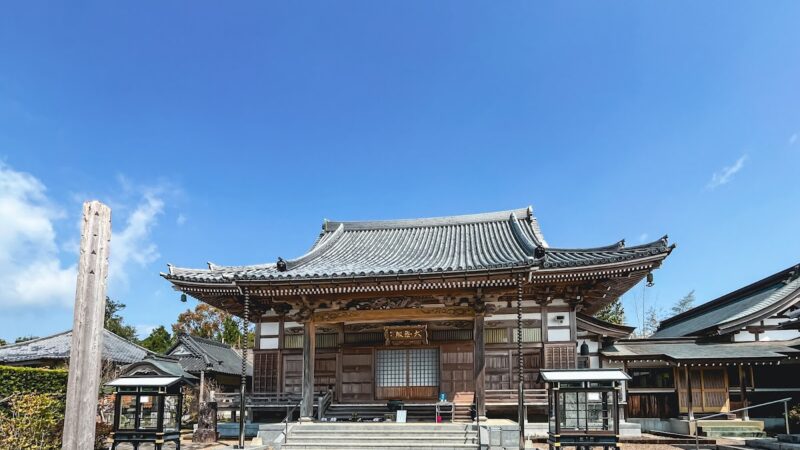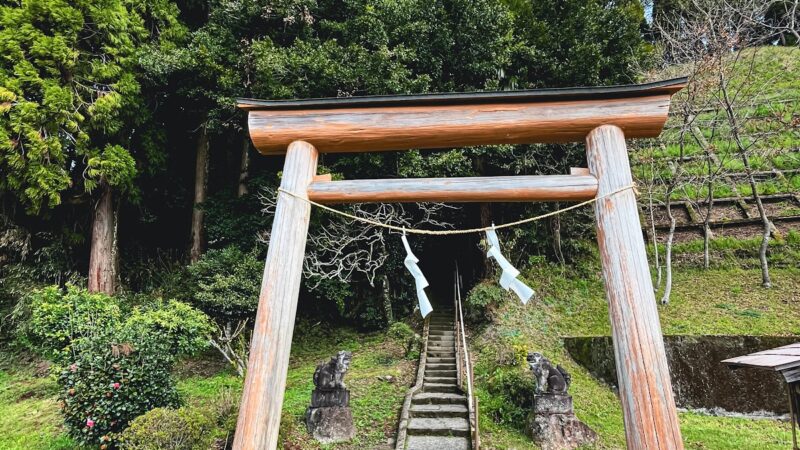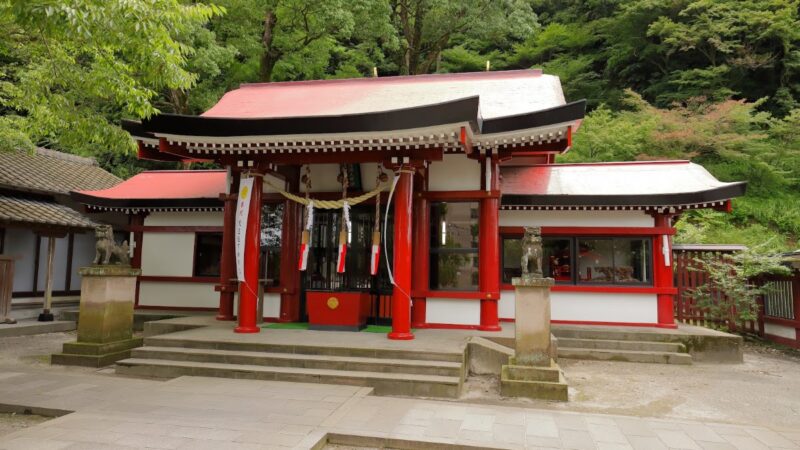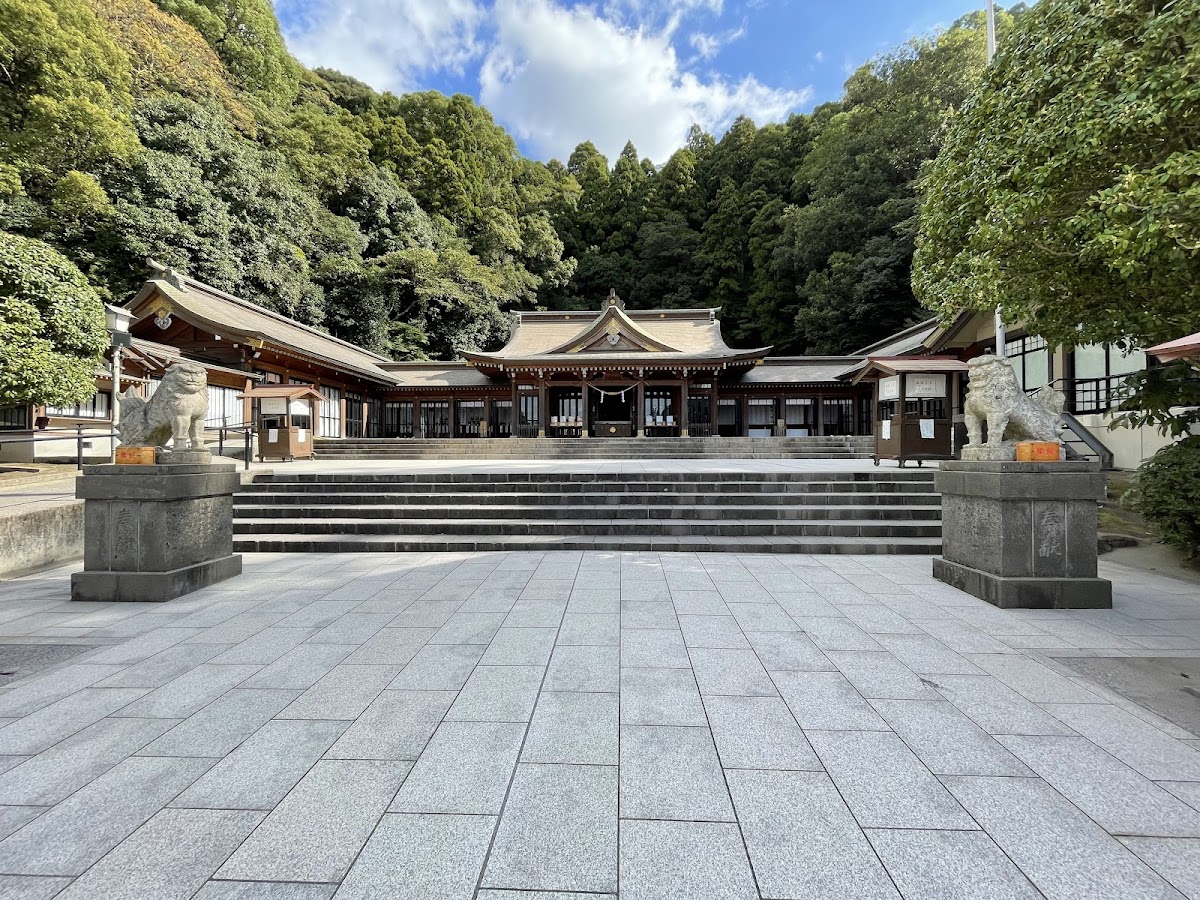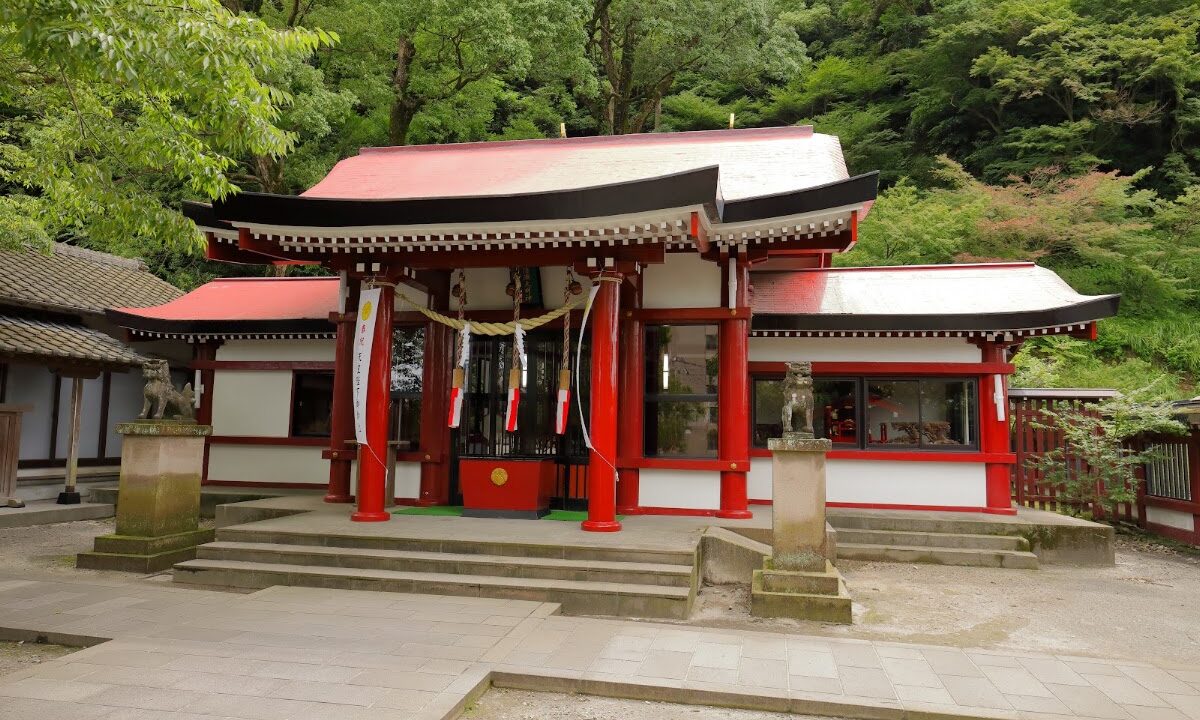
Kagoshima Shrine (Kagoshima Prefecture, Kagoshima City) Complete Guide
Located in Kusomuta, Kagoshima City, Kagoshima Shrine is a historic shrine deeply connected to the origin of the name Kagoshima. Formerly known as “Ujise Shrine,” it has been revered as the guardian deity of the Kagoshima region and as a god of the sea. This article provides detailed information you should know before visiting Kagoshima Shrine, including its history, enshrined deities, blessings, highlights within the grounds, and access methods.
Basic Information about Kagoshima Shrine
Shrine Name: Kagoshima Shrine
Location: 2-58-3 Kusomuta, Kagoshima City, Kagoshima Prefecture 890-0014
Former Shrine Rank: Prefectural Shrine
Common Name: Ujise Shrine (Utsutesaa)
Annual Festival Dates: February 18th, October 18th
Parking: Available (for worshippers)
Kagoshima Shrine was considered one of the “Three Shrines of Kagoshima” during the feudal period and was also called “Ninomiya” (Second Shrine). Even today, it remains an important shrine in Kagoshima City, receiving deep devotion from local residents.
Deities and Benefits
Main Deities
Kagoshima Shrine enshrines the following four deities:
Amatsuhidaka Hikohohodemi no Mikoto
This deity is known as Yamasachihiko in Japanese mythology. He is famous for visiting the palace of the sea god and marrying Toyotama-hime no Mikoto. He is worshipped as the god of agriculture, fishing, and safe voyages.
Toyotama-hiko no Mikoto
This deity is known as the sea god (Watatsumi) and is the guardian deity of the sea. He is believed to bring blessings of safe voyages and prosperous fishing.
Toyotama-hime no Mikoto
She is the daughter of Toyotama-hiko no Mikoto and the consort of Amatsuhidaka Hikohohodemi no Mikoto. She is revered as the goddess of safe childbirth, child-rearing, and matchmaking.
Toyouke no Okami
The principal deity of the Outer Shrine of Ise Grand Shrine, she is the goddess who presides over food and grains. She is believed to bring blessings of abundant harvests, industrial development, and business prosperity.
Main Benefits
- Safe Voyages and Maritime Safety: Deeply revered by fishermen and sailors due to the enshrinement of the sea god.
- Abundant Harvests and Industrial Development: Divine virtue of Toyouke-no-Okami.
- Safe Childbirth and Child-Rearing: Protection of Toyotama-hime-no-Mikoto.
- Matchmaking: Due to the enshrinement of a married couple deity.
- Regional Protection: As the guardian deity of the entire Kagoshima area.
History and Origins of Kagoshima Shrine
Traditions from the Age of the Gods
Kagoshima Shrine is a historic ancient shrine whose history has been passed down from the age of the gods along with the spiritual power of the land of Kagoshima. It is said to be the guardian deity of the entire Kagoshima area and has been worshipped as the guardian deity of this region since ancient times.
Relocation from Sakurajima
It is said that the shrine was originally located on the Hakamagoshi Plateau of Sakurajima. Sakurajima is a volcanic island floating in Kinko Bay and has been revered as a sacred place since ancient times. Kagoshima Shrine is located on Sakurajima and was worshipped as the tutelary deity of the entire Kagoshima region, as well as as a god of the sea.
Records as a Shrine Listed in National Historical Records
Kagoshima Shrine is known as a “shrine listed in national historical records.” The *Nihon Sandai Jitsuroku* (True Records of Three Reigns of Japan), in the entry for January 27th, 859 (Jōgan 1), mentions “Kagoshima Shrine of Ōsumi Province, Senior Sixth Rank,” indicating that it was a historically significant shrine recognized by the imperial court since ancient times.
The Name Ujise Shrine
In ancient times, it was called “Ujise Shrine” or “Ujise Shrine.” This name is thought to originate from a place called “Kanse” in Kinko Bay. Kanse refers to the swirling currents around a small island, and is believed to have referred to the turbulent rapids near the mouth of the Kōtsuki River. It was affectionately known locally as “Utsutesaa.”
The Legend of the Divine Moon
A legend called “Divine Moon” remains in Kanzaki. This indicates that mystical phenomena were observed around Kanzaki at certain times, leading to its reverence as a sacred place.
Status During the Feudal Period
During the Edo period, Kagoshima Shrine was highly regarded as one of the “Three Shrines of Kagoshima” and was also called “Ninomiya” (Second Shrine). It was revered by successive lords of the Satsuma Domain and functioned as a spiritual pillar of the region.
Modern Shrine Ranking
Under the modern shrine ranking system of the Meiji era, Kagoshima Shrine was ranked as a “Prefectural Shrine.” Prefectural Shrines were given this rank to shrines with particularly outstanding history and scale within a prefecture, signifying the official recognition of the shrine’s historical and religious importance.
Relocation to the Current Location
There are several theories regarding the timing of the relocation to its current location in Kusomuta 2-chome, Kagoshima City, but it is believed to have been moved to its current, safer, and more accessible location due to volcanic activity on Sakurajima and regional development.
Highlights of the Shrine Grounds
Main Hall and Worship Hall
The main hall of Kagoshima Shrine is built in the traditional style of shrine architecture. In the worship hall, you can pray in a serene atmosphere and feel the dignity of the shrine as the guardian deity of the region.
Shrine Grove
The shrine grounds retain abundant nature, creating a sacred space surrounded by ancient trees and greenery. Despite being in an urban area, you can enjoy a quiet and peaceful atmosphere.
Stone Monuments and Memorials
Stone monuments and memorials that tell the history of Kagoshima Shrine are erected on the grounds. Through these, you can feel the history of the shrine as it has walked alongside the local people.
Annual Events and Rituals
Annual Festival
Kagoshima Shrine holds two annual festivals.
Spring Festival: February 18th
Autumn Festival: October 18th
During these festivals, solemn Shinto rituals are performed, and local people come to worship. These are important festivals praying for a bountiful harvest, and for the safety and prosperity of the community.
Other Annual Events
- Hatsumode: Many worshippers visit the shrine in the new year to pray for safety and prosperity throughout the year.
- Setsubun Festival: A ritual to ward off evil is held on Setsubun in February.
- Shichi-Go-San: In November, Shichi-Go-San celebrations are held to commemorate the growth of children.
- Monthly Festival: A Shinto ritual is held on a fixed day each month.
Etiquette and Manners for Worship
Basic Worship Etiquette
- Passing Through the Torii Gate: Bow before passing through the torii gate.
- Purifying at the Water Basin: Purify your left hand, then your right hand, then your mouth.
- Proceeding to the Main Hall: The center of the path is the path for the gods, so walk along the sides.
- Offering a Coin: Offer your coin respectfully.
- Two Bows, Two Claps, One Bow: Bow deeply twice, clap twice, bow deeply once.
- Exiting the Torii Gate: Turn around and bow to the shrine.
Attire for Visiting the Shrine
There are no specific dress code requirements, but please dress appropriately as this is a sacred place. It is advisable to avoid overly revealing or flashy clothing.
Access Information
Location
2-58-3 Kusomuta, Kagoshima City, Kagoshima Prefecture 890-0014
Access by Public Transportation
By Tram
- Get off at “Takenobashi” tram stop (Kagoshima City Tram), approximately 10 minutes on foot
- Get off at “Tenmonkan-dori” tram stop, approximately 15 minutes on foot
By Bus
Get off at “Kusomuta” bus stop (Kagoshima City Bus, Nangoku Kotsu Bus, etc.), approximately 5 minutes on foot
Access by Car
From Kagoshima Chuo Station
Approximately 10 minutes by car (approx. 3 km)
From Kagoshima Airport
Approximately 40 minutes by car (approx. 30 km)
From Kyushu Expressway Kagoshima IC
Approximately 20 minutes by car
Parking
Parking is available for visitors. However, during events such as festivals, congestion is expected, so we recommend using public transportation.
Major Nearby Facilities
- Terukuni Shrine: Approximately 5 minutes by car, approximately 15 minutes on foot
- Kagoshima Prefectural Gokoku Shrine: Approximately 3 minutes by car, approximately 10 minutes on foot
- Shiroyama Observatory: Approximately 5 minutes by car
- Tenmonkan: Approximately 8 minutes by car
Nearby Tourist Attractions
Terukuni Shrine
This shrine, dedicated to Shimazu Nariakira, is one of the most famous shrines in Kagoshima City. It is believed to bring good fortune in business and family prosperity.
Kagoshima Prefectural Gokoku Shrine
This shrine enshrines those from Kagoshima Prefecture who died in war. You can visit the shrine in a quiet atmosphere, feeling the history.
Shiroyama Observatory
This is a scenic spot offering panoramic views of Kagoshima city and Sakurajima. It is an essential place for sightseeing in Kagoshima.
Tenmonkan
This is the bustling downtown area of Kagoshima City, where you can enjoy shopping and dining. You can also savor Kagoshima specialties such as Shirokuma (shaved ice).
Kagoshima Shrine and the Place Name of Kagoshima
Kagoshima Shrine has a deep connection to the place name “Kagoshima.” Its existence, dating back to the age of the gods, has become part of the region’s identity, and it has been passed down to the present day along with the spiritual power of the word “Kagoshima.”
While there are various theories about the origin of the place name, the fact that Kagoshima Shrine has been worshipped since ancient times as the guardian deity of the entire Kagoshima area is an important element in understanding the history of this region.
Other Major Shrines in Kagoshima City
Besides Kagoshima Shrine, many other historical shrines are located in Kagoshima City.
Terukuni Shrine
This shrine enshrines Shimazu Nariakira and is affectionately known as “Terukuni-saa” by the citizens of Kagoshima.
Tsukuyomi Shrine
This ancient shrine enshrines Tsukuyomi-no-Mikoto and is also popular as a power spot. ### Arata Hachimangu Shrine
This Hachimangu shrine enshrines Emperor Ojin as its main deity and is worshipped as the local guardian deity.
Ichinomiya Shrine
One of the three major shrines in Kagoshima, it is a historically significant shrine alongside Kagoshima Shrine.
Precautions for Visiting
Visiting Hours
Entry to the shrine grounds is generally limited to daylight hours. Please avoid visiting at night.
Photography
Photography is generally permitted on the shrine grounds, but please refrain from taking photos inside the main hall or during religious ceremonies. Also, please be considerate of other visitors.
Pets
Some shrines prohibit pets. It is recommended to check in advance.
Goshuin (Shrine Seals)
Goshuin can be obtained at Kagoshima Shrine. Please politely request one during the shrine office’s opening hours. Remember to bring your goshuincho (stamp book).
The Charm of Kagoshima Shrine
The greatest charm of Kagoshima Shrine lies in its deep history and strong ties to the local community. Its long history dating back to the age of the gods, its status as a shrine listed in national historical records, and its role as the guardian deity of the entire Kagoshima region give it a unique value unmatched by other shrines.
Despite its urban location, the shrine grounds maintain a tranquil atmosphere, allowing visitors to escape the hustle and bustle of everyday life and find peace of mind. The legend of its relocation from Sakurajima tells the very history of Kagoshima, a land overlooking Kinko Bay and Sakurajima.
As a shrine dedicated to the god of the sea, it has attracted the faith of people praying for safe voyages and prosperous fishing. Furthermore, by enshrining Toyouke-no-Okami, it is also believed to bring blessings for abundant harvests and industrial development, making it a beloved shrine that caters to a wide range of wishes.
Summary
Kagoshima Shrine is a prefectural shrine located in Kusomuta, Kagoshima City, and is a historic ancient shrine formerly known as Ujise Shrine. The shrine enshrines four deities: Amatsuhidaka Hikohohodemi no Mikoto, Toyotamahiko no Mikoto, Toyotamahime no Mikoto, and Toyouke no Okami. It is believed to offer various blessings, including safe voyages, abundant harvests, safe childbirth, and matchmaking.
With a history dating back to the age of the gods, it is a nationally recognized shrine mentioned in the “Nihon Sandai Jitsuroku” (Chronicles of Three Reigns of Japan), and has long been revered as the guardian deity of the Kagoshima region. During the feudal period, it was considered one of the three major shrines of Kagoshima, the second-ranked shrine, and remains an important shrine in Kagoshima City today.
Located in an easily accessible location from the center of Kagoshima City, it can be easily visited by streetcar or bus. Other notable shrines such as Terukuni Shrine and Gokoku Shrine are also scattered in the surrounding area, making it a recommended stop as part of a shrine pilgrimage.
When visiting Kagoshima, be sure to visit Kagoshima Shrine to experience the history and culture of this region. Spending time in quiet contemplation in this sacred space, which has existed since the age of the gods, will surely be a special experience.