Kenzanji Temple (Kagoshima Prefecture) Complete Guide: History, Goshuin (Temple Seals), Access, and Highlights Explained in Detail
Kenzanji Temple, located in Kagoshima Prefecture, is a temple with a long history as a center of local faith. This article comprehensively introduces all the information you need to know before visiting, from the historical background of Kenzanji Temple and its highlights within the temple grounds to visiting information and access methods.
What is Kenzanji Temple?: A Historic Temple in Kagoshima
Kenzanji Temple is a Buddhist temple located in Kagoshima Prefecture, an ancient temple that has attracted the faith of local residents. Its name is thought to originate from the place name “Kenzan” (Mount Ken) and mountain worship, suggesting that it has had the character of a sacred site since ancient times.
Basic Temple Information
Kenzanji Temple is a temple deeply connected to the history of the region and is cherished by its parishioners and visitors. Its temple grounds, nestled in a tranquil environment, are an ideal place to escape the hustle and bustle of everyday life and find peace of mind.
Kagoshima Prefecture is a region where a unique culture flourished under the rule of the Shimazu clan, and Kenzanji Temple has played an important role within this historical context.
History and Origins of Kenzanji Temple
Background of Founding
While there are various theories regarding the exact founding date of Kenzanji Temple, local historical documents and traditions suggest it was likely established sometime between the medieval and early modern periods. Like many temples in Kagoshima Prefecture, it is believed to have developed under the patronage of the Shimazu clan.
The temple’s name, “Kenzan,” suggests a connection to Shugendo (mountain asceticism) and mountain worship. In southern Kyushu, there has long been a belief in the sacredness of mountains, and Kenzanji Temple may have functioned as a center of such faith.
Historical Changes
Throughout the Edo period, Kenzanji Temple was maintained as a local temple under the danka (parishioner) system. During the anti-Buddhist movement after the Meiji Restoration, Kagoshima Prefecture was known as one of the regions most severely affected by the anti-Buddhist movement nationwide, but Kenzanji Temple was able to survive thanks to the support of local residents.
Having survived the post-war period of rapid economic growth, it is now carefully preserved as a historical heritage site and a place of worship in the region.
Kenzanji Temple’s Sect and Principal Image
Affiliated Sect
Understanding Kenzanji Temple’s sect requires considering its connection to the region’s Buddhist history. Temples in Kagoshima Prefecture belong to diverse sects, including Jodo Shinshu, Soto Zen, and Shingon Buddhism, and each operates according to its respective doctrines.
Principal Image
The principal image, the central object of worship in a temple, represents the core of that temple’s faith. It is believed that Kenzanji Temple’s principal image is a Buddhist statue in accordance with the traditions of its sect.
When visiting, it is important to sincerely offer your prayers to the principal image, expressing your daily gratitude and wishes.
Highlights of the Temple Grounds
Main Hall
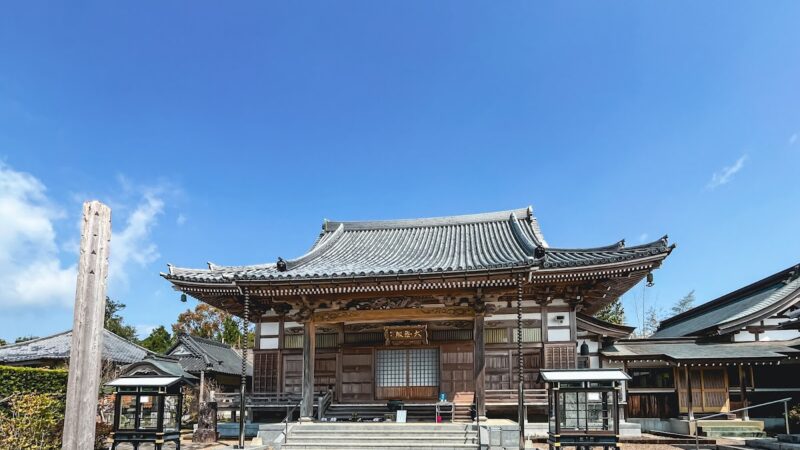
The main hall of Kenzanji Temple welcomes visitors as the central building of the temple. Its architectural style exhibits characteristics of traditional temple architecture in the region, and one can feel the warmth of wooden construction.
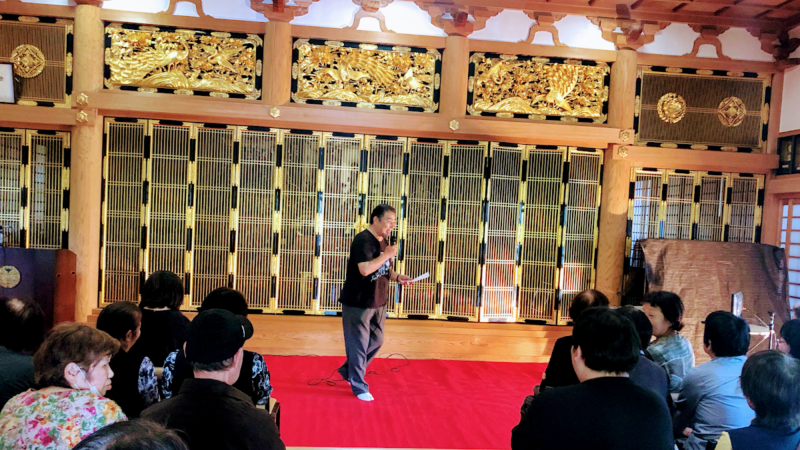
The main hall houses the principal image of worship, offering a serene space for prayer. Paying attention to the decorations and Buddhist implements within the hall will allow you to appreciate the temple’s history and the depth of its faith.
Natural Environment of the Temple Grounds
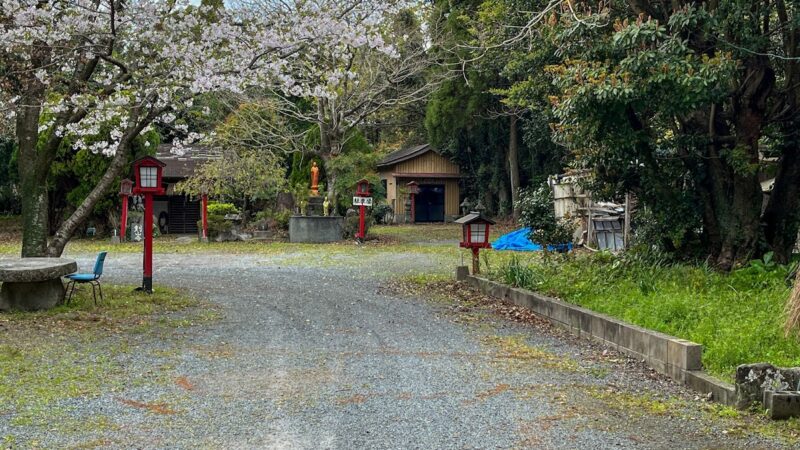
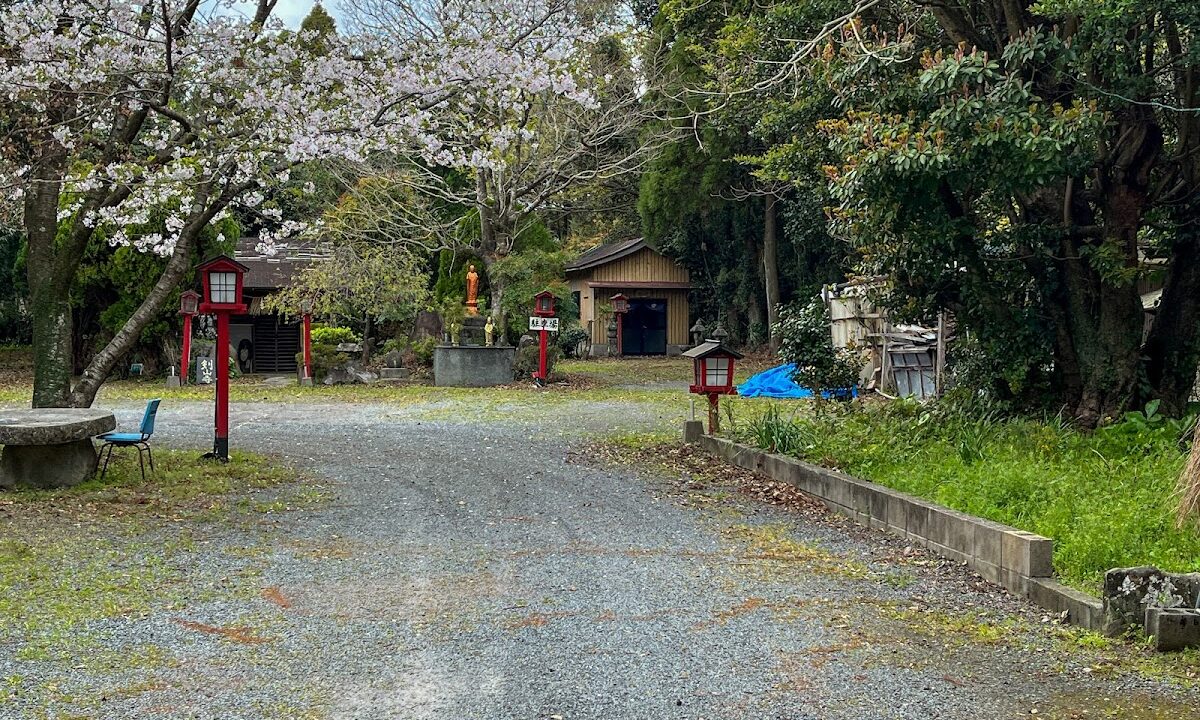
The grounds of Kenzanji Temple are surrounded by the rich natural beauty of Kagoshima. Seasonal plants adorn the grounds, offering particularly beautiful scenery during the cherry blossoms and fresh greenery of spring, and the vibrant autumn foliage.
A stroll through the quiet grounds provides a space to find inner peace.
Stone Monuments and Memorials
The temple grounds may contain stone monuments that tell the history of the temple, as well as memorials erected by parishioners. These stone structures are valuable resources for understanding the local history.
Goshuin (Temple Seal) Information
Regarding the Issuance of Goshuin
In recent years, collecting Goshuin has become popular as part of temple and shrine visits. Kenzanji Temple may also offer Goshuin, but smaller temples may not always provide them.
If you wish to receive a Goshuin (temple stamp), it is recommended that you contact the temple in advance to confirm.
Etiquette for Receiving a Goshuin
A Goshuin is not merely a stamp rally; it is given as proof of your visit. Please observe the following etiquette:
- First, complete your prayers at the main hall before requesting a Goshuin.
- Prepare your Goshuincho (stamp book) and open it to the page where you would like it written.
- Prepare the offering fee (generally 300 to 500 yen).
- Request it using polite language.
- Wait quietly while the Goshuin is being written.
Annual Events and Memorial Services
Main Annual Events
It is believed that Kenzanji Temple holds annual events based on the Buddhist calendar. Typical annual events at temples include the following:
Spring
- Spring Equinox Memorial Service (March): An important time for ancestor worship
- Flower Festival (April 8th): A celebration of the birth of Buddha
Summer
- Obon Memorial Service (August): An important event for welcoming the spirits of ancestors
Autumn
- Autumn Equinox Memorial Service (September): An important memorial service period, comparable to spring
Winter
- New Year’s Eve Bell Ringing (December 31st): A traditional event to welcome the new year
For specific event dates and details, please contact the temple directly.
Information on Visiting Temples
Visiting Hours
Temple visiting hours are generally during daylight hours. However, specific opening and closing times vary by temple, so it is recommended to check before visiting.
Admission Fee
Entry to the temple grounds is usually free, but separate fees may be required for viewing special treasures, etc.
Temple Visiting Etiquette
When visiting a temple, please observe the following basic manners:
- Dress Code: Avoid revealing clothing and aim for clean, understated attire.
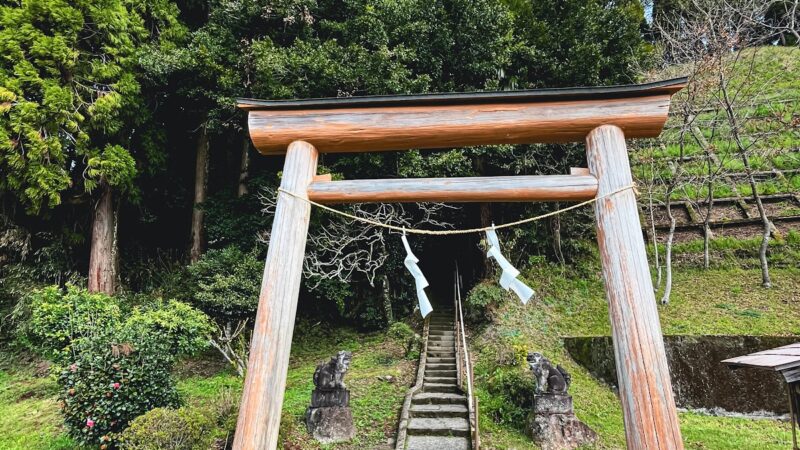
- Entrance Etiquette: Bow when passing through the temple gate.
- Worship in the Main Hall:
- Quietly place your offering.
- Join your hands in prayer and bow.
- Pray sincerely.
- Bow again.
- Photography: Take photographs only in permitted areas, and check in advance whether photography is allowed inside the main hall, etc.
- Quietness: Refrain from loud conversations and maintain quiet.
Access Information
Location
Tsurugisanji Temple is located in Kagoshima Prefecture. For the specific address, we recommend checking the latest information before your visit.
Access by Public Transportation
Access to temples within Kagoshima Prefecture varies greatly depending on the area. Main modes of transportation include:
- JR Line: Take a bus or taxi from the nearest station.
- Local Bus: If using local buses, check the timetable in advance.
- Taxi: Taking a taxi from the nearest station or bus stop is the most reliable option.
Access by Car
Access by private car is often convenient:
- Check access from the Kyushu Expressway and Minami-Kyushu Expressway.
- Enter the temple name or address into your car navigation system.
- It is recommended to check the availability of parking in advance.
Parking
The availability and capacity of parking vary depending on the size of the temple. Please check the availability of parking before visiting, and consider using public transportation, especially during events, as congestion is expected.
Nearby Tourist Attractions
Historical Sites in Kagoshima Prefecture
In conjunction with your visit to Kenzanji Temple, you can also explore other tourist attractions in Kagoshima Prefecture:
Historical Sites
- Sengan-en Garden (Iso Garden): A scenic spot known as the Shimazu family’s villa
- Kagoshima Castle (Tsurumaru Castle) Ruins: The site of the Shimazu clan’s castle
- Chiran Samurai Residences: An area where beautiful samurai residences are preserved
Natural Landscapes
- Sakurajima: An active volcano, a symbol of Kagoshima
- Kirishima Mountain Range: Magnificent mountain scenery and hot springs
- Ibusuki Onsen: A hot spring resort famous for its sand baths
Regional Cultural Experiences
Kagoshima Prefecture is a region with its own unique culture. When you visit, we also recommend the following experiences:
- Local Cuisine: Specialty dishes such as Kurobuta pork, Satsuma-age (fried fish cake), and Keihan (chicken rice)
- Shochu Culture: A tour of a sweet potato shochu distillery
- Traditional Crafts: Handicrafts such as Satsuma Kiriko (cut glass) and Oshima Tsumugi (silk fabric)
Prayers and Faith at Kenzanji Temple
Types of Prayers
The temple accepts various types of prayers. Common prayers include the following:
- Family Safety: Praying for the health and peace of the family
- Good Health: Praying for recovery from illness and maintaining good health
- Academic Success: Praying for passing exams and academic improvement
- Business Prosperity: Praying for the development and prosperity of the business
- Traffic Safety: Praying for safety in cars and during travel
- Ancestral Memorial Service: Praying for the repose of the souls of those who have passed away
About Memorial Services
Kenzanji Temple also holds memorial services for parishioners and believers. Important ceremonies to commemorate the deceased, such as annual memorial services and monthly memorial services, are held.
If you wish to have a memorial service, it is necessary to contact the temple in advance to discuss the date and content.
Temple Culture in Kagoshima Prefecture
Impact of the Anti-Buddhist Movement
Kagoshima Prefecture (formerly the Satsuma Domain) was one of the regions most severely affected by the anti-Buddhist movement in the early Meiji period. Due to the domain’s policies, many temples were abolished, and Buddhist statues and artifacts were destroyed.
Because of this historical background, the number of temples in Kagoshima Prefecture is smaller compared to other prefectures, and the remaining temples are precious entities that have been preserved by the strong faith of the community.
The Role of Temples in Modern Times
In modern Kagoshima Prefecture, temples are not merely religious institutions but also play a central role in the local community:
- Preservation of Local History: A place to pass on local history and culture to future generations
- Spiritual Sanctuary: A space to escape the stresses of modern society
- Cultural Activities: Holding events such as sutra copying sessions and Dharma talks
- Social Contribution: Participating in local welfare activities and disaster relief
Recommendation for Visiting Temples: Time to Calm the Mind
The Significance of Visiting Temples
In modern society, visiting a temple holds special significance. Taking time away from the hustle and bustle of daily life and reflecting on oneself in a quiet environment is extremely important for mental health.
Through a visit to Kenzanji Temple, you can experience the following:
- Peace of Mind: Meditation and prayer in a tranquil space
- Dialogue with History: Feeling the history through ancient buildings and Buddhist statues
- Harmony with Nature: Healing through contact with the natural environment of the temple grounds
- Gratitude: An opportunity to reaffirm gratitude for daily life
Recommendation for Regular Visits
Visiting the temple not just once, but each season, allows you to enjoy its different facets. Spring flowers, summer greenery, autumn leaves, and winter tranquility—each season has its own unique beauty.
By regularly visiting the same temple, you can develop a deeper connection with the place and cultivate a richer spirituality.
Contact Information and Latest Updates
Pre-Visit Checklist
Before visiting Kenzanji Temple, we recommend checking the following information:
- Visiting Hours
- Event and Memorial Service Schedule
- Parking Availability
- Information on Goshuin (Temple Seal) Issuance
- Detailed Access Information
How to Obtain Information
To obtain the latest information:
- Contact the temple directly by phone
- Check with the local tourism association
- Search for the latest information online
- Utilize your local tourist information center
Summary: A Spiritual Journey Through a Visit to Kenzanji Temple
Kenzanji Temple, embodying the history and culture of Kagoshima Prefecture, offers tranquility and peace to its visitors. Having overcome the difficult history of the anti-Buddhist movement, the temple continues to this day, a testament to the faith and efforts of the local people.
Visiting a temple is not merely sightseeing; it is a valuable opportunity for self-reflection. By escaping from the hustle and bustle of daily life and taking time to compose oneself in the quiet temple grounds, one can gain new vitality.
When you visit Kagoshima Prefecture, be sure to stop by Kenzanji Temple and experience its history and atmosphere firsthand. Spending time at this place of worship, cherished and preserved by the local people, will surely be a memorable experience.
When visiting, please be mindful of respecting the local culture and history, and observe proper etiquette during your visit. Doing so will lead to a deeper sense of fulfillment and satisfaction.
We hope that Kenzanji Temple will become a part of your spiritual journey and enrich your life.