Complete Guide to Kangyoji Temple (Kamakura City, Kanagawa Prefecture) | History, Highlights, and Perpetual Memorial Graves: A Thorough Explanation
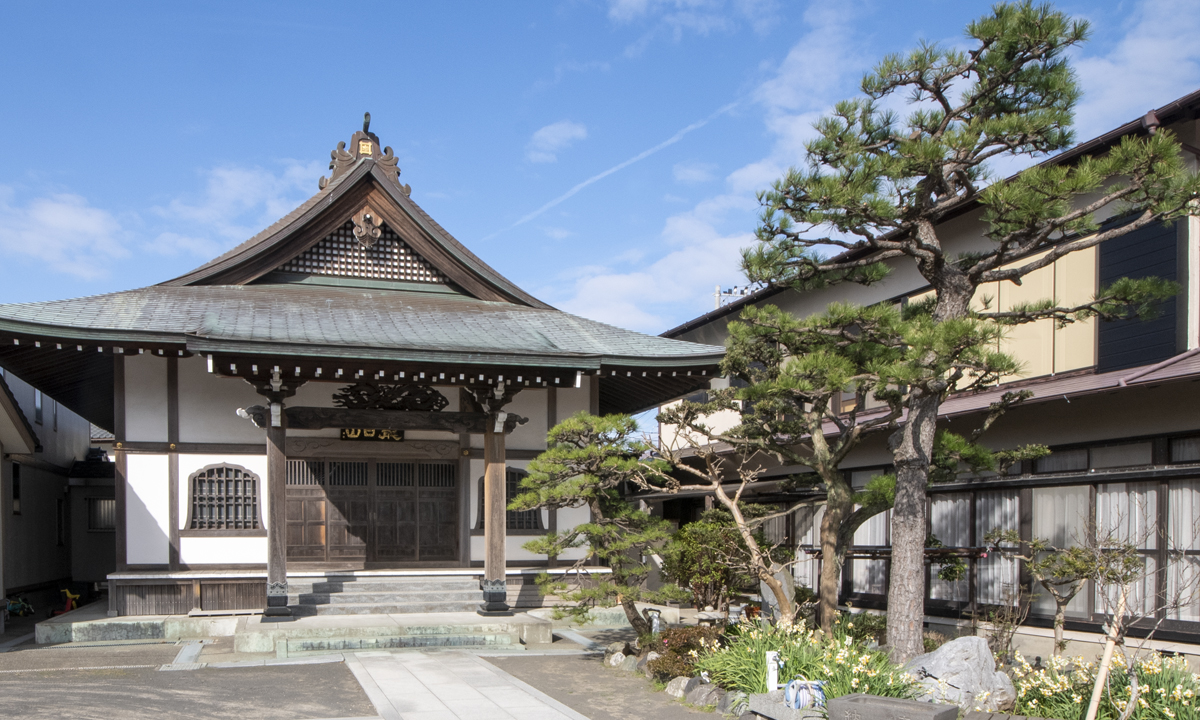
Located in Koshigoe, Kamakura City, Kanagawa Prefecture, Kangyoji Temple is an ancient Nichiren Buddhist temple with a history of over 700 years. Its mountain name is Ryukozan, and it has played an important role as one of the eight temples that rotate guarding Ryukoji Temple. This article provides a detailed explanation of Kangyoji Temple, from its history, cultural assets, and highlights to information on its perpetual memorial graves and tree burials, which have recently attracted attention.
Basic Information about Kangyoji Temple
Temple Name: Kangyoji Temple
Mountain Name: Ryukozan
Sect: Nichiren Buddhism
Principal Image: Eternal Original Master Shakyamuni Buddha
Former Head Temple: Tamazawa Myohokkeji Temple
Dharma Lineage: Choshi Dharma Lineage
Founded: Kagen 1 (1303)
Founder: Tajima Ajari Nichijitsu Shonin
Location: 2-19-15 Koshigoe, Kamakura City, Kanagawa Prefecture
Kangyoji Temple is conveniently located about 1-2 minutes on foot from Koshigoe Station on the Enoshima Electric Railway Line, making it easily accessible for visitors. While situated in a quiet residential area, it maintains an atmosphere that conveys a sense of historical significance.
History of Kangyoji Temple
Founding and First Abbot
Kangyoji Temple was founded in 1303 (Kagen 1) by Tajima Ajari Nichijitsu Shonin. During this late Kamakura period, the Nichiren sect was expanding its influence, centered in Kamakura, and Kangyoji Temple was one of the temples established within this trend.
Ryūkō (present-day Katase, Fujisawa City and Koshigoe, Kamakura City), the site where Nichiren Shonin suffered the Tatsunokuchi Persecution, is considered a special sacred place for the Nichiren sect. Kangyoji Temple, as one of the eight temples that take turns protecting Ryūkōji Temple, has played an important role in preserving this sacred site.
What are the Eight Temples that Take Turn Protecting Ryūkōji Temple?
The Eight Temples that Take Turn Protecting Ryūkōji Temple are eight temples established to protect Ryūkōji Temple, the site of Nichiren Shonin’s persecution. These temples have taken turns maintaining Ryukoji Temple, sharing the responsibility for religious services and management. Kangyoji Temple, as a vital part of this system, continues to be a central figure in the local faith.
History of Fires and Reconstruction
Kangyoji Temple has faced several trials throughout its long history.
Fire during the Tenna era (1681-1684)
During the Tenna era of the Edo period, a fire destroyed much of the temple buildings. However, with the cooperation of parishioners, reconstruction was achieved, and the temple was restored.
Reconstruction during the Kansei era (1789-1801)
During the Kansei era, major buildings such as the main hall were rebuilt, laying the foundation for the temple as it exists today.
Great Kanto Earthquake of 1923
The Great Kanto Earthquake of September 1, 1923, caused immense damage to the Kamakura region. Kangyoji Temple was also affected by the disaster, but through subsequent reconstruction efforts, it has recovered and reached its current state.
This history of overcoming these disasters speaks to the strong bond between the local residents and the temple.
Highlights and Cultural Assets of Kangyoji Temple
Dragon Sculpture in the Main Hall
The main hall of Kangyoji Temple features a magnificent dragon sculpture that catches the eye of visitors. Related to the temple’s mountain name, “Ryūkōzan” (Dragon’s Mouth Mountain), the dragon has become a symbolic presence of the temple. This sculpture is highly valued for its artistic merit, showcasing the pinnacle of craftsmanship from the Edo to Meiji periods.
Manjushri Bodhisattva Appearing from the Sea
A particularly important treasure of Kangyoji Temple is the “Manjushri Bodhisattva Appearing from the Sea.” This Buddha statue has a legend of appearing from the sea and has been carefully preserved as an object of local faith. Manjushri Bodhisattva is known as the Bodhisattva of wisdom, and many visitors come to pray for academic success and the bestowal of wisdom.
Atmosphere of the Temple Grounds
Located in a quiet residential area of Koshigoe, the grounds of Kangyoji Temple offer a tranquil space far removed from the hustle and bustle of the city. The well-maintained grounds are adorned with seasonal flowers, displaying different expressions throughout the year. While occasionally hearing the sound of the Enoden train passing nearby, you can enjoy the peaceful atmosphere of this historic temple.
Access and Transportation Information to Kangyoji Temple
Access by Train
From Koshigoe Station on the Enoshima Electric Railway Line
- Approximately 1-2 minutes on foot (approx. 150m)
- Proceed straight east from the Koshigoe Station exit
- Most convenient access method
From Kamakura High School Station on the Enoshima Electric Railway Line
- Approximately 10 minutes on foot
From Mejiroyamashita Station on the Shonan Monorail
- Approximately 15 minutes on foot
Access by Car
From Yokohama
- Take National Route 134 towards Fujisawa
- Enter the residential area near the Koshigoe intersection
From Fujisawa
- Take National Route 134 towards Kamakura
- Follow the signs in the Koshigoe area
*Please inquire with the temple in advance regarding parking. Since the surrounding area is residential, we recommend using public transportation.
Nearby Tourist Attractions
The following tourist attractions are located near Kangyoji Temple:
- Ryukoji Temple: A sacred Nichiren Buddhist temple known as the site of the persecution of Nichiren Shonin.
- Kodō Shrine: A shrine beloved as the guardian shrine of Koshigoe.
- Koshigoe Fishing Port: A fishing port where fresh seafood is sold.
- Enoshima Island: A tourist attraction within walking distance.
- Kamakura High School Station: A popular railway crossing that is a pilgrimage site for anime fans.
About Kangyoji Temple’s Perpetual Memorial Graves and Tree Burials
Memorial Service Forms that Meet Modern Needs
In 2017, Kangyoji Temple introduced new memorial service forms to meet the diversification of lifestyles. We offer a variety of plans that meet modern needs, including “Tree Burial (Natural Burial Cemetery),” “Perpetual Memorial Grave Yasuragi,” and “Individual Graves with Perpetual Memorial Services.”
Features of Kangyoji Temple’s Perpetual Memorial Graves
No Religious Affiliation Required
Although a Nichiren Buddhist temple, all graves are open to people of all religious affiliations. Anyone can use them with peace of mind.
No Annual Management or Maintenance Fees
None of the perpetual memorial graves, tree burials, or individual graves require annual management or maintenance fees. Only an initial fee is required, with no future financial burden.
Perpetual Memorial Services by a Historic Temple
Kangyoji Temple, with over 700 years of history, will responsibly provide perpetual memorial services. This ensures the continuity of the temple’s services.
Excellent Access
Located just a 1-2 minute walk from Koshigoe Station on the Enoden Line, it’s easily accessible for the elderly and those with disabilities.
Details of Plans Available for Sale
Kangyoji Temple offers the following memorial service plans:
Tree Burial (Natural Burial Cemetery)
A tree burial for those who wish to return to nature. The most common form of perpetual memorial grave involves interring ashes in individual plots and then communally burying them after a certain period. Natural stones or trees are used as grave markers, making it an environmentally conscious form of memorial service.
Perpetual Memorial Grave “Yasuragi”
This is a communal perpetual memorial grave characterized by its relatively reasonable pricing. Ashes are interred together with others from the beginning, and the temple performs perpetual memorial services.
Perpetual Memorial Grave “Yasuragi no Sato”
This perpetual memorial grave includes an individual interment period. Ashes are interred individually for a certain period before being communally burying them. Suitable for those who value family visits.
Perpetual Memorial Grave “Yasuragi Gorinto”
This perpetual memorial grave is in the form of a Gorinto (five-ring pagoda). It is a dignified form of memorial service using the Gorinto, a traditional Buddhist memorial tower.
Individual Grave with Perpetual Memorial Service “Meifuku Gorinto”
This plan offers an individual grave while including perpetual memorial services. While similar in format to traditional family graves, the temple will continue memorial services even if there are no successors.
Price Range
The price of perpetual memorial graves and tree burials at Kangyoji Temple varies depending on the plan. General price ranges are:
- Tree burial: Approximately 300,000 to 800,000 yen
- Perpetual memorial grave (communal type): Approximately 100,000 to 500,000 yen
- Individual grave with perpetual memorial service: Approximately 500,000 to 1,500,000 yen
*For specific prices and details, please contact the temple directly. Prices may vary depending on the time of year and plan.
Visits and Consultations
Kangyoji Temple accepts visits to its perpetual memorial graves and tree burials at any time. It is important to see the site in person and get a feel for the atmosphere. When visiting, it is recommended to check the following points:
- Sunlight and atmosphere of the cemetery
- Management and cleanliness
- Accessibility
- Methods of memorial services and rites
- Details of contracts and costs
Reservations for visits can be made by phone or through various cemetery introduction websites.
Memorial Services and Events at Kangyoji Temple
Annual Events
As a Nichiren Buddhist temple, Kangyoji Temple holds various memorial services and events:
Oeshiki
This is an important memorial service held around October 13th, the anniversary of Nichiren Shonin’s death. As one of the eight temples rotating with Ryukoji Temple, a special memorial service is also held during this period.
Higan-e
A memorial service for ancestors is held during the Higan period, centered around the spring and autumn equinoxes.
Segaki-e
This is a memorial service for ancestors and for those without relatives, held in the summer.
Individual Memorial Services
Kangyoji Temple accepts individual memorial services such as the following:
- Funeral/Memorial Service
- Annual Memorial Services (First Anniversary, Third Anniversary, etc.)
- Interment Ceremony
- Eye-Opening Ceremony
- Memorial Service for Stillborn Children
Please consult with the temple in advance regarding requests for memorial services.
Koshigoe Area and Kangyoji Temple
Historical Background of Koshigoe
Koshigoe is located between Kamakura and Enoshima and has flourished as a transportation hub since ancient times. It is also known for “Manpukuji Temple,” where Minamoto no Yoshitsune wrote the Koshigoe Letter requesting an audience with his brother, Yoritomo.
It also developed as a fishing town, and fresh seafood is still landed at Koshigoe Fishing Port today. The scenery of the Enoden train running through the town is loved by many as the quintessential Shonan landscape.
The Role of Kangyoji Temple in the Community
Kangyoji Temple has played a role in the Koshigoe area that goes beyond being merely a religious facility:
Center of the Community
The temple plays an important role as a place for interaction among parishioners and local residents.
Preservation of Culture
Through Buddhist ceremonies and traditional religious services, it preserves and passes on local culture to future generations.
Spiritual Support
It provides a place of spiritual support during life’s milestones and difficult times.
Manners and Etiquette for Visiting Kangyoji Temple
Basic Manners for Visiting
Attire
Everyday clothes are acceptable, but avoid overly flashy or revealing clothing. For religious services, semi-formal or subdued attire is appropriate.
Behavior on the Temple Grounds
- Bow at the temple gate before entering
- Pray quietly
- Refrain from taking photographs inside the main hall
- Take your trash with you
- Refrain from eating or drinking on the temple grounds
Etiquette for Worship
In the Nichiren sect, the mantra “Namu Myoho Renge Kyo” is chanted. General visitors may simply clasp their hands together and pray quietly.
Regarding Offerings
Offerings are an expression of your feelings, so there are no set amounts. For offerings when requesting a memorial service, it is best to confirm directly with the temple.
Points to Note When Visiting Kangyoji Temple
Visiting Hours
General visits are recommended during daytime hours. Avoid visiting early in the morning or after sunset. If you have a specific reason for visiting, such as a memorial service or cemetery visit, it is recommended to contact the temple in advance.
Consideration for the Surrounding Environment
Kangyoji Temple is located in a residential area, so please observe the following points:
- Refrain from loud conversations
- Absolutely avoid street parking
- Be considerate of nearby residents
- Always take your trash with you
Seasonal Highlights
Spring (March-May)
A beautiful season with cherry blossoms and fresh greenery. The Spring Equinox service is also held.
Summer (June-August)
The time for the Segaki service. The lush green grounds provide a cool respite.
Autumn (September-November)
The time for the Oeshiki festival. The Autumn Equinox service is also held, attracting many visitors.
Winter (December-February)
Enjoy a peaceful visit in the tranquil grounds.
Frequently Asked Questions about Kangyoji Temple
Q: Can anyone visit Kangyoji Temple? **
A: Yes, anyone is welcome to visit freely. All denominations are welcome.
Q: Do I need to be a temple parishioner to use the perpetual memorial grave?
A: No, you don’t need to be a parishioner to use it. All religious denominations are welcome.
Q: Do I need a reservation to visit?
A: Reservations are not required for general visits, but if you wish to tour the cemetery or receive a detailed explanation, we recommend contacting us in advance.
Q: Can I visit with my pet?
A: We recommend checking with the temple in advance regarding bringing pets onto the temple grounds.
Q: Can I get a temple stamp (Goshuin)?
A: Please contact the temple directly regarding the availability of temple stamps.
Summary: The Charm and Value of Kangyoji Temple
Located in Koshigoe, Kamakura City, Kanagawa Prefecture, Kangyoji Temple has served as a center of local faith for over 700 years since its founding in 1303. As one of the eight temples that rotate over the guardianship of Ryukoji Temple, Kankoji Temple plays a vital role in protecting the sacred site associated with Nichiren Shonin, and has overcome numerous disasters to reach its present state.
Its mountain name is Ryukozan, and its principal image is the Eternal Original Master Shakyamuni Buddha. It possesses culturally valuable assets, such as the magnificent dragon carvings in the main hall and the temple treasure, the Manjushri Bodhisattva appearing from the sea. Its excellent accessibility, just a 1-2 minute walk from Koshigoe Station on the Enoden Line, is also a major attraction.
In recent years, the perpetual memorial graves and tree burials introduced in 2017 have attracted attention. These memorial services, which cater to modern needs regardless of religious affiliation or sect and require no annual maintenance fees, have gained support from many. The sense of security provided by perpetual memorial services offered by a historic temple is also a unique value of Kankoji Temple.
Located in a quiet residential area of Koshigoe, it offers good access to tourist destinations such as Enoshima and Kamakura. Visits combining worship and sightseeing are also possible. While preserving its history and traditions, Kangyoji Temple also flexibly adapts to modern needs, and will undoubtedly continue to be a spiritual haven for many people.
When visiting the Kamakura and Shonan area, be sure to stop by Kangyoji Temple. You’ll be able to spend some peaceful time in its grounds, steeped in 700 years of history.