Kyo-onji Temple (Kamakura City, Kanagawa Prefecture) Complete Guide | History, Highlights, Goshuin (Temple Seal), and Access Information
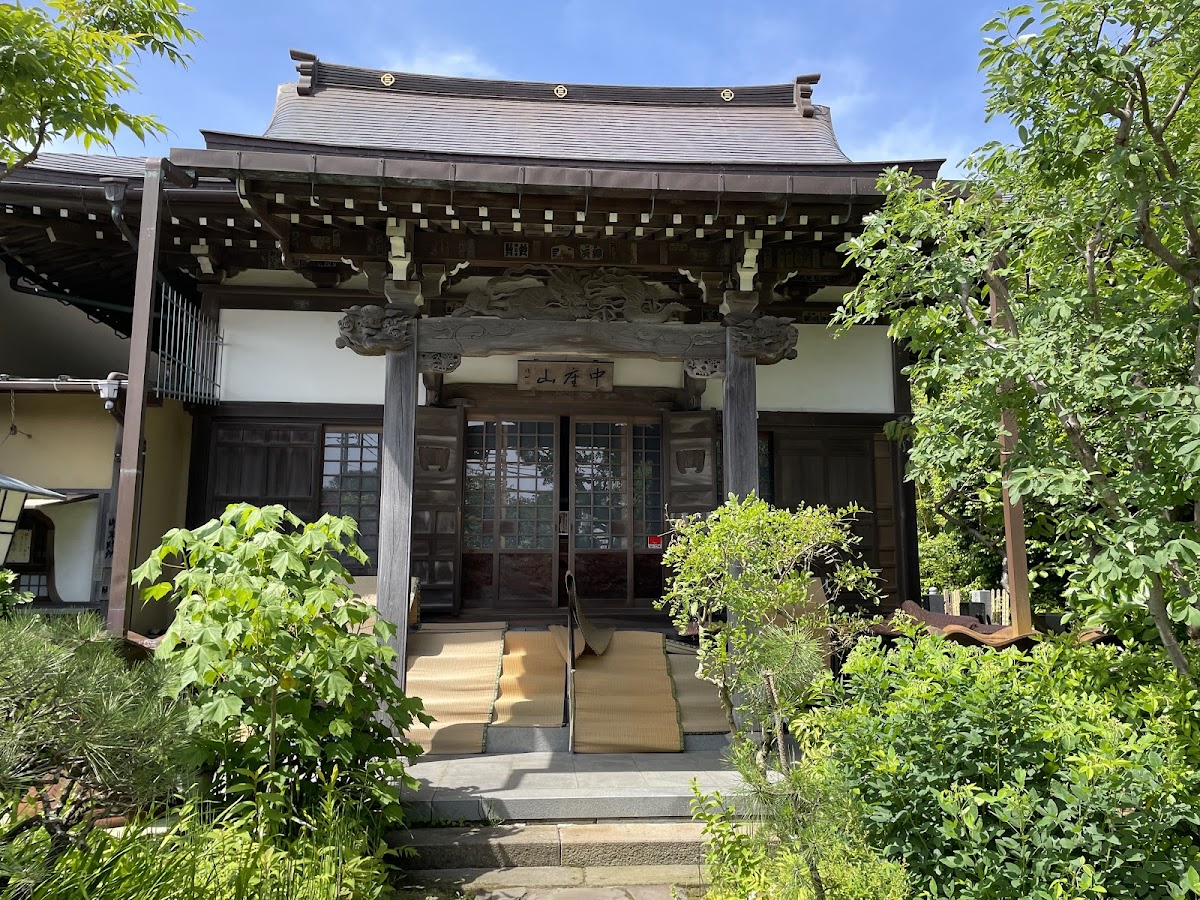
Located in Omachi, Kamakura City, Kanagawa Prefecture, Kyo-onji Temple is a valuable temple of the Jishu sect that preserves the history of Kamakura. Known as the temple’s founder, Hojo Ujiyasu, a renowned general of the Sengoku period, it is also the twelfth temple on the Kamakura Thirty-Three Kannon Pilgrimage, attracting many visitors. This article provides a detailed explanation of everything you need to know before visiting Kyo-onji Temple, from its history and cultural assets to its goshuin (temple seal) and transportation access.
Basic Information about Kyoonji Temple
Official Name: Chuzasan Daishoin Kyoonji
Address: 1-4-29 Omachi, Kamakura City, Kanagawa Prefecture 248-0007
Sect: Jishu
Principal Image: Amida Buddha
Founder: Chia Shonin
Founder: Hojo Ujiyasu
Pilgrimage Site: 12th temple of the Kamakura Thirty-Three Kannon Pilgrimage (Holy Kannon Bodhisattva)
Corporate Number: 8021005001858
Kyoonji Temple is located in the Omachi area, within walking distance of Kamakura Station, and is a temple quietly nestled in a residential area. The Jishu sect is a branch of Pure Land Buddhism founded by Ippen Shonin during the Kamakura period, and it is a historically significant temple counted as one of the “Seven Jishu Sects of Kamakura.”
History of Kyōonji Temple
The Story of Taira no Shigehira and Minamoto no Yoritomo
The origins of Kyōonji Temple can be traced back to the Genpei War at the end of the Heian period. Taira no Shigehira, the fifth son of Taira no Kiyomori, was captured by the Minamoto forces after his defeat at the Battle of Ichinotani in 1184 (Juei 3). It is said that Minamoto no Yoritomo was deeply impressed by Shigehira’s dignified demeanor and character.
Shigehira was known as the person responsible for the burning of the Great Buddha Hall of Tōdai-ji Temple, but his high level of education and the dignity of a warrior captivated even his enemy, Yoritomo. It is said that Yoritomo gave Shigehira a statue of Amida Buddha and had him build a Komoridō (a small hall for consecration) to pray for the repose of the souls of the Taira clan. This is considered by some to be the predecessor of Kyōonji Temple.
Founded by Hōjō Ujiyasu
Kyōonji Temple was formally established as a temple during the Sengoku period (Warring States period). Hojo Ujiyasu (1515-1571), the third head of the Later Hojo clan, invited the Jishu sect monk, Chia Shonin, to be the founding abbot, and originally established Kyo-on-ji Temple within the grounds of Komyoji Temple.
Hojo Ujiyasu was a Sengoku period daimyo who ruled the entire Kanto region, primarily Sagami Province, and is known as a brilliant general who displayed exceptional skills in both domestic and foreign affairs. It is believed that Ujiyasu’s founding of Kyo-on-ji Temple stemmed from his deep faith in the Jishu sect and his desire to commemorate his ancestors and those who died in battle.
Relocation to the Current Location
Kyo-on-ji Temple was initially located within the grounds of Komyoji Temple in Zaimokuza. Komyoji Temple is a major temple representing Kamakura and is known as the head temple of the Jodo sect. Kyo-on-ji Temple existed as a subsidiary temple of Komyoji Temple, but underwent a major turning point in 1678 (Enpo 6).
The current location of Kyōonji Temple was once home to Zenshōji Temple, a branch temple of Kōmyōji Temple. However, after Zenshōji Temple was abandoned, Kyōonji Temple relocated to its site. This relocation allowed Kyōonji Temple to become independent from Kōmyōji Temple and establish itself in its current location in Ōmachi.
For over 340 years since then, Kyōonji Temple has continued to attract the faith of the local people in Ōmachi, Kamakura City.
Cultural Assets and Highlights of Kyōonji Temple
Principal Image: Amida Buddha Statue (Kanagawa Prefecture Important Cultural Property)
The principal image of Kyōonji Temple, the Amida Buddha statue, is a valuable Buddhist statue designated as an Important Cultural Property of Kanagawa Prefecture. It is said to be the work of Unkei, but there is no conclusive evidence. Unkei was a leading Buddhist sculptor of the Kamakura period, known for his genius sculptures such as the Kongo Rikishi statues at the South Gate of Tōdaiji Temple.
Amida Buddha is the principal deity of the Western Pure Land, believed to guide those who chant the Buddha’s name to the Pure Land. In the Jishu sect, Amida worship is particularly important, and the principal image of Kyōonji Temple is a significant representation of this teaching.
Sixteen Arhats Sculptures on the Main Gate
Above the main gate of Kyōonji Temple are intricately crafted sculptures of the Sixteen Arhats. These sculptures, created with meticulous detail, are a highlight that delights visitors.
Arhats are saints who have attained the highest level of enlightenment in Buddhism. The Sixteen Arhats represent 16 particularly outstanding saints among Shakyamuni Buddha’s disciples and are worshipped as protectors of Buddhist teachings. The sculptures on the main gate are an important decoration that demonstrates the temple’s status and artistic merit.
Holy Kannon Bodhisattva (Temple No. 12 of the Kamakura Thirty-Three Kannon Pilgrimage)
Kyōonji Temple is designated as the twelfth temple of the Kamakura Thirty-Three Kannon Pilgrimage and enshrines Holy Kannon Bodhisattva. The Kannon pilgrimage is a form of faith that has continued since the Edo period, and many pilgrims still visit today.
Holy Kannon Bodhisattva is considered the basic form of Kannon Bodhisattva and is depicted with one face and two arms. It is revered as a compassionate Bodhisattva who relieves the suffering of sentient beings and grants their wishes.
Flowers of the Four Seasons
Kyōonji Temple is also known as a “beautiful temple where flowers bloom in every season.” Plum blossoms and cherry blossoms in spring, hydrangeas in early summer, and autumn leaves in fall, each season offering a different view. Located in a residential area, the temple grounds offer a quiet and peaceful atmosphere, a healing space that allows you to forget the hustle and bustle of the city.
About the Goshuin (Temple Seal)
At Kyōonji Temple, you can receive a Goshuin as the twelfth temple of the Kamakura Thirty-Three Kannon Pilgrimage. The Goshuin is cherished as proof of your visit and as a record of your pilgrimage.
Contents of the Goshuin:
- Ink calligraphy of “Shō Kannon” or “Amida Nyorai” in the center
- Inscription of “Kamakura Thirty-Three Kannon Pilgrimage, Twelfth Temple”
- Red seal of the temple name “Kyōonji”
- Date of visit
When receiving a Goshuin, please pray at the main hall first, then speak to the temple office. Bringing your Goshuincho (stamp book) is common, but pre-printed Goshuin may also be available.
Goshuin (temple stamp) Reception Hours: During the temple office’s opening hours (usually around 9:00 AM to 4:00 PM)
Offering Fee: Approximately 300-500 yen (at your discretion)
*Please note that Goshuin reception hours may vary depending on the time of year; it is recommended to check in advance.
About the Kamakura Thirty-Three Kannon Pilgrimage
The Kamakura Thirty-Three Kannon Pilgrimage is a pilgrimage to 33 temples in and around Kamakura. Kyōonji Temple, as the twelfth temple, holds an important position on this pilgrimage route.
While the pilgrimage can be completed in a single day, it is also enjoyable to visit the temples slowly over several visits. While receiving Goshuin stamps at each temple, you can experience the history and culture of Kamakura.
Nearby Temples:
- Temple No. 11: Raikoji Temple (Zaimokuza)
- Temple No. 13: Betsuganji Temple (Omachi)
Annual Events at Kyoonji Temple
Kyoonji Temple, as a temple of the Jishu sect, holds various annual events.
Main Events:
- New Year’s Day: First shrine visit of the year, Shusho-e (New Year’s Day service)
- Spring Equinox: Higan-e memorial service
- Obon: Urabon-e (Buddhist festival)
- Autumn Equinox: Higan-e memorial service
- New Year’s Eve: New Year’s Eve bell ringing (public participation varies each year)
If you wish to participate in a specific event, it is recommended to inquire with the temple in advance.
About the Jishu Sect
The Jishu sect, to which Kyoonji Temple belongs, is a branch of Pure Land Buddhism founded in 1274 during the mid-Kamakura period by Ippen Shonin.
Characteristics of the Jishu Sect:
- Dancing Nembutsu: A unique practice involving dancing while chanting the Nembutsu (Buddhist invocation).
- Wandering Pilgrimage: A tradition of traveling throughout the country (spreading the teachings while traveling).
- Equality Thought: The teaching that all people, regardless of social status or gender, can be saved through Nembutsu.
- “Namu Amida Butsu” Nembutsu: Emphasis on Nembutsu expressing devotion to Amida Buddha.
Kamakura has several major Jishu temples known as the “Seven Jishu Temples of Kamakura,” and Kyōonji Temple is one of them. The head temple of the Jishu sect is Shōjōkōji Temple (Yūgyōji Temple) in Fujisawa City, Kanagawa Prefecture.
Access
The most common way to access Kyōonji Temple is on foot from Kamakura Station.
Access by Train
Nearest Station: JR Yokosuka Line/Enoshima Electric Railway “Kamakura Station”
Walking Directions from Kamakura Station East Exit:
- Exit Kamakura Station East Exit and head towards Wakamiya-oji Street.
- Head south along Wakamiya-oji Street and turn left at the Omachi Yotsukado intersection.
- Walk east along Omachi Street for approximately 300m, and you will see Kyo-onji Temple on your right.
- Estimated Time: Approximately 8-10 minutes
- Distance: Approximately 660m
Access by Bus
You can also take a Keikyu Bus from Kamakura Station East Exit.
Routes:
- Routes Kamakura 23, Kamakura 24, etc. (bound for Omachi)
- Get off at the “Omachi” bus stop and walk for approximately 2 minutes.
However, since it is close to Kamakura Station, walking is recommended.
Access by Car
Nearest Interchange: Approximately 15 minutes from the Asahina Interchange on the Yokohama-Yokosuka Expressway.
Parking: Kyo-onji Temple does not have its own dedicated visitor parking lot. We recommend using nearby coin-operated parking lots or public transportation.
Kamakura city has narrow roads, and they are especially congested during peak tourist season, so access by train is convenient.
Nearby Tourist Attractions
There are many tourist attractions within walking distance of Kyo-onji Temple.
Within a 5-minute walk:
- Myohonji Temple: A famous Nichiren Buddhist temple and a popular spot for autumn foliage.
- Joeiji Temple (Botamochi Temple): A temple associated with Nichiren Shonin.
- Betsuganji Temple: The 13th temple of the Kamakura Thirty-Three Kannon Pilgrimage.
Within a 10-minute walk:
- Honkakuji Temple: Kamakura Ebisu festival, bustling with activity during the New Year’s Ebisu festival.
- Myoryu-ji Temple: A Nichiren Buddhist temple known for the Nabekamuri Nichishin.
- Around Kamakura Station: Shopping streets such as Komachi-dori.
Within a 15-20 minute walk:
- Tsurugaoka Hachimangu Shrine: A representative shrine of Kamakura.
- Komyoji Temple: The former location of Kyoonji Temple, a head temple of the Jodo sect.
Starting from Kyoonji Temple, you can create a sightseeing course exploring the eastern area of Kamakura.
Manners and Precautions for Visiting the Temple
Kyōonji Temple is a quiet temple located in a residential area. Please observe the following points when visiting.
Manners for Visiting the Temple:
- Please be quiet within the temple grounds.
- Photography is only permitted in designated areas, and please check before taking photos inside the main hall, etc.
- As it is located in a residential area, please be considerate of the nearby residents.
- Please take all your trash with you.
- Please do not touch the plants or buildings on the temple grounds.
Visiting Hours:
- The temple grounds are open freely (please visit during reasonable hours).
- Viewing the main hall and obtaining temple stamps (Goshuin) are only available during the temple office’s opening hours.
Admission Fee: Free (Donations welcome)
Historical Background of Kyōonji Temple and Kamakura
Understanding Kyōonji Temple is important, as it relates to its historical background from the Kamakura period to the Sengoku period.
Religious Environment in the Kamakura Period
The Kamakura period (1185-1333) was a time in the history of Japanese Buddhism when many innovative sects, known as “Kamakura New Buddhism,” were born one after another. Many of the major sects of present-day Japanese Buddhism, such as the Jodo sect (Honen), Jodo Shinshu sect (Shinran), Ji sect (Ippen), Nichiren sect (Nichiren), Rinzai sect (Eisai), and Soto sect (Dogen), were established during this period.
Ippen Shonin, the founder of the Ji sect, traveled throughout Japan distributing amulets bearing the invocation “Namu Amida Butsu,” saving many people regardless of social status or gender. This egalitarian philosophy was widely accepted by samurai and commoners alike, and many Ji sect temples were built in Kamakura.
The Later Hojo Clan and Kamakura
The Later Hojo clan, founded by Hojo Ujiyasu, the founder of Kyoonji Temple, was a powerful daimyo family that ruled the Kanto region from the late Muromachi period through the Sengoku period. From the first Hojo Soun (Ise Sozui) to the fifth Hojo Ujinao, the Later Hojo clan expanded their power for approximately 100 years, using Odawara Castle as their base.
Although they were not directly related by blood to the Kamakura Hojo clan who served as regents of the Kamakura Shogunate, they enhanced their authority by inheriting the Hojo name. The Later Hojo clan positioned Kamakura as one of their important bases and protected and restored many temples and shrines. The founding of Kyo-on-ji Temple is thought to be part of this effort.
Recommended Itinerary for Visiting Kyo-on-ji Temple
Here are some sightseeing itineraries centered around Kyo-on-ji Temple.
Half-Day Course: Temple Tour in the Omachi Area
Duration: Approximately 3 hours
- Start from Kamakura Station East Exit (9:00)
- Myohonji Temple (30 min)
- Joeiji Temple (20 min)
- Kyoonji Temple (30 min)
- Betsuganji Temple (20 min)
- Hongakuji Temple (30 min)
- Lunch near Kamakura Station (12:00)
Full-Day Course: Kamakura Thirty-Three Kannon Pilgrimage
Duration: Approximately 7-8 hours
This course focuses on visiting temples around Kamakura Station from the Kamakura Thirty-Three Kannon Pilgrimage. You can visit approximately 10-15 temples, including Kyoonji Temple (Temple No. 12), in one day.
Recommended Visiting Times by Season
- Spring (March-May): A beautiful time for plum blossoms, cherry blossoms, and fresh greenery.
- Early Summer (June): Hydrangeas are in full bloom, but rain gear is essential due to the rainy season.
- Autumn (November-December): Beautiful autumn foliage and stable weather.
- Winter (January-February): Fewer tourists, allowing for a peaceful visit; New Year’s visits and winter camellias are highlights.
Summary
Kyōonji Temple (Kamakura City, Kanagawa Prefecture) is a historic temple of the Jishu sect with a history of over 500 years. It boasts many attractions, including being founded by the Sengoku daimyo Hojo Ujiyasu, a statue of Amida Buddha said to be the work of Unkei, and being the twelfth temple on the Kamakura Thirty-Three Kannon Pilgrimage.
Despite its convenient access (approximately a 10-minute walk from Kamakura Station), its charm lies in its tranquil atmosphere nestled quietly in a residential area. When sightseeing in Kamakura, be sure to visit Kyōonji Temple. You’ll find a peaceful moment amidst the weight of history and tranquility.
For those interested in collecting temple stamps, visiting Kannon pilgrimage sites, or simply wanting to relax in a quiet temple, Kyōonji Temple is an ideal destination. It continues to be cherished by many as a valuable temple where you can experience Kamakura’s history and culture amidst the flowers of each season.