Complete Guide to Shōmyōji Temple (Kamakura City, Kanagawa Prefecture) | History, Highlights, and Access Information for Imaizumi Fudo
Shōmyōji Temple, located in Imaizumi, Kamakura City, Kanagawa Prefecture, is an ancient Jōdo sect temple affectionately known as “Imaizumi Fudo” by locals. The tranquil grounds, surrounded by trees, are filled with the sounds of waterfalls and flowing rivers, offering visitors a respite from the hustle and bustle of everyday life. This article provides a detailed explanation of Shōmyōji Temple’s history, highlights, access methods, and surrounding tourist information.
What is Shōmyōji Temple? | An Ancient Jōdo Sect Temple Affectionately Known as Imaizumi Fudo
Shōmyōji Temple, officially called “Konsenzan Isshinin Shōmyōji,” is a Jōdo sect temple. Its principal image is the Raigō Amida Triad, and it was formerly a branch temple of Zōjōji Temple.
The common name “Imaizumi Fudo” originates from the Fudo Hall located within the temple grounds. This Fudo Hall is said to have been founded by Kobo Daishi Kukai and has a long history as a center of local faith.
Located in the northeastern part of Kamakura City, approximately 4 km east of Ofuna Station, it is known as a hidden gem for peaceful worship, situated in a quiet area away from the hustle and bustle of Kamakura.
History of Shomyoji Temple | From Kobo Daishi Kukai to the Edo Period
Legend of Founding and Kobo Daishi Kukai
The history of Shomyoji Temple dates back to the early Heian period. It is said that in 818 (Kōnin 9), Kobo Daishi Kukai, during his travels throughout the country, received divine inspiration in this Imaizumi area, carved a statue of Fudo Myoo, and founded the temple.
Initially, it was called “Ensoji Temple” and functioned as the head temple of the Fudo Hall. As a place associated with Kobo Daishi Kukai, it has attracted many worshippers since ancient times.
Restoration and Renaming in the Edo Period
Over time, a major turning point occurred in 1693 (Genroku 6) during the Edo period. Jikiyo Rennin, a high-ranking priest of Zojo-ji Temple, restored the main hall and received the mountain name, temple name, and temple name “Imaizumi-san Isshin-in Shomyo-ji” from Zojo-ji Temple.
This changed the temple from Ensho-ji to Shomyo-ji, a Jodo sect temple, and it remains so to this day. Since its restoration by Jikiyo Rennin, it has become a center of Amida Buddhism as a Jodo sect temple.
Continued Faith in the Modern Age
More than 300 years have passed since its restoration in the Edo period, and Shomyo-ji continues to attract the faith of the local people. The fact that the common name “Imaizumi Fudo” is still used today shows that the faith in Fudo Myoo remains strong.
Highlights of Shōmyōji Temple | A Thorough Explanation of the Temple Grounds’ Charms
Yin-Yang Waterfall (Male and Female Waterfalls)
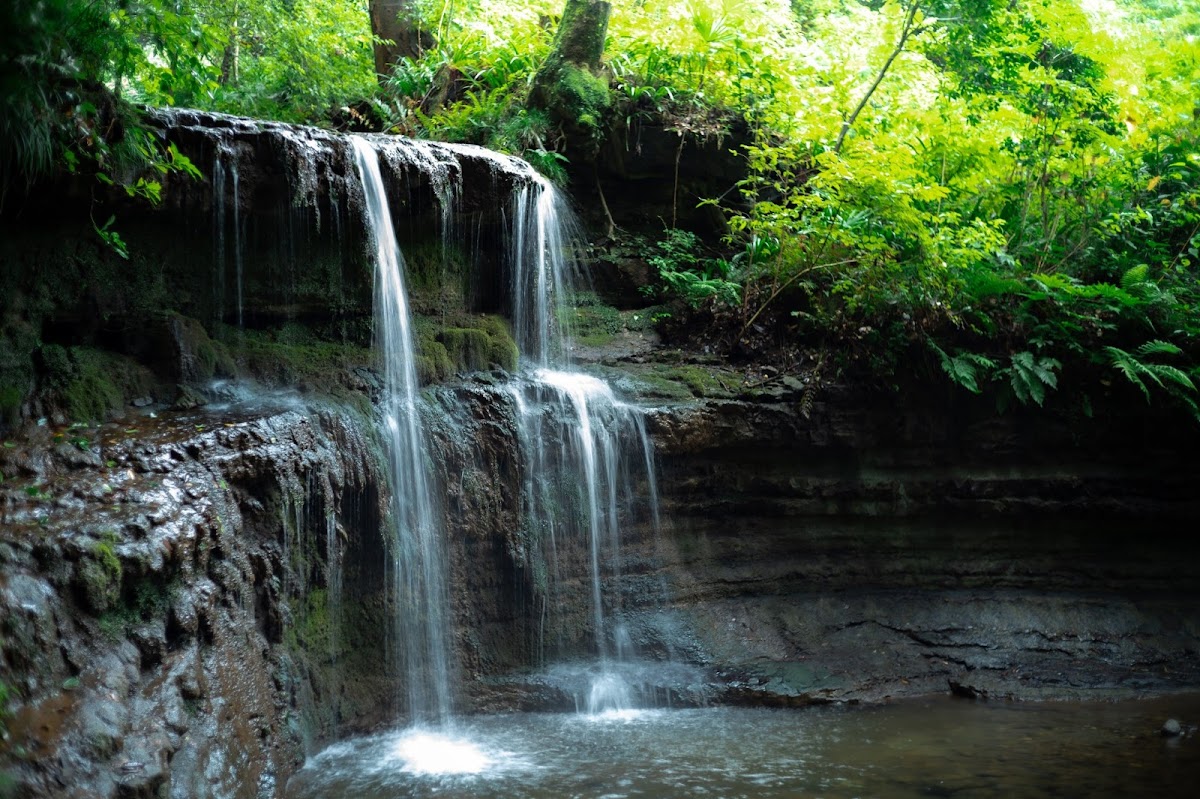
One of the greatest highlights of Shōmyōji Temple is the “Yin-Yang Waterfall” flowing through the temple grounds. Consisting of two waterfalls, a male and female waterfall, it creates a soothing sound amidst the rich natural environment surrounded by trees.
The sound of the waterfalls and the babbling of the stream resonates throughout the temple grounds, offering visitors a profound sense of tranquility and healing. Especially in summer, many visitors come seeking respite from the heat, refreshing their minds and bodies in this space full of negative ions.
Fudo Hall
At the top of the stone steps lies the Fudo Hall. This hall, said to have been founded by Kūkai, is an important building that gave rise to the name “Imaizumi Fudo.”
Although the current Fudo Hall is a renovated structure, it remains a center of worship for many visitors. It is cherished by the local people as a place to offer prayers to Fudo Myoo.
Main Hall and Amida Triad
The main hall houses the principal image, the Raigo Amida Triad. With Amida Buddha at the center, flanked by Kannon Bodhisattva and Seishi Bodhisattva, this triad formation exudes a solemn atmosphere characteristic of Jodo sect temples.
Rebuilt during the Edo period by Chokuyo Renjin, the main hall continues to serve as a center of Jodo faith, hosting religious services and ceremonies.
Thirty-Six Stone Attendant Statues and Groups of Stone Buddhas
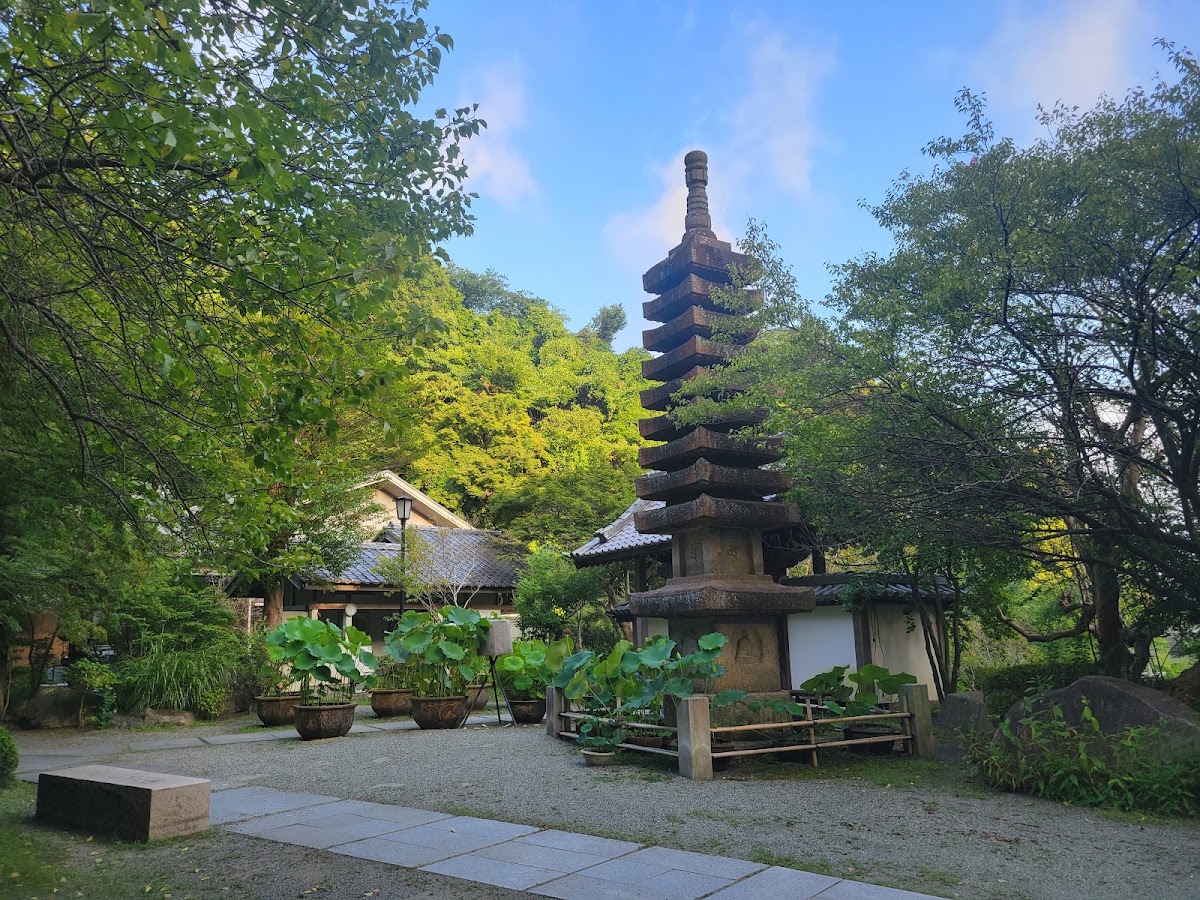
Numerous stone Buddhas are scattered throughout the temple grounds, with the thirty-six stone attendant statues being particularly noteworthy. These stone statues depict the thirty-six attendants who follow Fudo Myoo, each with a unique expression that captivates the viewer.
Furthermore, six Jizo statues line the entrance, gently welcoming visitors. Searching for the various stone Buddhas while exploring the temple grounds is one of the pleasures of visiting Shomyoji Temple.
Dainichi Nyorai Statue
The temple grounds also house a statue of Dainichi Nyorai, retaining elements of Esoteric Buddhism. This is thought to be an influence of Kobo Daishi Kukai, who founded the temple, making it an interesting presence that, despite being a Jodo sect temple, evokes traces of Shingon Esoteric Buddhism.
Lush Natural Environment
The charm of Shomyoji Temple lies not only in its buildings and stone Buddha statues. The temple grounds, surrounded by groves of trees, offer the beauty of nature throughout the seasons.
In spring, the fresh greenery is beautiful; in summer, the deep green creates a cool atmosphere. In autumn, the autumn leaves color the grounds, and in winter, you can offer a solemn visit in a tranquil atmosphere. The natural environment, which shows different expressions with each season, is also a major attraction of Shomyoji Temple.
Shomyoji Temple’s Goshuin (Temple Seal) Information
You can receive a Goshuin at Shomyoji Temple. The Goshuin, with its calm design typical of a Jodo sect temple, is popular as a memento of your visit.
When requesting a Goshuin (temple stamp), please do so after completing your prayers at the main hall, and then respectfully make your request. Bringing your Goshuincho (stamp book) is recommended.
While they will generally accommodate requests during visiting hours, there may be times when they are unavailable due to memorial services or other events. Therefore, if you want to be sure to receive a Goshuin, it is recommended to check in advance.
Basic Information and Access to Shōmyōji Temple
Basic Information
- Official Name: Konsenzan Isshinin Shōmyōji Temple
- Common Name: Imaizumi Fudo
- Sect: Jōdo-shū (Pure Land Buddhism)
- Principal Image: Raigō Amida Triad
- Location: Imaizumi, Kamakura City, Kanagawa Prefecture
- Visiting Hours: 8:00 AM – 5:00 PM
- Admission Fee: Free
- Parking: Available (Limited number of spaces)
Access by Train and Bus
By Bus from JR Ōfuna Station
- Take the Enoden Bus from the East Exit of JR Ōfuna Station
- Get off at the “Imaizumi Fudo” bus stop (approximately 15 minutes)
- A short walk from the bus stop
From JR Kita-Kamakura Station
- Approximately 30 minutes on foot (approximately 2.5 km)
- You can reach it by strolling through the quiet residential area of Kamakura.
Access by Car
- Approximately 10 minutes from the Asahina Interchange on the Yokohama-Yokosuka Expressway
- Parking is available on the temple grounds, but spaces are limited, so using public transportation is recommended during busy times.
Notes on Access
Shōmyōji Temple is located a little distance from the center of Kamakura, in a residential area. Some roads are narrow, so caution is advised when visiting by car.
Also, please note that this is a different temple from “Kanazawa-san Shōmyōji” in Kanazawa Ward, Yokohama City. The Kanazawa-san Shōmyōji is a Shingon Ritsu sect temple famous for its Jōdo garden, and differs in both sect and history from this Imaizumi Shōmyōji.
Best Season and Time Required for Visiting Shōmyōji Temple
Recommended Season
Shōmyōji Temple can be visited throughout the year, but there is a particularly recommended season.
Spring (Late March to Early May)
The season of fresh greenery envelops the temple grounds in beautiful foliage. The area around the Yin-Yang Waterfall is particularly refreshing.
Summer (June to August)
The sound of the waterfall is soothing, making it an ideal summer retreat. The temple grounds, surrounded by deep greenery, offer a respite from the city’s heat.
Autumn (Late October to Late November)
The temple grounds are beautifully colored during the autumn foliage season. It’s less crowded than Kamakura’s famous autumn foliage spots, allowing you to enjoy the colors at your leisure.
Winter (December to February)
You can offer a solemn visit in a tranquil atmosphere. Because there are fewer visitors during this time, you can experience a deeper spiritual connection.
Estimated Visiting Time
The temple grounds are not very large, so a basic visit can be completed in about 30-45 minutes.
If you plan to carefully examine the stone Buddha statues or meditate while listening to the sound of the waterfall, allow about 1 to 1.5 hours.
Recommended Tourist Spots Around Shōmyōji Temple
Kenchōji Temple (approx. 10 minutes by car)
This is the head temple of the Kenchōji branch of the Rinzai school, and the first of the Five Great Zen Temples of Kamakura. Located about 10 minutes by car from Shōmyōji Temple, it is a popular Zen temple representing Kamakura and attracts many tourists.
Engakuji Temple (approx. 8 minutes by car)
This is a famous temple, the second of the Five Great Zen Temples of Kamakura, and a representative temple of Kita-Kamakura. It boasts numerous attractions, including the national treasure, the Shariden (reliquary hall).
Meigetsuin Temple (approx. 10 minutes by car)
This temple is famous as the “Hydrangea Temple,” with approximately 2,500 hydrangea bushes adorning the grounds in June. The autumn foliage is also beautiful, making it enjoyable throughout the seasons.
Kamakura-gu Shrine (approx. 12 minutes by car)
This shrine, dedicated to Prince Moriyoshi, is an important shrine in eastern Kamakura. It has high historical value, and visiting it along with Shōmyōji Temple is highly recommended.
Zuisenji Temple (approx. 15 minutes by car)
This Rinzai Zen temple is known for its rock garden designed by Musō Soseki. Located in a quiet area often called the “inner sanctuary” of Kamakura, it offers a peaceful atmosphere similar to Shōmyōji Temple.
Recommended Restaurants near Shōmyōji Temple
Restaurants in the Ōfuna Area
Many restaurants are concentrated around Ōfuna Station, the nearest station to Shōmyōji Temple.
Soba Restaurants
The Kamakura area has many delicious soba restaurants, and there are highly-rated establishments around Ōfuna Station. Enjoying authentic soba after visiting the temple is highly recommended.
Japanese Restaurants
There are also plenty of Japanese restaurants using local ingredients. Some restaurants offer dishes using seafood from the Shonan area.
Cafes
There are also cafes scattered throughout the area where you can relax after visiting the temple. Enjoy the lingering memories of your trip at this tranquil cafe, typical of Kamakura.
Gourmet in the Kita-Kamakura Area
There are also attractive restaurants around Kita-Kamakura Station. If you’re venturing towards Kita-Kamakura from Shōmyōji Temple, dining in this area is highly recommended.
Points to Note and Manners When Visiting Shōmyōji Temple
Manners for Visiting Temple
Shōmyōji Temple is more of a place of local faith than a tourist destination. Please observe the following manners when visiting:
- Be quiet within the temple grounds and refrain from loud conversations.
- If a memorial service is being held, please refrain from entering the main hall.
- Photography is permitted, but please be considerate of other visitors.
- Always take your trash with you.
- Do not touch the stone Buddha statues or buildings.
Regarding Clothing
There are no specific dress code requirements, but please dress appropriately for visiting a temple. Since there are stone steps within the temple grounds, comfortable shoes are recommended.
Parking Information
Parking is limited. It can get particularly crowded on weekends and holidays, so we recommend using public transportation whenever possible.
Differences between Shōmyōji Temple and Shōmyōji Temple in Kanazawa Ward
There are two temples named “Shōmyōji” in Kanagawa Prefecture, which can be confusing.
Imaizumi Shōmyōji Temple (featured in this article)
- Location: Imaizumi, Kamakura City
- Sect: Jōdo-shū (Pure Land Buddhism)
- Common Name: Imaizumi Fudo
- Features: Yin-Yang Waterfall, Fudo Hall, tranquil atmosphere
Kanazawa Ward Shōmyōji Temple
- Location: Kanazawa-machi, Kanazawa Ward, Yokohama City
- Sect: Shingon Ritsu-shū (Shingon Ritsu Buddhism)
- Features: Pure Land Garden, Ajigaike Pond, numerous National Important Cultural Properties
- Scale: Larger and more tourist-oriented
Although the two temples share the same name, they are separate temples with different locations, sects, and histories. Please be careful not to confuse them when visiting.
The Charm of Shōmyōji Temple | Why You Should Visit
A Tranquil Space Away from the Hustle and Bustle
Located slightly away from the center of Kamakura, it’s less crowded with tourists, allowing for a peaceful visit. It’s ideal for those seeking tranquility and peace of mind.
Temple Grounds Integrated with Nature
Surrounded by the Yin-Yang Waterfall and lush groves, the temple grounds are a space integrated with nature. Listening to the sound of the waterfall and the babbling of the stream, you can forget the hustle and bustle of the city and refresh yourself.
History Associated with Kōbō Daishi Kūkai
This historic temple is said to have been founded by Kōbō Daishi Kūkai in the early Heian period. As an ancient temple with over 1200 years of history, it evokes a sense of historical romance.
Encountering Diverse Stone Buddhas
Numerous stone Buddhas, including the Thirty-Six Child Attendants, are scattered throughout the temple grounds. Visiting these unique stone Buddhas, each with its own distinct expression, is a unique pleasure of Shōmyōji Temple.
A Place of Worship Rooted in the Community
Known as “Imaizumi Fudo,” it remains a beloved place of worship for the local people. Its unpretentious atmosphere, untouched by tourism, allows one to experience the true essence of a temple.
Model Itinerary for Visiting Shōmyōji Temple
Half-Day Course (Morning)
9:00 Arrive at JR Ōfuna Station, take a bus to Imaizumi Fudō
9:20 Arrive at Shōmyōji Temple, visit the temple grounds (1 hour)
10:30 Travel towards Kita-Kamakura
11:00 Visit Engakuji Temple or Kenchōji Temple
12:30 Lunch in the Kita-Kamakura area
Full-Day Course
9:00 Arrive at JR Ōfuna Station, take a bus to Imaizumi Fudō
9:20 Arrive at Shōmyōji Temple, thorough visit (1.5 hours)
11:00 Travel to Kamakura-gū Shrine
11:30 Visit Kamakura-gū Shrine
12:30 Lunch in Kamakura City
14:00 Visit Kenchōji Temple
15:30 Visit Tsurugaoka Hachimangū Shrine
17:00 Stroll and shopping along Komachi Street
18:00 Return from Kamakura Station
A Relaxing Holiday Course for Adults
10:00 Arrive at Shōmyōji Temple, leisurely worship and meditation (2 hours)
12:00 Lunch in the Ōfuna area
13:30 Move to Zuisenji Temple
14:00 Worship at Zuisenji Temple
15:30 Relax at a cafe in Kamakura
17:00 Return home
Frequently Asked Questions about Shōmyōji Temple
Q: Is there an entrance fee to Shōmyōji Temple?
A: No, admission to Shōmyōji Temple is free. You can freely visit the temple grounds.
Q: Can I get a Goshuin (temple stamp)?
A: Yes, you can get a Goshuin during visiting hours. However, there may be times when it is not possible due to memorial services, so we recommend checking in advance if you definitely want one.
Q: Is there parking available? **
A: Yes, there is a parking lot on the temple grounds, but the number of spaces is limited. It may get crowded on weekends and holidays, so we recommend using public transportation.
Q: What is the difference between this temple and Shōmyōji Temple in Kanazawa Ward, Yokohama City?
A: Shōmyōji Temple in Imaizumi, Kamakura City, belongs to the Jōdo sect and is known as “Imaizumi Fudo,” featuring a distinctive yin-yang waterfall. On the other hand, Shōmyōji Temple in Kanazawa Ward, Yokohama City, belongs to the Shingon Ritsu sect and is a different temple famous for its Jōdo garden.
Q: How long does a visit take?
A: A basic visit takes about 30 to 45 minutes. If you want to take your time looking at the stone Buddha statues, it’s best to allow about 1 to 1.5 hours.
Q: When is the best time to visit?
A: Each season has its own charm: the fresh greenery of spring, the cool summer, and the vibrant autumn foliage. Summer is especially recommended because of the refreshing sound of the waterfall, and autumn is recommended because of the beautiful autumn leaves.
Q: Is photography allowed?
A: Yes, photography is permitted on the temple grounds. However, please be considerate of other visitors and refrain from taking photos inside the main hall if a memorial service is being held.
Q: Are there any points to note regarding access?
A: If you are taking the bus from Ofuna Station, please get off at the “Imaizumi Fudo” bus stop. Also, please be careful not to confuse it with Shōmyōji Temple in Kanazawa Ward, Yokohama City.
Summary | A Peaceful Moment at Shōmyōji Temple
Shōmyōji Temple (Imaizumi Fudo), located in Imaizumi, Kamakura City, Kanagawa Prefecture, is an ancient Jōdo sect temple with a history of over 1200 years, said to have been founded by Kūkai, Kōbō Daishi. The clear sound of the Yin-Yang Waterfall, the tranquil grounds surrounded by trees, and the numerous stone Buddha statues offer visitors deep healing and spiritual peace.
Because it is located a little away from the center of Kamakura, it is less crowded with tourists, making it a great place to visit at your own pace. Shōmyōji Temple, affectionately known as “Imaizumi Fudo” by the locals and still cherished as a place of worship, is a precious space where you can experience the true essence of a temple.
When visiting the Kamakura area, why not visit not only the famous tourist temples, but also tranquil ancient temples like Shōmyōji? A peaceful moment away from the hustle and bustle will surely enrich your trip.