Daichōji Temple (Kamakura City, Kanagawa Prefecture): A Jōdo Sect Temple Associated with Tokugawa Ieyasu | Complete Guide to History, Goshuin (Temple Seal), and Access
Located in Iwase, Kamakura City, Kanagawa Prefecture, Daichōji Temple is a Jōdo Sect temple with deep ties to Tokugawa Ieyasu. It is the northernmost temple in Kamakura City open to the public, quietly situated near the border with Yokohama City. This article comprehensively covers everything you need to know before visiting, from the history of Daichōji Temple and its highlights to information on goshuin (temple seals) and access methods.
Basic Information about Daichoji Temple
Official Name: Kikyozan Gokokuin Daichoji
Sect: Jodo-shu (Pure Land Buddhism)
Principal Image: Amida Buddha
Founded: Tenbun 17 (1548)
Founder: Kanyo Zontei
Address: 1464 Iwase, Kamakura City, Kanagawa Prefecture 247-0051
Phone Number: 0467-46-4428
Temple Crest: Three-leaf Aoi (hollyhock)
Daichoji Temple was founded not during the Kamakura period, but at the end of the Sengoku period (Warring States period), and is characterized by its historical background, which differs from many other ancient temples in Kamakura.
History of Daichoji Temple
Founding and the Renaming from “Daichoji” to “Daichoji”
Daichoji Temple was founded in 1548 (Tenbun 17) with Kanyo Sontei as its founding priest. Initially named “Daichoji,” it was later renamed “Daichoji.” Tokugawa Ieyasu is believed to have been deeply involved in this renaming.
From the Sengoku period to the early Edo period, this region was under the control of the Later Hojo clan. The Later Hojo clan, based in Odawara, exerted influence throughout Sagami Province, and it is thought that Daichoji Temple also received their patronage.
Connection with Tokugawa Ieyasu and the Origin of the Temple’s Name Change
The relationship between Daichoji Temple and Tokugawa Ieyasu is one of the most important elements in the temple’s history. According to tradition, Tokugawa Ieyasu ordered the renaming from “Daichoji” to “Daichoji.” It is speculated that there was some kind of connection between Ieyasu and the temple, but there are various theories regarding the specific circumstances.
Notably, the temple crest of Daichoji is the “Three-Leaf Aoi” crest, the family crest of the Tokugawa family. This was a special crest permitted only to temples with deep ties to the Tokugawa family, and it can be said to be evidence that Daichoji received special patronage from the Tokugawa family.
Throughout the Edo period, Daichoji developed as a local Jodo sect temple under the patronage of the Tokugawa shogunate.
From the Edo Period to the Modern Era
During the Edo period, Daichoji functioned as an important religious facility in the Iwase area of northern Kamakura. It was an indispensable presence in the community, spreading the teachings of Jodo sect among local residents and serving as a place for Buddhist services such as funerals and memorial services.
Despite the impact of the anti-Buddhist movement and the separation of Shinto and Buddhism during the Meiji era, Daichoji survived and continues to uphold its Buddhist traditions to this day. While the surrounding area underwent development during the post-war period of rapid economic growth, the temple has maintained a tranquil environment.
Highlights of the Temple Grounds
Main Hall and the Principal Image, Amida Buddha
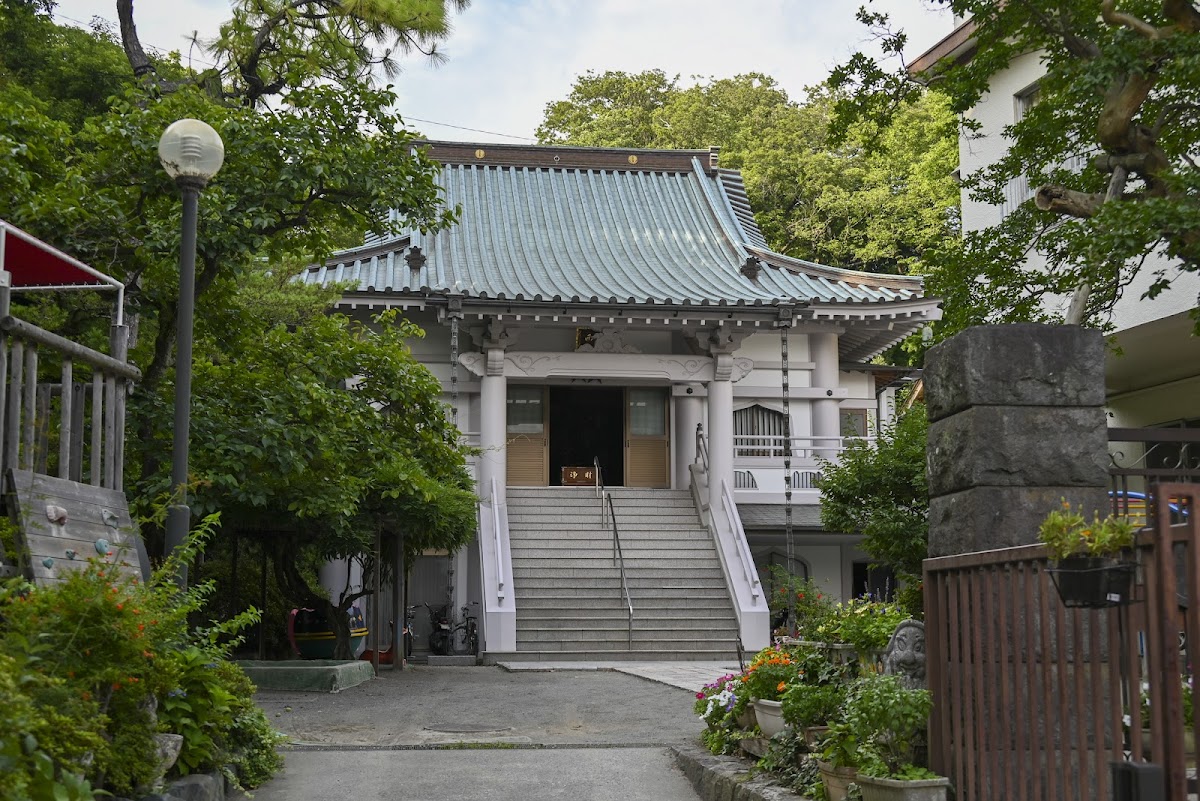
The main hall of Daichoji Temple houses the principal image, Amida Buddha. As the principal image of the Jodo sect, it is the center of faith for those wishing to attain rebirth in the Pure Land. The main hall has a tranquil atmosphere and is enveloped in serenity.
The Temple Crest of the Three-Leaf Aoi
The temple crest of the three-leaf hollyhock, seen throughout the grounds, makes visitors to Daichoji Temple feel its deep connection to the Tokugawa family. Normally, only a limited number of temples are permitted to use the Tokugawa family crest, and the very existence of this crest speaks to the historical importance of Daichoji Temple.
A Quiet Worship Environment
Located in the northernmost part of Kamakura city, Daichoji Temple offers a quiet environment for worship, unlike the tourist temples in the center of Kamakura. It is rarely crowded with tourists, allowing for a peaceful and calm worship experience.
The Connection Between the Cemetery and the Community
Daichoji Temple has an attached cemetery and continues to function as a local temple serving the community. As a temple deeply rooted in this region since ancient times, it has continued to support the faith and lives of local residents.
Goshuin (Temple Seal) Information
You can receive a Goshuin at Daichoji Temple. The Goshuin may feature the calligraphy “Kikyozan Daichoji” and a three-leaf hollyhock seal, giving it a special feel befitting a temple associated with the Tokugawa family.
Notes on Receiving a Goshuin:
- It is recommended to confirm by phone in advance.
- Visiting hours are generally during the daytime.
- Bring your Goshuincho (stamp book).
- Please be mindful of respectful worship.
Even if your purpose is to collect Goshuin, it is important to first offer your prayers at the main hall and worship with sincerity.
Access Methods
Access by Train
Nearest Station:
- Approximately 16 minutes on foot (approx. 1.8 km) from the East Exit of Ofuna Station (JR Tokaido Line, Yokosuka Line, Keihin-Tohoku Line, Negishi Line)
- Approximately 25 minutes on foot (approx. 2.1 km) from Hongodai Station (JR Negishi Line)
Directions from Ofuna Station:
- Exit Ofuna Station East Exit and head east.
- Head north on Prefectural Road 21 (Kamakura Kaido).
- Enter the Iwase area and follow the signs.
Access by Bus
If using the bus from Ofuna Station, take a bus bound for “Iwase” and get off at the nearest bus stop. It’s a few minutes’ walk from there. However, bus service is limited, so it’s recommended to check the timetable in advance.
Access by Car
Parking: There may be parking spaces available for visitors, but it’s recommended to check in advance.
Access from Major Roads:
- Approximately 15 minutes from the Hino Interchange on the Yokohama-Yokosuka Expressway
- Via Prefectural Road 21 from National Route 1
Please drive carefully as the surrounding area is residential.
Nearby Attractions
Temples and Shrines in Northern Kamakura
Around Daichoji Temple, there are many temples and shrines with a quiet atmosphere, different from that of central Kamakura. Northern Kamakura has many areas that are not heavily commercialized for tourism, allowing you to visit temples and shrines rooted in the local community.
Border Area with Sakae Ward, Yokohama
Daichoji Temple is adjacent to Sakae Ward in Yokohama City, and is located in a place where you can feel the atmosphere of both Kamakura and Yokohama. The surrounding area retains much of its natural beauty, making it a suitable environment for strolling.
Ofuna Kannon
Near Ofuna Station is the famous Ofuna Kannon, which can be visited in conjunction with a visit to Daichoji Temple. The Ofuna Kannon is a white-robed Kannon statue approximately 25 meters tall and is known as a landmark of Ofuna.
Manners and Precautions for Visiting the Temple
Basic Manners for Visiting the Temple
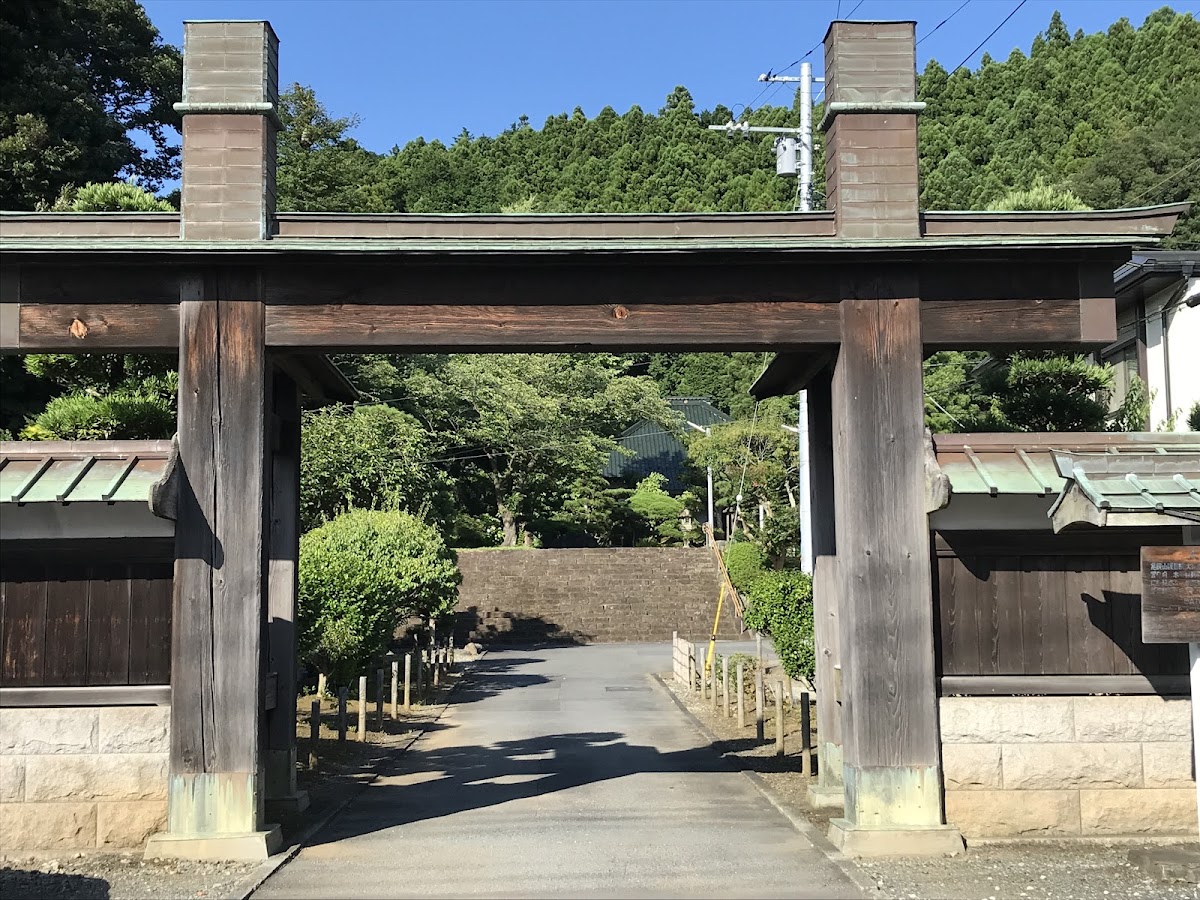
- Bow at the Temple Gate: Bow before entering the temple grounds.
- Worship Quietly: As the temple is located in a residential area, please be especially mindful of quietness.
- Photography: Photography is permitted on the temple grounds, but please be considerate of those inside the main hall and other visitors.
- Offering Money: Offer your prayers with sincerity.
Character as a Family Temple
Daichoji Temple is not a tourist temple, but rather a temple with a strong character as a family temple serving the local community. When visiting, please respect that it is a place of worship for local residents and behave with moderation.
What is the Jodo Sect?
The Jodo Sect, to which Daichoji Temple belongs, is a sect of Japanese Buddhism founded by Honen Shonin (1133-1212). This school of thought teaches that anyone can attain rebirth in the Pure Land through the power of Amida Buddha’s original vow by chanting “Namu Amida Butsu.”
Characteristics of the Jodo Sect:
- The principal deity is Amida Buddha
- The practice of exclusive recitation of the Buddha’s name
- The head temple is Chion-in in Kyoto
- Komyoji (Zaimokuza) in Kamakura serves as the main head temple
The Jodo Sect spread among the common people during the Kamakura period and continues to attract many followers to this day.
Annual Events at Daichoji Temple
As a Jodo Sect temple, Daichoji Temple holds various Buddhist services and events throughout the year.
Main Annual Events:
- New Year’s Day: Shushō-e (New Year’s Day Ceremony)
- Spring and Autumn Equinox: Higan-e (Equinox Memorial Service)
- August: Segaki-e (Feeding of Hungry Ghosts Ceremony)
- December: New Year’s Eve Bell Ringing
These events are primarily for temple parishioners, but general visitors may also be able to participate. Please contact the temple directly for details.
The Historical Position of Daichōji Temple in Kamakura
While Kamakura boasts numerous famous temples founded during the Kamakura period, Daichōji Temple occupies a unique position due to its founding at the end of the Sengoku period (Warring States period). Despite having a different history from famous temple groups such as the Kamakura Five Mountains and the Kamakura Thirty-Three Kannon, it holds special value due to its connection with the Tokugawa family.
The Iwase district in northern Kamakura is not commercialized for tourism due to its distance from the city center, but it is a historical area with preserved ancient settlements. Daichōji Temple is an important presence that conveys the history and culture of this region to the present day.
Attire and Items to Bring When Visiting
Recommended Attire
- There are no specific dress code requirements, but clean and modest clothing appropriate for visiting a temple is desirable.
- Bring a hat or parasol in summer, and warm clothing in winter.
- We recommend wearing comfortable walking shoes.
Useful Items to Bring
- Goshuincho (stamp book) (if you wish to receive a Goshuin stamp)
- Camera (for taking photos of the temple grounds)
- Drinks (especially in summer)
- Map or smartphone (for checking access)
How to Enjoy Visiting Daichoji Temple
Meditation in Silence
Daichoji Temple, with its few tourists, is an ideal place to quietly calm your mind. You can close your eyes in front of the main hall and spend time seeking inner peace while chanting Buddhist prayers.
Historical Exploration
By paying attention to historical elements such as its connection to Tokugawa Ieyasu and the temple’s crest of three hollyhock leaves, you can gain a deeper understanding and interest. It is a valuable place where you can feel the transition from the Sengoku period to the Edo period. ### A Base for Exploring Northern Kamakura
Starting from Daichoji Temple, you can enjoy exploring northern Kamakura City and Sakae Ward in Yokohama City. You can experience the simple scenery of areas not yet commercialized for tourism and connect with the lives of local people.
Summary
Daichoji Temple is a Jodo sect temple located in Iwase, Kamakura City, Kanagawa Prefecture. It is a historically significant temple with deep ties to Tokugawa Ieyasu. Since its founding in 1548, it has exhibited elements that demonstrate its special relationship with the Tokugawa family, such as the name change from “Daichoji” to “Daichoji” and the use of the three-leaf hollyhock crest.
Located as the northernmost temple in Kamakura City open to the public, its quiet environment, unspoiled by tourism, is a major attraction. Unlike the bustling temples in central Kamakura, it also functions as a community-based temple serving its parishioners, preserving the history and culture of the region.
While it’s a bit of a distance to access, about a 16-minute walk from Ofuna Station, this is precisely why it maintains such a tranquil atmosphere that makes it well worth the visit. You can also receive a Goshuin (temple stamp), experiencing a special feeling unique to a temple associated with the Tokugawa family.
For those who have visited other famous temples in Kamakura and wish to delve deeper into Kamakura’s history, or those seeking a peaceful environment for worship, Daichoji Temple is highly recommended. Why not spend some quiet time reflecting on Japanese history at this temple with its connection to the historically important figure of Tokugawa Ieyasu?